
The name Colorado evokes vivid images for many: majestic snow-capped peaks, vast crimson landscapes, and a spirit of rugged adventure. It’s a state synonymous with outdoor pursuits, vibrant cities, and a unique blend of Western heritage and modern innovation. Yet, beyond the immediate visual and experiential associations, what does the name “Colorado” truly mean? Its origin is a fascinating journey through history, language, and geography, deeply interwoven with the very landscape and culture that define this iconic United States destination.
Understanding the etymology of “Colorado” is to embark on a historical expedition, traversing centuries of exploration and settlement. It’s a key piece of the puzzle for anyone seeking to truly grasp the essence of this remarkable state, whether you’re a seasoned traveler planning your next adventure, a history buff delving into local culture, or simply curious about the stories behind the places we cherish. From its crimson river to its namesake state, the meaning of “Colorado” is as rich and multi-layered as the landscapes it describes.

The Etymological Tapestry: From Spanish Explorers to a State’s Identity
The origin of the name “Colorado” is rooted firmly in the Spanish language, a testament to the region’s colonial past. Spanish explorers were among the first Europeans to extensively map and describe the vast territories of the American West, and their chosen nomenclature often reflected striking geographical features.
The Crimson River and Its Enduring Legacy
The word “colorado” in Spanish translates directly to “colored red” or “reddish.” This descriptive term was initially applied not to the state itself, but to the magnificent Colorado River. Early Spanish explorers, including possibly members of the expedition led by Francisco Vázquez de Coronado in the 16th century, observed the distinctive reddish-brown silt and sediment carried by the river’s waters. This rich, earthy hue was particularly noticeable after heavy rains or snowmelt, staining the water a deep, unmistakable red.
The Colorado River, a vital artery of the American Southwest, begins its arduous journey high in the Rocky Mountains of Colorado. Its powerful currents carve through dramatic canyons, eroding ancient sandstone and depositing its characteristic reddish silt along its path. It was this striking visual characteristic that inspired its original name, “El Río Colorado” – The Red River. The enduring legacy of this name speaks to the profound impression the river made on those who first encountered it, a testament to nature’s raw and captivating power.
Early Spanish Encounters and Nomenclature
For centuries, the area that would become the state of Colorado was part of New Spain and later Mexico. Spanish explorers and cartographers meticulously documented the region, often naming rivers, mountains, and valleys based on their observations. The use of “colorado” was not unique to the main river; other features with reddish characteristics might also have received similar designations, reinforcing the prevalence of this visual attribute across the landscape.
Following the Louisiana Purchase in 1803, and subsequent territorial acquisitions by the United States, the American government began organizing its new vast western lands. When the Colorado Territory was established on February 28, 1861, it was a natural choice to name it after the prominent Colorado River that flowed through its western parts. This decision solidified the connection between the region and its most defining natural feature. In 1876, the territory officially achieved statehood, becoming the 38th state in the United States, retaining the evocative name “Colorado.” Thus, a descriptive term for a river eventually evolved to encapsulate an entire state, a history etched into its very name.
A Name Forged in Landscape: Geography and Natural Wonders
The choice of “Colorado” as the state’s name is not merely a linguistic artifact; it is a profound reflection of its geographical reality. The state’s landscapes are, in many ways, defined by the colors and textures that inspired its Spanish designation.
The Red Rocks and the Rocky Mountain Majesty
When one considers the visual identity of Colorado, the term “reddish” immediately resonates with iconic landmarks and natural attractions. The state is renowned for its spectacular red rock formations, particularly prominent in areas like Red Rocks Park and Amphitheatre near Denver, Garden of the Gods in Colorado Springs, and parts of Mesa Verde National Park. These ancient geological structures, carved by millennia of wind and water erosion, display stunning hues of ochre, burnt orange, and deep crimson, especially when bathed in the golden light of sunrise or sunset. The iron oxides present in the sandstone are responsible for these vibrant colors, echoing the very meaning of “colorado.”
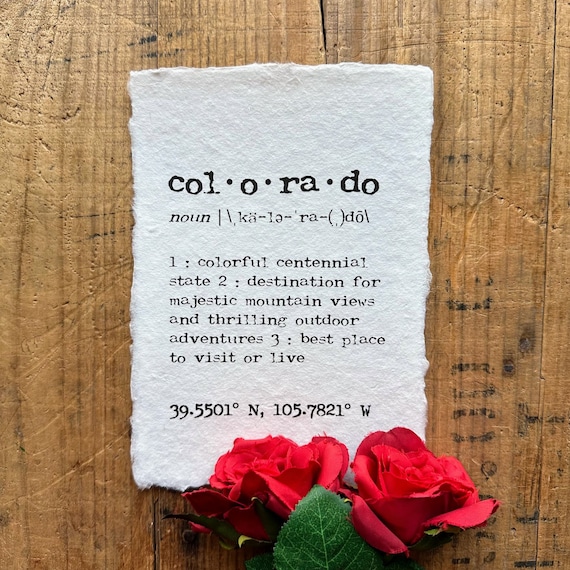
Beyond the red rock formations, the majestic Rocky Mountains themselves contribute to the state’s colorful tapestry. While often associated with snow and granite, the mountains reveal a spectrum of colors throughout the seasons. Fall brings an explosion of golden aspen leaves across the foothills and high country, painting vast expanses in brilliant yellows and oranges. The soils in many areas are indeed reddish, particularly in the arid plains and canyonlands of western Colorado near Grand Junction, further justifying the “colored red” moniker. Even the mineral-rich veins visible in some mountainous regions can add streaks of vibrant color to an otherwise monochrome rock face.
Echoes in [Colorado]’s Diverse Topography
[Colorado]’s diverse topography extends far beyond its famous peaks and red rock canyons. From the expansive Eastern Plains, characterized by grasslands that take on a golden-red hue in late summer, to the rugged plateaus of the Western Slope, where mesas and buttes display layers of multi-hued rock, the influence of the “colorado” meaning is everywhere. Even in areas of lush greenery, the underlying geology often hints at the red earth beneath.Travelers exploring Colorado will find this visual theme consistently present. Whether hiking through the dramatic canyons of Black Canyon of the Gunnison National Park, marveling at the unique landscape of Great Sand Dunes National Park and Preserve, or driving through picturesque valleys, the subtle or overt reddish tones of the land are a constant reminder of the state’s namesake. This inherent colorfulness makes Colorado an exceptionally picturesque travel destination for photographers, artists, and anyone seeking to connect with the raw beauty of nature. The state’s identity is truly carved from the vibrant palette of its own geology.
From Territory to Tourism: The Modern Resonance of “Colorado”
Today, the name “Colorado” carries far more weight than its simple etymological roots. It embodies a contemporary identity, a thriving tourism industry, and a distinctive lifestyle that continues to draw visitors and residents alike.
[Colorado]’s Appeal: An Adventurer’s Paradise
The meaning of “colored red” still resonates, but the modern interpretation of “Colorado” encompasses the full spectrum of experiences it offers. For many, Colorado is an adventurer’s paradise, a hub for outdoor activities and thrilling experiences. From world-class skiing and snowboarding resorts like Aspen, Vail, and Telluride in winter, to hiking, mountain biking, rock climbing, and white-water rafting in summer, the state offers unparalleled opportunities for exhilaration.
Visitors come to explore the stunning vistas of Rocky Mountain National Park, ascend the towering Pikes Peak, or discover charming mountain towns like Estes Park and Durango. These destinations are not just places on a map; they represent a lifestyle choice, a commitment to outdoor living and a connection with nature. Tourism guides often highlight the vibrant hues of the alpine meadows, the deep blues of mountain lakes, and the clear, crisp air – all contributing to a sensory experience that is inherently “colored” by the environment.
The Lifestyle, Accommodation, and Economic Impact
The appeal of Colorado extends to its unique lifestyle, which combines urban sophistication with a deep appreciation for the outdoors. Cities like Denver and Boulder are hubs of innovation, arts, and culture, offering a diverse range of local food scenes, craft breweries, and live music venues. This blend makes Colorado an attractive place for both luxury travel and budget travel, family trips and business stays.
The state’s popularity has naturally led to a thriving accommodation sector. Travelers can find everything from opulent resorts and boutique hotels like the Grand Hyatt, Ritz-Carlton, or Four Seasons in Denver or Vail, to charming mountain suites, cozy apartments, and secluded villas offering unparalleled amenities. Booking platforms and review sites frequently highlight the diverse options available, catering to every preference, whether it’s a short-term visit or a long-term stay. The economic impact of this vibrant tourism and lifestyle industry is significant, supporting numerous businesses and fostering continued growth. The essence of “color” in Colorado has expanded to mean a richness of experience, a vividness of life.
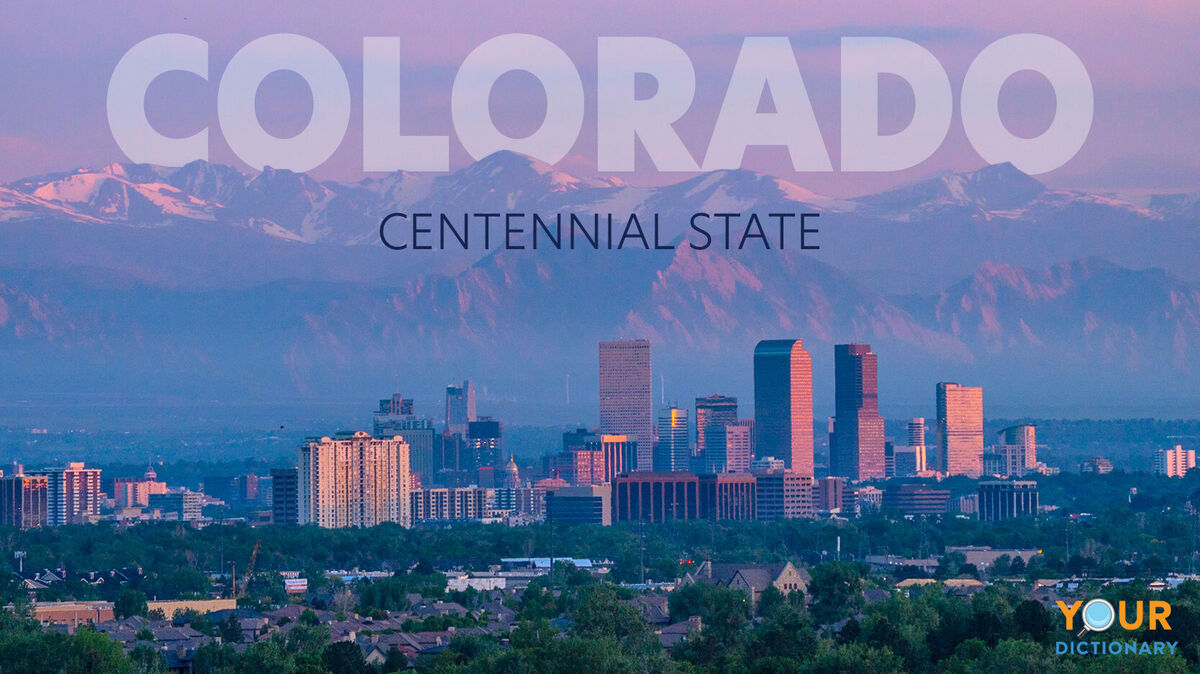
Cultural Identity and the Spirit of the West
Beyond its physical attributes and economic vibrancy, “Colorado” has come to symbolize a distinct cultural identity – the spirit of the American West. It represents resilience, exploration, and an independent mindset. The state’s history of mining, ranching, and pioneering endeavors has shaped its character, fostering a community that values hard work and connection to the land.
The name itself, “colored red,” now resonates with the fiery passion of its residents for their state, their environment, and their way of life. It speaks to the sunsets that paint the sky in dramatic red and orange hues over the Rockies, the vibrant arts scenes, and the colorful communities that thrive within its borders. The original meaning remains a foundational layer, but over time, “Colorado” has accumulated layers of contemporary meaning, becoming a beacon for outdoor enthusiasts, a haven for creative spirits, and a model for sustainable living. The meaning of Colorado is dynamic, evolving with each new visitor, each new resident, and each new experience forged within its stunning landscapes.
In conclusion, the name “Colorado” is far more than just a label. It is a historical echo from Spanish explorers, a geological description of its breathtaking reddish landscapes, and a modern testament to a state that offers a vivid tapestry of experiences, from thrilling adventures to serene natural beauty. Whether you are planning your next grand tour, seeking unique accommodation, or simply reflecting on the wonders of the American West, understanding the deep meaning behind “Colorado” adds an enriching layer to your appreciation of this extraordinary place. It’s a name that truly captures the essence of a state defined by its magnificent colors, its enduring spirit, and its boundless appeal.
LifeOutOfTheBox is a participant in the Amazon Services LLC Associates Program, an affiliate advertising program designed to provide a means for sites to earn advertising fees by advertising and linking to Amazon.com. Amazon, the Amazon logo, AmazonSupply, and the AmazonSupply logo are trademarks of Amazon.com, Inc. or its affiliates. As an Amazon Associate we earn affiliate commissions from qualifying purchases.