
California, often referred to as the Golden State, is a land of unparalleled diversity, stretching from sun-drenched beaches to snow-capped mountains, bustling metropolises to serene deserts. For anyone planning to travel, explore, or even reside within its vast borders, understanding the intricate system of zip codes goes far beyond merely addressing mail. In a state as expansive and varied as California, a zip code acts as a geographical fingerprint, revealing a wealth of information about a particular area’s culture, demographics, attractions, and even the type of travel experience one can expect.
These five-digit numerical identifiers, originally established by the United States Postal Service (USPS) to streamline mail delivery, have evolved into powerful tools for travelers, tourists, and accommodation seekers. They paint a vivid picture of a locality, signaling everything from the proximity to world-famous landmarks and vibrant culinary scenes to the availability of luxury resorts or budget-friendly apartments. For those looking to dive deep into California’s offerings, deciphering these codes becomes an essential skill, unlocking tailored experiences and informed decisions for every journey.

The Fabric of California: Understanding Zip Codes Beyond Mail
At its core, a zip code is a system of postal codes used by the USPS. The acronym “ZIP” stands for Zone Improvement Plan, highlighting its original purpose: to speed up and improve the efficiency of mail sorting and delivery. While this function remains crucial, the utility of zip codes in a modern, digitally connected world, especially for a tourism-centric state like California, has expanded dramatically.
The Basics: What is a Zip Code?
Introduced in 1963, the standard zip code consists of five digits. Later, in 1983, the USPS introduced ZIP+4, adding four more digits to denote a specific delivery route within a given zip code area. For the purpose of general location and travel planning, the initial five digits are usually sufficient and most commonly referenced. These digits are not random; they follow a logical pattern, with the first digit representing a broad geographical area of the United States (California falls under the “9” designation, indicating the western region). The subsequent digits further narrow down the location, pinpointing states, sectional centers, and finally, individual post offices or delivery areas.
In California, this system carves out distinct territories. For instance, zip codes starting with 900-935 generally cover Southern California, while those beginning with 936-961 are typically found in Central and Northern California. This fundamental understanding is the first step in using zip codes as a navigational tool for the Golden State.
Why California’s Zip Codes Matter for Travelers
For travelers and those seeking accommodation, a zip code is far more than a postal identifier; it’s a window into the local experience. It’s a quick reference that can:
- Define Geographic Proximity: Instantly tell you how close you are to the beach, mountains, a major city center, or a national park.
- Indicate Urban vs. Rural Settings: Distinguish between bustling downtown areas and quiet, suburban, or even remote natural retreats.
- Hint at Cost of Living and Accommodation: Generally, certain zip codes are synonymous with luxury and higher prices, while others signal more budget-friendly options.
- Suggest Local Amenities and Attractions: A zip code can implicitly point to the types of restaurants, shops, cultural institutions, and activities available in an area.
- Aid in Booking and Logistics: Most online booking platforms for hotels, vacation rentals, and flights utilize zip codes to filter searches and provide accurate results.
Essentially, by understanding the significance of a California zip code, you gain an invaluable insight into the character of a destination before you even arrive. This knowledge empowers travelers to make more informed decisions, ensuring their trip aligns perfectly with their expectations and budget.
Navigating California’s Diverse Landscapes with Zip Codes
California’s sprawling geography is a tapestry of varied ecosystems and vibrant communities. From sun-kissed coastlines to arid deserts, towering forests to fertile valleys, each region offers a unique charm. Zip codes act as the threads that define these distinct areas, making them indispensable for anyone planning an exploration of the Golden State.
From Coastal Charm to Mountain Retreats: Geographic Significance
The sheer geographical diversity of California is astounding, and zip codes play a crucial role in segmenting these varied landscapes.
- Coastal Regions: Zip codes along the Pacific Coast often signify proximity to stunning beaches, scenic drives, and vibrant beach towns. For example, zip codes in areas like Santa Monica (e.g., 90401-90409) or Malibu (e.g., 90265) immediately conjure images of ocean views, high-end real estate, and a relaxed, upscale coastal lifestyle. Further north, zip codes in Big Sur (e.g., 93920) or Carmel-by-the-Sea (e.g., 93921) denote dramatic cliffside scenery and charming artistic communities.
- Mountainous Areas: Heading inland, zip codes shift to reveal majestic mountain ranges. The areas around Lake Tahoe (e.g., 96150 in South Lake Tahoe) are instantly associated with alpine adventures, winter sports, and summer lake activities. Similarly, zip codes within or near Yosemite National Park (e.g., 95389 for Yosemite Valley) indicate access to world-renowned natural wonders, hiking trails, and camping opportunities. Other national parks like Sequoia National Park and Kings Canyon National Park also have specific zip codes that define their stunning wilderness boundaries.
- Desert Landscapes: In stark contrast, zip codes in regions like Palm Springs (e.g., 92262) or near Joshua Tree National Park (e.g., 92252 for Joshua Tree) signify arid beauty, unique flora, and a distinct desert culture, often attracting visitors for their wellness resorts, music festivals, and stargazing opportunities. The vast Mojave Desert is also segmented by these numerical identifiers.
- Wine Country: The renowned Napa Valley and Sonoma County regions have zip codes (e.g., 94558 for Napa, 95476 for Sonoma) that immediately bring to mind vineyards, gourmet dining, and luxurious boutique hotels, making them ideal for romantic getaways and culinary tours.
Urban Exploration and Local Culture: A Zip Code’s Story
Within California’s bustling cities, zip codes become even more granular, delineating distinct neighborhoods, each with its own character, cultural hotspots, and unique appeal.
- Los Angeles Metropolitan Area: Los Angeles is a prime example of how zip codes define micro-destinations.
- The 90210 zip code is famously associated with Beverly Hills, synonymous with luxury shopping, celebrity sightings, and opulent hotels.
- Zip codes around Hollywood (e.g., 90028) point to iconic movie landmarks like the Walk of Fame and Hollywood Sign, offering a vibrant, tourist-heavy experience.
- Further afield, zip codes in Pasadena (e.g., 91101) suggest a more historic and cultural atmosphere, while those in Santa Monica (e.g., 90401) immediately signify beach access, the Santa Monica Pier, and a lively boardwalk scene.
- For art and culture enthusiasts, zip codes encompassing areas like Museum Row (e.g., part of 90036 for LACMA and The Broad) promise a wealth of galleries and exhibits. The 90027 area also houses the iconic Griffith Observatory.
- San Francisco Bay Area: In San Francisco and the surrounding Bay Area, zip codes like 94133 for Fisherman’s Wharf or 94109 for areas near Ghirardelli Square indicate prime tourist locations. The 94123 zip code offers stunning views of the Golden Gate Bridge, while 94111 covers the financial district, catering more to business travelers. Meanwhile, zip codes in Oakland (e.g., 94612) and San Jose (e.g., 95113) highlight the diverse cultural scenes and tech innovations of the Silicon Valley region. The 94118 area, for instance, encompasses the California Academy of Sciences and Golden Gate Park.
- San Diego and Southern California: San Diego’s zip codes also tell a story. The 92101 zip code for downtown San Diego signifies access to the Gaslamp Quarter and its vibrant nightlife, while coastal zip codes like 92054 in Oceanside or 92037 in La Jolla point to renowned surf spots and picturesque beaches. The 92109 area is home to the bustling Pacific Beach Pier.
- Sacramento: As the state capital, Sacramento‘s zip codes (e.g., 95814 for downtown) indicate historical landmarks, government buildings, and a thriving farm-to-fork culinary scene.
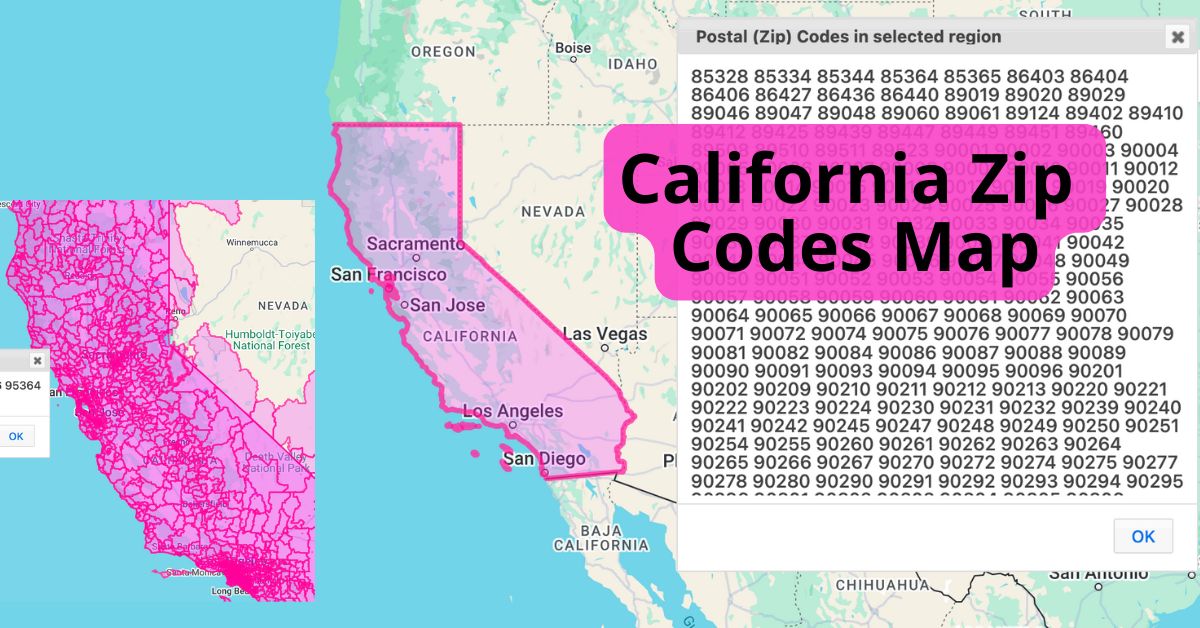
These examples underscore how a simple five-digit number can quickly orient a traveler within California’s complex urban fabric, guiding them to the specific experiences they seek, whether it’s a cultural immersion, a culinary adventure, or a historical tour.
Your Travel Blueprint: How Zip Codes Influence Accommodation and Lifestyle
Choosing where to stay is paramount to any successful trip, and California’s zip codes offer an invaluable initial filter. They not only define the immediate surroundings of a potential accommodation but also hint at the overall lifestyle, cost, and type of experience one can expect.
Finding Your Perfect Stay: Hotels, Resorts, and More
Accommodation options in California are as varied as its landscapes, ranging from opulent five-star resorts to cozy boutique hotels, sprawling vacation rentals, and budget-friendly motels. Zip codes serve as a critical component in narrowing down choices, especially when using online travel agencies or direct booking sites.
- Luxury and High-End Resorts: Certain zip codes are synonymous with luxury and exclusivity. The 90210 zip code of Beverly Hills, for instance, is home to world-renowned establishments like The Beverly Wilshire, A Four Seasons Hotel, and The Peninsula Beverly Hills, offering unparalleled service and amenities. Similarly, zip codes in areas like Malibu (90265), Laguna Beach (92651), or Santa Barbara (93101) often host exquisite resorts and boutique hotels catering to discerning travelers seeking lavish experiences, often with stunning ocean views. In Napa Valley (94558) and Sonoma County (95476), zip codes indicate access to wine-themed resorts and spas.
- Mid-Range and Boutique Hotels: For travelers seeking a balance between comfort, style, and cost, many zip codes in major cities offer a plethora of mid-range and boutique hotel options. For example, in San Francisco, zip codes in areas like Union Square (94108) or SoMa (94103) provide excellent access to attractions, dining, and public transport without the top-tier prices of beachfront properties. In Hollywood (90028), visitors can find numerous themed hotels close to entertainment venues and the Walk of Fame.
- Budget-Friendly Stays and Extended Options: Travelers on a tighter budget can leverage zip codes to locate more economical accommodations, including motels, hostels, and more affordable apartment rentals. Areas slightly outside prime tourist zones, but still with good transport links, often fall into this category. For long-term stays or family trips, vacation rentals (apartments, villas, homes) found via zip code searches become crucial, offering kitchens, multiple rooms, and a more local living experience. This is particularly useful in popular tourist areas like Anaheim (92802), where families visiting Disneyland often seek out properties with more space and amenities.
- Unique Accommodation Experiences: California also offers unique stays, from glamping sites in Joshua Tree National Park (92252) to historic inns in Monterey (93940) or Hearst Castle nearby (93452). A zip code is often the first step in discovering these specialized lodging options.
Tailoring Your California Experience: Lifestyle and Budget Considerations
The zip code of your chosen destination or accommodation is a powerful indicator of the lifestyle and budget implications of your trip.
- Luxury Travel: If your travel style leans towards luxury, focusing on zip codes known for high-end dining, designer shopping, and premium services is key. Areas like Beverly Hills, Malibu, Napa Valley, or resorts on Catalina Island (90704) will naturally align with this desire, though they come with a higher price tag for hotels, meals, and activities.
- Budget Travel: For budget-conscious travelers, researching zip codes in less affluent, but still safe and accessible, neighborhoods can yield significant savings. These areas might offer more local eateries, independent shops, and public transport options that reduce overall costs. Cities like Ventura (93001) or specific districts in larger metropolitan areas might offer more bang for your buck without compromising on experience.
- Family Trips: When planning a family vacation, zip codes near major attractions are invaluable. For instance, the 92802 zip code in Anaheim is ideal for visiting Disneyland and Disney California Adventure Park, while the 91608 area in Universal City places you right by Universal Studios Hollywood. These areas typically have family-friendly hotels and amenities.
- Business Stays: For business travelers, zip codes in financial districts (e.g., 94111 in San Francisco, 90012 in downtown Los Angeles), tech hubs like Silicon Valley (e.g., 95054 in Santa Clara), or near convention centers (e.g., 92101 in San Diego) are paramount for convenience to meetings and corporate events. These areas are characterized by business-oriented hotels, efficient transport, and professional services.
Understanding the implicit lifestyle and budget signals embedded within California’s zip codes allows travelers to craft a highly personalized journey, ensuring their expectations for cost, comfort, and experience are met.
Beyond the Numbers: Practical Applications for Tourists and Residents
The practical utility of California zip codes extends beyond just finding a hotel or understanding a neighborhood’s vibe. For both tourists and prospective residents, these five digits are key to efficient planning, local insight, and an enhanced overall experience in the Golden State.
Planning Your Itinerary: Locating Landmarks and Attractions
For tourists, zip codes are an indispensable tool for itinerary planning. When you know the zip code of your accommodation, you can easily map out nearby attractions, restaurants, and activities, optimizing your travel time and minimizing transit.
- Pinpointing Iconic Landmarks: Many of California’s most famous landmarks are directly associated with specific zip codes. For example, if you’re staying in San Francisco and want to visit Alcatraz Island, you’ll likely be looking for ferry departures from Fisherman’s Wharf (zip code 94133). Similarly, anyone wishing to explore the Getty Center in Los Angeles would look towards the 90049 zip code.
- Discovering Local Gems: Beyond the major attractions, zip codes help uncover hidden gems and local favorites. Searching for restaurants or shops within a specific zip code can reveal authentic local experiences that might otherwise be overlooked in broader city searches. This allows travelers to immerse themselves more deeply in the local culture and gastronomy, moving beyond the well-trodden tourist paths.
- Event Planning: For events like concerts, festivals, or sports games, knowing the venue’s zip code is critical for finding nearby parking, public transportation, and pre/post-event dining options. This is particularly relevant in sprawling cities like Los Angeles, where traffic and distance can be significant factors.

Safety, Services, and Local Insight: What a Zip Code Can Tell You
While not explicitly stating these details, a zip code can often provide indirect insights into an area’s safety, the quality of its services, and other local nuances that are important for both short-term visitors and long-term residents.
- Safety Perceptions: While one should always exercise caution, certain zip codes are generally perceived as safer or having lower crime rates than others, often reflecting socio-economic factors. Researching a zip code online can yield community reviews and statistics that help travelers and potential residents make informed decisions about where to stay or live.
- Access to Services: For long-term stays, families, or business travelers, a zip code can indicate proximity to essential services such as hospitals, schools, grocery stores, and major transportation hubs. Families considering relocation will frequently use zip codes to research school districts.
- Community Characteristics: Exploring the demographics and community profiles associated with a zip code can offer a deeper understanding of the local population, amenities, and overall vibe. This information can be invaluable for cultural immersion, finding specific community events, or simply feeling more at home in a new environment. For example, a zip code might signify a bustling commercial district, a quiet residential area, or a vibrant artistic community.
In essence, the five digits of a California zip code are a compact data packet, offering a wealth of information that, when properly understood, can transform a generic trip into a highly personalized and fulfilling adventure. They are a navigational compass, a cultural interpreter, and a logistical planner all rolled into one, making them an indispensable tool for anyone wishing to unlock the full potential of the Golden State.
In conclusion, California zip codes are far more than just a bureaucratic numbering system. They are the keys to understanding and experiencing the state’s incredible diversity. From locating the perfect luxury suite in Beverly Hills to finding a family-friendly apartment near Disneyland in Anaheim, or even pinpointing the best vineyards in Napa Valley, these numerical identifiers serve as crucial guides. For any traveler or prospective resident, delving into what California zip codes represent offers a strategic advantage, transforming complex geographical information into actionable insights that enhance every aspect of their journey through this remarkable state.
LifeOutOfTheBox is a participant in the Amazon Services LLC Associates Program, an affiliate advertising program designed to provide a means for sites to earn advertising fees by advertising and linking to Amazon.com. Amazon, the Amazon logo, AmazonSupply, and the AmazonSupply logo are trademarks of Amazon.com, Inc. or its affiliates. As an Amazon Associate we earn affiliate commissions from qualifying purchases.