
Planning a trip to the Grand Canyon State can be an exhilarating experience, offering a diverse tapestry of landscapes from vibrant deserts to cool mountain towns, and world-class cities like Phoenix and Tucson. However, for many travelers, particularly families, understanding the local school calendar is an often-overlooked but crucial element in optimizing their Arizona getaway. The timing of when schools start and end can dramatically impact everything from accommodation availability and pricing to the crowds you encounter at popular attractions, and even the overall atmosphere of your chosen destination.
Unlike a uniform national schedule, school start dates in the United States vary significantly by state and even by individual district within a state. Arizona is no exception, and its unique climate often plays a role in these scheduling decisions. Knowing when students head back to the classroom can be the key to unlocking a more serene, cost-effective, and enjoyable travel experience. Whether you’re aiming to avoid the summer rush, catch the vibrant fall foliage, or plan a tranquil escape, factoring in the academic calendar is a smart move for any savvy traveler.

Understanding Arizona’s School Calendars: A Traveler’s Perspective
The question “When do schools start in Arizona?” doesn’t have a single, universal answer. It’s a mosaic of schedules influenced by local district decisions, academic goals, and even the state’s famously warm climate. For travelers, understanding this variability is paramount to planning an informed trip.
The General Timeline: What to Expect
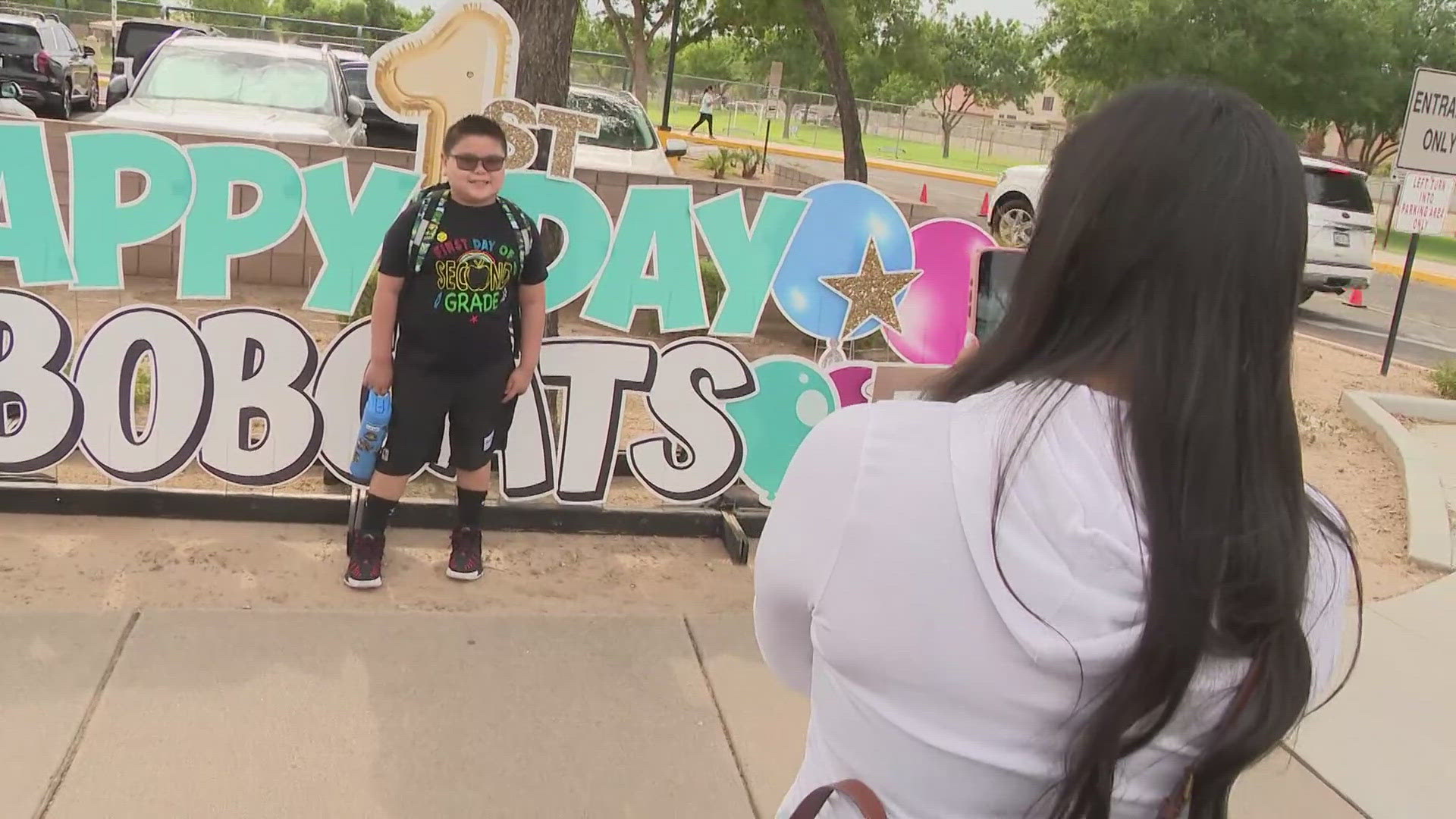
Broadly speaking, most public schools in Arizona typically commence their academic year in late July or early August. This early start distinguishes Arizona from many other states that often wait until after Labor Day in September. The rationale behind this earlier start can sometimes be attributed to the desire to end the first semester before the winter holiday break, providing a more balanced academic calendar. It also allows for longer breaks during the hottest parts of the year or to spread out vacation periods more evenly.
For instance, major metropolitan areas like the Phoenix metropolitan area, which includes cities like Scottsdale, Mesa, and Chandler, usually see schools open their doors in the first week of August. Similarly, in southern Arizona, schools in Tucson and surrounding communities will follow a similar pattern. This means that by the second week of August, the vast majority of K-12 students across the state are back in classrooms.
This early August start date is crucial for travelers, as it marks a significant shift from the peak summer family travel season. Once schools are back in session, many families with school-aged children are less likely to travel, leading to a noticeable decrease in crowds at popular destinations and potentially more favorable pricing on accommodation and flights.
District Variations: Why Flexibility is Key
While the late July/early August timeframe is a good general guideline, it’s vital to recognize that school start dates can vary significantly from one district to another. A school district in a northern mountain town like Flagstaff, which experiences cooler summers, might have a slightly different schedule than a district in the scorching desert lowlands of Yuma. Some districts may start a week earlier, while others might push it back a week or two.
Furthermore, individual charter schools or private schools may operate on entirely different calendars. Some might align closely with public school schedules, while others could opt for more unique year-round or alternative calendars designed to suit their specific educational philosophies.
For a traveler, this means that while late July and early August are strong indicators, a precise date for a specific area should ideally be verified if you’re planning a trip around a very narrow window. Websites for individual school districts are publicly accessible and usually post their academic calendars well in advance. However, for most general travel planning purposes, understanding the “early August” shift is sufficient to inform decisions about peak season versus shoulder season travel.
Early Starts and Year-Round Schedules
Beyond the traditional August start, some districts or individual schools in Arizona may implement “year-round” schedules. These calendars don’t necessarily mean students attend school 365 days a year, but rather that the traditional long summer break is shortened and replaced with more frequent, shorter breaks throughout the year. This approach is sometimes adopted to combat learning loss during extended breaks or to optimize facility usage.
While less common for the majority of districts, the existence of year-round schedules can mean that some families might be traveling during what would traditionally be an “off-peak” time for school breaks. However, the sheer volume of students on traditional calendars means that the broad impact of year-round schools on overall tourism trends is generally minimal compared to the mass exodus from summer vacation. Nevertheless, it’s another layer of complexity that underscores the importance of flexible planning when aiming for a quiet period.
Planning Your Arizona Getaway Around School Breaks
Understanding Arizona’s school calendar is more than just academic curiosity for travelers; it’s a strategic tool. The rhythm of school breaks dictates the flow of family travel, directly impacting everything from hotel rates to the tranquility of popular Arizona destinations.
Summer Travel: Navigating Peak Season
The period from Memorial Day in late May through early August is traditionally Arizona’s peak family travel season, particularly for destinations with cooler climates or water-based activities. While the desert regions of Phoenix and Tucson can experience extreme heat, many families from other states (and even local Arizona families seeking cooler temps) flock to northern Arizona destinations like the Grand Canyon, Sedona, and Flagstaff. Water parks, resorts with elaborate pools, and destinations like Lake Havasu City also see increased activity.
During this time, especially before Arizona schools start, you can expect:
- Higher Accommodation Prices: Hotels, resorts, and vacation rentals command premium rates due to demand. Popular resorts like the Fairmont Scottsdale Princess or The Boulders Resort & Spa often have higher occupancy and rates.
- Increased Crowds: Iconic attractions such as Grand Canyon National Park, Antelope Canyon, and even urban attractions like the Desert Botanical Garden or the Heard Museum can be significantly more crowded.
- Limited Availability: Booking well in advance is essential for popular tours, desirable hotels, and even national park campgrounds.
If summer travel is your only option, aim for the first week of August, right as Arizona schools are resuming. You might catch a slight dip in local crowds as families settle back into routine, though visitors from out-of-state whose schools start later might still be present.
Fall and Spring: Ideal Shoulder Season Opportunities

The “shoulder seasons” — fall (mid-August through November) and spring (March through May, excluding spring break) — are arguably the best times to visit Arizona for many travelers. These periods offer a sweet spot of pleasant weather, fewer crowds, and often more competitive pricing.
- Fall: Once Arizona schools are fully in session (from mid-August onwards), and before the influx of “snowbirds” and winter holiday travelers, the state enters a prime travel window. The scorching summer temperatures in Phoenix and Tucson begin to recede, making outdoor activities more enjoyable. Sedona’s red rocks are stunning, and Flagstaff experiences beautiful fall foliage. This is an excellent time for hiking in Saguaro National Park, exploring Old Town Scottsdale, or visiting the Hoover Dam on the Arizona/Nevada border without the peak summer crowds.
- Spring: Similarly, after the winter holiday rush and before the summer begins, spring offers superb weather across most of the state. Wildflowers bloom in the Sonoran Desert, temperatures are mild, and the outdoor recreation opportunities are endless. However, be mindful of Spring Break, which typically falls in March and can draw significant student crowds (both high school and college, including students from Arizona State University and the University of Arizona) to popular destinations, particularly in Scottsdale and along the Colorado River. Aside from this localized surge, spring provides excellent conditions for exploring.
These shoulder seasons allow travelers to experience Arizona’s natural beauty and urban attractions with greater ease and often better value.
Holiday Breaks: A Different Kind of Rush
While the start of the school year is a major determinant of travel patterns, school holidays throughout the year also create their own mini-peak seasons.
- Thanksgiving Break (late November): A popular time for families to travel, leading to increased traffic and demand for accommodation, especially in destinations like Sedona and Grand Canyon.
- Winter Break (late December to early January): This is another major peak, particularly for warmer destinations like Phoenix and Tucson as “snowbirds” from colder climates flock south, and families seek winter sun. Resorts like Arizona Biltmore, A Waldorf Astoria Resort or Omni Scottsdale Resort & Spa at Montelucia can be very busy and expensive.
- Spring Break (March): As mentioned, this can be a localized but intense peak, especially in party-centric areas or popular family resorts.
Planning your trip around these specific holiday windows requires similar foresight to planning for the summer peak season, even if Arizona schools are otherwise in session.
Impact on Tourism and Accommodation in Arizona
The rhythmic start and end of school terms across Arizona, and indeed the nation, cast a long shadow over the state’s vibrant tourism industry. Understanding this impact is vital for anyone looking to secure the best value and experience for their trip.
Hotel Availability and Pricing: Supply and Demand
The most direct and noticeable effect of school calendars is on the lodging sector.
- Peak Season (Summer, Holiday Breaks): During periods when most students are out of school, demand for hotels, resorts, and vacation rentals skyrockets. This drives up prices significantly. A stay at a luxury resort like Loews Ventana Canyon Resort in Tucson or the historic Wigwam Resort near Phoenix can be substantially more expensive and harder to book during July, August (before schools start), and key holiday weeks. Basic hotel rooms also see price hikes, and budget-friendly options become scarcer.
- Shoulder Seasons (Mid-August to November, April to May): As children return to school, the demand from family travelers decreases. This period often sees a noticeable dip in hotel rates and an increase in availability. Many establishments offer special packages or discounts to attract guests during these quieter times. This is prime time for travelers without school-aged children or those able to travel flexibly.
Popular Destinations: What to Expect
The level of busyness at Arizona’s renowned destinations directly correlates with school schedules.
- Crowd Levels: Iconic spots like the Grand Canyon, Antelope Canyon, and even popular hiking trails around Sedona or Camelback Mountain in Phoenix can feel overwhelmingly crowded during school breaks. Waiting times for shuttle buses, restaurant reservations, and attraction entry can be lengthy. Outside of these times, the experience is generally more relaxed and intimate.
- Seasonal Staffing and Operations: While major attractions typically operate year-round, some smaller, family-focused businesses or seasonal tour operators might adjust their schedules or staffing levels based on school breaks, either ramping up for busy times or scaling back during quieter periods.
Attractions and Activities: Crowds and Operation Hours
Beyond just landmarks, the overall experience of participating in activities is affected:
- Tour Availability: Guided tours, especially those with limited capacity like rafting trips on the Colorado River or excursions into the Havasupai Reservation, book up much faster during peak school holiday periods.
- Family-Focused Venues: Theme parks, zoos, children’s museums, and water parks, such as those found in the Phoenix area, are naturally most popular when kids are out of school. Visiting these attractions during the school year means shorter lines and a more pleasant experience.
- Cultural Sites: Even cultural institutions like the Heard Museum or Biosphere 2 might see an increase in family visitors during school breaks, though generally less intense than purely recreational sites.
Maximizing Your Arizona Experience: Tips for Travelers
Equipped with the knowledge of Arizona’s school calendar, you can strategically plan your trip to align with your preferences for crowds, cost, and climate. Here are some actionable tips to ensure a fantastic Arizona experience.
Booking Smart: When to Reserve
- Avoid Peak Times if Possible: If your travel dates are flexible and you prefer fewer crowds and lower prices, aim for the shoulder seasons: mid-August through November (excluding Thanksgiving week) and April through mid-May (excluding Spring Break). The immediate weeks after Arizona schools start in early August can be particularly good, as local families are settling back into routine.
- Book Well in Advance for Peak Seasons: If you must travel during school holidays (summer, winter break, spring break), secure your flights, accommodation, and popular tours (e.g., Antelope Canyon, Grand Canyon helicopter tours) as far out as possible, ideally 6-12 months in advance for major holidays. This increases your chances of getting your preferred options and potentially better rates before they surge.
- Consider Mid-Week Stays: Even during shoulder seasons, weekends can be busier. If possible, plan your visits to popular attractions or overnight stays from Tuesday to Thursday for the most tranquil experience and often better rates.
Exploring Beyond the Bustle: Hidden Gems
Arizona is vast and offers incredible diversity beyond the most famous hotspots. When popular areas are busy, consider venturing off the beaten path:
- National Parks and Monuments: While Grand Canyon is a must-see, explore lesser-known but equally captivating sites like Petrified Forest National Park, Chiricahua National Monument, Canyon de Chelly National Monument, or Montezuma Castle National Monument. These offer stunning scenery and rich history with typically fewer crowds.
- Charming Small Towns: Discover the unique character of towns like historic Bisbee, artistic Jerome, or Oatman on Route 66. These offer authentic Arizona experiences away from the major tourist hubs.
- State Parks and Local Treasures: Arizona boasts an excellent state park system. Explore places like Kartchner Caverns State Park or Tonto Natural Bridge State Park for outdoor adventures with fewer visitors than national parks during peak times.
- Educational and Cultural Experiences: Consider destinations like the Sonoran Desert Museum near Tucson, Kitt Peak Observatory, or exploring the historic streets of Tombstone or Prescott.
Family-Friendly Fun During Off-Peak Times
If you’re traveling with children but can manage to pull them out of school for a few days (if school policies allow), or if you have pre-schoolers, taking advantage of off-peak times offers significant benefits:
- More Relaxed Pace: Attractions are less rushed, allowing children to explore at their own speed.
- Better Engagement: Guides and staff at venues might have more time for personalized interactions.
- Cooler Temperatures: Especially in the desert regions, avoiding the summer heat makes outdoor activities with children much more comfortable and safe. Fall and spring offer ideal weather for exploring the Desert Botanical Garden or Papago Park in Phoenix.
- Cost Savings: Reduced accommodation and activity costs can make a family trip more affordable, potentially allowing for longer stays or more enriching experiences.
By aligning your travel plans with Arizona’s school calendar, you can unlock a more enjoyable, less stressful, and often more economical exploration of this stunning southwestern state. From majestic natural wonders to vibrant urban centers, Arizona awaits, and knowing “when” can make all the difference in your travel story.
LifeOutOfTheBox is a participant in the Amazon Services LLC Associates Program, an affiliate advertising program designed to provide a means for sites to earn advertising fees by advertising and linking to Amazon.com. Amazon, the Amazon logo, AmazonSupply, and the AmazonSupply logo are trademarks of Amazon.com, Inc. or its affiliates. As an Amazon Associate we earn affiliate commissions from qualifying purchases.