
Understanding the age requirements for driving in Florida is crucial for any aspiring young driver, their parents, or anyone planning a trip to the Sunshine State and considering the logistics of independent travel. Florida’s graduated driver licensing (GDL) system is designed to introduce new drivers to the responsibilities of operating a vehicle in a structured and safe manner. This system progressively grants privileges as a driver gains experience and demonstrates maturity. Navigating these stages is key to obtaining a full, unrestricted driver’s license.
The Graduated Driver Licensing (GDL) System in Florida
Florida’s GDL program is a multi-stage approach to licensing that begins with learner’s permits and progresses to intermediate licenses before a full driver’s license is awarded. This phased system acknowledges that driving is a complex skill that requires time and supervised practice to master. The intent is to reduce the risk of crashes among young, inexperienced drivers by controlling their driving exposure and providing opportunities for skill development.
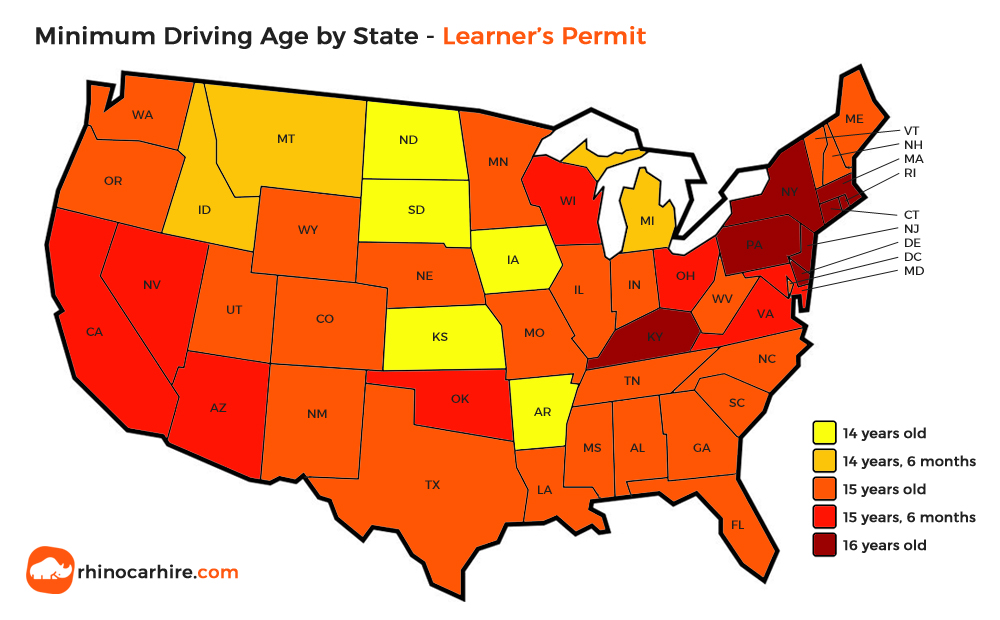
Stage 1: Learner’s Permit (Also Known as an Instructional Permit)
The journey to driving independence in Florida begins at age 15. At this age, individuals are eligible to apply for a learner’s permit. To obtain this permit, aspiring drivers must meet several criteria. They need to have completed a Traffic Law and Substance Abuse Education (TLSAE) course, which is a mandatory requirement for all first-time driver license applicants in Florida, regardless of age. This course educates individuals on traffic laws, safe driving practices, and the dangers of substance abuse.
Furthermore, applicants must pass a vision exam and a Class E knowledge exam. The knowledge exam covers road rules, traffic signals, and safe driving techniques, as outlined in the Florida Driver Handbook. Once these requirements are met, and proof of identity, residency, and Social Security number are provided, the learner’s permit can be issued.
With a learner’s permit, the permit holder can drive, but only when accompanied by a licensed driver who is at least 21 years old and occupies the front passenger seat. This supervised driving is a cornerstone of the GDL system, providing invaluable real-world experience under the guidance of a responsible adult. There are also restrictions on nighttime driving for permit holders. They cannot drive between 10 p.m. and 6 a.m. unless accompanied by a licensed driver 21 years of age or older in the front seat, or if the driving is for work or a school-sanctioned activity with a doctor’s note or employer letter.
Stage 2: Intermediate Driver’s License (Also Known as an An Enhanced Driver License)
The next step in the GDL process is the intermediate driver’s license, which can be obtained at age 16. To be eligible for this license, the applicant must have held their learner’s permit for at least 12 months, or until they turn 18, whichever comes first. They must also have completed at least 50 hours of supervised driving, with at least 10 of those hours occurring at night. This documented practice is crucial for building confidence and proficiency in various driving conditions.
In addition to the driving hour requirement, the applicant must not have incurred any traffic convictions or other moving violations during the learner’s permit phase. Passing a driving test, which assesses the applicant’s ability to safely operate a vehicle in real traffic conditions, is also a prerequisite.
The intermediate driver’s license allows the holder to drive independently but comes with certain restrictions aimed at further protecting young drivers. The primary restriction involves passenger limits. Holders of an intermediate license cannot drive with more than one passenger under the age of 21 who is not a family member. Family members are generally defined as siblings, children, or stepchildren.
Nighttime driving restrictions also continue with the intermediate license, though they are slightly relaxed compared to the learner’s permit. Holders cannot drive between 11 p.m. and 5 a.m. unless they are driving to or from work, or a school-sanctioned activity, or are accompanied by a licensed driver 21 years of age or older. These restrictions are lifted once the driver reaches the age of 18 or has held the intermediate license for a specified period without violations.
Stage 3: Full Driver’s License
The final stage of Florida’s GDL program is the full, unrestricted driver’s license. This license can be obtained at age 18. By this age, drivers have typically progressed through the earlier stages, accumulating a significant amount of driving experience under various conditions.
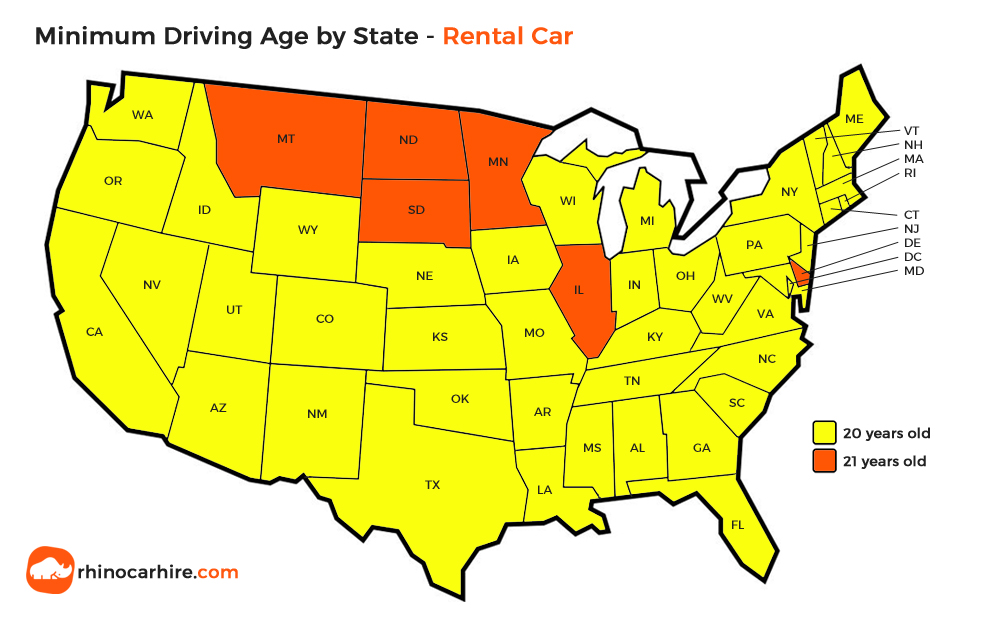
To be eligible for a full driver’s license, individuals must meet the age requirement of 18. If they have followed the GDL path, they will have already completed the requirements for the intermediate license. However, if an individual turns 18 before obtaining an intermediate license, they can apply for a full driver’s license directly, provided they meet the general requirements for a driver’s license, including passing the relevant exams and having a valid Social Security number and identification.
For those who have moved through the GDL system, the restrictions associated with the intermediate license are lifted upon reaching the age of 18. This means they can drive with any number of passengers and at any time of day without the previous limitations. However, regardless of age, all drivers are expected to adhere to Florida’s traffic laws and operate their vehicles safely and responsibly.
Special Considerations and Exceptions
While the GDL system outlines the standard pathway to obtaining a driver’s license in Florida, there are a few special considerations and exceptions that are worth noting. These may impact eligibility or the progression through the licensing stages.
Moving From Out of State
For individuals moving to Florida who already possess a driver’s license from another state, the process is generally simpler. If the applicant is under 18 and has a valid out-of-state driver’s license, they will need to surrender their previous license and apply for a Florida license. Depending on their age and the type of license they hold from their previous state, they may be required to meet some of Florida’s GDL requirements, such as passing the knowledge and driving tests, or fulfilling certain supervised driving hours. The Florida Department of Highway Safety and Motor Vehicles (FLHSMV) will evaluate their existing license and driving record to determine the specific requirements.
International Drivers
International drivers, including those from other countries or U.S. territories, may also need to navigate specific procedures. While they might have driving experience, they will still need to obtain a Florida driver’s license if they become residents. This typically involves proving their identity, residency, and legal presence in the United States. They will also need to pass the necessary vision, knowledge, and driving tests, unless their home country has a reciprocity agreement with Florida that waives certain testing requirements. It’s advisable for international drivers to consult the FLHSMV for detailed information pertaining to their situation.
Medical Conditions and Driving Privileges
For individuals with certain medical conditions, the ability to drive may be affected. The FLHSMV has provisions to evaluate medical fitness to drive. This might involve requiring a medical review or a physician’s certification to ensure that the condition does not impair their ability to operate a vehicle safely. In some cases, restrictions may be placed on a driver’s license, such as requiring corrective lenses or limiting driving to certain geographic areas or times.

The Importance of Safe Driving Practices
Regardless of the age at which one obtains a driver’s license in Florida, the overarching goal of the GDL system and driving regulations is to promote safe driving. The statistics consistently show that younger, less experienced drivers are at a higher risk of being involved in traffic crashes. The structured approach of the GDL system aims to mitigate this risk by providing a framework for developing safe driving habits and decision-making skills.
Parents and guardians play a vital role in the success of the GDL program. By actively participating in supervised driving practice, discussing safe driving strategies, and setting clear expectations, they can significantly influence the development of responsible young drivers. This includes emphasizing the importance of avoiding distractions like mobile phones, never driving under the influence of alcohol or drugs, and always adhering to speed limits and traffic laws.
For young drivers, understanding and respecting the restrictions imposed by the GDL system is not merely about compliance but about recognizing the inherent dangers of driving and prioritizing their own safety and the safety of others. As drivers gain experience, they will naturally transition to a full license, but the principles of defensive and responsible driving should remain a constant throughout their driving careers.
The ability to drive is a significant milestone, granting independence and opening up new opportunities. In Florida, the path to this freedom is carefully managed through the graduated driver licensing system, ensuring that new drivers are well-prepared and confident behind the wheel. By adhering to the age requirements, completing the necessary training and testing, and embracing safe driving practices, young Floridians can embark on their driving journeys with a strong foundation for a lifetime of safe travels.
LifeOutOfTheBox is a participant in the Amazon Services LLC Associates Program, an affiliate advertising program designed to provide a means for sites to earn advertising fees by advertising and linking to Amazon.com. Amazon, the Amazon logo, AmazonSupply, and the AmazonSupply logo are trademarks of Amazon.com, Inc. or its affiliates. As an Amazon Associate we earn affiliate commissions from qualifying purchases.