
Understanding the time zone of a destination is a fundamental piece of planning for any traveler, and for a vibrant city like Miami, Florida, it’s no different. This coastal metropolis, renowned for its stunning beaches, dynamic arts scene, and pulsating nightlife, operates within a specific temporal framework that impacts everything from flight schedules to dining reservations. Knowing this seemingly simple detail can enhance your travel experience, ensuring you’re always on time for your adventures and fully immersed in the rhythm of this energetic city.
Navigating Eastern Standard Time in Miami
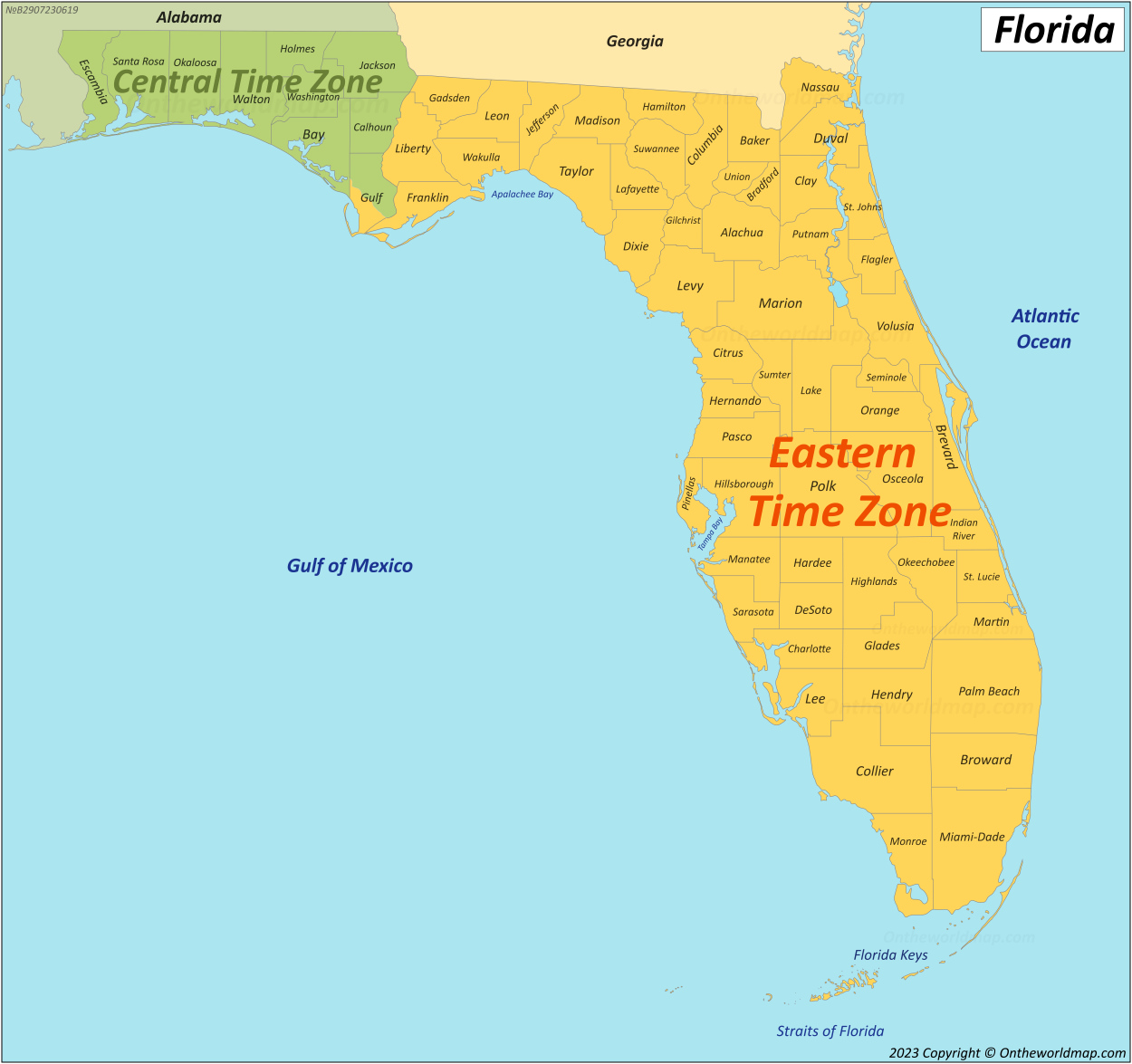
Miami, Florida is situated within the Eastern Time Zone (ET) of the United States. This is a crucial piece of information for anyone coordinating travel, whether it’s booking flights into Miami International Airport or scheduling meetings with local businesses. The Eastern Time Zone is one of the primary time zones in North America, encompassing a large swathe of the eastern part of the continent.
Understanding Eastern Standard Time (EST) and Eastern Daylight Time (EDT)
The Eastern Time Zone observes daylight saving time. This means that the clocks are advanced by one hour during the warmer months.
- Eastern Standard Time (EST): This is the standard time observed from the first Sunday in November until the second Sunday in March. During EST, the time in Miami is UTC-5 (Coordinated Universal Time minus five hours).
- Eastern Daylight Time (EDT): This is the daylight saving time observed from the second Sunday in March until the first Sunday in November. During EDT, the time in Miami is UTC-4 (Coordinated Universal Time minus four hours).
The transition between EST and EDT is a predictable annual event, typically occurring on specific Sundays in March and November. Travelers should be aware of these dates to avoid any confusion when their arrival or departure times are being calculated. For instance, if you are traveling from a country that does not observe daylight saving time, or observes it on different dates, it’s essential to double-check the local time in Miami upon arrival.
Why This Matters for Your Miami Itinerary
The time zone of Miami, Florida has practical implications for a multitude of travel-related activities:
- Flight Schedules: Airlines operate on local time for departures and arrivals. Knowing the current time in Miami is vital for coordinating airport pickups or planning onward journeys. For example, if you’re flying from Los Angeles (which is in the Pacific Time Zone), you’ll need to account for the three-hour difference when calculating your arrival time.
- Booking Accommodation: While most hotels will automatically adjust check-in and check-out times to local Miami time, it’s always good practice to confirm. If you’re booking a resort or a boutique hotel, understanding the time zone ensures you’re not miscalculating the time for early morning excursions or late-night arrivals.
- Planning Activities and Tours: Miami offers a plethora of activities, from sunrise yoga on South Beach to evening performances at the Adrienne Arsht Center for the Performing Arts. Tours, dinner reservations, and event timings are all based on the local Eastern Time Zone. Misunderstanding this can lead to missed opportunities or a rushed experience. For example, a sunset cruise departing at 7:00 PM will be based on Miami time, not your originating time zone.
- Business and Communications: If your visit to Miami is for business, understanding the time zone is paramount for coordinating with local partners, attending meetings, and adhering to business hours, which generally align with the Eastern Time Zone’s standard operating times.
The Impact of Time Zones on Travel Coordination
The interconnectedness of global travel means that understanding time zones is more than just a minor detail; it’s a cornerstone of efficient planning. For a city like Miami, which attracts international visitors, this is particularly relevant.
International Travel Considerations
When traveling to Miami, Florida from abroad, the time difference can be significant. For instance, a traveler from London, [United Kingdom], observing Greenwich Mean Time (GMT), will need to adjust for the difference between GMT and EST/EDT. This difference is typically 5 hours during EST and 4 hours during EDT. This temporal shift is the primary reason for jet lag, a common phenomenon experienced by travelers crossing multiple time zones.
Domestic Travel from Other US Time Zones
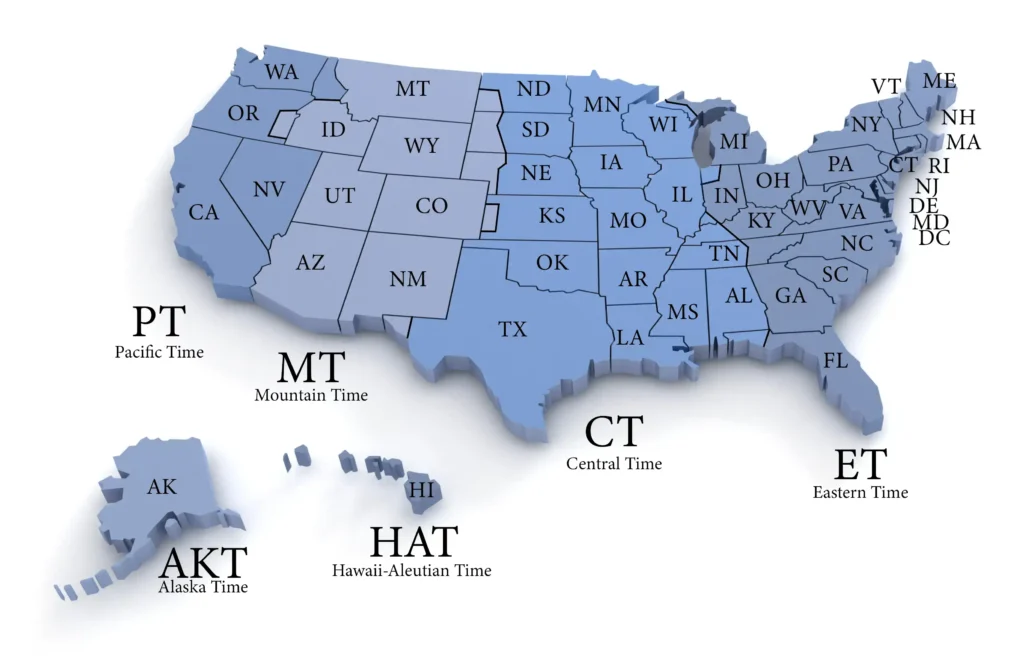
Even within the United States, the time zone difference requires attention. Visitors from the Central Time Zone (e.g., Chicago) will find a 1-hour difference. Those from the Mountain Time Zone (e.g., Denver) will experience a 2-hour difference, and travelers from the Pacific Time Zone (e.g., Los Angeles) will notice a 3-hour difference. These differences are crucial for setting alarm clocks, planning early morning golf tee times at a Miami golf course, or ensuring you don’t miss a scheduled reservation at a popular Miami restaurant.
Adjusting to Miami’s Temporal Rhythm
Upon arrival in Miami, it’s advisable to immediately set your watch and devices to the local time. This helps in adjusting to the new rhythm of the day, which is particularly important for combating jet lag and fully embracing the Miami experience. Many travelers find it beneficial to expose themselves to natural daylight upon arrival, eat meals at local times, and gradually shift their sleep schedule. This proactive approach can significantly reduce the disorientation associated with time zone changes.
Practical Tips for Travelers
To ensure a seamless travel experience in Miami, Florida, incorporating an awareness of its time zone into your planning is key. Here are some practical tips to help you stay on track:
Leveraging Technology for Time Zone Awareness
In today’s digital age, managing time zone differences has become considerably easier.
- Smartphone and Smartwatches: Most modern smartphones and smartwatches automatically update to the local time zone when you connect to cellular networks or Wi-Fi. However, it’s always wise to verify this upon arrival. Many devices also offer a “dual clock” feature, allowing you to display both your home time and the local time, which can be helpful for staying connected with family or colleagues back home.
- Online Tools and Apps: Numerous websites and mobile applications are available that can instantly convert times between different zones. These can be invaluable when trying to schedule calls or coordinate with individuals in other parts of the world.
Planning Around Local Miami Events and Activities
Miami is a city that thrives on its vibrant event calendar. Understanding the local time zone is essential for making the most of these opportunities.
- Daylight Hours: Miami enjoys ample daylight, particularly during the spring and summer months. Knowing the sunset times is crucial for planning outdoor activities like beach visits, exploring Everglades National Park, or enjoying a leisurely stroll through the colorful streets of Wynwood.
- Nightlife and Entertainment: Miami is famed for its energetic nightlife. Club openings, live music performances, and late-night dining experiences are all scheduled according to Eastern Time Zone hours. Ensure your plans align with these local times to experience the full spectrum of Miami’s evening allure.

Staying Connected with Home
While you’re immersing yourself in the Miami experience, it’s natural to want to stay in touch with loved ones.
- Optimal Communication Times: Be mindful of the time difference when scheduling calls or video chats with people in different time zones. A call to California from Miami might be too early or too late for the recipient, depending on the specific hours. Consider using the dual clock feature on your devices to gauge the best times for communication.
- Business Communication: For business travelers, adhering to the standard working hours of the Eastern Time Zone is generally expected when communicating with Miami-based colleagues or clients.
By paying close attention to Miami, Florida’s time zone, travelers can significantly enhance their trip, ensuring a smoother, more enjoyable, and less stressful journey from the moment they begin planning to the time they depart. This foundational knowledge unlocks a more organized and fulfilling exploration of this captivating destination.
LifeOutOfTheBox is a participant in the Amazon Services LLC Associates Program, an affiliate advertising program designed to provide a means for sites to earn advertising fees by advertising and linking to Amazon.com. Amazon, the Amazon logo, AmazonSupply, and the AmazonSupply logo are trademarks of Amazon.com, Inc. or its affiliates. As an Amazon Associate we earn affiliate commissions from qualifying purchases.