
Understanding the legal landscape of youth employment in California is crucial for families, students, and employers alike. Whether you’re a young individual eager to earn your first paycheck, a parent guiding your child towards their first job, or an employer looking to hire minors, navigating California’s robust child labor laws is an essential aspect of responsible living and business operation. This comprehensive guide delves into the specifics, offering insights that illuminate the balance between promoting work experience and safeguarding the well-being and educational future of young people in the Golden State, truly embodying a significant element of lifestyle planning for many families.
Understanding California’s Child Labor Laws
California has some of the most protective child labor laws in the United States, designed to ensure that minors can gain valuable work experience without compromising their education, health, or safety. These regulations are a cornerstone of the state’s commitment to nurturing its youth, making it imperative for anyone involved to be well-informed.
Federal vs. State Regulations: A Dual Framework
When it comes to child labor, both federal and state laws apply, creating a dual framework. The federal baseline is set by the Fair Labor Standards Act (FLSA), which establishes minimum wage, overtime pay, recordkeeping, and child labor standards affecting full-time and part-time workers in the private and public sectors. However, California’s laws, primarily outlined in the California Labor Code and the Education Code, are generally more stringent than the FLSA. In cases where state and federal laws differ, the law providing the greater protection for the minor always takes precedence. This means that employers and young workers in California must adhere to the stricter state requirements, which often involve more restrictive rules regarding working hours, types of occupations, and the need for work permits.
The Purpose Behind Child Labor Laws
The primary objective of child labor laws is multifaceted: to protect minors from exploitation, ensure their access to education, prevent them from working in hazardous environments, and safeguard their physical and mental development. The state recognizes that a minor’s priority should be their education and personal growth, and work should complement, not detract from, these fundamental rights. These laws are a testament to society’s commitment to protecting its youngest members and fostering their development into responsible, educated adults, a vital component of a healthy societal lifestyle.
Who is Considered a “Minor” for Employment?
In the context of California employment law, a “minor” is generally defined as any individual under the age of 18. The specific rules and restrictions often vary depending on the minor’s age group. For instance, regulations for 14- and 15-year-olds are typically more restrictive than those for 16- and 17-year-olds. Certain exceptions apply for emancipated minors or those who have graduated high school, who are generally treated as adults for employment purposes. Understanding these age classifications is the first step in comprehending the nuances of child labor laws.
Minimum Age Requirements and Exceptions
While 14 is the general minimum age for most types of employment in California, there are specific provisions for younger children and particular industries. These exceptions are carefully regulated to ensure the safety and well-being of all young workers.
The 14-Year-Old Threshold: General Rule
For the vast majority of non-agricultural jobs in California, a minor must be at least 14 years old to be employed. At this age, minors are generally permitted to work in various occupations, typically in retail, food service, and office work. However, their working hours are strictly limited, especially on school days, to prevent interference with their education. This threshold represents a widely accepted age at which young individuals are considered capable of handling basic work responsibilities while still attending school.
Exceptions for Younger Children: Entertainment and Family Businesses
California’s vibrant entertainment industry provides a notable exception to the 14-year-old minimum. Children of any age, including infants, can work as performers in film, television, radio, theater, and modeling. However, this is one of the most heavily regulated sectors, with stringent rules concerning hours, education, supervision, and earnings. A licensed California Studio Teacher must be present to ensure the child’s education continues and their welfare is protected. Additionally, children working directly for a parent in a parent-owned and operated business, where the parent is the sole proprietor, may also be exempt from certain age and permit requirements, provided the work is not hazardous and does not interfere with schooling.
Special Cases: Agricultural Work and Newspaper Delivery
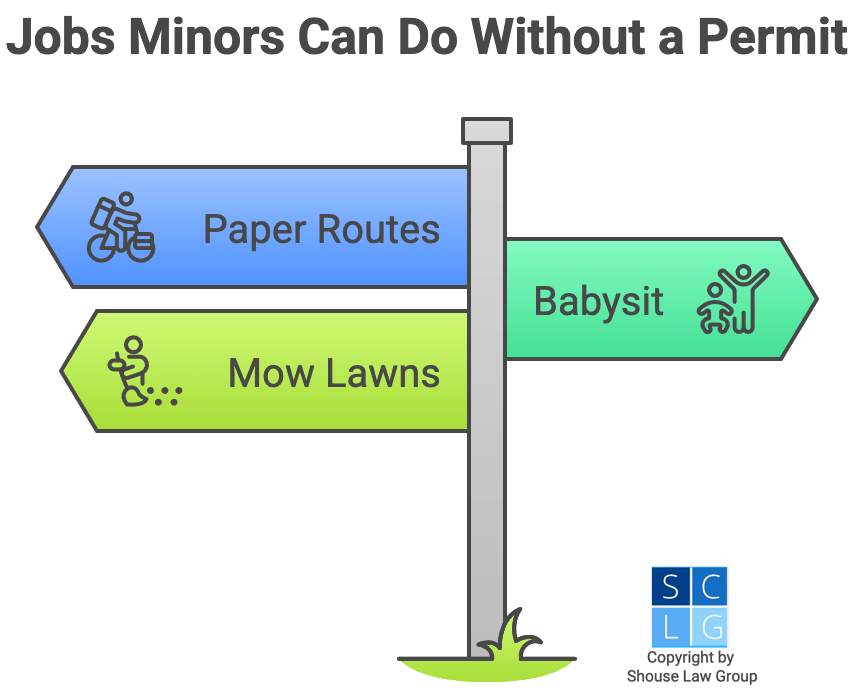
Certain industries have unique provisions for minor employment. In agricultural work, for instance, minors aged 12 and 13 may be employed outside of school hours with parental consent on farms owned or operated by their parents. For those 14 and older, general child labor laws apply, though specific hazardous occupation rules still restrict certain tasks. Newspaper delivery is another area where younger minors, often as young as 11, can be employed, typically in roles like route carriers. These exceptions are often rooted in historical practices and specific industry needs, but they are always balanced with regulations designed to protect the minors involved.
Work Permits, Hours, and Restrictions for Minors
For most minors wishing to work in California, securing a work permit is a mandatory step. This permit, alongside strict regulations on working hours and job types, forms the backbone of youth employment protection.
The Imperative of a Work Permit
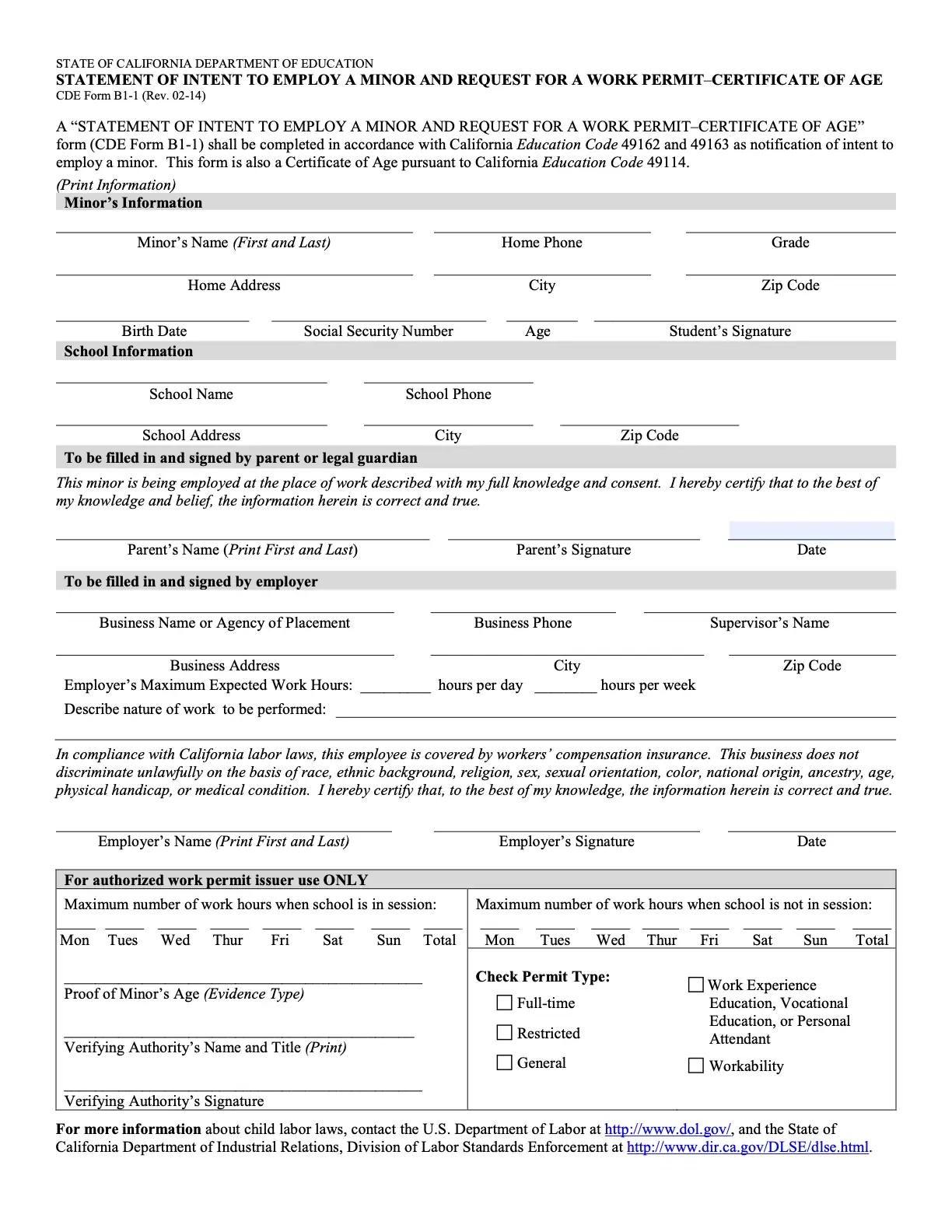
Any minor under the age of 18 who is not a high school graduate or has not been legally emancipated must obtain a work permit to be employed in California. This permit, officially known as a “Permit to Employ and Work,” is typically issued by the minor’s school district. The process usually involves the minor, their parent or guardian, and the prospective employer completing an application. The school verifies the minor’s academic standing and attendance before issuing the permit, ensuring that work does not jeopardize their education. Employers are legally obligated to keep a valid work permit on file for each minor they employ, and these permits must be renewed annually or whenever a minor changes employers. Compliance is overseen by the Division of Labor Standards Enforcement (DLSE).
Navigating Working Hours: School Days vs. Non-School Days
California law sets clear limits on the number of hours minors can work, distinguishing between school days and non-school days, and varying by age group.
- 14 and 15-year-olds: Can work a maximum of 3 hours on school days (outside of school hours) and up to 8 hours on non-school days (Saturdays, Sundays, and holidays). During school breaks (like summer vacation), they can work up to 8 hours per day, but no more than 40 hours per week.
- 16 and 17-year-olds: Can work a maximum of 4 hours on school days (outside of school hours) and up to 8 hours on non-school days. During school breaks, they can work up to 8 hours per day, but no more than 48 hours per week.
Additionally, minors cannot work before 5:00 AM or after 10:00 PM on any day preceding a school day. On non-school days or during school breaks, they generally cannot work after 12:30 AM. These restrictions are meticulously enforced to protect minors from excessive fatigue and ensure they have adequate rest and time for their studies.

Hazardous Occupations: What Minors Cannot Do
To protect minors from dangerous work environments, California law prohibits them from working in certain hazardous occupations, regardless of their age. These prohibitions align with federal guidelines and include jobs involving:
- Operating power-driven machinery (e.g., meat slicers, woodworking machines).
- Working with explosives or radioactive materials.
- Mining.
- Occupations in manufacturing or storing chemicals.
- Specific roles in roofing, excavation, or demolition.
- Driving motor vehicles as part of employment (except for certain agricultural operations).
- Any job involving exposure to hazardous substances or conditions that pose a risk to their health and safety.
These restrictions are critical in preventing injuries and ensuring a safe introduction to the workforce for young individuals.
Breaks and Meals: Ensuring Fair Treatment
Like adult workers, minors in California are entitled to breaks and meal periods. Employers must provide a 30-minute unpaid meal period if a minor works more than five hours in a workday. Additionally, a paid 10-minute rest period is generally required for every four hours worked, or major fraction thereof. These provisions are designed to ensure minors have adequate time to rest and refresh during their shifts, contributing to their overall well-being and productivity.
Industries and Occupations: Where Minors Can Work
Despite the numerous restrictions, many opportunities exist for minors to gain valuable work experience across various sectors in California, offering diverse pathways for career exploration and skill development.
Common Entry-Level Roles for Teens
For teenagers aged 14 and older, entry-level positions in sectors such as retail, food service, and recreation are common. These roles often include working as cashiers, stock clerks, waiters, busboys, concession stand workers, or even lifeguards (with proper certification). Office and clerical work, library assistance, and car washing are also popular options. These jobs provide a structured environment for young people to learn about responsibility, customer service, teamwork, and financial management – essential life skills that contribute to a well-rounded lifestyle.
Opportunities in Retail and Food Service
The retail and food service industries are significant employers of young workers. From fast-food chains to local boutiques, these sectors offer flexible hours that can often accommodate school schedules. Minors learn inventory management, sales techniques, food preparation, and hygiene standards. While there are restrictions on using certain equipment (e.g., deep fryers for younger teens), many roles are well-suited for first-time job seekers looking to gain practical experience and a sense of independence.
The Entertainment Industry: A Unique Landscape
As mentioned, California’s entertainment industry, particularly centered in Hollywood and its surrounding areas, offers unique opportunities for minors of all ages. However, employment here is governed by the strictest rules. Beyond work permits and studio teachers, regulations require a percentage of a minor’s earnings to be set aside in a Coogan Account (a blocked trust fund) to protect their future finances. Specific rules also dictate on-set supervision, tutoring requirements, and limits on consecutive workdays and hours, ensuring the child’s welfare and education remain paramount amidst the demands of showbiz.
Internships and Vocational Training
For older minors, particularly those aged 16 and 17, internships and vocational training programs offer pathways into more specialized fields. These opportunities, often coordinated through high schools or community colleges, allow students to gain hands-on experience in areas like healthcare, technology, automotive repair, or skilled trades. While typically structured to comply with child labor laws, these programs are invaluable for career exploration and developing specific skill sets that can shape a minor’s future lifestyle and professional trajectory.
Balancing Work with Education and Well-being
Ultimately, the goal of California’s child labor laws is to facilitate positive work experiences without jeopardizing a minor’s academic success, health, or overall development. Achieving this balance requires diligence from all parties involved.
Prioritizing Academic Success
At the core of all child labor regulations is the unwavering commitment to a minor’s education. Work permits are often contingent on maintaining satisfactory academic performance and attendance. Schools, parents, and employers share the responsibility of ensuring that work schedules do not negatively impact a student’s studies. Limiting working hours on school nights and during the school year is a direct measure to support this priority, enabling young people to thrive both in the classroom and in their initial professional endeavors.
Health and Safety: Employer Responsibilities
Employers of minors in California bear a significant responsibility for providing a safe and healthy work environment. This includes adhering to all occupational safety and health standards, providing proper training, and ensuring minors are not assigned to hazardous tasks. Regular supervision, clear communication regarding safety protocols, and a commitment to employee well-being are crucial. Protecting young workers from physical harm and undue stress is not just a legal requirement but a moral imperative, foundational to their future lifestyle choices.
The Value of Early Work Experience
While protections are paramount, the immense value of early work experience cannot be overstated. Working instills a sense of responsibility, teaches time management, fosters financial literacy, and develops critical social skills. It allows young individuals to explore career interests, build professional networks, and gain a deeper understanding of the world beyond academia. For many, a first job is a pivotal step towards independence and self-sufficiency, shaping their adult lifestyle and career path. The legal framework in California aims to provide a safe and supportive environment for minors to reap these benefits.
Resources for Young Workers and Employers
Navigating the complexities of child labor laws can be challenging. Fortunately, numerous resources are available. The California Department of Industrial Relations (DIR) and its Division of Labor Standards Enforcement (DLSE) provide extensive information, FAQs, and contact points for questions regarding child labor laws, work permits, and enforcement. The Employment Development Department (EDD) also offers guidance on employment regulations. Schools and career centers are invaluable local resources for minors seeking work permits and general advice on youth employment. Utilizing these resources ensures compliance and fosters a positive working experience for everyone involved.
In conclusion, California’s child labor laws are comprehensive and designed with the minor’s best interest at heart. While the general working age is 14, specific exceptions and stringent regulations ensure that young people can gain valuable work experience safely, without sacrificing their education or well-being. By understanding and adhering to these laws, individuals and businesses can contribute to a positive and enriching entry into the workforce for the state’s youth, thereby shaping a responsible and informed lifestyle for future generations.
LifeOutOfTheBox is a participant in the Amazon Services LLC Associates Program, an affiliate advertising program designed to provide a means for sites to earn advertising fees by advertising and linking to Amazon.com. Amazon, the Amazon logo, AmazonSupply, and the AmazonSupply logo are trademarks of Amazon.com, Inc. or its affiliates. As an Amazon Associate we earn affiliate commissions from qualifying purchases.