
For many contemplating their retirement years or a long-term relocation, the financial landscape of a prospective home state plays a pivotal role in shaping their lifestyle choices. Among the various considerations, property taxes often stand out as a significant ongoing expense. In the state of Alabama, the notion of “stopping” property taxes is a common misconception; however, significant exemptions and relief programs are indeed available, particularly for seniors, which can drastically reduce or even eliminate the state portion of these taxes. Understanding these provisions is crucial for anyone planning to embrace the Southern charm and relaxed pace of life that Alabama offers.

Understanding Property Tax Relief for Seniors in Alabama
Alabama is known for its relatively low property taxes compared to many other states, a factor that already contributes to its appeal for retirees and those seeking a more affordable cost of living. However, for residents who reach a certain age, these taxes can become even more manageable due to state-mandated and local exemptions. The key takeaway is that you don’t typically “stop paying” property taxes entirely in Alabama in the conventional sense, but rather, you become eligible for exemptions that can reduce your taxable assessment to zero for certain portions of your property tax bill.
The most significant relief comes into play when a property owner reaches the age of 65. At this juncture, seniors become eligible for enhanced homestead exemptions that can significantly mitigate their property tax burden. These exemptions are a cornerstone of financial planning for older adults in the state, directly influencing their ability to maintain their desired lifestyle without undue financial strain from housing costs.
The Homestead Exemption: A Cornerstone for Senior Living
The Alabama Homestead Exemption is the primary mechanism for property tax relief, and it has special provisions for seniors. All owner-occupants are entitled to a basic homestead exemption, which reduces the assessed value of their primary residence. However, for residents aged 65 and older, this exemption expands considerably.
Specifically, under Alabama law (Section 40-9-19 and 40-9-21 of the Code of Alabama), individuals who are 65 years of age or older, and who meet specific income limitations, can be exempt from all state property taxes. Furthermore, they may also be exempt from a portion, or even all, of their county and local school taxes. This isn’t an automatic cessation of taxes but rather an exemption that, if qualified, effectively zeroes out parts of the tax bill.
Here’s a breakdown of the key provisions for seniors aged 65 and older:
- State Property Tax Exemption: If your adjusted gross income (AGI) as shown on your most recent federal income tax return is $12,000 or less, you are entirely exempt from the state portion of your property taxes. This is a significant benefit, as the state property tax, while low, is a consistent levy.
- County and School Tax Exemption: Many counties and some municipalities in Alabama also offer additional exemptions for seniors. While the state income threshold of $12,000 is common for state tax relief, local jurisdictions often have their own specific income limits or property value caps for their portions of the tax. It is imperative to check with the specific county or city tax assessor’s office for the exact criteria applicable to your property. For example, a resident in Birmingham, Montgomery, or Mobile would need to consult their respective county tax assessor (e.g., Jefferson County for Birmingham, Montgomery County for Montgomery, etc.) to understand the full scope of local exemptions.
Beyond Age 65: Additional Exemptions and Considerations
While age 65 is the primary trigger for enhanced homestead exemptions, Alabama also provides other forms of property tax relief that can benefit seniors, especially those with specific circumstances.
- Disability Exemptions: Property owners who are permanently and totally disabled, regardless of age, may also qualify for significant property tax exemptions. These often mirror the benefits provided to seniors and can be a crucial support for maintaining independence and a quality lifestyle.
- Blindness Exemptions: Similar to disability exemptions, individuals who are legally blind can also be eligible for specific property tax relief, further reinforcing Alabama’s commitment to supporting its vulnerable populations.
- Local Variations: It cannot be stressed enough that while state law provides a baseline, local government entities have the autonomy to offer additional or more generous exemptions. For instance, a resident of Baldwin County might find different municipal exemptions than someone residing in Huntsville. These local programs are designed to address the specific needs and demographics of their communities, and proactive inquiry is essential for maximizing benefits.
Eligibility and Application Process for Alabama’s Senior Exemptions
Accessing these valuable property tax exemptions requires meeting specific criteria and diligently completing the application process. Understanding these steps is vital for a seamless transition into a financially optimized retirement lifestyle in Alabama.
Who is Eligible?
To qualify for the enhanced senior homestead exemption:
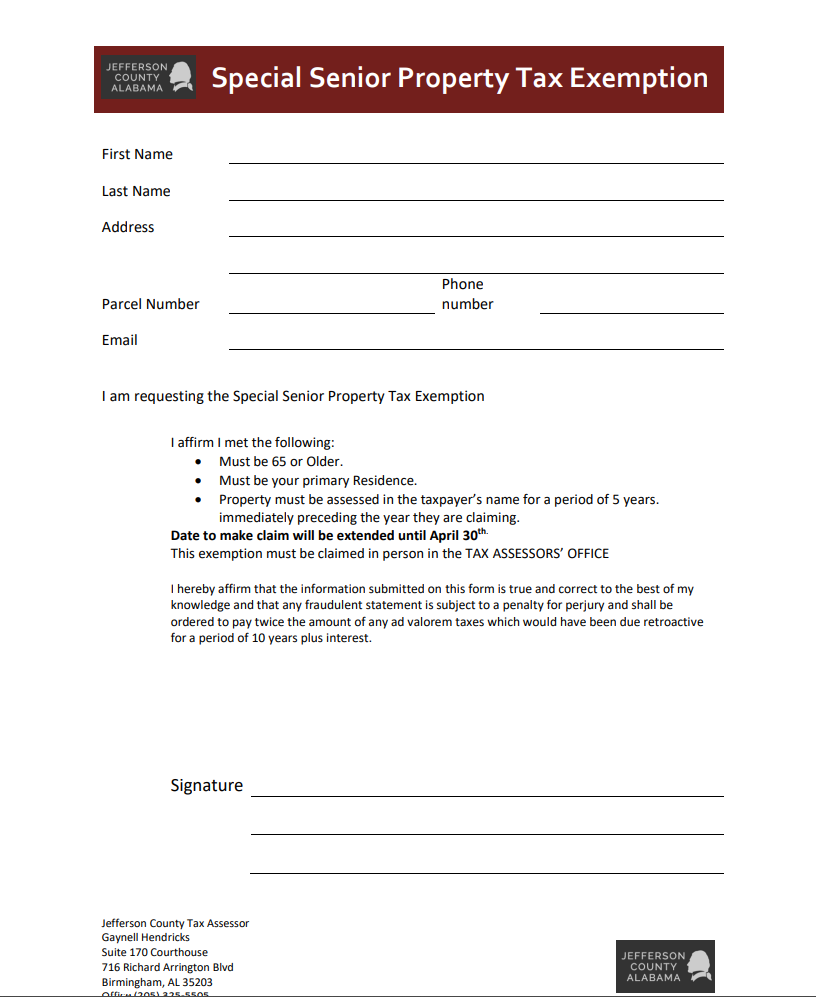
- Age: You must be 65 years of age or older by October 1 of the tax year for which you are applying.
- Ownership and Residency: The property must be your primary residence and you must own it. This means it must be the dwelling where you permanently reside, not a second home, rental property, or investment property.
- Income Limit (for full state exemption): For the full state property tax exemption, your adjusted gross income (AGI) as reported on your most recent federal income tax return must be $12,000 or less. If your income exceeds this, you may still qualify for the basic homestead exemption, and potentially for partial local exemptions.
Required Documentation and Application Steps
The application process typically involves a few straightforward steps:
- Visit Your County Tax Assessor’s Office: This is the starting point for all property tax exemption applications. Each county in Alabama handles its own property assessments and exemptions.
- Proof of Age: You will need to provide documentation proving your age, such as a driver’s license, birth certificate, or passport.
- Proof of Income: To qualify for the income-based state exemption, you will need a copy of your most recent federal income tax return (Form 1040) to demonstrate your AGI.
- Proof of Ownership and Residency: Deeds, utility bills, and other documents may be requested to confirm ownership and that the property is your primary residence.
- Complete the Homestead Exemption Form: The tax assessor’s office will provide the necessary forms. It’s crucial to fill these out accurately and completely.
- Deadlines and Renewal: Generally, homestead exemptions must be filed by December 31 for the upcoming tax year. While the initial application requires documentation, many counties offer automatic renewal for subsequent years unless there are changes in ownership, residency, or income that would affect eligibility. However, it’s always best practice to confirm renewal procedures with your local tax assessor.
The Financial Impact: Enhancing Retirement Lifestyle in Alabama
The availability of significant property tax exemptions for seniors profoundly impacts the financial viability and overall appeal of retiring or living long-term in Alabama. These savings translate directly into a higher disposable income, enabling a more comfortable and enriched retirement lifestyle.
Consider the potential savings: while Alabama’s statewide property tax rate is among the lowest in the U.S. (generally around 0.42% effective rate), an exemption that removes the state portion, and potentially a significant chunk of county and school taxes, can save hundreds, if not thousands, of dollars annually. For retirees on a fixed income, these savings are invaluable, freeing up funds for healthcare, leisure activities, travel, or simply building a more secure financial future.
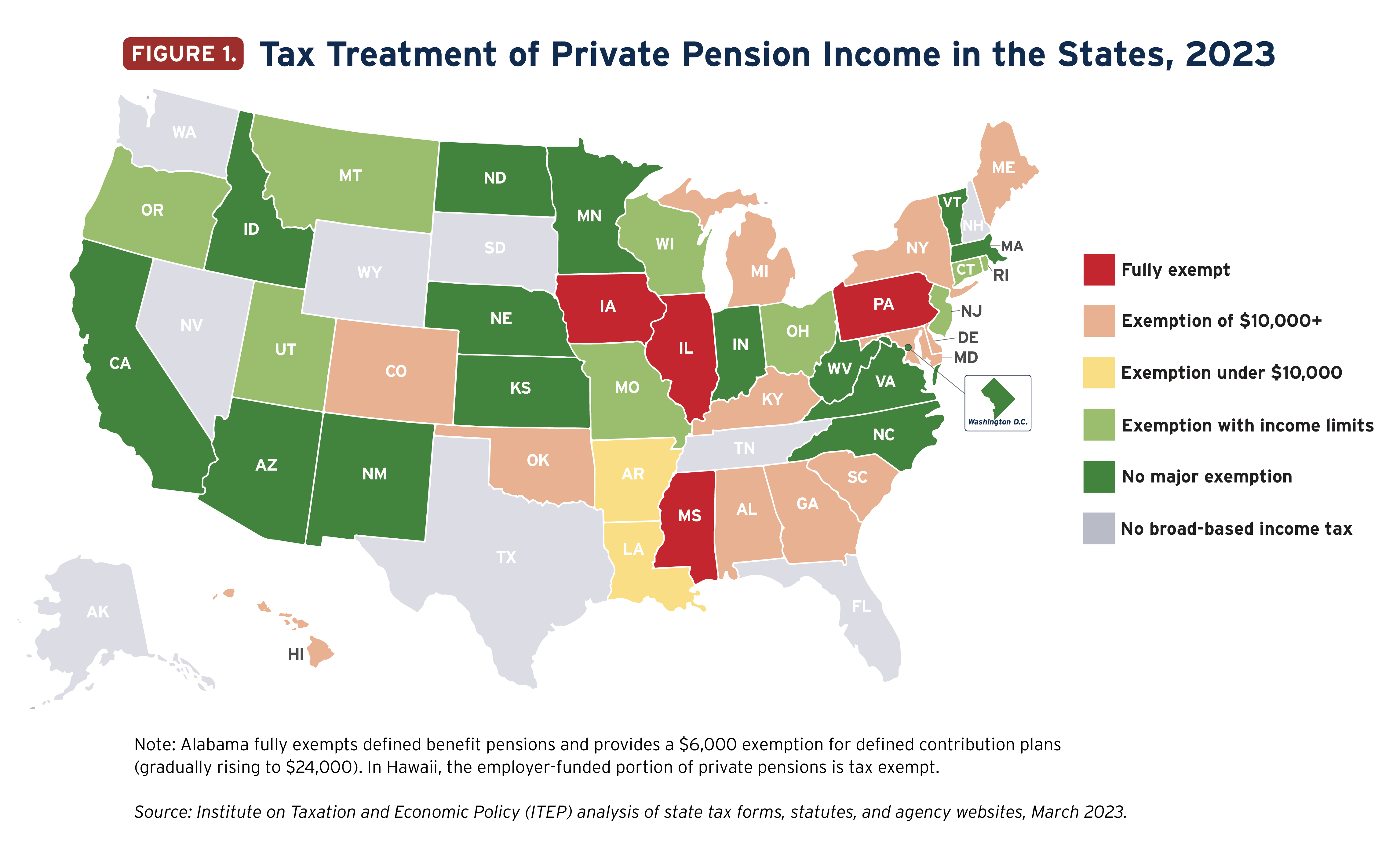
Beyond property tax relief, Alabama offers other attractive tax advantages for seniors. The state does not tax Social Security benefits, and withdrawals from most public and private pensions are also exempt from state income tax. This combination of low property taxes (or exemptions thereof) and favorable income tax policies makes Alabama a highly attractive destination for those prioritizing financial stability in their later years. This favorable tax environment allows retirees to truly enjoy their chosen lifestyle, whether it’s golfing on the Robert Trent Jones Golf Trail, exploring the rich history of cities like Montgomery, or relaxing on the Gulf Coast beaches in Baldwin County.
Navigating the Nuances: Tips for Prospective Residents
While the benefits are clear, navigating the specifics of property tax exemptions requires a diligent approach to ensure you maximize your entitlements.
- Consult a Professional: Before making major relocation decisions, consider consulting with a tax professional or financial advisor specializing in retirement planning. They can provide personalized advice based on your unique financial situation and help you understand the full implications of Alabama’s tax laws.
- Verify Local Information: Always, always confirm specific details with the local County Tax Assessor’s Office where you intend to reside. Tax laws and exemption specifics can have subtle differences between counties and municipalities. What applies in Jefferson County might be slightly different in Baldwin County or Madison County (home to Huntsville). A phone call or visit can clarify any ambiguities.
- Understand Tax Components: Remember that property tax bills are often composed of state, county, and local (e.g., school district, municipal) levies. While state exemptions for seniors with low income can be comprehensive for the state portion, local exemptions may have different criteria or cover different percentages of their respective taxes.
- Proactive Planning: Do not wait until your 65th birthday to start investigating these benefits. Understanding the requirements well in advance can help you plan your finances and residency more effectively, ensuring a smooth transition into a financially secure and enjoyable lifestyle in Alabama.
In essence, while residents in Alabama don’t precisely “stop paying” property taxes at a certain age, the robust homestead exemptions for seniors, particularly those 65 and older with specific income levels, offer substantial relief. This makes Alabama an even more attractive state for a fulfilling and financially sustainable retirement lifestyle.
LifeOutOfTheBox is a participant in the Amazon Services LLC Associates Program, an affiliate advertising program designed to provide a means for sites to earn advertising fees by advertising and linking to Amazon.com. Amazon, the Amazon logo, AmazonSupply, and the AmazonSupply logo are trademarks of Amazon.com, Inc. or its affiliates. As an Amazon Associate we earn affiliate commissions from qualifying purchases.