
The iconic ballad “Please Come To Boston” has resonated with listeners for decades, painting vivid pictures of contrasting cityscapes and heartfelt longing. For many, it’s more than just a song; it’s a lyrical journey that encapsulates a particular sentiment and connection to the historic capital of Massachusetts. Understanding who penned these memorable lines, and the inspiration behind them, offers tourists a deeper, more culturally enriched experience of Boston, allowing them to connect with its local soul beyond the famous landmarks. This song is a thread in the rich tapestry of Boston’s local culture, providing a unique lens through which to appreciate its character and charm.

The Enduring Ballad of Boston’s Heart
“Please Come To Boston” is a quintessential piece of Americana, a song that transcends its genre to become a cultural touchstone. Its popularity since its release in 1974 is a testament to its universal themes of love, longing, and the distinct identities of American cities. For visitors, delving into the story behind this song isn’t just a nostalgic trip; it’s an opportunity to engage with Boston’s cultural landscape on a more profound level. The melody and lyrics carry an emotional weight that captures the city’s intellectual, artistic, and historical aura, shaping perceptions and inviting introspection.
A Ballad’s Connection to City Identity
The song’s genius lies in its ability to personify cities, turning them into characters within a romantic narrative. Boston is depicted as a place of stability, history, and perhaps a quieter, more profound existence compared to the bustling energy of New York City or the dream-chasing allure of Los Angeles. This lyrical contrast highlights a common sentiment among those who appreciate Boston’s unique blend of old-world charm and modern sophistication. Tourists exploring Boston can find echoes of this narrative in its cobblestone streets, historic Beacon Hill homes, and the scholarly atmosphere around institutions like Harvard University and MIT. The song implicitly champions a specific kind of beauty and life that many visitors seek to experience firsthand.
The Song’s Place in Boston’s Soundtrack
While not strictly a local anthem, “Please Come To Boston” has become an honorary part of the city’s cultural soundtrack. It’s played in local cafes, on classic rock radio stations, and even referenced in conversations by those familiar with its charm. Understanding this cultural footprint allows tourists to tap into a shared emotional connection with the city. It prompts questions: What is it about Boston that inspires such heartfelt pleas? How do its cultural offerings compare to the more frenetic energy of other major metropolises? Engaging with the song’s themes enriches a visitor’s journey, transforming mere sightseeing into a quest for the spirit of a place that inspires such deep affection.
Unveiling the Songwriter: Dave Loggins‘ Personal Connection
The man behind the enduring classic is Dave Loggins, a talented American singer-songwriter. While some might mistakenly attribute it to his more famous cousin, Kenny Loggins, it was Dave Loggins who crafted the poetic lyrics and melancholic melody that captured the nation’s heart. His personal experiences and reflections are deeply woven into the fabric of the song, making it an authentic piece of local culture that speaks to the transient nature of life on the road and the yearning for a home.
The Creative Spark and Inspiration
Dave Loggins wrote “Please Come To Boston” during a period when he was touring extensively, experiencing the distinct vibes of various American cities. The song emerged from his own feelings of loneliness and a desire for connection while on the road. The three cities mentioned—Boston, Denver, and Los Angeles (though “Denver” is a common misconception, the actual lyric describes the “Colorado Rocky Mountain high” of a “town in Colorado”)—represent different chapters or stages in a relationship, with each city embodying a particular phase or characteristic of the protagonist’s life and aspirations. His choice of Boston as the initial plea reflects a longing for intellectual companionship and perhaps a more grounded, thoughtful existence, setting it apart from the more fleeting attractions of other locales. This background story enriches the song for tourists, framing it not just as a catchy tune, but as a genuine artistic expression born from real-life experiences and observations of American culture.
A Personal Journey Reflected in Lyrics
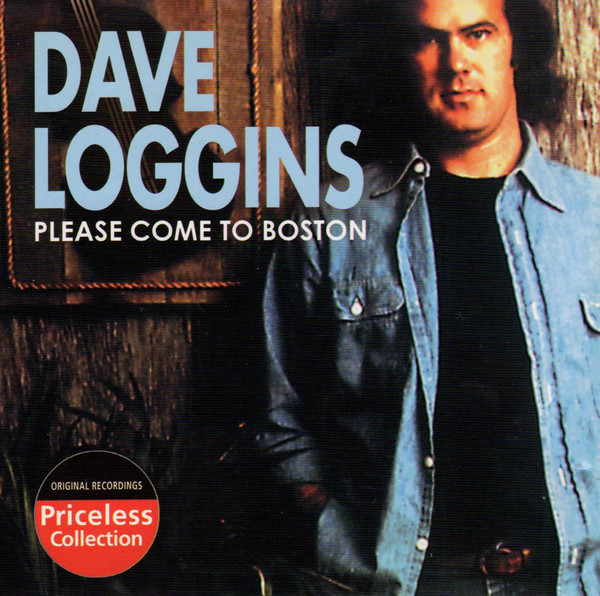
The narrative in “Please Come To Boston” is remarkably personal, reflecting Dave Loggins’ own internal dialogue about career, relationships, and the search for belonging. The lyrics speak of a woman he hopes will join him, and the repeated plea to “Please come to Boston” suggests a yearning for a shared life in a city that promises stability and depth. For visitors, this personal touch imbues the song with an authenticity that resonates deeply. It encourages contemplation on Boston’s historical role as a beacon for intellectual and artistic pursuits, a city where deep connections and profound experiences are sought after. This cultural context offers tourists a unique entry point into understanding the city’s enduring appeal as a place not just to visit, but to truly live and connect.
“Please Come To Boston”: A Tourist’s Cultural Compass
The song serves as an unexpected cultural compass for tourists, guiding them towards a deeper appreciation of Boston’s unique identity. It subtly encourages visitors to look beyond the surface and discover the city’s intellectual heartbeat, its historical gravitas, and its welcoming spirit. By understanding the longing expressed in the song, tourists can better appreciate the various facets of Boston that might inspire such devotion.
The Narrative of Longing and Connection
The core theme of “Please Come To Boston” is the desire for a significant other to join the protagonist in a preferred location, suggesting that the chosen city is more than just a backdrop; it’s an integral part of the ideal life. When a tourist hears the line, “I’m the number one fan of the man from Tennessee,” and then the subsequent plea for her to come to Boston, it underscores the city’s appeal as a place to settle, to create a home, and to build a life together. This narrative fosters a sense of intimacy with Boston, encouraging visitors to see it not just as a transient stop but as a potential destination for deeper personal connection. Exploring neighborhoods like the historic North End or the charming streets of Back Bay with this emotional context can transform a simple stroll into an experience of cultural immersion, where every corner seems to whisper tales of lives lived and dreams pursued.
How Music Shapes a City’s Welcome
Music, like “Please Come To Boston,” plays a powerful role in shaping a city’s cultural image and welcome. It creates an emotional landscape that visitors can inhabit. The song’s gentle, inviting tone aligns perfectly with Boston’s reputation as a city that, despite its rich history and academic rigor, maintains a warm, accessible vibe. For tourists seeking to understand the local culture, this song serves as a reminder that Boston is not just about monuments and museums, but also about the human stories and aspirations that have defined it for centuries. It’s a city that invites you to stay, explore, and become part of its ongoing narrative, much like the song invites its subject to “come to Boston.”
Immersing in Boston’s Musical and Literary Soul
For the culturally curious tourist, the story of “Please Come To Boston” provides a fantastic springboard for exploring the city’s broader musical and literary offerings. Boston has a vibrant arts scene, a rich literary history, and a strong tradition of live music, all of which contribute to its distinctive local culture.
Discovering Boston’s Live Music Scene
Inspired by the enduring appeal of “Please Come To Boston,” visitors can dive into the city’s diverse live music venues. From the legendary stages that have hosted folk legends to intimate jazz clubs and bustling rock venues, Boston offers a sound for every taste. Institutions like the Berklee College of Music contribute to a thriving ecosystem of emerging and established talent, ensuring that the city’s musical heartbeat is strong and dynamic. Catching a show at places like The Wilbur Theatre or the House of Blues can provide an authentic taste of Boston’s contemporary culture, much like Dave Loggins’ song captured a moment in time. Seeking out local artists, attending open mic nights, or simply enjoying street performers near Faneuil Hall can offer unique cultural encounters that deepen a tourist’s connection to the city.

Literary and Musical Walking Tours
To further connect with the spirit of “Please Come To Boston” and its cultural implications, consider embarking on specialized walking tours. Many tours highlight Boston’s literary heritage, visiting sites associated with famous authors like Louisa May Alcott or Ralph Waldo Emerson. While these might not directly mention Dave Loggins, they explore the same intellectual and creative currents that make Boston a city ripe for artistic inspiration. Similarly, some guided tours might focus on Boston’s musical history, from its colonial era hymns to its punk rock scene. Engaging with these narratives helps tourists understand how a single song, like “Please Come To Boston,” fits into the larger, evolving cultural story of the city, offering a richer, more nuanced experience of its local identity. It transforms a simple visit into an insightful exploration of Boston’s enduring artistic and cultural allure.
LifeOutOfTheBox is a participant in the Amazon Services LLC Associates Program, an affiliate advertising program designed to provide a means for sites to earn advertising fees by advertising and linking to Amazon.com. Amazon, the Amazon logo, AmazonSupply, and the AmazonSupply logo are trademarks of Amazon.com, Inc. or its affiliates. As an Amazon Associate we earn affiliate commissions from qualifying purchases.