
Hawaii, a pristine archipelago nestled in the heart of the Pacific, beckons millions with its volcanic landscapes, crystal-clear waters, and vibrant culture. For many, the dream of a Hawaiian escape begins with a fundamental question: “What airline flies to Hawaii?” The journey across the vast expanse of the ocean requires careful consideration of carriers, routes, and services to ensure a seamless and enjoyable transition to paradise. From major legacy airlines offering extensive networks to budget-friendly options and the state’s own renowned carrier, numerous airlines connect the mainland and international destinations to the various islands. Understanding these choices is the first step in planning your unforgettable Hawaiian adventure.
Navigating the Skies to Paradise: Major Carriers to Hawaii
The options for flying to Hawaii are abundant, catering to a wide range of preferences from luxury and comfort to affordability and convenience. Several key players dominate the routes to the Aloha State, each offering unique advantages.
Legacy Carriers: The Established Giants
The major U.S. legacy airlines provide extensive networks, offering flights to Hawaii from numerous hubs across the continental United States. These carriers are known for their comprehensive service, diverse cabin classes, and extensive loyalty programs.
- United Airlines: A long-standing provider of flights to Hawaii, United Airlines offers direct services from major hubs like San Francisco, Los Angeles, Denver, and Chicago. They serve all major Hawaiian airports, providing flexibility for travelers heading to Oahu, Maui, Kauai, or Hawaii Island. Their Polaris business class and Premium Plus offerings provide enhanced comfort for the long journey.
- Delta Air Lines: Renowned for its customer service and operational reliability, Delta Air Lines connects travelers to Hawaii primarily through its West Coast hubs, including Los Angeles and Seattle, but also offers flights from Atlanta and Minneapolis/St. Paul. Delta offers a range of seating options, from Basic Economy to Delta One, ensuring a fit for various budgets and comfort levels.
- American Airlines: With a strong presence in Dallas/Fort Worth and Phoenix, American Airlines provides extensive service to Hawaii. They also have a significant number of flights departing from Los Angeles. American’s offerings include Flagship Business and First Class for those seeking a premium experience.
Hawaiian Airlines: The Local Expert
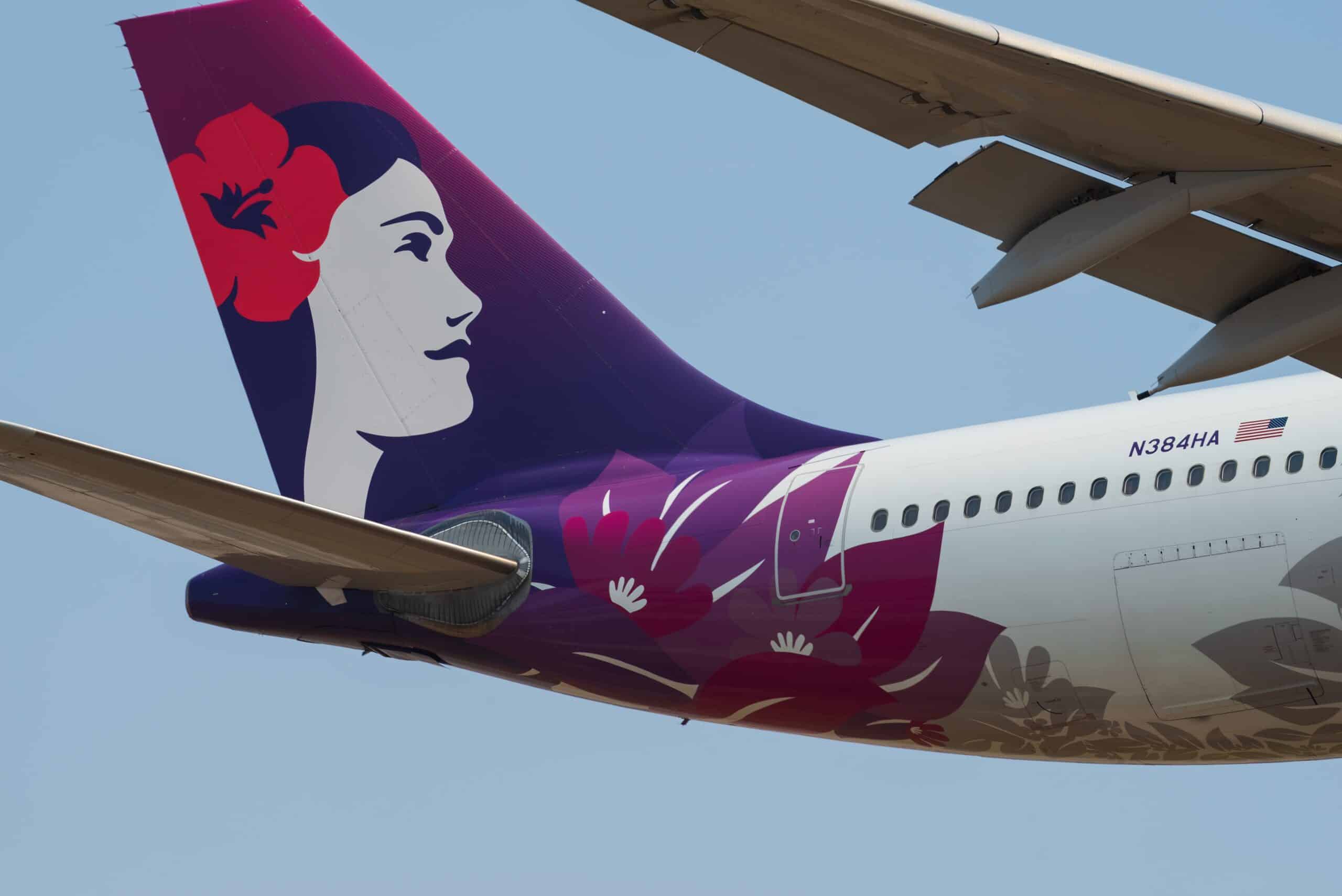
As the flagship carrier of Hawaii, Hawaiian Airlines offers a distinct travel experience steeped in island hospitality.
- Authentic Hawaiian Experience: Hawaiian Airlines prides itself on beginning your Hawaiian vacation the moment you step onboard. From the warm “Aloha” greeting to complimentary meals inspired by local flavors, in-flight entertainment featuring Hawaiian culture, and cabin aesthetics, the journey is designed to immerse you in the spirit of the islands.
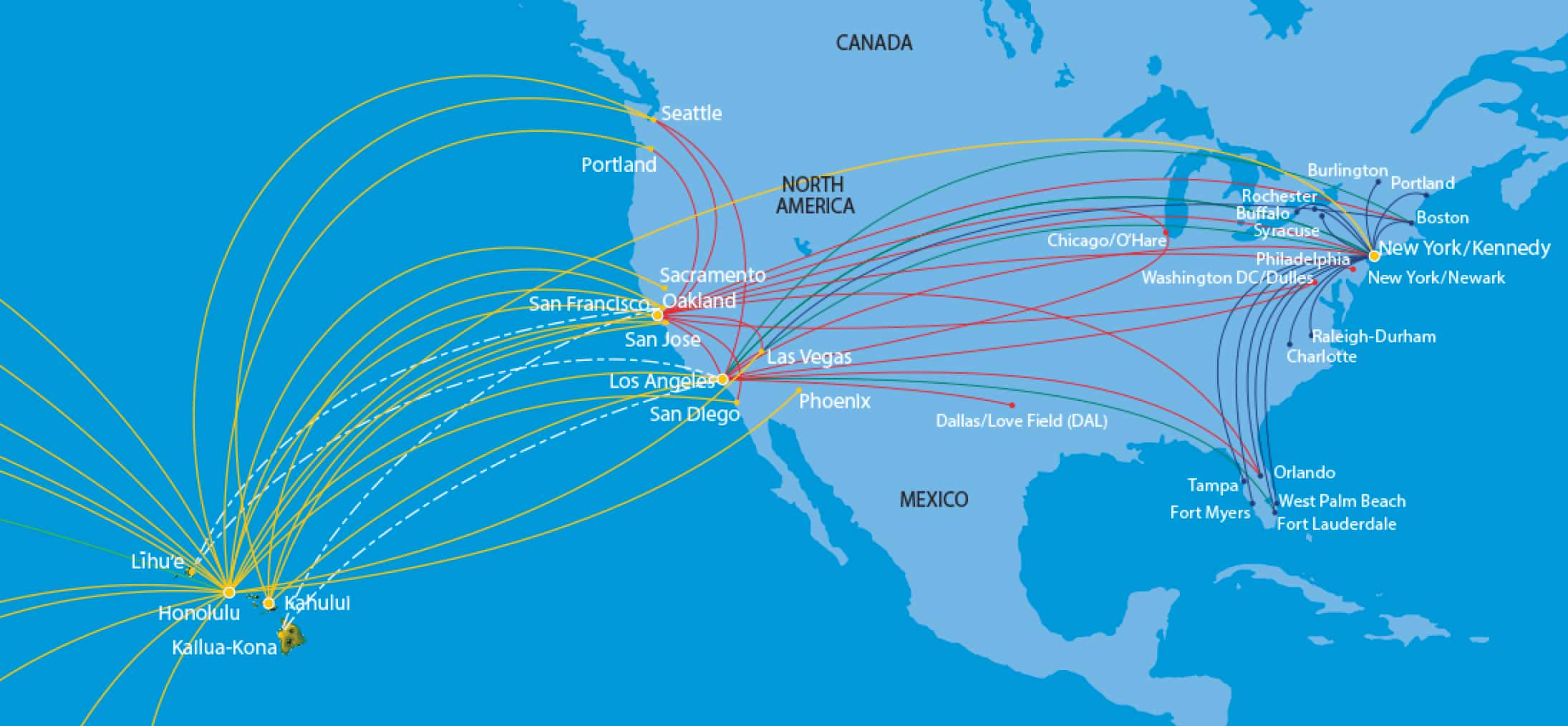
- Extensive Network: Hawaiian Airlines operates direct flights from numerous North American cities, including major gateways like Los Angeles, San Francisco, Seattle, Portland, Las Vegas, Phoenix, San Diego, Sacramento, and New York (JFK). They also offer the most comprehensive inter-island flight network, making multi-island hopping seamless.
Budget-Friendly and Expanding Options
In recent years, the market for flights to Hawaii has seen increased competition, particularly from low-cost carriers, making the islands more accessible to a broader range of travelers.
Low-Cost Carriers: Making Hawaii More Accessible
These airlines have revolutionized travel to Hawaii by offering competitive fares, often at the expense of some traditional amenities, allowing travelers to customize their experience and save money.
- Southwest Airlines: Since entering the Hawaiian market, Southwest Airlines has quickly become a popular choice. Known for its unique open-seating policy, friendly service, and, notably, two free checked bags (a significant perk for longer Hawaiian stays), Southwest offers flights from various California cities, including Oakland, San Jose, Sacramento, and San Diego, to multiple Hawaiian islands. Their growing inter-island service also makes them a strong contender for island hopping.
- Alaska Airlines: A major player on the West Coast, Alaska Airlines offers extensive service to Hawaii from its primary hubs in Seattle and Portland, as well as from several California airports. Alaska strikes a balance between full-service and value, providing a comfortable experience with competitive pricing and a highly regarded loyalty program.
International Gateways
While the primary focus for most North American travelers is U.S. mainland departures, Hawaii also serves as a critical bridge for international travelers, particularly from Asia and Oceania.

- Asian Carriers: Airlines such as Japan Airlines, All Nippon Airways, Korean Air, and EVA Air offer direct flights to Honolulu from major Asian cities, catering to a significant tourism market. These flights often feature premium cabins and extensive amenities tailored for long-haul international travel.
- Canadian and Oceanic Connections: Air Canada provides direct flights from Canadian cities like Vancouver and Toronto. From Oceania, carriers like Qantas connect Sydney and Brisbane to Honolulu, facilitating travel from Australia. These international connections highlight Hawaii’s role as a global destination.
Choosing Your Perfect Flight to Hawaii
With a myriad of choices, selecting the right flight to Hawaii involves weighing several factors that align with your travel priorities.
Factors to Consider: Price, Comfort, and Convenience
Your ideal flight will depend on a combination of budget, desired level of comfort, and the overall convenience of the travel itinerary.
- Direct vs. Connecting Flights: Direct flights offer the fastest and most convenient option, minimizing travel time and the risk of missed connections. However, they are often more expensive. Connecting flights, while longer, can significantly reduce costs, especially if you’re willing to accept a layover in a major West Coast hub like Los Angeles or San Francisco.
- Flight Duration and Layovers: Flights from the West Coast typically range from 5 to 6 hours, while those from the East Coast can be 10-12 hours or more, often requiring a connection. Consider the total travel time, including layovers, and whether the savings are worth the added duration and potential hassle.
- Class of Service: Economy class is the most budget-friendly. Premium Economy offers more legroom and enhanced services. Business and First Class provide lie-flat seats, gourmet meals, and dedicated service, ideal for ensuring a restful journey on longer flights, albeit at a significantly higher price point.
- Baggage Policies and In-Flight Amenities: Budget airlines often charge for checked bags, while legacy carriers might include one or two. Review baggage allowances to avoid unexpected fees. Also, consider in-flight entertainment, Wi-Fi availability, and meal services, as these can vary greatly between airlines and fare classes.
- Loyalty Programs: If you’re a member of an airline’s frequent flyer program, flying with that carrier or a partner airline can help you earn or redeem miles, adding value to your trip.
Major Arrival Airports in Hawaii
Hawaii has several international airports, each serving a different island. Your choice of arrival airport depends on which island you plan to visit first.
- Daniel K. Inouye International Airport (HNL) in Honolulu, Oahu: This is the largest and busiest airport in Hawaii, serving as the primary gateway for most domestic and international flights. If your first stop is Oahu (home to Waikiki Beach and Pearl Harbor), HNL will be your destination.
- Kahului Airport (OGG) on Maui: The main airport for the island of Maui, known for its stunning beaches, the Road to Hana, and Haleakala National Park. Many airlines offer direct flights to OGG, especially from the West Coast.
- Kona International Airport (KOA) on Hawaii Island: Located on the west side of Hawaii Island, Kona serves as the primary entry point for visitors exploring the Kona coffee farms, black sand beaches, and snorkeling spots.
- Lihue Airport (LIH) on Kauai: This airport is your gateway to the lush landscapes of Kauai, famous for the Napali Coast and Waimea Canyon. Direct flights to LIH are available from several mainland cities.
- Hilo International Airport (ITO) on Hawaii Island: Located on the eastern side of Hawaii Island, ITO is smaller than Kona but offers access to Hawaii Volcanoes National Park and the lush Hilo side. Direct flights here are less common from the mainland.
- Inter-island Travel: If you plan to visit multiple islands, remember that Hawaiian Airlines and Mokulele Airlines provide frequent inter-island flights, acting as essential connections between these airports.
Maximizing Your Hawaii Flight Experience
Beyond choosing the right airline and route, several strategies can enhance your overall travel experience to Hawaii.
Best Time to Book and Travel
Timing can significantly impact both the cost and enjoyment of your trip.
- Seasonality: Peak travel seasons to Hawaii include summer (June-August), winter holidays (December-January), and spring break (March-April). During these times, airfares and accommodations are at their highest, and attractions are more crowded. Shoulder seasons (April-May and September-November) often offer a sweet spot with pleasant weather, fewer crowds, and lower prices.
- Booking Windows: Generally, the best time to book international and long-haul domestic flights is 2-4 months in advance. For Hawaii, booking even earlier, 4-6 months out, can yield better deals, especially for peak season travel. Keep an eye out for flash sales from various airlines.
- Flexibility: Being flexible with your travel dates, even by a day or two, can lead to significant savings. Mid-week flights (Tuesday, Wednesday) are typically less expensive than weekend departures.
Essential Travel Tips
Preparing adequately for your flight to Hawaii can make the journey smoother and more enjoyable.
- Pre-Check and Global Entry: Consider enrolling in programs like TSA PreCheck or Global Entry to expedite your security screening and customs process, respectively. This is particularly valuable for the busy departure gates at major airports.
- Packing Smart: Pack light to avoid baggage fees, but ensure you have essentials. Remember reef-safe sunscreen (required by law in Hawaii to protect its delicate marine ecosystems), comfortable walking shoes, swimwear, and layers for varying temperatures (e.g., cooler evenings, higher elevations).
- Time Zone Adjustment: Hawaii operates on Hawaii Standard Time (HST) and does not observe Daylight Saving Time. This means a significant time difference with the mainland U.S. (e.g., 2 hours behind the West Coast during DST, 3 hours during standard time, and 5-6 hours behind the East Coast). Plan for potential jet lag, especially on your arrival day.
- Car Rentals: While public transportation is available in Honolulu, exploring other islands typically requires a rental car. Book well in advance, especially during peak season, as demand often outstrips supply.
- Cultural Sensitivity: Immerse yourself in the local culture by being respectful of Hawaiian traditions and the
Alohaspirit. Learn a few basic Hawaiian phrases, respect sacred sites, and support local businesses.
In conclusion, the question “What airline flies to Hawaii?” opens up a world of choices, each offering a unique pathway to the islands. From the widespread networks of United Airlines, Delta Air Lines, and American Airlines to the authentic Hawaiian experience provided by Hawaiian Airlines, and the value-driven options of Southwest Airlines and Alaska Airlines, travelers have ample opportunity to tailor their journey. By considering factors like price, comfort, convenience, and the specific island you wish to visit, you can select the perfect carrier to begin your unforgettable adventure in the enchanting Hawaiian islands.
LifeOutOfTheBox is a participant in the Amazon Services LLC Associates Program, an affiliate advertising program designed to provide a means for sites to earn advertising fees by advertising and linking to Amazon.com. Amazon, the Amazon logo, AmazonSupply, and the AmazonSupply logo are trademarks of Amazon.com, Inc. or its affiliates. As an Amazon Associate we earn affiliate commissions from qualifying purchases.