
When planning a trip to the vibrant metropolis of Chicago, one of the first questions many travelers ask pertains to its primary airports. The three-letter airport code “ORD” is synonymous with one of the busiest and most iconic air hubs in the United States: O’Hare International Airport. Located northwest of Chicago’s bustling downtown core, O’Hare serves as a critical gateway not only to the Windy City and the state of Illinois but also to the wider Midwest region and the global stage.
As a central hub for countless domestic and international flights, ORD plays an indispensable role in global travel and commerce, reflecting the dynamic spirit of Chicago itself. This comprehensive guide will delve into the depths of O’Hare International Airport, offering insights into its history, modern facilities, transportation links, and tips for making your travel experience as smooth and enjoyable as possible. Whether you’re flying in for business, embarking on a family vacation, or exploring the city’s rich cultural tapestry, understanding ORD is the first step towards an unforgettable Chicago adventure.
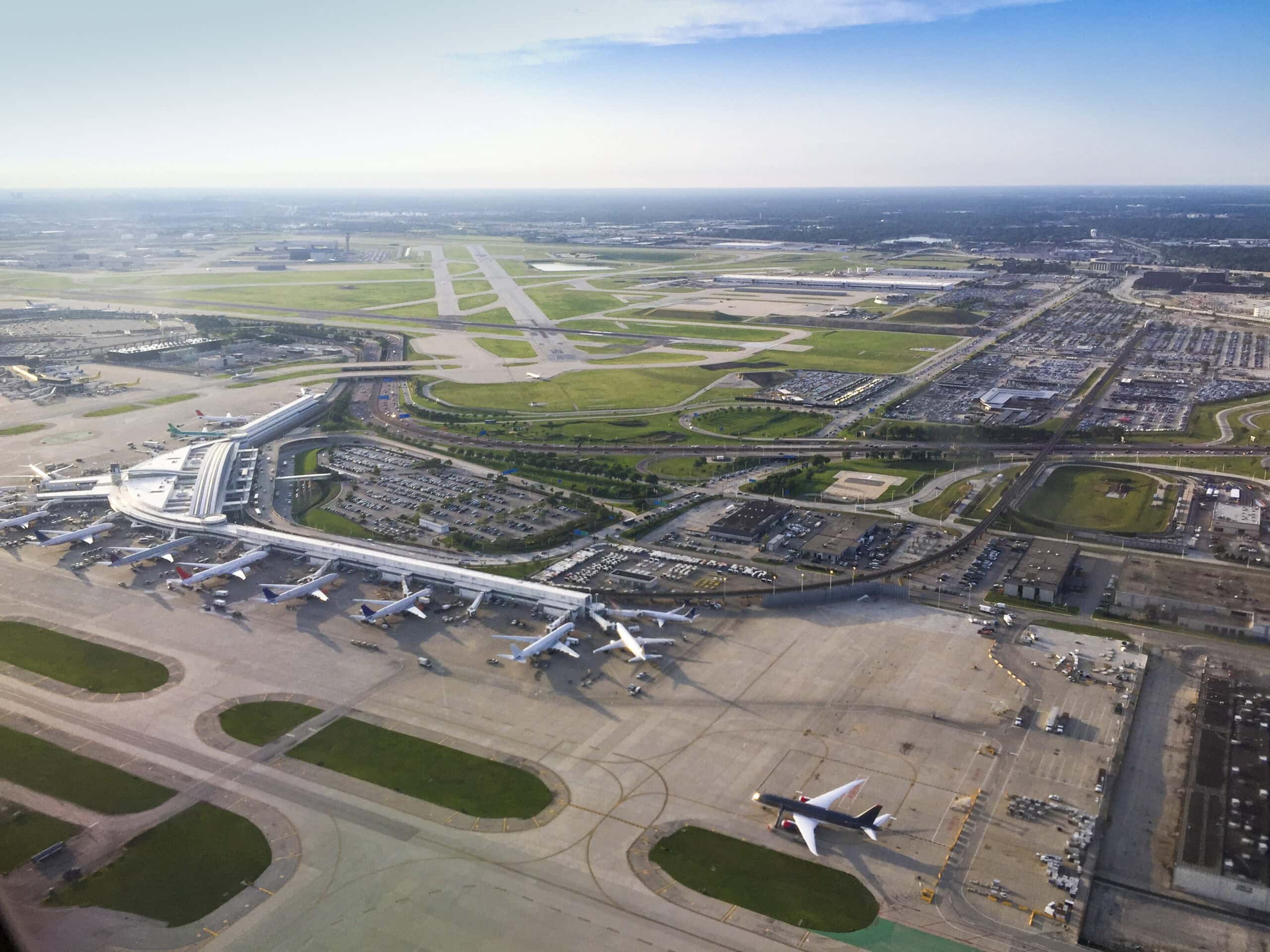
O’Hare International Airport (ORD): A Gateway to the World and Chicago
O’Hare International Airport, commonly referred to by its IATA code ORD, is more than just an airport; it’s a colossal piece of infrastructure that embodies Chicago’s ambition and global connectivity. Managed by the Chicago Department of Aviation (CDA), O’Hare consistently ranks among the world’s busiest airports by passenger traffic and aircraft movements. Its strategic location makes it a vital nexus for travelers crisscrossing the United States and connecting to destinations across Europe, Asia, Canada, Mexico, South America, the Middle East, Africa, and Australia. For many, ORD is the first impression of Chicago, and it’s designed to be a memorable one.
The Historical Journey of O’Hare
The story of O’Hare International Airport is one of visionary planning and continuous expansion. Originally named Orchard Place Airport (hence the “ORD” code), it began its life as an air production facility during World War II, primarily building Douglas C-54 Skymasters. Post-war, Chicago recognized the need for a major airport to accommodate the burgeoning age of commercial aviation, particularly with the limitations of the older Chicago Midway International Airport (Midway).
In 1949, the airport was officially renamed in honor of Edward “Butch” O’Hare, a Medal of Honor recipient and naval aviator from Chicago. The 1950s and 60s saw rapid development, transforming O’Hare into a marvel of modern airport design. It quickly surpassed Midway in traffic and became the world’s busiest airport for several decades, a testament to its forward-thinking infrastructure and the city’s strategic importance. Today, ongoing modernization projects, including the O’Hare 21 initiative, aim to further enhance its capacity, efficiency, and passenger experience, preparing it for the demands of the 21st century.
Navigating O’Hare: Terminals and Services
O’Hare is a vast complex comprising four passenger terminals: Terminals 1, 2, 3 primarily serve domestic and some international flights, while Terminal 5 is dedicated to most international arrivals and departures. These terminals are interconnected by the Airport Transit System (ATS), a free automated people mover that allows for quick and convenient transfers between terminals, parking lots, and the Metra station.
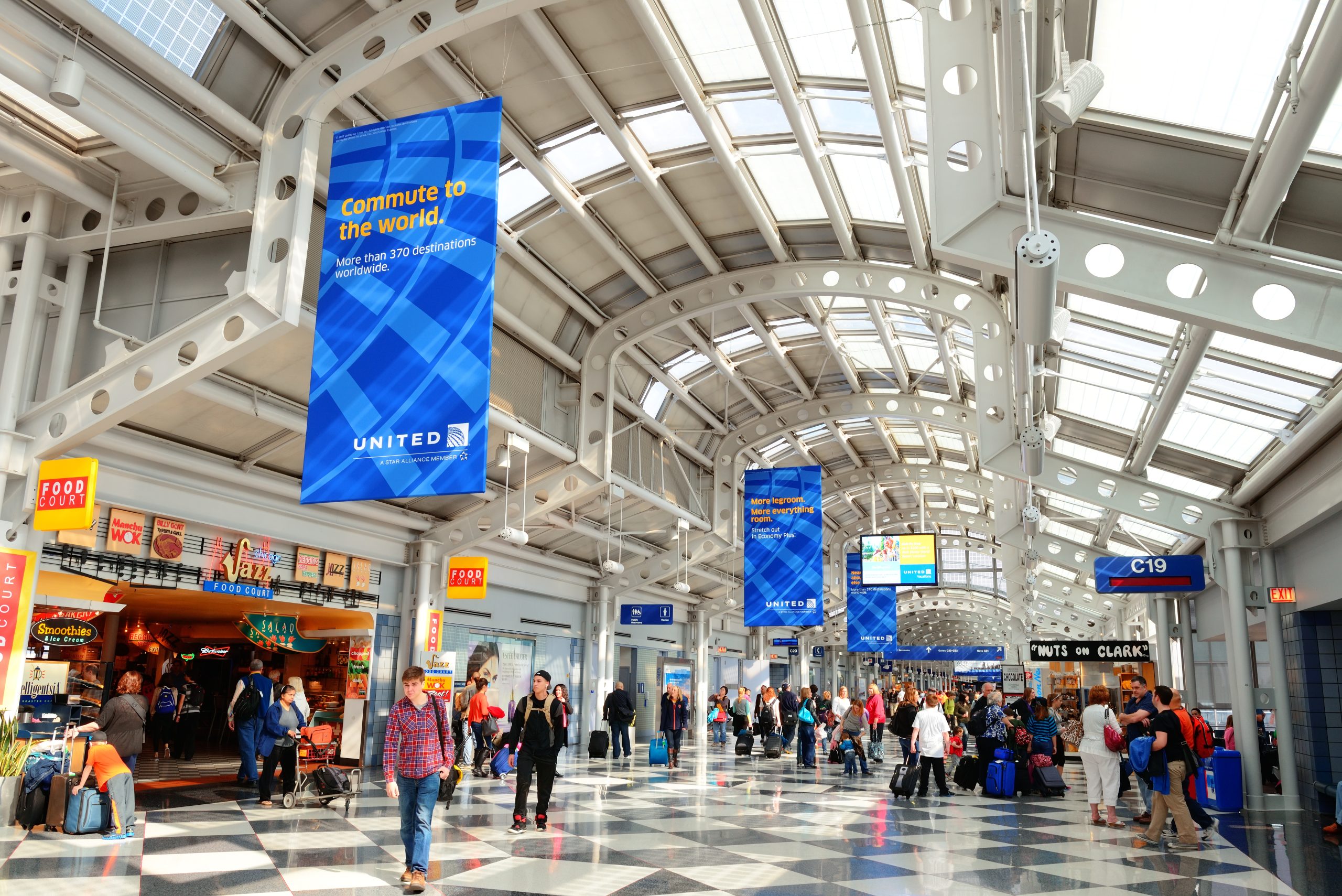
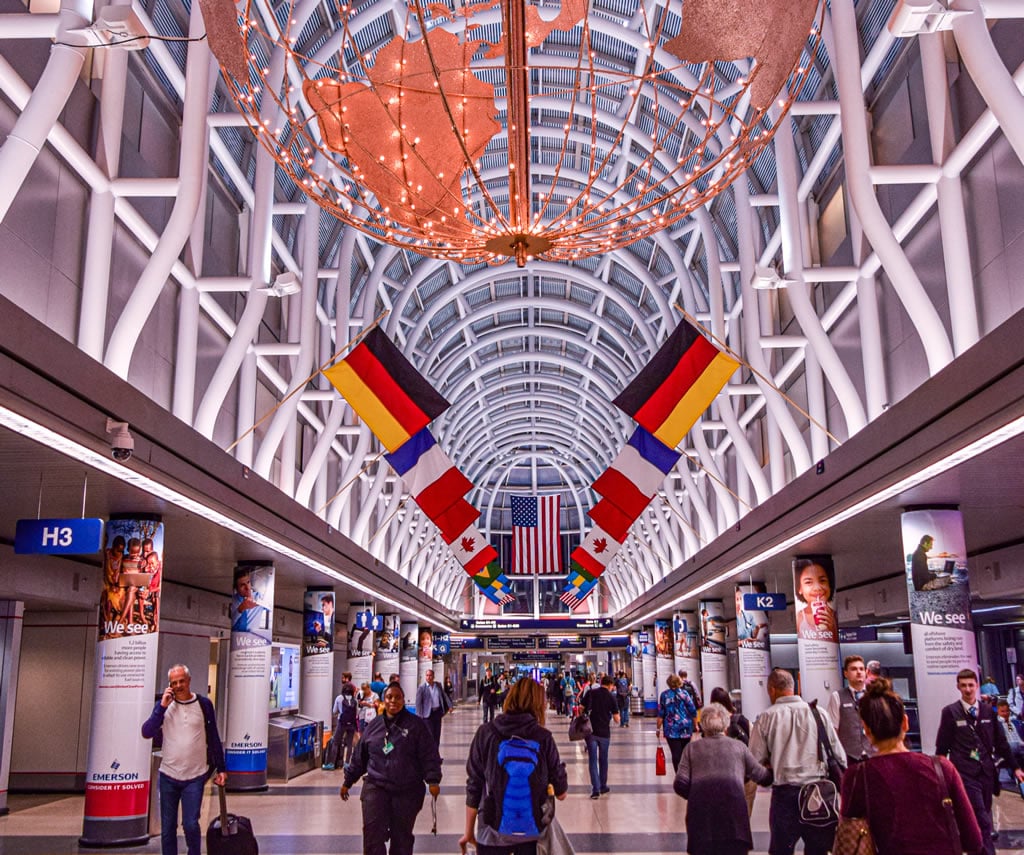
Inside the terminals, travelers will find an extensive array of services and amenities designed to cater to every need. This includes diverse dining options ranging from quick bites to upscale restaurants, a wide selection of retail stores for last-minute souvenirs or travel essentials, and duty-free shopping in Terminal 5. For those with longer layovers, O’Hare offers numerous lounges, including those operated by major airlines like United Airlines, American Airlines, and members of global alliances like Star Alliance, Oneworld, and SkyTeam. Free Wi-Fi is available throughout the airport, along with charging stations, currency exchange services, and dedicated nursing rooms. Art installations and public spaces also offer a touch of Chicago’s cultural flair, making the airport experience more engaging.
Connecting to the Windy City: Transportation and Accessibility
One of O’Hare’s greatest strengths is its robust connectivity to downtown Chicago and the surrounding suburbs. Despite its size and distance from the city center (approximately 17 miles northwest), numerous transportation options ensure travelers can reach their final destination efficiently and affordably.
Public Transit: CTA Blue Line
The most popular and often the most efficient way to travel between O’Hare and downtown Chicago is via the Chicago Transit Authority’s (CTA) Blue Line. The Blue Line station is conveniently located within O’Hare’s Terminal 2 parking garage, accessible by underground walkways from all terminals or via the ATS. This 24/7 train service provides a direct route to the Loop, Chicago’s central business district, in about 45-60 minutes, depending on the time of day and specific downtown stop.
The Blue Line is not only cost-effective but also bypasses potential traffic congestion on the expressways, making it a reliable choice for budget-conscious travelers and those looking to save time. Stops along the route include popular neighborhoods like Logan Square and Wicker Park, offering convenient access to various parts of the city. A Ventra Card can be purchased at the station for seamless travel on the entire CTA system.
Other Ground Transportation Options
Beyond the CTA Blue Line, O’Hare offers a comprehensive suite of ground transportation choices:
- Taxis: Taxi stands are readily available at all terminals. Fares to downtown Chicago are metered and typically range from $40-$60, not including tolls or tip. This can be a good option for groups or those with heavy luggage.
- Rideshares: Services like Uber and Lyft operate at O’Hare. Designated pickup zones are located in the arrivals areas of each terminal. Fares vary based on demand and destination but are often comparable to or slightly less than traditional taxis.
- Airport Shuttles: Shared-ride and private van services, such as Go Airport Express, offer door-to-door service to hotels and residences in Chicago and its suburbs. These can be a convenient option for travelers staying outside the immediate downtown area or those with multiple stops.
- Rental Cars: All major car rental agencies have counters at O’Hare. A consolidated rental car facility is accessible via the ATS, making pickups and returns straightforward. Renting a car provides flexibility for exploring beyond the city limits, though navigating Chicago traffic and parking can be challenging.
- Metra: The Metra commuter rail system offers service from the O’Hare Transfer Station (accessible via the ATS) to downtown Chicago (Ogilvie Transportation Center or Union Station) and various suburbs. While not as frequent as the CTA Blue Line, it’s another reliable option, especially for suburban destinations.
Beyond the Terminal: Exploring Chicago from O’Hare
A flight into ORD is an invitation to explore one of the United States’ most captivating cities. Chicago is a treasure trove of art, architecture, culinary innovation, and vibrant neighborhoods, offering experiences for every type of traveler, from luxury seekers to budget adventurers, families, and business visitors.
Iconic Chicago Landmarks and Attractions
From the moment you step off the Blue Line in the Loop, Chicago’s architectural grandeur is immediately apparent.
- Willis Tower (formerly Sears Tower): Experience breathtaking panoramic views from the Skydeck, including the thrilling glass-bottomed Ledge.
- Millennium Park: Home to the iconic Cloud Gate sculpture (affectionately known as “The Bean”), the interactive Crown Fountain, and the stunning Pritzker Pavilion.
- Art Institute of Chicago: One of the oldest and largest art museums in the United States, boasting an encyclopedic collection spanning centuries and continents.
- Navy Pier: A historic landmark offering family-friendly attractions, including the Centennial Wheel, boat tours, gardens, and diverse dining.
- Magnificent Mile: A shopper’s paradise along Michigan Avenue, lined with upscale boutiques, department stores, and historic buildings.
- Museum Campus: Grouping three world-class institutions—the Field Museum (natural history), Shedd Aquarium (aquatic life), and Adler Planetarium (astronomy and space science)—all within Grant Park with stunning lakefront views.
- Chicago Riverwalk: Enjoy scenic strolls, boat tours, and waterside dining along the revitalized Chicago River.
For sports enthusiasts, catching a Cubs game at historic Wrigleyville or a White Sox game at Guaranteed Rate Field is a quintessential Chicago experience. The Lincoln Park Zoo, one of the oldest zoos in the United States, offers free admission and a delightful escape for families.
Culinary Delights and Entertainment
Chicago’s food scene is as diverse as its population. No visit is complete without sampling its famous deep-dish pizza from institutions like Lou Malnati’s, Giordano’s, or Pequod’s Pizza. The Chicago-style hot dog, “dragged through the garden,” is another must-try. Beyond these classics, the city boasts an impressive array of Michelin-starred restaurants, diverse ethnic eateries, and trendy farm-to-table establishments.
The city also shines in its nightlife and entertainment. Legendary jazz and blues clubs, world-renowned theaters (including the famous improv comedy mecca, The Second City), and live music venues cater to all tastes. Chicago’s local culture is rich and welcoming, making it an ideal destination for exploring, eating, and enjoying unforgettable experiences.
Accommodation and Travel Tips Near ORD
Whether you’re facing an early morning flight, a late arrival, or simply prefer to stay close to the airport for convenience, O’Hare and its surrounding areas offer a wide range of accommodation options.
Hotels for Every Traveler
The vicinity of O’Hare International Airport is home to numerous hotels, catering to various budgets and preferences:
- On-Airport Hotels: The Hilton Chicago O’Hare Airport is uniquely located directly across from Terminals 1, 2, and 3, accessible via underground walkways. This is the ultimate in convenience for those with very early flights or short layovers.
- Hotels with Free Shuttles: Many hotels in nearby towns like Rosemont and Schiller Park offer complimentary shuttle services to and from O’Hare. Brands like Marriott, Hilton, Hyatt, Sheraton, Embassy Suites, Aloft, Hampton Inn, and Holiday Inn Express have a strong presence here, offering a range of options from luxury to budget-friendly, including suites and extended-stay apartments. These are ideal for business travelers attending conventions at the nearby Donald E. Stephens Convention Center or families seeking amenities like pools and complimentary breakfast.
- Downtown Chicago Hotels: For those prioritizing city exploration, staying in downtown Chicago is highly recommended. The CTA Blue Line makes the commute to O’Hare manageable, allowing travelers to immerse themselves in the city’s vibrant atmosphere. Options range from luxury resorts like the Four Seasons Chicago, The Peninsula Chicago, and The Langham Chicago to boutique hotels and more affordable chains, ensuring accommodation for every budget and preference. Many offer special amenities for business stays, luxury travel experiences, or family trips.
When booking accommodation, consider factors like the length of your stay, amenities needed (e.g., fitness center, pool, free breakfast, pet-friendly options), and proximity to public transport or specific attractions. Websites focused on accommodation often provide detailed reviews, price comparisons, and booking tools to help you find the perfect fit.
Making the Most of Your O’Hare Experience
Traveling through an airport as massive as ORD can be daunting, but with a few tips, you can ensure a smoother journey:
- Arrive Early: Especially for international flights or during peak travel seasons, give yourself ample time (2-3 hours for domestic, 3+ for international) to navigate security, check bags, and reach your gate.
- Check Flight Status: Always verify your flight status before heading to the airport. O’Hare is known for occasional delays due to weather or high traffic volume.
- Use the ATS: The Airport Transit System is essential for inter-terminal transfers, getting to the rental car center, or accessing the Metra station.
- Pre-Book Parking/Transportation: If driving, consider pre-booking parking to secure a spot and potentially save money. For public transport, a Ventra Card loaded with funds can save time.
- Explore Amenities During Layovers: Don’t just sit at your gate. Take advantage of O’Hare’s diverse dining, shopping, and relaxation areas. There’s even an airport yoga room and a Hilton Athletic Club accessible from the airport.
- Security Checkpoints: Familiarize yourself with TSA guidelines for carry-on items and liquids. Programs like TSA PreCheck or Global Entry can significantly speed up the security process.
- Stay Informed: Follow O’Hare on social media or check the CDA website for real-time updates and advisories.
In conclusion, ORD is indeed O’Hare International Airport in Chicago, a critical hub that connects the city to the world. Its rich history, expansive facilities, and efficient transportation links make it a vital part of any travel experience to the Windy City. By understanding its operations and planning your journey accordingly, you can ensure a seamless start and end to your adventures in one of the United States’ most beloved destinations. Whether you’re flying in for business, exploring local culture, or enjoying a family trip, O’Hare is your ultimate gateway to all that Chicago has to offer.
LifeOutOfTheBox is a participant in the Amazon Services LLC Associates Program, an affiliate advertising program designed to provide a means for sites to earn advertising fees by advertising and linking to Amazon.com. Amazon, the Amazon logo, AmazonSupply, and the AmazonSupply logo are trademarks of Amazon.com, Inc. or its affiliates. As an Amazon Associate we earn affiliate commissions from qualifying purchases.