
Discovering Colorado’s Diverse Ecosystems
Colorado, often called the Centennial State, is a land of striking contrasts, from the towering peaks of the Rocky Mountains to the sweeping vistas of the Eastern Plains and the arid canyons of the Western Slope. This incredible geographical diversity fosters a rich tapestry of ecosystems, each supporting a unique array of wildlife. For the discerning traveler, understanding these distinct environments is key to appreciating the state’s animal inhabitants and planning unforgettable wildlife encounters.
The state is broadly divided into several biomes. The alpine tundra, found at elevations above the tree line in the Rocky Mountains, is home to hardy creatures adapted to extreme conditions. Below this, the subalpine and montane forests, dominated by conifers, host a larger variety of mammals and birds. Further down, the foothills transition into the vast grasslands of the Eastern Plains, an entirely different world where prairie species thrive. To the west, the semi-arid lands and canyons create unique habitats for desert-adapted animals. Each region offers its own distinct wildlife viewing opportunities, making Colorado a prime destination for nature enthusiasts. From the bustling urban centers like Denver or Colorado Springs, travelers are often just a short drive away from remarkable natural habitats.
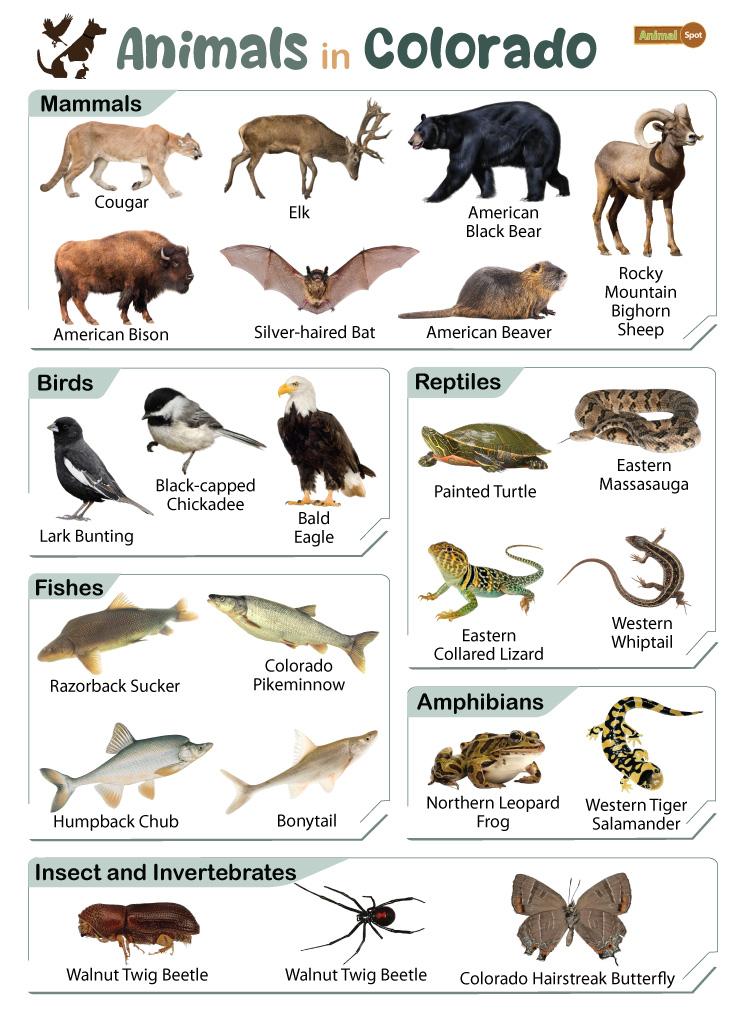
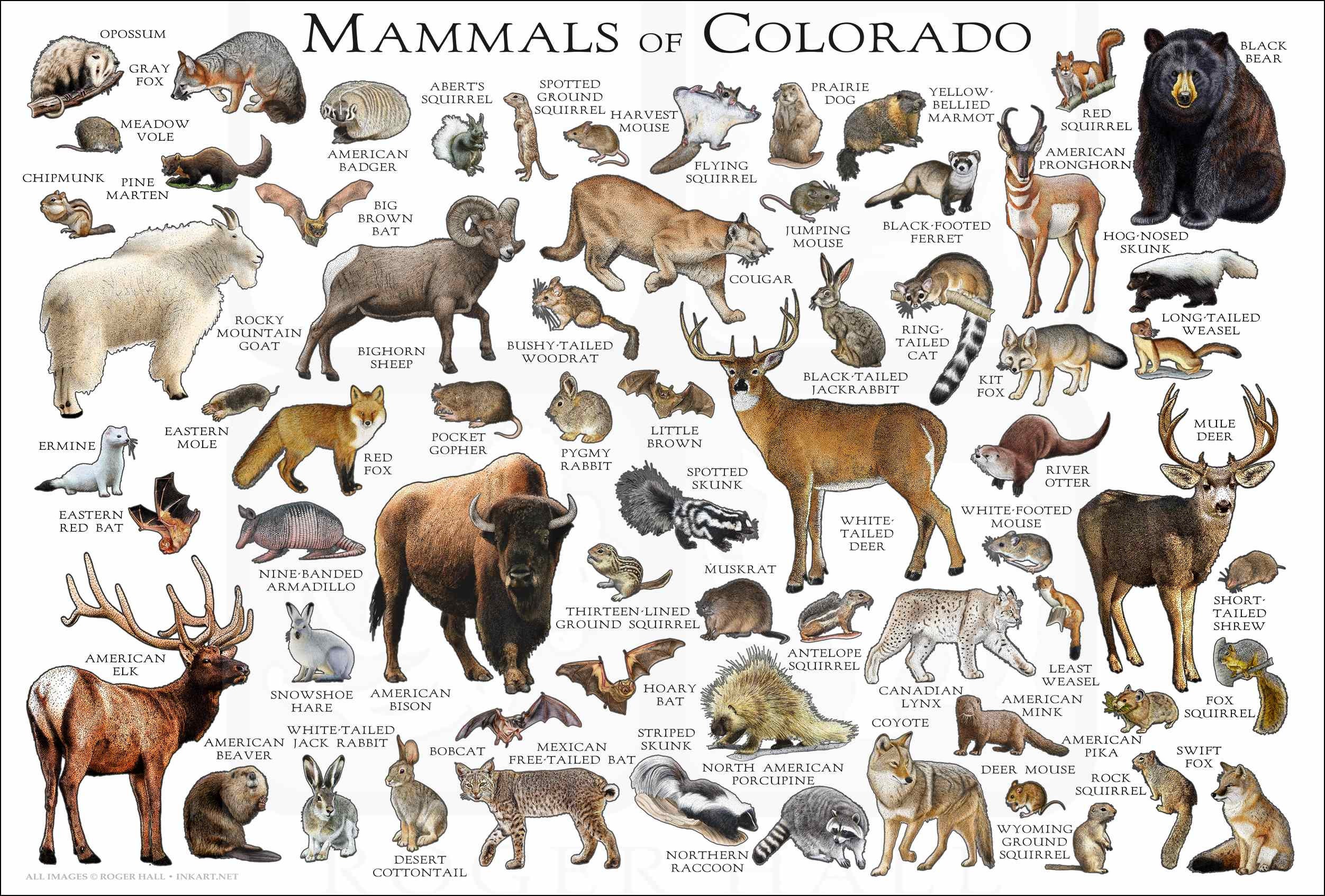
Iconic Mammals of the Centennial State
Colorado’s large mammal population is undoubtedly one of its greatest draws for travelers. These magnificent creatures offer breathtaking sights and a profound connection to the wild heart of the West.
Majestic Hoofed Animals
Perhaps the most famous residents are the majestic hoofed animals that roam the state’s forests and high country. The sheer spectacle of thousands of Elk congregating in valleys, especially during the fall rut, is an experience that draws visitors from around the globe. Rocky Mountain National Park and the surrounding areas near Estes Park are premier locations for viewing these animals, particularly at dawn and dusk. Mule Deer, distinguishable by their large ears and bifurcated antlers, are ubiquitous across almost all elevations and terrains, frequently spotted grazing in open meadows and forest edges.
A true symbol of Colorado’s rugged mountains is the Bighorn Sheep, the state animal. These agile climbers can be found navigating steep, rocky cliffs, often along river canyons or high mountain passes. Spots like Georgetown and Poudre Canyon are well-known for their resident Bighorn Sheep populations, offering thrilling opportunities for observation. While less common, the presence of Moose has been growing in Colorado over recent decades, particularly in the North Park region, Willow Creek Pass, and sections of Rocky Mountain National Park. Their solitary nature and preference for willow-heavy riparian areas make them a more elusive, yet highly rewarding, sighting.
Predators and Smaller Mammals
Colorado’s predator population plays a crucial role in maintaining ecological balance, though they are often more challenging to spot. Black Bears are common throughout the forested regions, particularly in the spring and fall when they forage for food. Travelers must practice extreme caution and proper food storage in bear country to avoid attracting them. The elusive Mountain Lions, apex predators of the Western U.S., roam the backcountry but are rarely seen due to their solitary and nocturnal habits. Coyotes and Bobcats are more frequently encountered, especially at dawn and dusk, adaptable to a variety of habitats, including the peripheries of urban areas.
Smaller mammals, though often overlooked, offer delightful viewing experiences. High in the alpine zones, the charismatic Marmots can be seen basking on rocks and emitting their distinctive whistles, while the tiny, industrious Pikas busily collect vegetation for winter haypiles. On the Eastern Plains, vast colonies of Prairie Dogs create intricate underground towns, their constant chirping and sentinel-like postures providing endless entertainment. These smaller creatures highlight the intricate web of life that defines Colorado’s wilderness.
Avian Wonders and Aquatic Life
Beyond its iconic mammals, Colorado is a haven for birdwatchers and offers a glimpse into diverse aquatic ecosystems.
Birds of Prey and Songbirds
The skies above Colorado are often graced by magnificent birds of prey. Bald Eagles, once endangered, have made a remarkable comeback and can be seen near large bodies of water, especially during winter months. Barr Lake State Park near Brighton is a prime viewing spot. Various species of Hawks, including Red-tailed and Cooper’s Hawks, are common sights soaring overhead or perched on power lines. Several species of Owls, from the Great Horned Owl to the diminutive Western Screech-Owl, inhabit the state’s forests and plains, though their nocturnal nature makes them harder to spot.
Colorado’s diverse habitats also support an impressive array of songbirds and other avian species. From the brilliant blues of the Steller’s Jay in the mountains to the iridescent Hummingbirds flitting around summer gardens, there is always something to catch the eye. The Pawnee National Grassland is an internationally recognized Important Bird Area, offering unparalleled opportunities to see grassland birds such as the Mountain Plover and McCown’s Longspur.
Fish and Amphibians
Colorado’s numerous rivers, streams, and high-altitude lakes are teeming with life, making it a popular destination for anglers. The state fish, the Greenback Cutthroat Trout, a native species, is a prized catch, though it is primarily found in protected, pristine mountain streams. Other trout species, including Rainbow, Brown, and Brook Trout, are widely stocked and proliferate in the state’s waterways. The pristine mountain lakes and reservoirs offer cool, clear waters ideal for these cold-water fish.
Amphibians, though often hidden, are integral to Colorado’s aquatic ecosystems. Various species of Salamanders and Frogs can be found near ponds, marshes, and slow-moving streams, particularly during breeding season. The Western Chorus Frog and the Tiger Salamander are among the more commonly encountered species, their calls often heard during spring evenings.
Wildlife Viewing Ethics and Best Practices
To ensure both your safety and the well-being of Colorado’s wildlife, adhering to ethical viewing practices is paramount. The fundamental principle is to observe from a distance. Never approach wild animals, regardless of their size. Use binoculars or a telephoto lens for close-up views. Wildlife, especially mothers with young, can be unpredictable and dangerous if they feel threatened.
Never feed wild animals. This can lead to them associating humans with food, causing them to become habituated, aggressive, and ultimately putting them at risk. Human food is also often unhealthy for animals and can disrupt their natural foraging behaviors. Always properly store food and dispose of trash in bear-proof containers, particularly in popular national parks like Rocky Mountain National Park or Great Sand Dunes National Park and Preserve.
Respect their habitat by staying on designated trails and avoiding disturbing nesting sites or dens. Keep noise levels down to minimize stress on animals. The best times for wildlife viewing are typically dawn and dusk when many species are most active. Early morning hikes often yield sightings of Elk, Mule Deer, and various birds. Packing appropriate gear, such as field guides, binoculars, and a camera, will greatly enhance your experience. Popular locations like Dinosaur National Monument and various state parks are managed to provide accessible and safe viewing opportunities while protecting the animals.
Seasonal Spectacles and Conservation Efforts
Colorado’s wildlife scene changes dramatically with the seasons, offering unique spectacles throughout the year. Spring marks the birthing season, a time to witness delicate fawns, elk calves, and bear cubs, albeit from a respectful distance. This is a period of vulnerability for many species, making responsible viewing even more critical. Summer brings a flurry of activity, with animals actively feeding and raising their young, and migratory birds returning to their breeding grounds.
Fall is arguably the most dramatic season for wildlife viewing, particularly due to the Elk rut. The bugling of bull Elk echoing through the valleys is an unforgettable auditory and visual experience. Many species also begin their migrations to lower elevations or prepare for winter, making them more visible. Winter, surprisingly, can also be an excellent time for viewing, as many animals move to accessible valley floors to escape deep snow and find food, standing out against the white landscape. Bighorn Sheep are often easier to spot against the snow-covered slopes.
The preservation of Colorado’s incredible wildlife is a continuous effort. Organizations like Colorado Parks and Wildlife (CPW) play a vital role in managing habitats, conducting research, and enforcing regulations to protect animal populations. Visitors contribute to these efforts through park fees and by adhering to wildlife guidelines, ensuring that the diverse fauna of Colorado remains a thriving attraction for generations of travelers to come. By respecting these natural wonders, travelers can truly appreciate the wild heart that beats within the magnificent landscapes of Colorado.
LifeOutOfTheBox is a participant in the Amazon Services LLC Associates Program, an affiliate advertising program designed to provide a means for sites to earn advertising fees by advertising and linking to Amazon.com. Amazon, the Amazon logo, AmazonSupply, and the AmazonSupply logo are trademarks of Amazon.com, Inc. or its affiliates. As an Amazon Associate we earn affiliate commissions from qualifying purchases.