
For any traveler planning a trip to the Sunshine State, understanding the local time and any upcoming changes is crucial for seamless itinerary planning and an enjoyable experience. Florida, like most of the United States, observes Daylight Saving Time (DST), meaning clocks “spring forward” in the spring and “fall back” in the autumn. This annual adjustment can significantly impact travel logistics, from flight schedules to theme park visits, making it a vital piece of information for visitors.
Understanding Daylight Saving Time in Florida
The majority of Florida operates on Eastern Time, specifically Eastern Standard Time (EST) during the winter months and Eastern Daylight Time (EDT) during DST. This encompasses major travel hubs and popular destinations such as Miami, Orlando, Tampa, Fort Lauderdale, Jacksonville, and the Florida Keys, including Key West.
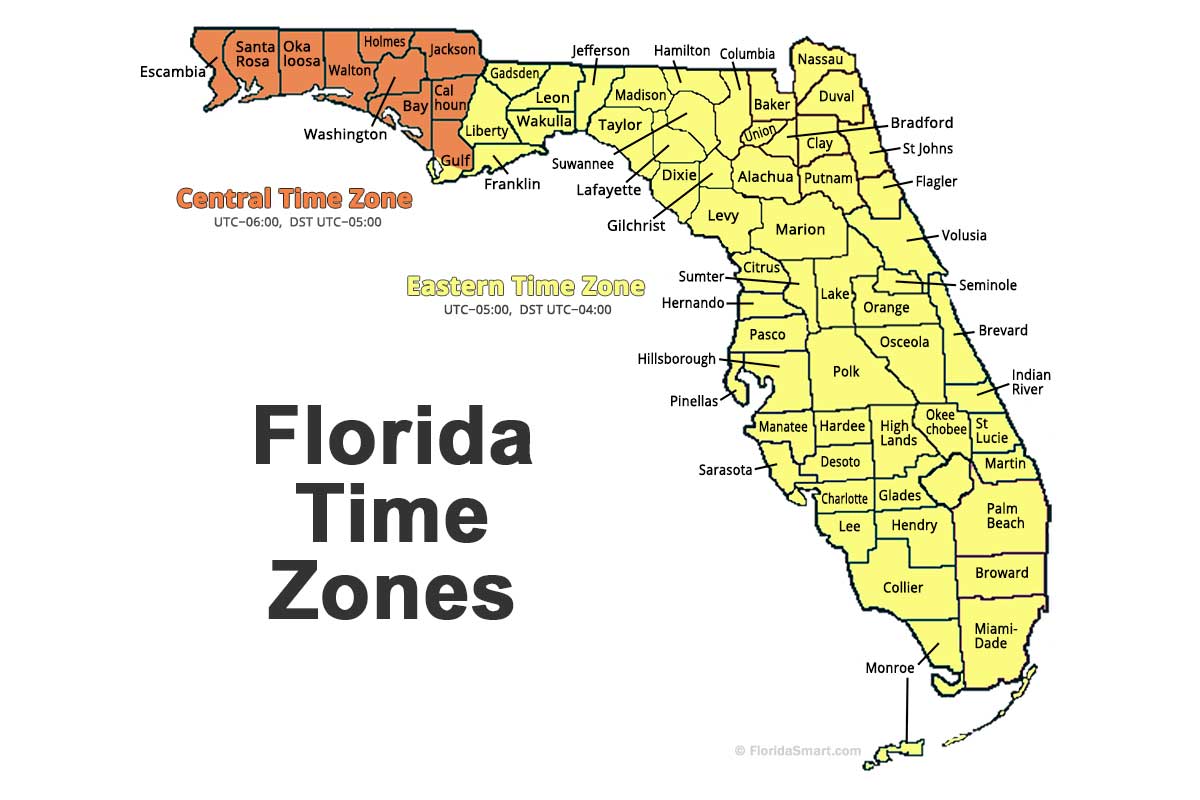
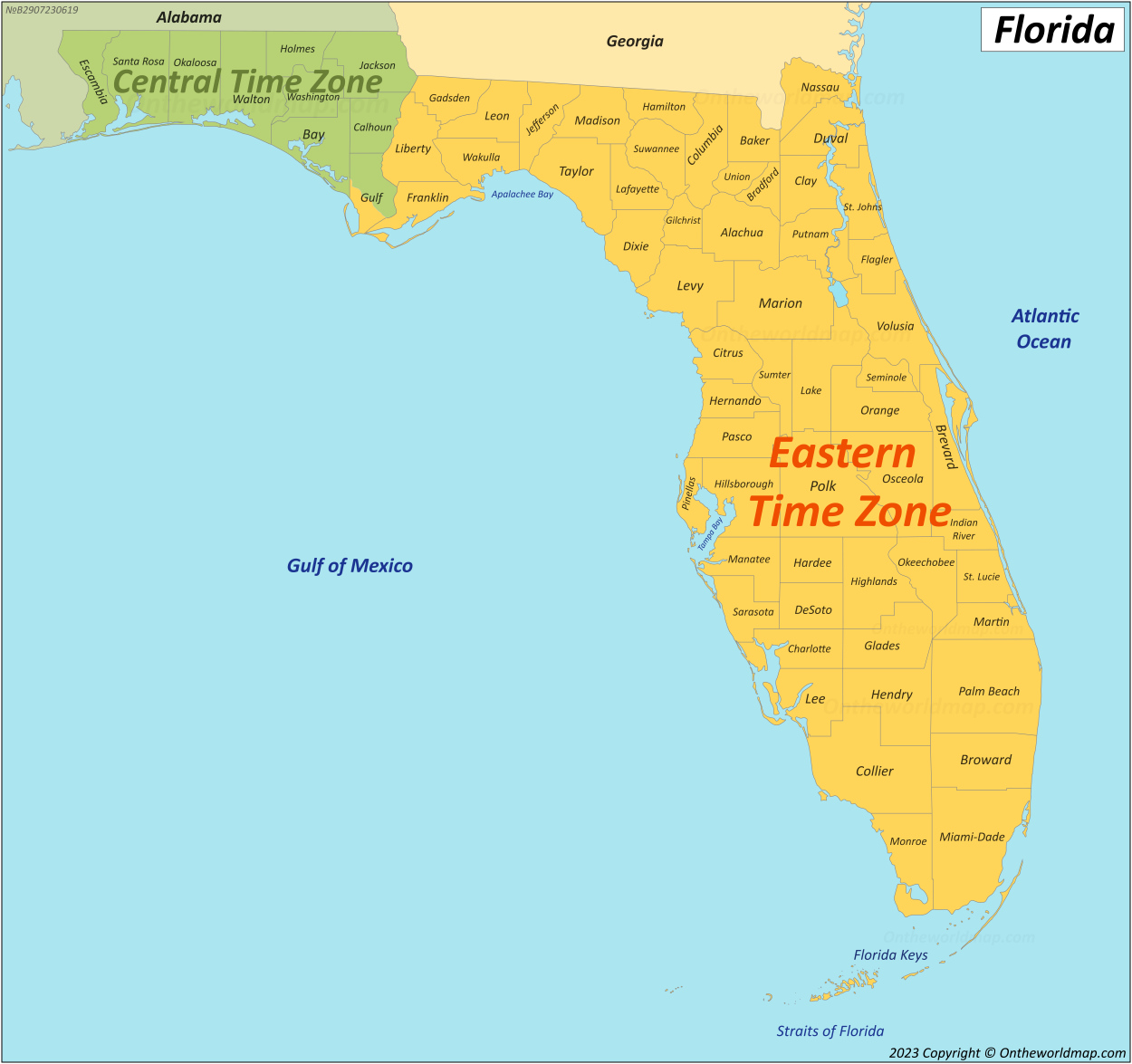
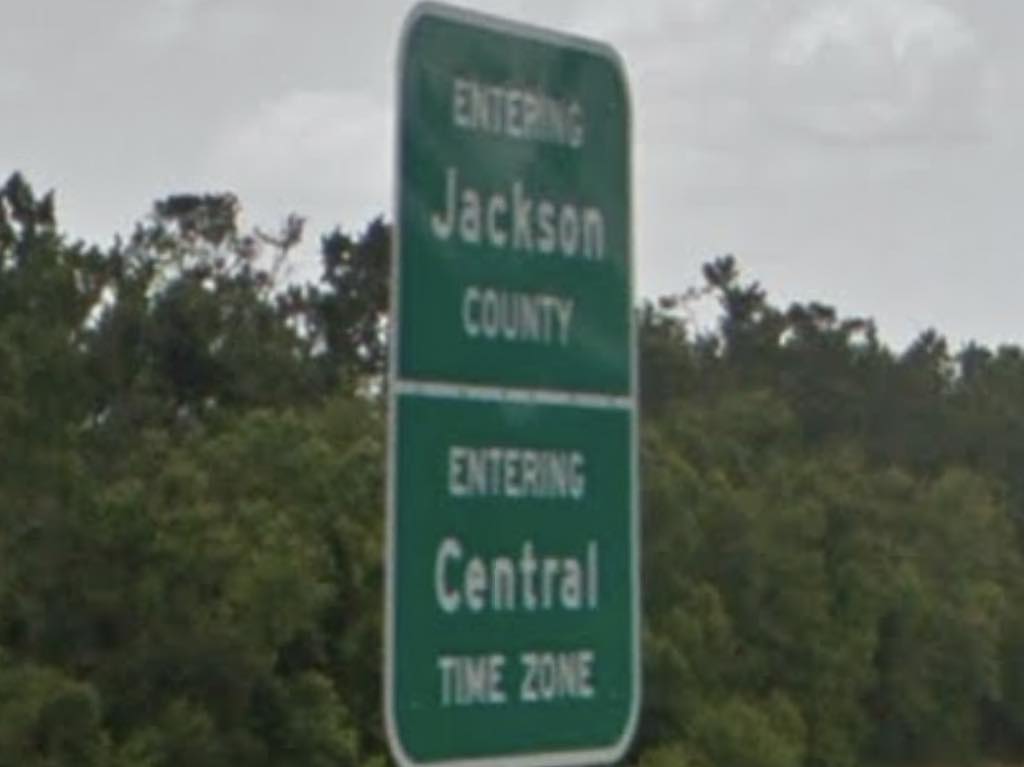
However, there’s a critical distinction for travelers heading to the westernmost parts of the Florida Panhandle. The counties west of the Apalachicola River—including Bay, Calhoun, Escambia, Holmes, Jackson, Okaloosa, Santa Rosa, Walton, and Washington counties, along with the western part of Gulf County—observe Central Time. This means they switch between Central Standard Time (CST) and Central Daylight Time (CDT). Travelers moving between these two time zones within Florida must be particularly mindful of the one-hour difference, especially during the DST transition periods.
The dates for the time change are consistent across both time zones in Florida and align with the national schedule for Daylight Saving Time:
- Spring Forward: Clocks move forward by one hour on the second Sunday in March. This typically occurs at 2:00 AM local time, when it instantly becomes 3:00 AM, resulting in the loss of one hour of sleep but gaining an hour of daylight in the evening.
- Fall Back: Clocks move back by one hour on the first Sunday in November. This also occurs at 2:00 AM local time, when it reverts to 1:00 AM, effectively “gaining” an hour and bringing earlier sunrises.
For travelers, understanding these specific dates and the regional time zone split is paramount for avoiding missed flights, appointments, or simply arriving late to an anticipated experience.
Impact on Travel Logistics and Schedules
The biannual shift in time can have a ripple effect across various aspects of travel in Florida. Being prepared for these changes can save visitors from unnecessary stress and ensure their vacation proceeds smoothly.
Air and Ground Transportation
Airline schedules are typically adjusted well in advance to accommodate Daylight Saving Time. However, travelers departing or arriving around the exact changeover dates should always double-check their flight times. A flight scheduled for 7:00 AM on the “spring forward” Sunday might actually depart at what feels like 6:00 AM to your internal clock, while on the “fall back” Sunday, a 7:00 AM flight effectively gives you an extra hour before departure. This is particularly relevant for early morning flights.
For those renting cars and driving across the Panhandle from Eastern Time into Central Time or vice-versa, understanding the time zone boundary is critical. Missing a reservation for a tour in Panama City Beach because you forgot to adjust your clock after leaving Tallahassee is a common, avoidable pitfall. Always set your car’s clock and personal devices to automatically update, or manually adjust them when crossing the Apalachicola River.
Accommodation Check-ins and Check-outs
Hotel check-in and check-out times are rigid and based on local time. On the “spring forward” day, a 10:00 AM check-out will arrive an hour sooner by the new clock, potentially cutting into your morning if you’re not prepared. Conversely, on the “fall back” day, you gain an extra hour before check-out, which can be a pleasant surprise for travelers looking for a leisurely morning. Always confirm these details with your specific resort or hotel, especially if your stay coincides with a time change.
Navigating Your Florida Vacation During DST Transitions
To make the most of your Florida trip during these time changes, a proactive approach is key. Simple preparations can prevent disruptions and enhance your travel experience.
Pre-Arrival Checks
Before your trip, confirm the exact dates of the time change relative to your arrival and departure. Check the official websites for any attractions or services you plan to use, as some might have adjusted operating hours or schedules during the transition weekends. This is especially true for popular destinations like Walt Disney World Resort, Universal Orlando Resort, or Busch Gardens Tampa Bay, where showtimes and park hours are meticulously planned.
Device Management
Ensure all your electronic devices (smartphones, tablets, smartwatches) are set to automatically update their time based on your location. Most modern devices do this seamlessly, but it’s wise to double-check their settings. For traditional watches or non-smart devices, remember to manually adjust them before going to bed on the night of the time change. This small act prevents waking up an hour off schedule.
Internal Clock Adjustments
The “spring forward” change can feel like a mini-jet lag, particularly for those sensitive to sleep disturbances. If you’re traveling to Florida around this time, consider gradually shifting your sleep schedule by 15-30 minutes for a few days before the change. Upon arrival, try to expose yourself to natural light in the mornings to help reset your circadian rhythm, and avoid heavy meals or caffeine close to bedtime. Conversely, the “fall back” transition often feels easier, as it effectively grants an extra hour of sleep.
Planning Your Activities and Experiences
The time change can subtly influence your ability to enjoy Florida’s myriad attractions, from stunning beaches to bustling theme parks.
Theme Parks and Attractions
Florida’s world-renowned theme parks, including Walt Disney World Resort, Universal Orlando Resort, LEGOLAND Florida Resort, and Busch Gardens Tampa Bay, strictly adhere to their posted operating hours, which always reflect the local time. When clocks spring forward, visitors have an extra hour of daylight in the evening, perfect for enjoying outdoor attractions or extending park visits. However, this also means morning opening times might feel earlier. In the fall, an earlier sunset means less evening daylight for outdoor activities, but more time in the morning for early risers. Always consult the specific park’s schedule for the dates of your visit.
Dining Reservations and Guided Tours
Restaurant reservations and pre-booked tours or excursions, such as airboat rides in the Everglades National Park or historical tours in St. Augustine, are strictly time-sensitive. Ensure you confirm the local time for these bookings, especially if the time change occurs during your stay. Arriving an hour late or early can lead to missed experiences or forfeited deposits.
Beach Time and Outdoor Activities
The shift in daylight hours is particularly noticeable for those planning beach activities on Florida’s Atlantic Coast or Gulf Coast, or exploring natural areas. With Daylight Saving Time in effect from March to November, evenings are longer, providing ample time for sunset strolls on South Beach or enjoying outdoor dining. Conversely, when clocks fall back in November, evenings become shorter, pushing outdoor activities earlier in the day and requiring earlier planning for sunset viewing.
The Future of Daylight Saving Time in the Sunshine State
Florida has been at the forefront of efforts to make Daylight Saving Time permanent. In 2018, the Florida Legislature passed the “Sunshine Protection Act,” which was signed into law by then-Governor Rick Scott. This state law would keep Florida on Daylight Saving Time year-round, eliminating the biannual clock changes.
However, for this act to take effect, it requires federal approval from the United States Congress. Several attempts have been made at the federal level to pass similar legislation, also dubbed the “Sunshine Protection Act,” which would allow states to observe Daylight Saving Time permanently. As of now, these federal efforts have not been fully enacted. This means that despite Florida’s desire to remain on DST year-round, the state continues to observe the traditional “spring forward” and “fall back” schedule in alignment with the rest of the country (minus Arizona and Hawaii).
For travelers, this ongoing legislative discussion means that for the foreseeable future, clock changes in Florida will remain an annual event. Therefore, staying informed about the official dates for Daylight Saving Time transitions is a continuing necessity for seamless travel planning in the Sunshine State. While the promise of permanent DST offers a vision of simplified scheduling, current realities dictate continued vigilance regarding time adjustments to ensure your Florida travel is always on schedule.
LifeOutOfTheBox is a participant in the Amazon Services LLC Associates Program, an affiliate advertising program designed to provide a means for sites to earn advertising fees by advertising and linking to Amazon.com. Amazon, the Amazon logo, AmazonSupply, and the AmazonSupply logo are trademarks of Amazon.com, Inc. or its affiliates. As an Amazon Associate we earn affiliate commissions from qualifying purchases.