
When one inquires about the colors of Alabama, the response often transcends simple aesthetics, delving deep into the state’s vibrant cultural tapestry, fierce collegiate loyalties, and rich historical narrative. For visitors exploring the Heart of Dixie, these colors are not just visual markers; they are immersive elements that define local experiences, dictate weekend plans, and reflect the enduring spirit of its people. Understanding these hues provides a unique lens through which to appreciate Alabama’s diverse attractions, from bustling college towns to tranquil natural landscapes.
The Iconic Hues of Collegiate Rivalry: Crimson and White vs. Orange and Blue
At the heart of Alabama’s color identity lies the intense, storied rivalry between its two flagship universities, a contest that permeates every aspect of state life, particularly for tourists visiting during football season. These colors are more than team allegiances; they are cultural touchstones.

The Crimson Tide: Crimson and White
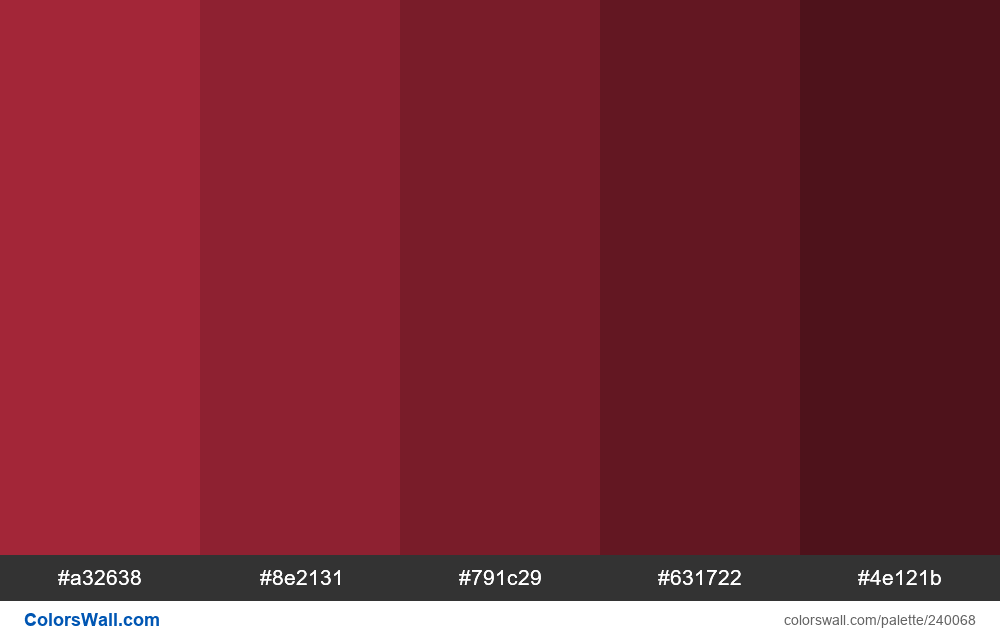
The colors Crimson and White are synonymous with the University of Alabama in Tuscaloosa. These hues are emblazoned on everything from storefronts to fan apparel, defining the visual landscape of cities like Tuscaloosa and influencing local decor across the state. For tourists, encountering Crimson and White is an unavoidable and often celebrated part of the Alabama experience. Visitors to Bryant-Denny Stadium on game day will witness a sea of red and white, an electrifying display of unity and passion. Beyond football, these colors symbolize a legacy of academic excellence and athletic prowess that deeply resonates with locals and curious travelers alike. The University of Alabama Museums and the Paul W. Bryant Museum provide a deeper dive into this history, where the Crimson and White narrate tales of legends and triumphs.
The Auburn Tigers: Orange and Blue
Just as prominent are the Orange and Blue of Auburn University in Auburn. These colors represent a fiercely loyal fanbase and a proud academic institution, shaping the identity of the eastern part of the state. Travelers passing through Auburn will immediately notice the prevalence of Orange and Blue, particularly around Jordan-Hare Stadium or during the traditional “Tiger Walk.” The spirit of Auburn is palpable in its colors, which adorn everything from public art installations to local cafes. Visiting the Jule Collins Smith Museum of Fine Art on campus offers a glimpse into how these colors, alongside other cultural influences, are celebrated through art and community. The rivalry between these two color sets, often culminating in the annual Iron Bowl, is a cultural phenomenon that tourists often find fascinating, offering a window into the passionate spirit of Alabama residents.
Beyond the Stadium: Alabama’s Official State Colors and Symbols
While collegiate colors dominate the popular imagination, Alabama also has official state colors and symbols that reflect its broader history and heritage. These provide a different kind of visual experience for tourists interested in the state’s civic identity.
The Alabama State Flag
The official state flag of Alabama is a striking crimson cross of St. Andrew on a field of white. This design, adopted in 1895, visually connects Alabama to its Confederate past, evoking the battle flag of the Army of Tennessee. For tourists exploring historical sites like the Alabama State Capitol in Montgomery or the Civil Rights Memorial Center, the flag is a potent symbol, sparking discussions about history, heritage, and identity. Its simple, bold colors stand in contrast to the more complex palettes of many state flags, offering a clear visual representation of Alabama’s historical narrative. Understanding its origins adds depth to a visitor’s appreciation of the state’s complex past and ongoing dialogue.
State Flower: The Camellia
The state flower, the Camellia, introduces a natural spectrum of colors to Alabama’s identity. Though its colors vary, from pristine white to deep pinks and vibrant reds, the Camellia adds a layer of natural beauty to the state’s visual identity. Tourists can enjoy these elegant blossoms in gardens across Alabama, particularly in the southern regions. Visiting the Bellingrath Gardens and Home near Mobile during the blooming season (fall to spring) offers a spectacular display of these and other floral colors, providing a tranquil contrast to the spirited collegiate hues. The Mobile Botanical Gardens also showcases a remarkable collection, allowing visitors to appreciate the delicate beauty and diverse palette of the Camellia.
A Palette of Nature: Exploring the Natural Hues of the Heart of Dixie
Beyond the cultural and symbolic, Alabama’s landscape itself is a canvas of breathtaking colors, offering a diverse array of visual experiences for the nature-loving tourist. From coastal blues to forest greens, the state’s natural beauty is rich and varied.

The Gulf Coast Blues and Whites
The southern edge of Alabama boasts the stunning Gulf Coast, characterized by brilliant emerald green and sapphire blue waters meeting sugar-white sand beaches. Destinations like Gulf Shores, Orange Beach, and Dauphin Island are renowned for these captivating colors, inviting tourists to relax, swim, and enjoy water sports. The sunsets over the Gulf of Mexico explode in fiery oranges, pinks, and purples, creating unforgettable moments for any traveler. The vibrant marine life, visible through snorkeling or diving, adds yet another dimension to this aquatic palette. For birdwatchers, the Dauphin Island Bird Sanctuary offers glimpses of migratory birds against the backdrop of blue skies and green coastal foliage.
Forest Greens and Autumn Golds of North Alabama
Moving northward, the landscape transforms into lush, verdant forests, especially in regions like the Appalachian foothills. The deep greens of pine, oak, and hickory trees dominate the scene for much of the year. In autumn, these areas burst into a spectacular display of reds, oranges, and golds, creating picturesque drives and hiking trails. Places like Cheaha State Park, home to Alabama’s highest point, offer panoramic views of this seasonal color change. The Bankhead National Forest, with its stunning waterfalls and rugged terrain, provides a natural sanctuary where tourists can immerse themselves in the deep greens of nature, encountering diverse flora and fauna. Even the red clay soils, particularly visible after a rain, add a distinct earthy tone to the state’s natural palette.
Historical Browns and Grays of Industrial Heritage
Alabama’s rich industrial heritage, especially around Birmingham, introduces a different set of colors: the earthy browns of iron ore, the charcoal grays of coal, and the rust-reds of industrial structures. Sites like Sloss Furnaces National Historic Landmark tell a story through the aged, metallic hues of its machinery and brickwork. The massive statue of Vulcan, overlooking Birmingham from Vulcan Park and Museum, cast in iron, embodies these industrial tones, serving as a powerful reminder of the city’s past as a major steel producer. These colors evoke a sense of history and hard work, offering a tangible connection to the state’s economic development for tourists interested in industrial heritage.
Experiencing Alabama’s Colors as a Tourist
For any tourist, actively engaging with Alabama’s colors offers a deeper, more memorable travel experience. These tips help integrate the state’s palette into your itinerary.
Plan Your Visit Around Key Events
To truly experience the intensity of Crimson and White or Orange and Blue, visiting during a major college football game weekend is paramount. The atmosphere in Tuscaloosa or Auburn is unlike anything else, with tailgates, parades, and fan interactions creating a vibrant, color-infused spectacle. Even if you don’t have game tickets, simply being in the city allows you to soak in the electric energy. Alternatively, consider attending other sporting events, like basketball or baseball, where the team colors are still proudly displayed, just on a smaller scale. For natural colors, autumn offers stunning foliage, especially in northern state parks, while spring brings vibrant blooms to gardens statewide.
Explore Local Markets and Craft Fairs
Local markets, particularly in cities like Birmingham, Huntsville (the Rocket City), or Montgomery, often feature artisans creating goods inspired by Alabama’s distinct colors. You might find pottery in hues of the Gulf Coast, textiles embroidered with college mascots, or jewelry incorporating stones that mirror the natural landscape. These unique souvenirs allow tourists to take a piece of Alabama’s color story home with them, supporting local artists in the process. Look for farmers’ markets that showcase the seasonal colors of fresh produce, reflecting the agricultural bounty of the state.
Engage with Local Cuisine
Even Alabama’s food scene subtly reflects its colors. From the golden-brown crisp of fried chicken to the rich, dark tones of a slow-smoked barbecue, and the vibrant greens of collard greens, the culinary palette is as diverse as the landscape. Specialty dishes might even incorporate specific color themes during game days or local festivals. For example, during tailgate season, food vendors often sell items adorned with team colors. Exploring local eateries, from upscale Birmingham restaurants to casual Mobile Bay seafood shacks, is a delicious way to experience the local culture through its visual and gustatory colors. Don’t forget the bright red of boiled crawfish, a springtime delicacy that brings people together.
Embracing the Local Culture Through Color
Ultimately, Alabama’s colors are more than just visual identifiers; they are key components of its unique cultural identity. For tourists, understanding and engaging with these colors offers a deeper, more meaningful connection to the state and its people.
Whether you’re donning Crimson and White to cheer for the Crimson Tide, admiring the natural blues of the Gulf Coast, or contemplating the historical reds of the state flag, these hues narrate a compelling story of tradition, passion, and natural beauty. Embrace the opportunity to experience Alabama through its rich and diverse palette—it’s an essential part of its charm and allure for any discerning traveler. From the spring blooms in Magnolia Springs to the fiery sunsets over Lake Guntersville, every shade tells a story, making Alabama a truly colorful destination.
LifeOutOfTheBox is a participant in the Amazon Services LLC Associates Program, an affiliate advertising program designed to provide a means for sites to earn advertising fees by advertising and linking to Amazon.com. Amazon, the Amazon logo, AmazonSupply, and the AmazonSupply logo are trademarks of Amazon.com, Inc. or its affiliates. As an Amazon Associate we earn affiliate commissions from qualifying purchases.