
The Essential Role of a California ID in Your Golden State Lifestyle
Establishing yourself or enjoying a long-term stay in California often hinges on possessing a valid form of state identification. A California ID card, issued by the California Department of Motor Vehicles (DMV), is more than just a piece of plastic; it’s a gateway to various aspects of life in the Golden State. From verifying your age to accessing government services or simply enjoying local amenities, this identification card serves as a crucial document that streamlines your daily interactions and solidifies your presence within the state.
More Than Just Identification
While its primary purpose is to confirm your identity, a California ID card plays a far broader role in modern life. It’s often required for banking, opening utility accounts, renting property, enrolling children in school, accessing healthcare services, or even proving eligibility for certain state programs. For those who do not drive, it serves as the primary government-issued photo identification, indispensable for domestic air travel (especially with the advent of REAL ID requirements) and entry into federal facilities. Understanding its multifaceted utility is the first step toward appreciating its importance in your California lifestyle.
Who Needs a California ID?
A California ID is available to any California resident, regardless of age, who does not possess a California driver’s license. This includes:
- Non-Drivers: Individuals who choose not to drive or are unable to obtain a driver’s license.
- New Residents: Those who have recently moved to California and need official state identification.
- Students: Particularly college students residing in California for extended periods who need local identification.
- Long-Term Visitors or Non-Immigrants: Individuals on certain visas who establish residency and require state identification for various purposes.
- Elderly or Individuals with Disabilities: Who may not drive but still require robust identification for daily life and accessing services.
Essentially, if you plan to live, work, or stay in California for an extended period and don’t have a driver’s license, a state ID card is an invaluable asset.
Navigating the Application Process at the DMV
The process of obtaining a California ID card primarily involves a visit to a local DMV office. While it might seem daunting, thorough preparation can make the experience smooth and efficient. The DMV outlines specific requirements, particularly concerning documentation, which are critical to a successful application.
Gathering Your Documentation: The Foundation of Your Application
The cornerstone of your ID application is providing sufficient proof of identity, residency, and your Social Security Number (SSN). The exact documents required can vary slightly depending on whether you’re applying for a REAL ID compliant card or a federal non-REAL ID card. It’s always best to check the official DMV website for the most current and comprehensive list.
Proof of Identity
You will need to present one original document proving your legal name and birthdate. Common examples include:
- U.S. Birth Certificate: An original or certified copy.
- U.S. Passport or Passport Card: Valid and unexpired.
- Foreign Passport with a valid U.S. Visa and I-94 Form: For non-U.S. citizens.
- Permanent Resident Card: Form I-551.
- Employment Authorization Document (EAD): Form I-766.
- Certificate of Naturalization: Form N-550 or N-570.
- Consular Report of Birth Abroad: Form FS-240, DS-1350, or FS-545.
Proof of California Residency
This typically requires two different documents showing your name and a California mailing address. These documents must be original and dated within a reasonable timeframe (usually the last 60-90 days). Acceptable proofs include:
- Utility Bills: Gas, electric, water, cell phone, or cable bills.
- Rental or Lease Agreement: Signed by both parties.
- Mortgage Bills or Property Deeds: Showing your current address.
- Bank Statements: With your current address.
- Insurance Documents: Such as vehicle, home, or health insurance policies.
- School Documents: Transcripts or enrollment letters.
- Employment Documents: Pay stubs or employer letters.
- Medical Documents: From a California medical provider.
Proof of Social Security Number (SSN)
You must provide your SSN, which will be electronically verified. Acceptable documents include:
- Social Security Card: The actual card.
- W-2 Form or SSA-1099: Displaying your full SSN.
- Pay Stub with Full SSN: Showing your full Social Security Number.
It’s important to note that the name on your SSN document must match the name on your identity document. If there’s a discrepancy due to marriage or other legal name change, you’ll need to provide a certified marriage certificate or court order documenting the name change.
Making Your DMV Appointment
While walk-ins are sometimes accepted, scheduling an appointment online via the DMV website is highly recommended. This significantly reduces wait times and ensures you are seen promptly. When scheduling, indicate that you are applying for an “Original ID Card.”
The Application Form and Fee
You’ll need to complete a Driver’s License or ID Card Application (DL 44). This form can often be filled out online before your visit and then printed, or obtained at the DMV office. Be prepared to pay the application fee, which is subject to change, so verify the current amount on the DMV website. Payment methods typically include cash, check, money order, debit card, or credit card.
The REAL ID vs. Federal Non-REAL ID Option
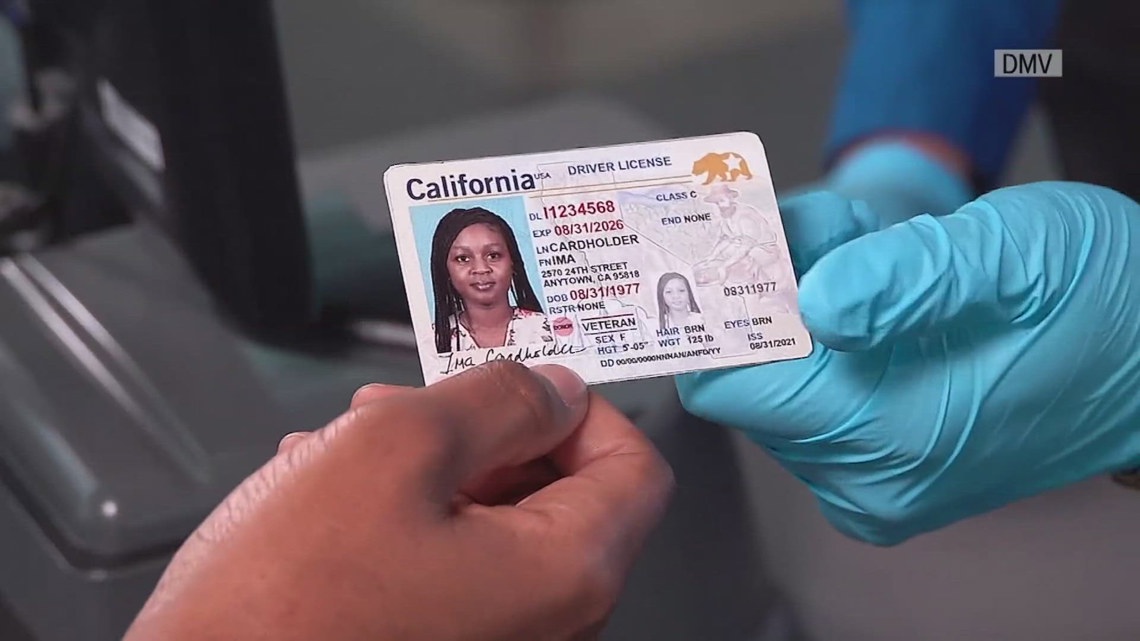
Since May 7, 2025, the Department of Homeland Security will enforce the REAL ID Act, requiring travelers to present a REAL ID compliant driver’s license or identification card, or another acceptable form of identification (like a passport), to board domestic flights and enter secure federal facilities. This distinction is crucial for your lifestyle choices within California and beyond.
Understanding the Differences and Your Needs
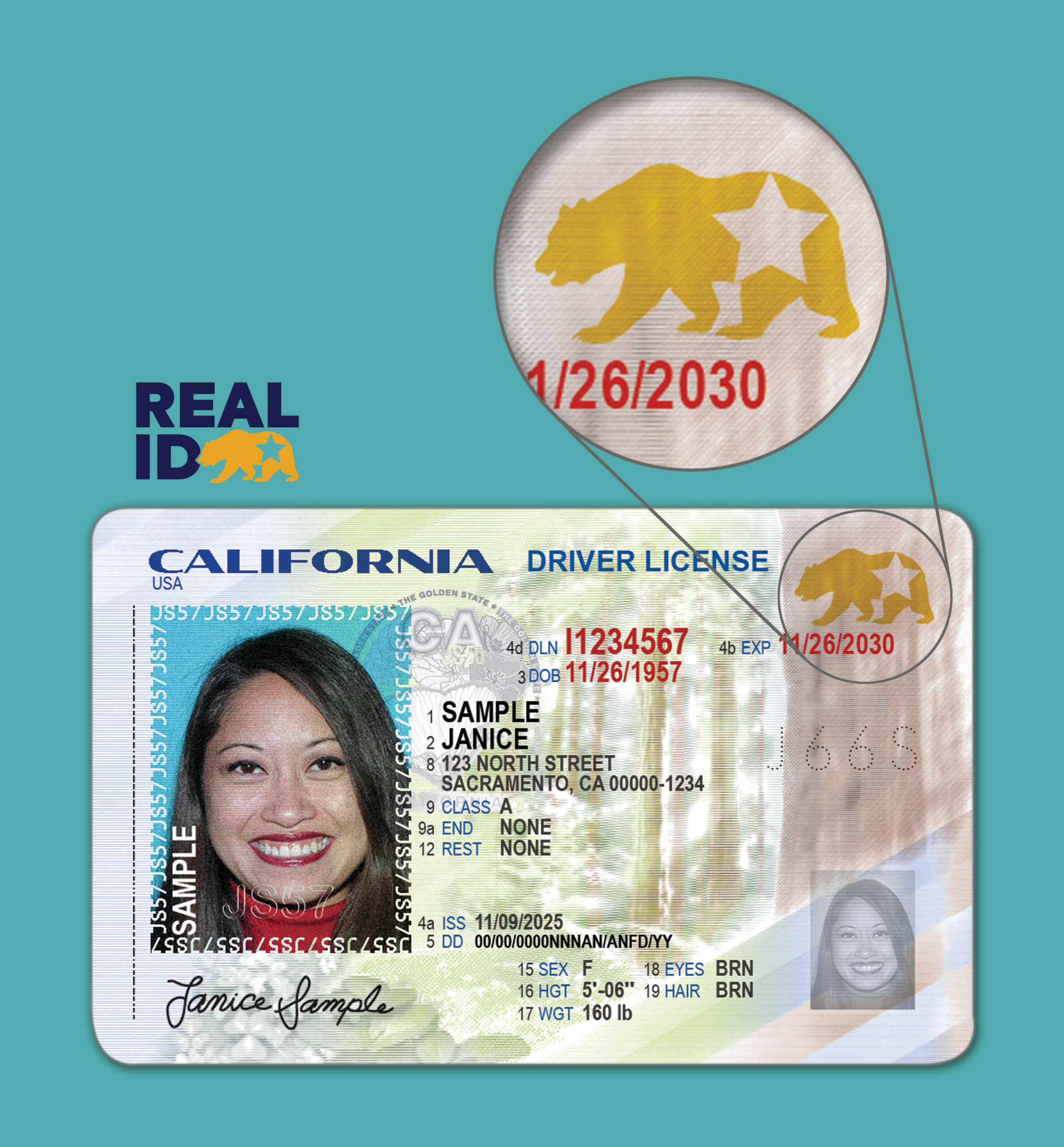
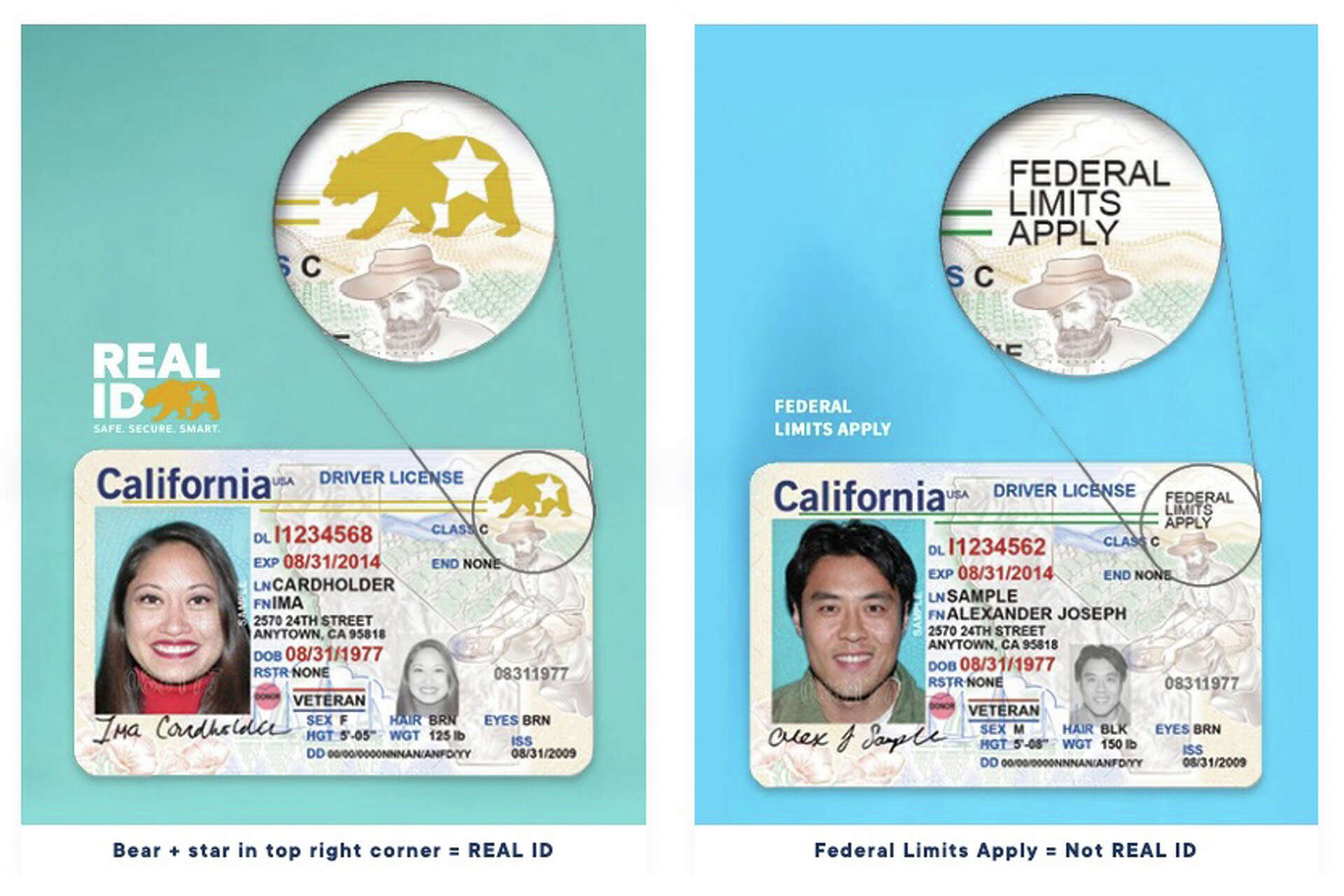
- REAL ID Compliant ID: This card features a bear and star emblem (or a star alone) on the top right corner. It requires additional documentation (proof of identity, residency, and SSN) during the application process to meet federal security standards. If you plan to fly domestically or access federal facilities without a passport, this is the recommended option.
- Federal Non-REAL ID Compliant ID: This card will be marked “FEDERAL LIMITS APPLY” and cannot be used for domestic air travel or entry into federal facilities starting May 7, 2025. It still serves as valid identification for driving, voting, banking, and general state-level identification purposes. The documentation requirements are slightly less stringent.
Choosing between the two depends on your anticipated needs. For most California residents, the REAL ID compliant card offers greater convenience and eliminates the need for an additional form of ID for air travel.
Required Documents for REAL ID Compliance
To obtain a REAL ID compliant California ID, you will need to present:
- One Proof of Identity: As detailed above (e.g., U.S. birth certificate, passport).
- Two Proofs of California Residency: As detailed above (e.g., utility bills, rental agreement).
- One Proof of Social Security Number: As detailed above (e.g., SSN card, W-2).
- Proof of Name Change (if applicable): Certified marriage certificate, court order, etc., if the name on your identity document doesn’t match your current legal name.
It’s vital that all documents are original or certified copies. The DMV will not accept photocopies.
After Your DMV Visit: What to Expect
Once you’ve submitted your application and paid the fee at the DMV, the process isn’t quite complete. There are a few subsequent steps before you receive your permanent California ID.
Temporary Identification
Upon successful application and verification of documents, the DMV will issue you a temporary paper ID card. This temporary card is valid for a limited period (usually 60-90 days) and serves as proof that you have applied for a permanent card. While it functions as valid identification for most purposes within California, it may not be accepted for all situations, particularly for federal purposes or domestic air travel. It’s crucial to carry this temporary document until your permanent card arrives.
Receiving Your Permanent Card
Your permanent California ID card will be mailed to the address provided on your application, typically within two to four weeks. If you do not receive your card within this timeframe, it is important to contact the DMV promptly. Ensure your mailing address is accurate on your application to avoid delays or misdelivery.
Maintaining Your ID
Your California ID card will have an expiration date, usually five years from the date of issue. The DMV typically sends a renewal notice by mail before your card expires. It is your responsibility to renew your ID on time to maintain valid identification. Renewals can often be completed online, by mail, or in person at a DMV office, depending on your eligibility. Keeping your ID current is an ongoing aspect of managing your lifestyle in California.
Tips for a Smooth Application Experience
Securing your California ID doesn’t have to be a stressful ordeal. A little foresight and careful planning can significantly streamline the process.
Preparation is Key
- Start Early: Gather all necessary documents well in advance of your DMV appointment. Double-check that all names match across documents and that documents are original or certified copies.
- Check the DMV Website: The official California DMV website is your most reliable resource for up-to-date requirements, fees, and office hours. Use their “Document Checklist” to ensure you haven’t missed anything, especially for REAL ID.
- Complete the Online Application: Fill out the ID card application online before your visit. This saves time at the DMV and ensures all preliminary information is correctly entered.
- Plan Your Visit: Schedule an appointment online. Consider visiting during off-peak hours (mid-week, mid-morning/afternoon) if a walk-in is unavoidable.
Online Resources
The California DMV offers extensive online resources, including the REAL ID Document Checklist and an appointment scheduler. Utilizing these tools can make the entire process much more manageable.
Common Pitfalls to Avoid
- Incomplete Documentation: This is the most frequent reason for application delays or rejections. Ensure you have all required original documents.
- Name Discrepancies: If names on your identity documents do not match (e.g., due to marriage), bring certified legal documents (marriage certificate, court order) to show the name change.
- Expired Documents: Ensure all identification and residency proofs are current and unexpired.
- Incorrect Information: Double-check all information on your application form for accuracy before submission.
By meticulously following these guidelines, obtaining your California ID can be a straightforward process, paving the way for a more integrated and convenient lifestyle in the vibrant Golden State.
LifeOutOfTheBox is a participant in the Amazon Services LLC Associates Program, an affiliate advertising program designed to provide a means for sites to earn advertising fees by advertising and linking to Amazon.com. Amazon, the Amazon logo, AmazonSupply, and the AmazonSupply logo are trademarks of Amazon.com, Inc. or its affiliates. As an Amazon Associate we earn affiliate commissions from qualifying purchases.