
The pursuit of a Boston Marathon qualifying time is a defining goal for countless runners worldwide. More than just a race, the Boston Marathon is an institution, a symbol of perseverance, and a testament to the human spirit. Its unique appeal stems not only from its storied history, vibrant atmosphere, and challenging course but also from its stringent entry requirements. Unlike most major marathons that offer lottery systems or open registration, Boston demands that participants achieve a specific qualifying time based on their age and gender. This requirement elevates the event, ensuring that those who stand at the starting line in Hopkinton, Massachusetts, have demonstrated exceptional dedication and athletic prowess.
For many, the journey to Boston begins years before they even cross the historic finish line on Boylston Street. It involves countless training miles, strategic race selections, and the unwavering discipline to push physical and mental boundaries. This article delves into the intricacies of these coveted qualifying times, offering a comprehensive guide not only to the standards themselves but also to the broader experience of traveling to, staying in, and exploring the historic city of Boston for this iconic event. From securing your spot to navigating race week and enjoying the city’s rich culture, we’ll cover everything you need to know about transforming your dream of running Boston into a tangible reality.
The Pinnacle of Amateur Running: Understanding Boston Marathon Qualification
Achieving a Boston Marathon qualifying time (B.Q.) is often regarded as one of the most significant accomplishments in an amateur runner’s career. It signifies a level of commitment and speed that sets runners apart, granting them entry into one of the world’s most prestigious running events. The qualifying standards are set by the Boston Athletic Association (B.A.A.), the organization that has meticulously managed the race since its inception in 1897. These standards are not static; they are periodically reviewed and adjusted to manage field sizes and maintain the competitive integrity of the event.
Decoding the B.A.A. Qualifying Standards
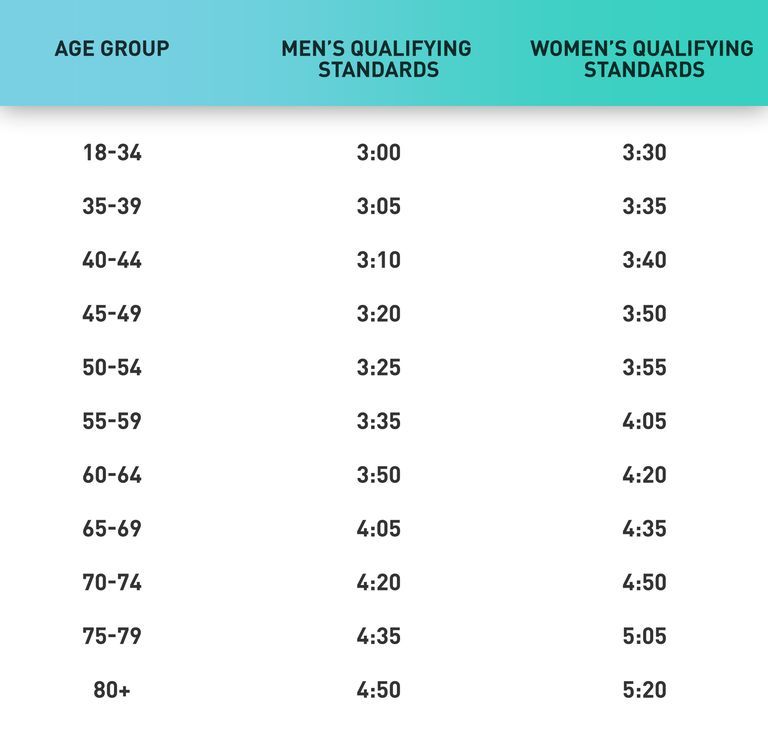
The Boston Marathon qualifying standards are a crucial benchmark for anyone aspiring to participate. They are structured based on age group and gender, acknowledging the natural physiological differences in performance across demographics. For instance, a younger male runner will face a more challenging time standard than an older female runner. These times typically apply to a specific qualifying window, which generally spans from approximately 18 months prior to the race date up until the registration period closes.
To illustrate, here’s a general overview of what the qualifying times typically look like (exact times may vary by year and should always be confirmed on the official B.A.A. website):
-
Men:
- 18-34: 3 hours 00 minutes 00 seconds
- 35-39: 3 hours 05 minutes 00 seconds
- 40-44: 3 hours 10 minutes 00 seconds
- 45-49: 3 hours 20 minutes 00 seconds
- 50-54: 3 hours 25 minutes 00 seconds
- 55-59: 3 hours 35 minutes 00 seconds
- 60-64: 3 hours 50 minutes 00 seconds
- 65-69: 4 hours 05 minutes 00 seconds
- 70-74: 4 hours 20 minutes 00 seconds
- 75-79: 4 hours 35 minutes 00 seconds
- 80 and over: 4 hours 50 minutes 00 seconds
-
Women:
- 18-34: 3 hours 30 minutes 00 seconds
- 35-39: 3 hours 35 minutes 00 seconds
- 40-44: 3 hours 40 minutes 00 seconds
- 45-49: 3 hours 50 minutes 00 seconds
- 50-54: 3 hours 55 minutes 00 seconds
- 55-59: 4 hours 05 minutes 00 seconds
- 60-64: 4 hours 20 minutes 00 seconds
- 65-69: 4 hours 35 minutes 00 seconds
- 70-74: 4 hours 50 minutes 00 seconds
- 75-79: 5 hours 05 minutes 00 seconds
- 80 and over: 5 hours 20 minutes 00 seconds
It’s important to note that merely meeting the qualifying standard does not guarantee entry. Due to the immense popularity of the Boston Marathon, the field often fills with runners who have run times faster than their age group’s standard. This creates a “cut-off” time, meaning applicants often need to run several minutes faster than their stated qualifying time to be accepted. The registration process typically opens in September for the following April’s race, and spots are allocated based on the fastest submitted times relative to their age group. Runners with the greatest buffer below their B.Q. standard are usually accepted first, underscoring the fierce competition.
The Road to Hopkinton: Certified Races and Verification
Once you know your target time, the next step is to achieve it in a certified race. The B.A.A. has strict requirements for qualifying races:
- USATF Certified Courses: For runners in the United States, the marathon course must be certified by USA Track & Field (USATF). Similar national governing bodies certify courses internationally. This certification ensures the course distance is accurate and adheres to global standards.
- Sanctioned Races: The race must be an officially sanctioned event, typically a major marathon, to ensure proper timing, course management, and verification procedures are in place.
- Specific Qualifying Window: As mentioned, your qualifying race must fall within the designated period set by the B.A.A. for that specific Boston Marathon year.
When you register for Boston, you will submit your qualifying time, the name of the race, and its date. The B.A.A. then verifies this information with the race organizers. Therefore, ensuring your chosen marathon meets all these criteria is paramount. Many aspiring Boston qualifiers strategically select “fast” courses—those known for flat profiles and minimal elevation changes—to maximize their chances of hitting their target time. This meticulous planning is an integral part of the lifestyle of a serious amateur runner, where every detail, from training cycles to race day conditions, plays a role in reaching the ultimate goal of Hopkinton.
Beyond the Finish Line: Planning Your Boston Marathon Experience
Successfully qualifying for the Boston Marathon is a monumental achievement, but it’s just the beginning of an unforgettable journey. The trip to Boston itself transforms into an experience rich with anticipation, camaraderie, and discovery. Planning your travel and stay well in advance is crucial, not only to secure preferred accommodations but also to make the most of your time in this historic city.
Navigating Race Week: From Expo to Start Line
Race week in Boston is an electric atmosphere, buzzing with runners from around the globe. The central hub for pre-race activities is the John Hancock Sports & Fitness Expo, typically held at the Hynes Convention Center. Here, runners collect their bibs, explore the latest running gear, attend motivational talks, and soak in the pre-race excitement. It’s an essential stop, not just for logistics but for the immersive experience it offers.
Getting to the start line in Hopkinton on race morning requires careful planning. The B.A.A. provides official bus transportation from designated pick-up points in Boston, usually near the Boston Common or Boston Public Garden. Runners are strongly encouraged to use this service, as parking and traffic near the start line are extremely limited. The journey to Hopkinton is part of the tradition, with buses filled with nervous yet excited runners sharing stories and carb-loading snacks. The Athletes’ Village in Hopkinton offers a space to relax, use facilities, and mentally prepare before the staggered wave starts. Understanding these logistics well in advance can significantly reduce race-day stress and allow you to fully enjoy the iconic moments leading up to the sound of the starting gun.
Essential Accommodation for Runners and Spectators
Securing the right accommodation is paramount for a comfortable and stress-free Boston Marathon experience. Given the event’s popularity, hotels book up rapidly, often a year in advance, and prices surge. Early booking is not just recommended, it’s essential.
When choosing where to stay, consider several factors:

- Proximity to the Finish Line: Many runners prefer hotels in the Back Bay area, particularly around Copley Square and Boylston Street. This allows for easy access to the finish line, post-race amenities, and many of Boston’s main attractions. Hotels like the Fairmont Copley Plaza, Marriott Copley Place, and The Lenox Hotel are prime choices, offering luxury and convenience.
- Access to Transportation: Proximity to subway (T) stations is crucial for getting around the city and reaching bus pick-up points for the start line.
- Amenities for Runners: Look for hotels that offer late check-out options, early breakfast service, or even dedicated runner amenities during race week.
- Budget Considerations: While Back Bay offers luxury, areas slightly further out, like the Theatre District, Financial District, or even across the Charles River in Cambridge, can offer more budget-friendly options without sacrificing accessibility via public transport. Apartments and short-term rentals also provide excellent alternatives, especially for groups or those planning a longer stay.
- Family and Spectator Needs: Consider space, kitchen facilities, and proximity to attractions for family members who will be cheering you on. Hotels such as the Omni Parker House offer historical charm, while boutique hotels like The Eliot Hotel provide a more intimate experience.
Booking travel and accommodation is a significant part of the overall marathon journey. Utilizing hotel comparison sites and booking platforms for early bird deals, or even consulting travel guides focused on Boston, can help streamline the process.
Exploring Boston: A City Rich in History and Charm
While the marathon is undoubtedly the main event, Boston itself offers a captivating backdrop for your visit. Steeped in American history, vibrant with culture, and boasting world-class dining, it’s a destination that warrants exploration before and after race day. Integrating tourism into your marathon trip enhances the overall experience, turning a race into a memorable vacation.
Must-See Landmarks and Attractions
Boston is a walking city, which is perfect for runners looking to do some light sightseeing before the big day (or more extensive exploration after). The city’s rich history is palpable, particularly along the Freedom Trail, a 2.5-mile red-lined path that connects 16 historically significant sites.
Highlights for visitors include:
- Faneuil Hall Marketplace: A historic meeting place and bustling marketplace, perfect for grabbing a bite and people-watching.
- Paul Revere House: The oldest house in downtown Boston, offering a glimpse into colonial life.
- USS Constitution: “Old Ironsides,” the oldest commissioned warship afloat in the world, docked in Charlestown.
- Beacon Hill: Known for its picturesque cobblestone streets, gas lamps, and elegant brownstone homes, especially Acorn Street.
- Boston Common and Boston Public Garden: America’s oldest park and its adjacent formal garden offer serene green spaces for relaxation.
- Museums: The Museum of Fine Arts and the Isabella Stewart Gardner Museum offer world-class art collections, while the New England Aquarium is a hit for families.
- Harvard University: Just a short subway ride to Cambridge, exploring the historic campus is a fascinating experience.
These landmarks provide a deeper appreciation for Boston’s role in American history and its enduring cultural significance, making your trip much more than just a race.
Culinary Delights and Local Culture
Boston is a foodie’s paradise, offering everything from classic New England seafood to a vibrant international dining scene. Post-marathon, you’ll have earned the right to indulge!
- Seafood: No trip to Boston is complete without fresh seafood. Think clam chowder, lobster rolls, and fresh oysters. Head to the waterfront or historic seafood institutions for an authentic taste.
- North End Italian: Boston’s oldest residential neighborhood, the North End, is famed for its authentic Italian restaurants, bakeries, and vibrant street life. It’s the perfect place for a celebratory carbo-load.
- Craft Breweries and Pubs: Boston has a thriving craft beer scene and numerous historic pubs, offering a chance to unwind and savor local brews.
- Sports Culture: Beyond running, Boston is a city obsessed with sports. If your timing is right, catching a Boston Red Sox game at Fenway Park offers an iconic American experience.
Embracing the local culture, whether through its food, history, or passionate sports scene, adds another layer of enjoyment to your Boston Marathon adventure, making it a comprehensive travel experience.
The Lifestyle of a Boston Marathon Qualifier
The journey to the Boston Marathon is a lifestyle choice. It embodies dedication, strategic planning, and an unwavering commitment to a long-term goal. For many, it’s more than just a race; it’s the culmination of years of training and a testament to their passion for running.
Dedication, Training, and the Runner’s Journey
Becoming a Boston Marathon qualifier requires immense discipline. Runners embark on demanding training cycles, often spanning months or even years, meticulously following training plans, adhering to nutrition strategies, and prioritizing recovery. The quest for a B.Q. transforms running from a hobby into a focused pursuit, where every mile, every tempo run, and every long run contributes to the ultimate goal. The mental fortitude required to push through difficult workouts and maintain consistency is as important as physical strength. This journey fosters a unique sense of community among runners, as they share their triumphs and challenges, often finding motivation in each other’s aspirations. Crossing the finish line of a qualifying marathon, knowing you’ve achieved the necessary time, is a moment of profound satisfaction and relief, opening the door to the legendary race in Massachusetts.

Making the Most of Your Trip: Luxury vs. Budget Travel
Once qualified, planning the trip to Boston involves similar considerations for balancing ambition with practicalities. The “lifestyle” of a Boston Marathon qualifier also extends to how they approach their travel.
- Luxury Travel: For those seeking a premium experience, Boston offers an array of high-end hotels, gourmet dining, and concierge services that can cater to every need. Staying in a luxury suite with views of the city, indulging in spa treatments pre- or post-race, and enjoying fine dining are all part of an opulent marathon trip. These experiences elevate the celebration of such a significant achievement.
- Budget Travel: On the other hand, many runners manage to make their Boston dream a reality on a tighter budget. This might involve staying in hostels or more affordable guesthouses, utilizing public transportation extensively, and exploring free attractions like the Freedom Trail or picnics in Boston Common. Eating at casual eateries or local markets can provide delicious and cost-effective culinary experiences.
Regardless of the budget, the core experience remains the same: the privilege of participating in a world-renowned event and soaking in the unique atmosphere of Boston. For many, it’s a family affair, with loved ones traveling to cheer them on, adding a dimension of shared experience and celebration. Spectators often plan their own itineraries, positioning themselves at strategic points along the course, like Heartbreak Hill in Newton or the final stretch on Boylston Street, to witness their runner’s triumph.
In conclusion, “What Are Boston Marathon Qualifying Times?” is a question that opens the door to a world of athletic aspiration, meticulous planning, and rich travel experiences. It’s about understanding the standards, committing to the training, and then embracing the journey to one of America’s most historic cities. From the moment you aim for that qualifying time to the triumphant steps across the finish line and beyond, the Boston Marathon represents a comprehensive and deeply rewarding adventure.
LifeOutOfTheBox is a participant in the Amazon Services LLC Associates Program, an affiliate advertising program designed to provide a means for sites to earn advertising fees by advertising and linking to Amazon.com. Amazon, the Amazon logo, AmazonSupply, and the AmazonSupply logo are trademarks of Amazon.com, Inc. or its affiliates. As an Amazon Associate we earn affiliate commissions from qualifying purchases.