
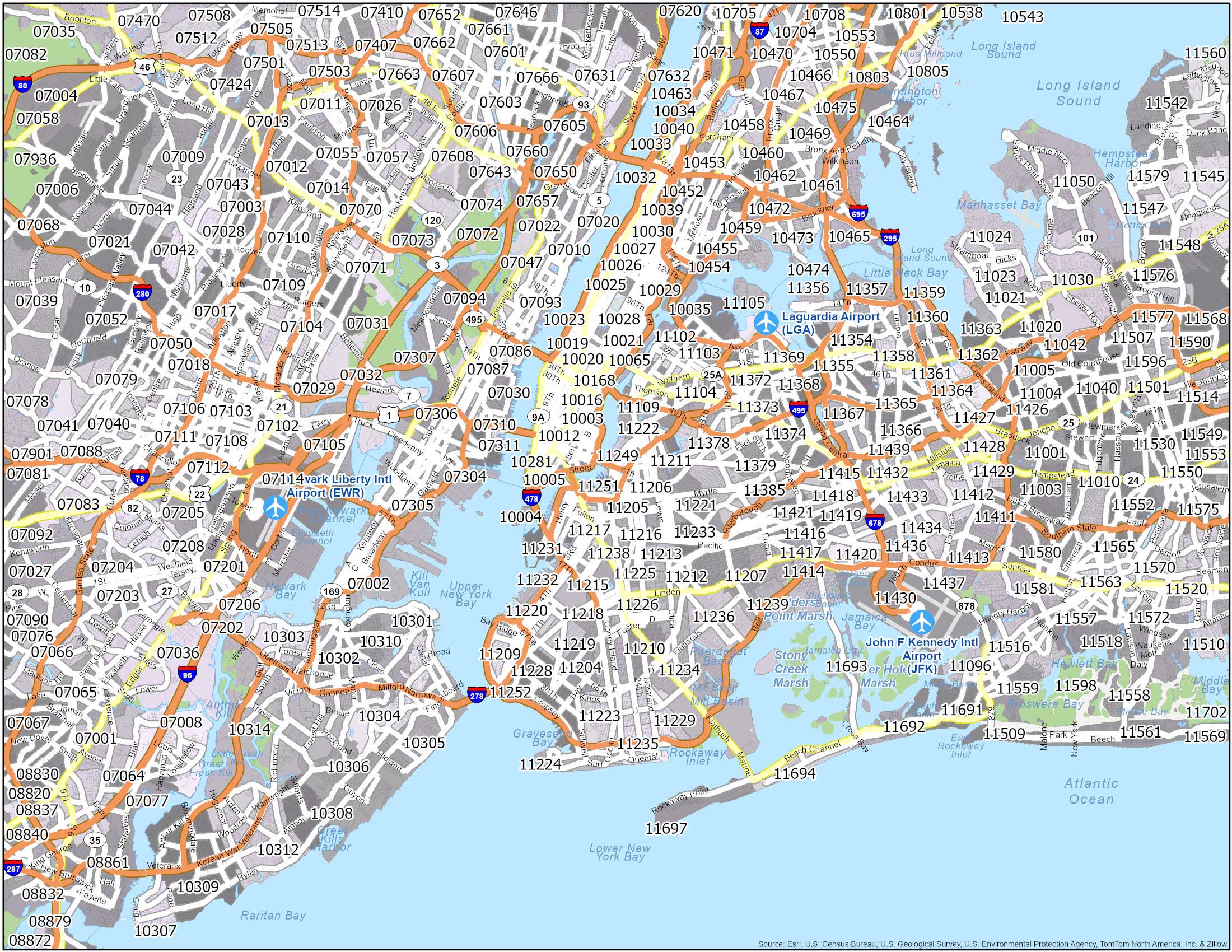
The question “What is the zip code of New York City?” is a common one, yet its simplicity belies a far more complex and fascinating reality. Unlike many smaller municipalities that might share a single postal code, the sprawling metropolis of New York City — a global hub for travel, tourism, commerce, and culture — does not have just one. Instead, it is a mosaic of hundreds of distinct zip codes, each serving as a unique identifier for its countless neighborhoods, communities, and commercial districts across its five diverse boroughs.

For travelers, residents, and businesses alike, understanding this intricate postal tapestry is far more than a mere administrative detail. It’s a key to navigating the city’s vast landscape, discerning its varied lifestyles, and unlocking specific experiences, from booking the perfect accommodation to exploring iconic landmarks or discovering local culinary gems. Each five-digit code tells a story, pinpointing everything from the bustling heart of Manhattan to the quiet, tree-lined streets of Staten Island, and influencing everything from package delivery to property values.
This article delves into the fascinating world of New York City’s zip codes, exploring why this system is essential, how it shapes the city’s identity, and most importantly, how it can enhance your travel planning, accommodation choices, and overall experience in one of the world’s most dynamic destinations.
The Intricate Web of New York City’s Postal Codes
The concept of a Zone Improvement Plan (ZIP) Code was introduced by the United States Postal Service (USPS) in 1963 to improve mail delivery efficiency. For a city as immense and densely populated as New York City, a single zip code would be utterly impractical. The city spans over 300 square miles and is home to nearly 8.5 million residents, distributed across five distinct boroughs, each with its own character, demographic, and infrastructure.
The multitude of zip codes in NYC allows the USPS to manage the staggering volume of mail and packages processed daily, ensuring that everything from personal letters to e-commerce deliveries reaches its intended recipient accurately and promptly. Beyond logistics, these postal codes inadvertently create a granular map of the city, delineating neighborhood boundaries, market segments, and even cultural zones. For anyone looking to explore, invest, or live in New York, grasping this postal geography is fundamental to understanding the city’s rich diversity.
A Borough-by-Borough Breakdown
The zip code system in New York City largely follows borough lines, with each borough assigned a primary range of codes that then subdivide into specific neighborhoods and districts. This segmentation offers invaluable insights for travelers planning their itineraries or searching for the perfect base.
Manhattan: The Urban Core (Typically 100xx-102xx)
Manhattan is arguably the most recognizable borough, famous for its towering skyscrapers, iconic attractions, and pulsating energy. Its zip codes generally fall within the 100xx and 102xx series.
- 10001: Encompasses bustling areas like Midtown Manhattan West, home to Madison Square Garden, the Empire State Building, and parts of Hudson Yards. This zip code is a magnet for business travelers and tourists seeking luxury accommodations or proximity to major transport hubs.
- 10011/10014: Covers the trendy neighborhoods of Chelsea and Greenwich Village, known for their artistic vibe, boutique hotels, and vibrant culinary scenes. Visitors here seek unique experiences, local culture, and diverse food options.
- 10019: The heart of Times Square and the Broadway Theater District, packed with world-class hotels and endless entertainment. This is prime territory for those prioritizing attractions and lively nightlife.
- 10022/10021/10028: Represent the Upper East Side, a residential area synonymous with luxury, high-end shopping on Upper Fifth Avenue, and cultural institutions like the Metropolitan Museum of Art and the Guggenheim Museum. These areas cater to travelers seeking sophisticated stays and upscale dining.
- 10005/10006: Covers the Financial District, including Wall Street, the World Trade Center complex, and the One World Observatory. Ideal for business travelers or those interested in history and monumental architecture.
Brooklyn: The Hip Haven (Primarily 112xx)
Brooklyn, New York City’s most populous borough, is a hub of culture, innovation, and diverse communities. Its zip codes predominantly begin with 112xx.
- 11201: Encompasses Dumbo and Brooklyn Heights, offering stunning views of the Manhattan skyline and the Brooklyn Bridge. It’s a popular spot for boutique hotels and charming apartments, appealing to those seeking a mix of scenic beauty and urban accessibility.
- 11211: The heart of Williamsburg, a magnet for trendy individuals, artists, and foodies. This area is a hotspot for unique local culture, vibrant nightlife, and a wide array of innovative culinary experiences. Accommodation here often includes stylish hotels and short-term apartment rentals.
- 11237: Covers Bushwick, known for its street art, burgeoning gallery scene, and diverse local eateries. It’s a prime destination for budget travelers and those looking for an authentic, off-the-beaten-path NYC experience.
Queens: The World’s Borough (Various, e.g., 111xx, 113xx, 114xx, 116xx)
Queens is the largest borough geographically and the most ethnically diverse, boasting a vast array of cultures and cuisines. Its zip codes are spread across several series.
- 11101/11106: Covers Long Island City and Astoria. Long Island City has seen rapid development, offering modern hotels, impressive waterfront parks, and easy access to Manhattan. Astoria is famous for its Greek heritage, fantastic food, and vibrant local scene. These areas are excellent for travelers seeking value accommodations with convenient public transit.
- 11354/11355: Encompasses Flushing, home to one of the largest and most authentic Chinatowns outside of Asia, as well as a significant Korean community. It’s a culinary destination and offers a rich cultural immersion experience, often attracting budget-conscious travelers.
The Bronx: The Green Oasis (Primarily 104xx)
The Bronx, New York City’s northernmost borough, offers a blend of urban landscapes, historic districts, and expansive green spaces. Its zip codes generally start with 104xx.
- 10458/10467: Covers areas around the Bronx Zoo and the New York Botanical Garden, two of NYC’s premier natural attractions. These areas appeal to family trips and those interested in nature and history.
- 10453: Includes the historic Grand Concourse area, showcasing beautiful Art Deco architecture. This provides a glimpse into the borough’s rich architectural history and local culture.
Staten Island: The Borough of Parks (Primarily 103xx)
Staten Island, accessible by the iconic Staten Island Ferry, offers a quieter, more suburban experience with numerous parks and historical sites. Its zip codes are primarily in the 103xx series.
- 10301: Covers St. George, the main ferry terminal area, providing easy access to Manhattan and housing attractions like the Staten Island September 11 Memorial.
- 10306: Includes areas like Richmondtown, a living history village that offers a unique glimpse into the borough’s past. This appeals to travelers seeking a break from the urban hustle and a deeper dive into local history.

Zip Codes as a Traveler’s Compass: Unlocking NYC Experiences
For visitors, understanding New York City’s zip codes is far more than just knowing where to send a postcard; it’s a strategic tool for enhancing their travel, tourism, and lifestyle experiences. It helps in precise navigation, targeted sightseeing, and finding accommodations that perfectly match individual needs and budgets.
Discovering Iconic Landmarks and Cultural Hotspots
Zip codes can be your secret weapon for exploring New York City’s legendary attractions and hidden gems. By noting the zip code of a particular landmark or neighborhood, you can quickly identify nearby points of interest, restaurants, or transit options, creating more efficient and immersive itineraries.
Imagine wanting to visit the Statue of Liberty and Ellis Island – these are accessed via ferries from Battery Park, which falls under zip code 10004 in the Financial District. Knowing this allows you to explore Stone Street for its historic taverns or the World Trade Center complex immediately before or after your ferry ride, maximizing your time.
Similarly, a stay in the 10023 zip code, encompassing Central Park West, places you steps away from the American Museum of Natural History and the serene beauty of Central Park. If your interest lies in vibrant local culture and diverse food, exploring the 10013 or 10002 zip codes will immerse you in the authentic flavors and bustling streets of Chinatown and Little Italy. From the artistic enclaves of SoHo and NoHo to the historic charm of the West Village, each zip code promises a distinct cultural and experiential journey.
Selecting Your Ideal Accommodation and Lifestyle
One of the most practical applications of knowing NYC zip codes is in selecting accommodation that perfectly aligns with your travel style, budget, and desired experiences. Whether you’re seeking luxury, budget-friendly options, or a unique local stay, zip codes offer a precise filter.
- Luxury Travel: For an opulent experience, consider hotels in prime Manhattan zip codes. The 10019 area boasts the iconic The Plaza Hotel, while 10022 offers the refined elegance of The St. Regis New York. These areas provide unparalleled service, high-end amenities, and proximity to designer boutiques and gourmet restaurants, catering to a sophisticated lifestyle.
- Boutique and Lifestyle Hotels: For those seeking a trendy, curated experience, areas like 10001 offer places such as the Ace Hotel New York in NoMad, known for its vibrant lobby scene and artisanal touches. In Williamsburg (11211), you’ll find stylish hotels that capture the borough’s creative spirit.
- Budget Travel and Value: Travelers on a tighter budget can look to zip codes in Long Island City (11101) or Astoria (11106) in Queens, which offer a range of modern hotels with excellent subway connections to Manhattan at a fraction of the cost. Similarly, parts of Bushwick (11237) and Flushing (11354) provide more affordable guesthouses and apartments, perfect for long-term stays or those looking to save without sacrificing accessibility.
- Family Trips and Business Stays: Zip codes also help differentiate between family-friendly neighborhoods (e.g., those near Central Park like 10024, or the quieter residential parts of Brooklyn) and business-centric zones (e.g., Midtown East 10017 near Grand Central Terminal, or the Financial District 10005). Whether you need a resort-like feel, spacious suites, or serviced apartments, a zip code-aware search can streamline your booking and comparison process for accommodations.
Beyond the Mail: Practicalities and Planning in NYC
The utility of New York City’s zip codes extends beyond simply locating an address. They are an intrinsic part of the city’s logistical and lifestyle fabric, influencing everything from local services to the planning of daily activities.
Essential Logistics for Navigating the City
Understanding zip codes aids in mastering the practicalities of NYC life. For residents, it defines school districts, local government services, and emergency response areas. For visitors, while less critical for daily mail, it’s invaluable for:
- Public Transportation: While subway lines crisscross zip code boundaries, knowing the zip code of your destination can help you identify the closest subway station or bus route more efficiently via mapping apps. For example, heading to Rockefeller Center or Radio City Music Hall (10020) immediately narrows down your transport search to specific subway lines and stops.
- Delivery Services: From food delivery to e-commerce, accurate zip codes are crucial for timely and correct deliveries, a vital aspect of urban living and travel convenience.
- Local Services: Whether you’re looking for a specific type of restaurant, a specialized shop, or a particular amenity, zip codes often align with areas known for these services. Want to find a genuine New York deli? Searching by zip code in a neighborhood like the Upper West Side (10025) or Midtown East (10017) can yield great results.
Crafting a Tailored New York City Experience
The ultimate benefit of comprehending New York City’s postal codes lies in the ability to curate a truly personalized and enriching experience. Each zip code encapsulates a micro-culture, offering a distinct flavor of the city.
- Culinary Explorations: Desire authentic Italian cuisine? Target the 10013 zip code for Little Italy or the 10458 for Arthur Avenue in The Bronx. Craving diverse ethnic foods? Flushing (11354) or Astoria (11106) will deliver.
- Shopping Districts: For luxury fashion, the 10022 and 10019 areas along Fifth Avenue are unparalleled. For unique boutiques and galleries, explore SoHo (10012) or the Meatpacking District (10014).
- Arts and Entertainment: Beyond Broadway in 10019, zip codes can lead you to cutting-edge art in Chelsea (10011), indie music venues in Williamsburg (11211), or world-class museums along Museum Mile (10028).
- Nature and Relaxation: Escape the urban jungle by heading to zip codes like 10458 for the New York Botanical Garden, 10301 for the green spaces of Staten Island, or exploring the elevated park of The High Line in 10011. Even popular beaches like Coney Island (11224) or Rockaways (11693) have their own distinct postal codes, guiding you to seaside escapes.
By using zip codes as a guiding principle, travelers can move beyond generic guides and craft a highly personalized journey, experiencing New York City not just as a destination, but as a collection of unique, vibrant worlds waiting to be discovered.
In conclusion, there isn’t a single zip code for New York City because it is a constantly evolving, expansive metropolis, a collection of unique neighborhoods and communities. Each of its numerous zip codes acts as a vital navigational tool, a key to understanding the city’s diverse geography, culture, and lifestyle. For anyone planning to visit, stay, or simply explore this incredible destination, embracing the mosaic of NYC zip codes will undoubtedly lead to a richer, more efficient, and ultimately more memorable experience. From finding the perfect suite or villas for your accommodation to uncovering hidden local eateries and iconic landmarks, these five-digit identifiers are your personal guide to the boundless opportunities that New York City offers.
LifeOutOfTheBox is a participant in the Amazon Services LLC Associates Program, an affiliate advertising program designed to provide a means for sites to earn advertising fees by advertising and linking to Amazon.com. Amazon, the Amazon logo, AmazonSupply, and the AmazonSupply logo are trademarks of Amazon.com, Inc. or its affiliates. As an Amazon Associate we earn affiliate commissions from qualifying purchases.