
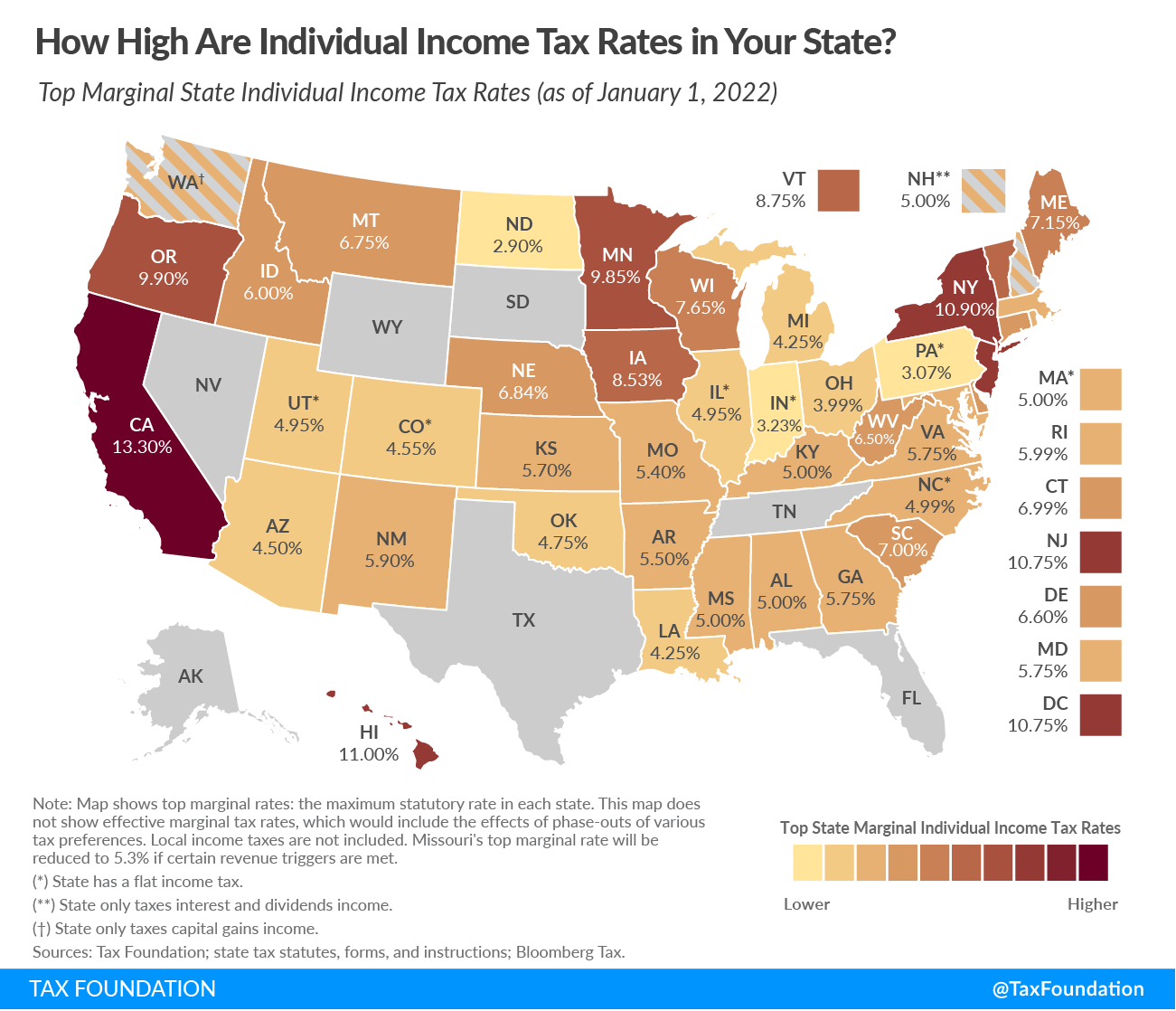
For many individuals and businesses considering a move to or investment in the Sunshine State, a crucial question arises: “What are income taxes in Florida?” This inquiry is often prompted by the perception of Florida as a tax-friendly state, and indeed, it holds a distinct advantage for many in this regard. Unlike a majority of U.S. states, Florida does not impose a state-level income tax on individuals. This absence of a personal income tax is a significant draw, impacting everything from personal financial planning to business relocation decisions. However, understanding the complete tax landscape requires looking beyond just personal income tax to encompass other forms of taxation that do affect residents and visitors.
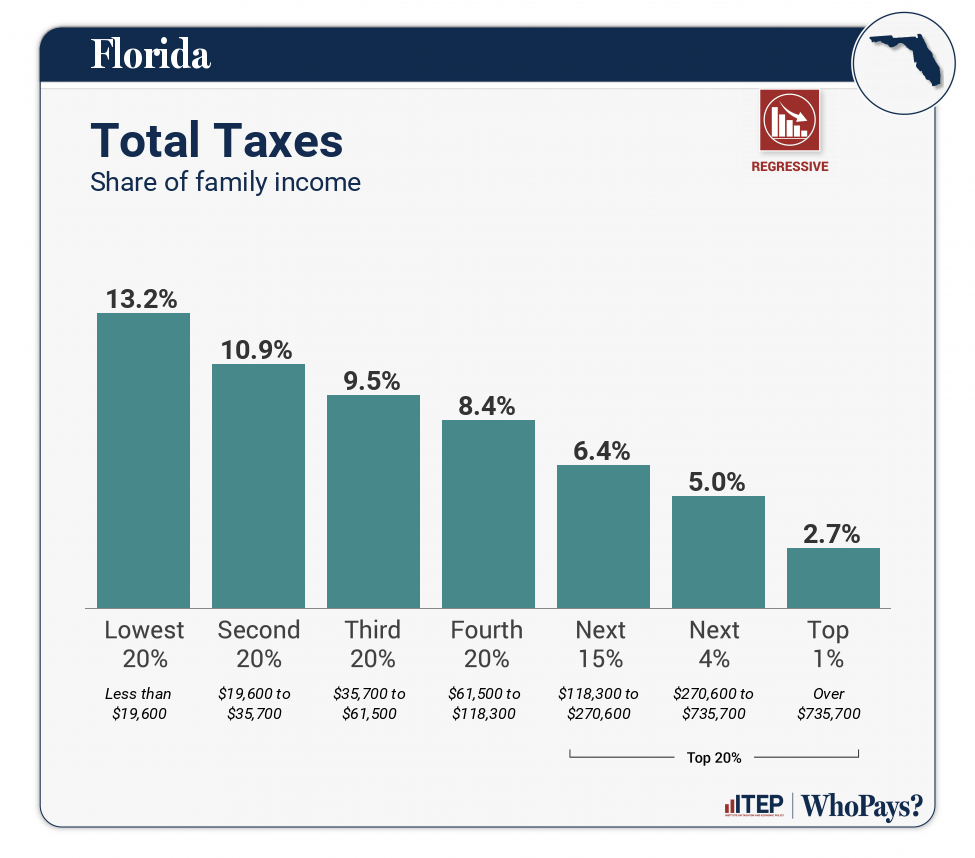
This article will delve into the specifics of Florida’s tax structure, focusing on what it means for individuals and businesses, and exploring the various taxes that do exist within the state.
The Absence of Personal Income Tax in Florida
The most celebrated aspect of Florida’s tax policy is its lack of a personal income tax. This means that wages, salaries, tips, bonuses, and other forms of earned income are not subject to state taxation. This is a stark contrast to states like California or New York, which have progressive income tax rates that can significantly impact an individual’s net earnings.
Implications for Residents
For residents, the absence of personal income tax translates into greater disposable income. This can lead to increased consumer spending, higher savings rates, and a greater capacity for investment. Many individuals choose to retire in Florida precisely because of this tax benefit, allowing their retirement savings to stretch further without the burden of state income tax deductions. This financial freedom can enable retirees to enjoy their golden years with more financial flexibility, whether that involves frequent travel, pursuing hobbies, or supporting local businesses.
Implications for Businesses
The absence of personal income tax also extends to business owners and their employees. This creates an attractive environment for businesses looking to relocate or establish new operations. Lower overall tax burdens can contribute to increased profitability, allowing businesses to reinvest in growth, offer more competitive compensation packages, or expand their workforce. Companies that are heavily reliant on skilled labor might find Florida a particularly appealing location, as the lack of personal income tax can make job offers more attractive to potential employees. Furthermore, this policy can foster entrepreneurship, as individuals may feel more empowered to start their own ventures knowing that a significant portion of their profits won’t be subject to state income tax.
The Constitutional Basis
The prohibition of a state income tax in Florida is enshrined in the state constitution. Article VII, Section 5 of the Florida Constitution explicitly states that “No tax upon income shall be levied by the state or its subdivisions.” This constitutional protection ensures that Florida’s income tax-free status is not easily altered by legislative action, providing a stable and predictable tax environment. This was a deliberate choice made by the state’s founders and has been a cornerstone of its economic strategy for decades.
Understanding Florida’s Sales and Use Tax
While Florida boasts no personal income tax, it does rely on other revenue streams to fund its state and local services. The most significant of these is the sales and use tax. This tax is applied to the retail sale of tangible personal property and certain services. The statewide sales tax rate is 6%, with an additional 0.5% levied for the state’s Local Option Sales Tax, bringing the total to 6.5% in most areas. Some counties may have additional discretionary sales surtaxes, which can increase the combined rate.
What is Taxed?
The scope of Florida’s sales tax is broad. It applies to items such as clothing, electronics, furniture, automobiles, and many other goods purchased for personal or business use. Services that are subject to sales tax include, but are not limited to:
- Admissions to entertainment venues, such as theme parks and sporting events.
- Rental or leasing of tangible personal property.
- Commercial rentals.
- The repair or maintenance of tangible personal property.
- Some personal services, like the repair of watches and jewelry.
It is important to note that certain essential goods and services are exempt from sales tax to alleviate the burden on consumers. These often include groceries (excluding prepared foods), prescription medications, and residential rent.
Use Tax: A Complementary Measure
Florida also imposes a use tax, which is complementary to the sales tax. The use tax applies to tangible personal property and certain services purchased outside of Florida but brought into the state for use, storage, or consumption. This tax is essentially the same rate as the sales tax (6.5% or higher, depending on local surtaxes) and is designed to prevent consumers from evading Florida sales tax by making purchases in other states with lower or no sales tax. For example, if a Florida resident purchases a car in a neighboring state and brings it back to Florida, they would owe Florida’s use tax on the purchase price. Similarly, if a business orders goods online from an out-of-state vendor that does not collect Florida sales tax, the business would be responsible for remitting the use tax directly to the state.
Property Taxes in Florida
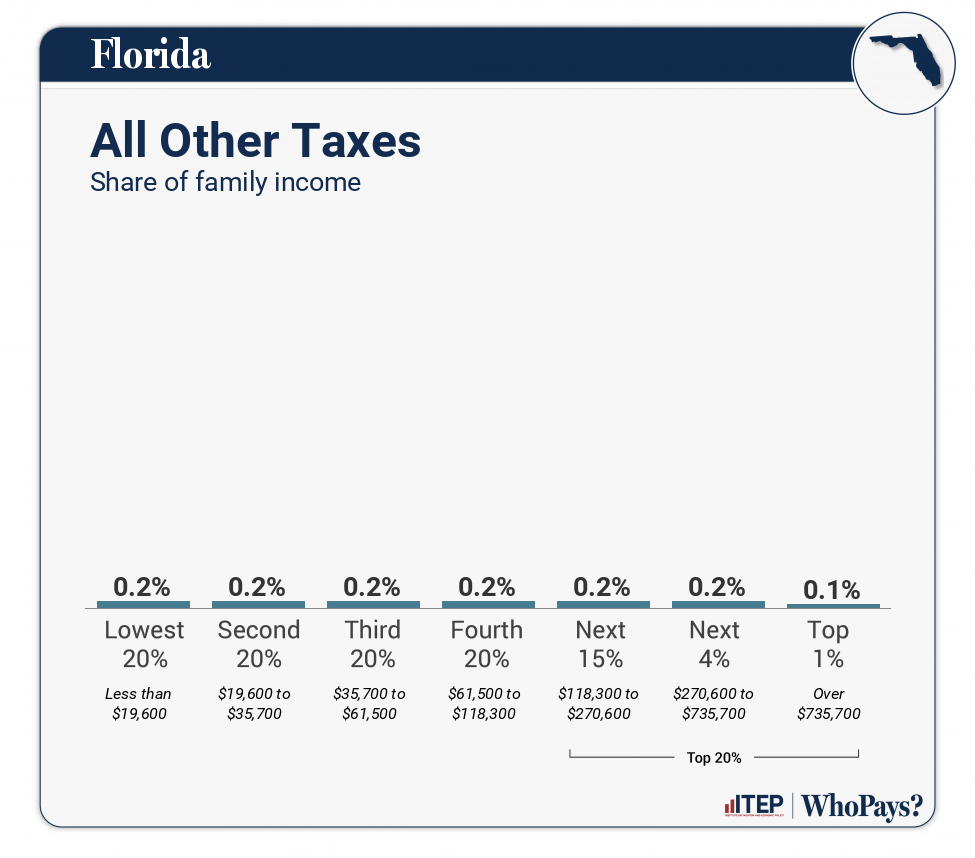
Property taxes are a significant source of revenue for local governments in Florida, funding essential services such as public schools, police and fire departments, and local infrastructure. These taxes are levied on both real estate (land and buildings) and tangible personal property (such as business equipment and vehicles not registered for road use).
Assessment and Rates
Property taxes are based on the assessed value of the property, which is typically the market value. However, Florida offers several homestead exemptions that can significantly reduce the taxable value of a primary residence. The most common is the general homestead exemption, which reduces the assessed value of a homestead property by $25,000 for tax purposes, with an additional $25,000 applied to the value between $75,000 and $100,000. There are also additional exemptions for seniors, veterans, and individuals with disabilities.
The tax rate, known as the millage rate, is set annually by each taxing district (e.g., county, city, school district). One mill is equal to $1 of tax for every $1,000 of taxable property value. Property owners receive a tax bill based on their property’s assessed value, any applicable exemptions, and the millage rates of the taxing districts in which the property is located.
Impact on Homeowners and Businesses
For homeowners, property taxes are a recurring expense, although the homestead exemption can provide substantial relief. For businesses, property taxes on commercial real estate and tangible personal property can be a significant operational cost. Understanding the assessment process, available exemptions, and local millage rates is crucial for both individual property owners and businesses operating in Florida.
Other Taxes and Fees in Florida
Beyond sales and property taxes, Florida has other taxes and fees that affect individuals and businesses.
Corporate Income Tax
While Florida does not have a personal income tax, it does impose a corporate income tax on businesses. The current rate is 5.5% of net income. This tax applies to most corporations operating in Florida, though there are certain exemptions and credits available. This makes Florida’s corporate tax rate competitive when compared to many other states, contributing to its appeal for businesses.
Unemployment Compensation Tax
Employers in Florida are required to pay unemployment compensation tax, which funds the state’s unemployment benefits program. The tax rate varies based on an employer’s industry and their history of layoffs. This is a standard tax for employers across the United States, designed to provide a safety net for workers who lose their jobs through no fault of their own.
Excise Taxes
Florida levies excise taxes on various goods, including motor fuels, alcoholic beverages, tobacco products, and certain utilities. These taxes are generally paid by the consumer at the point of purchase or consumption. For example, the state gasoline tax is an excise tax that is added to the price of gasoline.
Intangible Personal Property Tax
Florida previously had an intangible personal property tax on certain investments, such as stocks, bonds, and other financial assets. However, this tax was phased out and is no longer in effect for most taxpayers.
Conclusion: A Tax Landscape Shaped by Choice
Florida’s tax structure is a product of deliberate policy choices, with the absence of personal income tax being a defining characteristic. This has profound implications for individuals and businesses, fostering an environment of greater financial freedom and economic attractiveness. While residents and businesses do not face the burden of state income tax, they are subject to sales and use taxes on goods and services, property taxes that fund local government, and a corporate income tax for businesses.
Understanding this nuanced tax landscape is essential for anyone considering a move to Florida, investing in its economy, or simply navigating the financial realities of living and working in the state. The Sunshine State offers a unique proposition: a vibrant economy and lifestyle with a significantly lighter direct tax burden on earned income, balanced by robust taxation on consumption and property. This strategic approach has undoubtedly played a key role in Florida’s sustained growth and popularity as a place to live, work, and visit.
LifeOutOfTheBox is a participant in the Amazon Services LLC Associates Program, an affiliate advertising program designed to provide a means for sites to earn advertising fees by advertising and linking to Amazon.com. Amazon, the Amazon logo, AmazonSupply, and the AmazonSupply logo are trademarks of Amazon.com, Inc. or its affiliates. As an Amazon Associate we earn affiliate commissions from qualifying purchases.