
Understanding the Marriott Legacy
When travelers plan a getaway, a business trip, or a long-awaited family vacation, a familiar name often comes to mind. But what exactly are Marriott Hotels? At its core, the brand represents one of the largest and most influential hospitality companies in the world. Founded as a root-beer stand in Washington D.C. by J. Willard Marriott and his wife Alice, the enterprise has evolved over nearly a century into a global lodging empire. Today, the corporation operates under the umbrella of Marriott International, overseeing an astonishing portfolio of properties spanning major metropolitan hubs, remote island resorts, and historic European capitals.
The brand’s identity goes beyond merely offering a place to sleep. It stands for consistency, global reach, and a tiered approach to hospitality that caters to everyone from budget-conscious backpackers to high-flying executives. By acquiring and developing dozens of distinct brands, the corporation has positioned itself as a dominant force in the hospitality industry, shaping how modern travelers experience comfort, design, and service across the globe.
Decoding the Brand Portfolio
From Budget to Ultra-Luxury
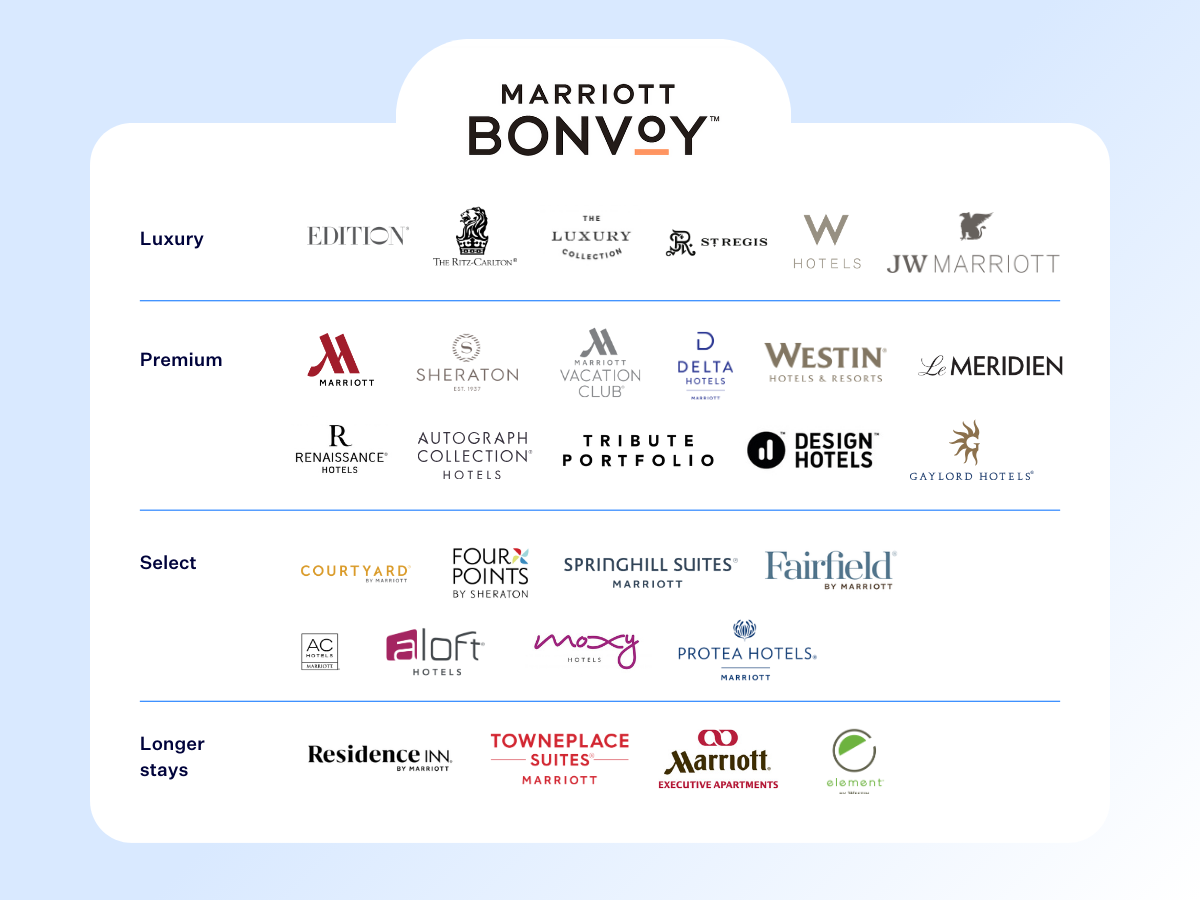
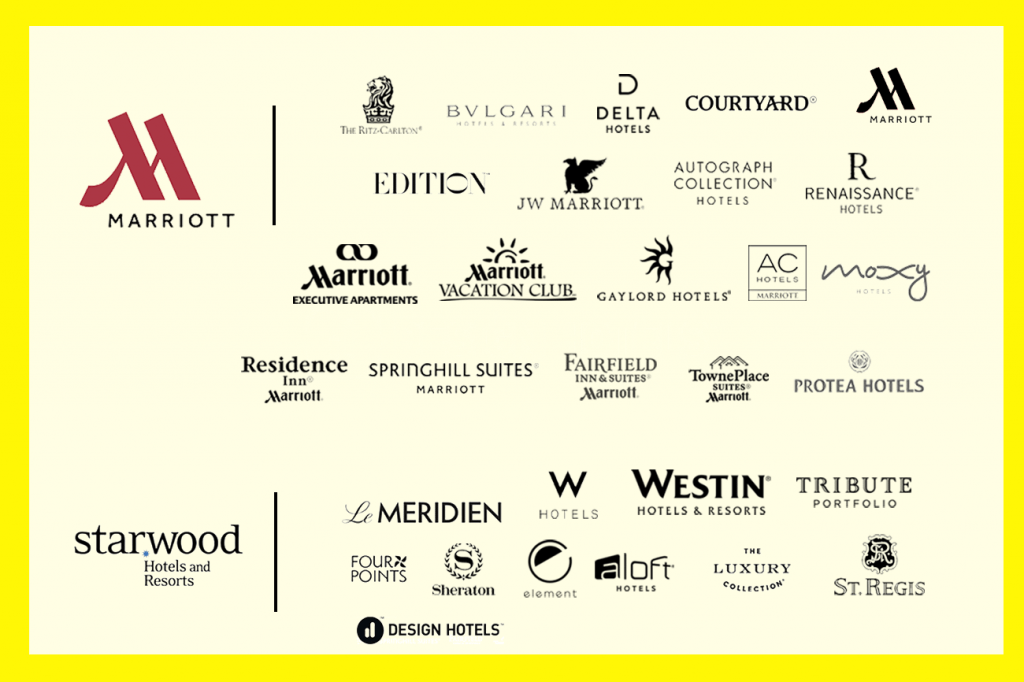
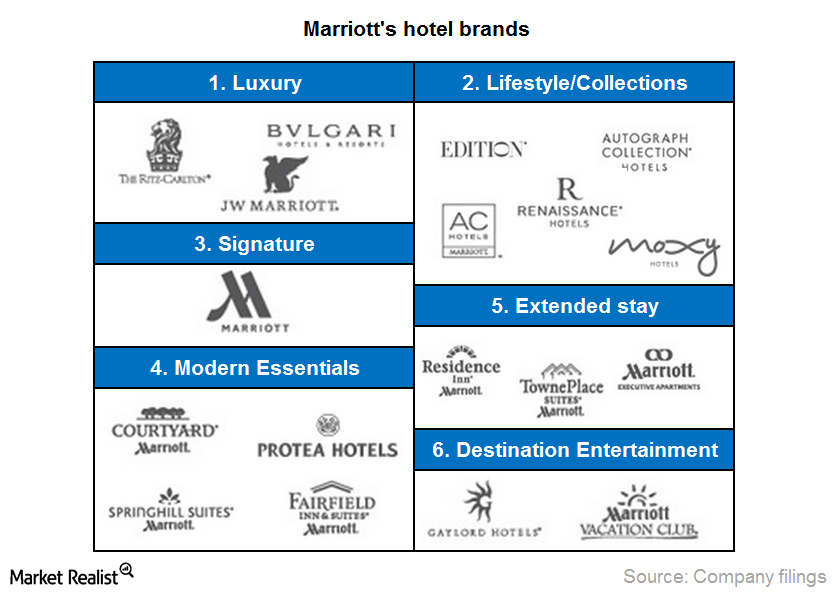
One of the most defining characteristics of the enterprise is its sprawling brand architecture. Travelers are often surprised to learn that many of their favorite lodging chains actually fall under the same corporate umbrella. The ecosystem is carefully segmented to ensure that every demographic finds a property tailored to their specific needs and financial comfort zones.
For instance, select-service properties like Courtyard by Marriott and Fairfield by Marriott focus on functionality, modern workspaces, and reliable amenities for business travelers and road-trippers. Meanwhile, extended-stay options such as Residence Inn and TownePlace Suites provide apartment-style living complete with full kitchens, making them ideal for guests relocating or embarking on multi-week journeys.
Premium and Luxury Collections
Moving up the spectrum, the flagship Marriott Hotels & Resorts banner delivers elevated dining, expansive lobby spaces, and comprehensive convention facilities. These properties are often found anchoring downtown districts or serving as premier beachfront destinations in places like Maui or Phuket.
At the pinnacle of the portfolio lie luxury and lifestyle brands. Properties under the The Ritz-Carlton name redefine opulence with legendary personalized service and timeless elegance. For design enthusiasts, the W Hotels brand injects vibrant nightlife, cutting-edge architecture, and energetic social scenes into urban centers like New York City and Barcelona. Other notable luxury banners include St. Regis Hotels & Resorts, JW Marriott, and the design-forward Autograph Collection.
Signature Amenities and Guest Experiences
The Evolution of the Modern Lobby
The hospitality landscape has shifted dramatically over the past two decades, and the company has consistently led the charge in redefining common spaces. Gone are the days of sterile, transactional front desks where guests simply check in and hurry away. Modern properties have transformed their lobbies into dynamic social hubs.
These reimagined spaces—often found in flagship urban locations and suburban outposts alike—blend work, dining, and relaxation. Guests can seamlessly transition from a morning coffee at a communal farm-to-table café to a casual afternoon laptop session, ending the evening with craft cocktails at a sleek, backlit bar. This architecture of connection fosters a sense of community, ensuring that even solo travelers feel engaged in their temporary surroundings.
Wellness, Dining, and Recreation
Beyond public spaces, guest rooms and resort amenities reflect a deep commitment to modern comfort. Signature bedding, ergonomic workspaces, and high-speed connectivity are standard across most tiers. In higher-end properties, culinary programs are frequently spearheaded by Michelin-starred chefs, turning hotel restaurants into local dining destinations rather than mere fallback options for tired guests.
Wellness has also taken center stage. State-of-the-art fitness centers, customized outdoor running maps, and world-class spas—such as those managed by The Ritz-Carlton Spa—cater to travelers who refuse to abandon their health routines while on the road. Whether it is an infinity pool overlooking the crystal-clear waters of the Caribbean or a tranquil courtyard garden hidden within the bustling streets of Tokyo, the focus remains on holistic rejuvenation.
Loyalty and the Marriott Bonvoy Ecosystem
More Than Just a Rewards Program
It is impossible to discuss the brand without mentioning its powerhouse loyalty platform, Marriott Bonvoy. Serving as the beating heart of the company’s customer retention strategy, the program connects millions of members across thousands of properties worldwide. Earning points is not restricted to overnight stays; members can accumulate rewards through dining, car rentals, co-branded credit cards, and everyday lifestyle partnerships.
The true value of the ecosystem lies in its redemption flexibility. Points can be used for complimentary nights, room upgrades, airline miles, and exclusive experiences through Marriott Bonvoy Moments, which grant access to VIP concerts, culinary masterclasses, and championship sporting events. For frequent flyers and business road-warriors, achieving elite status unlocks tangible perks such as late checkout, complimentary breakfast, executive lounge access, and room upgrades.
Digital Innovation and Seamless Travel
In an era dominated by smartphone technology, the brand has invested heavily in digital infrastructure to streamline the guest journey. The mobile application acts as a remote control for the entire stay. Guests can use digital keys to bypass the front desk entirely, chat directly with concierge staff for local recommendations, and order room service straight to their door with a few taps on a screen.
This technological integration extends to home-sharing markets as well. Through initiatives like Homes & Villas by Marriott Bonvoy, travelers seeking private luxury rentals can book carefully curated properties while still earning and redeeming loyalty points—bridging the gap between traditional hotel reliability and independent vacation home rentals.
The Global Impact and Future of Hospitality
Sustainability and Social Responsibility
As travelers become increasingly conscious of their ecological footprint, major hospitality players face mounting pressure to operate sustainably. The corporation has instituted ambitious environmental goals, focusing on reducing carbon intensity, water consumption, and single-use plastics across its global portfolio. Many new builds incorporate LEED-certified architecture, energy-efficient lighting systems, and locally sourced materials.
Furthermore, corporate social responsibility initiatives emphasize community engagement and workforce diversity. Programs aimed at empowering youth, supporting disaster relief efforts, and promoting sustainable agriculture demonstrate that the brand’s scope extends far beyond commercial lodging.
What the Future Holds
What are these hotels today? They are dynamic ecosystems that reflect the changing ways we live, work, and explore the world. By constantly adapting to consumer trends—ranging from the rise of bleisure travel (combining business and leisure) to the demand for hyper-personalized local experiences—the brand continues to set the benchmark for modern hospitality.
Whether someone is booking a quick overnight stop near an airport terminal or celebrating an anniversary at an overwater bungalow in the Maldives, the underlying promise remains the same: a reliable, high-quality standard of service backed by decades of industry expertise. As the travel landscape evolves, the footprint of these iconic properties will undoubtedly continue to expand, shaping the future of global tourism one stay at a time.
LifeOutOfTheBox is a participant in the Amazon Services LLC Associates Program, an affiliate advertising program designed to provide a means for sites to earn advertising fees by advertising and linking to Amazon.com. Amazon, the Amazon logo, AmazonSupply, and the AmazonSupply logo are trademarks of Amazon.com, Inc. or its affiliates. As an Amazon Associate we earn affiliate commissions from qualifying purchases.