
For travelers planning a getaway to the Silver State, understanding the local fiscal landscape is an essential part of trip preparation. Whether you are budgeting for a high-end weekend at a luxury resort in Las Vegas or planning a road trip through the scenic valleys of Nevada, being aware of the sales tax rate ensures that your financial expectations align with the reality of your expenses. While the headline number might seem straightforward, the actual cost of your purchase at a checkout counter often involves a combination of state and local levies.
Understanding the Base Sales Tax Structure
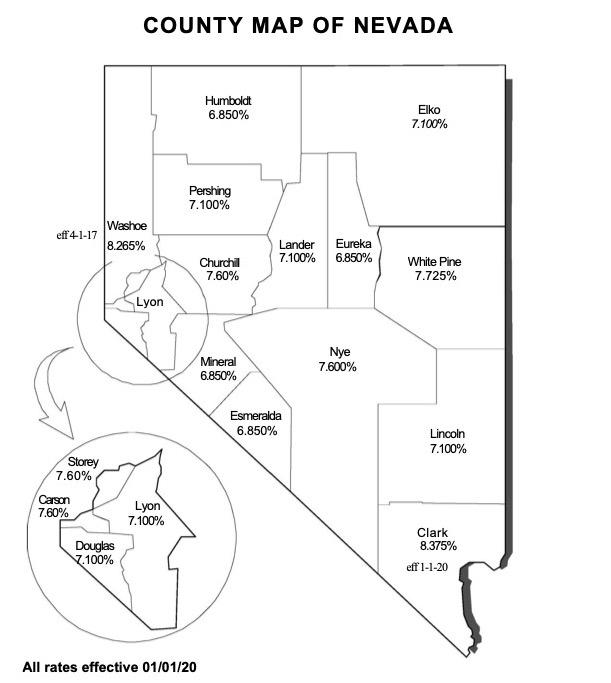
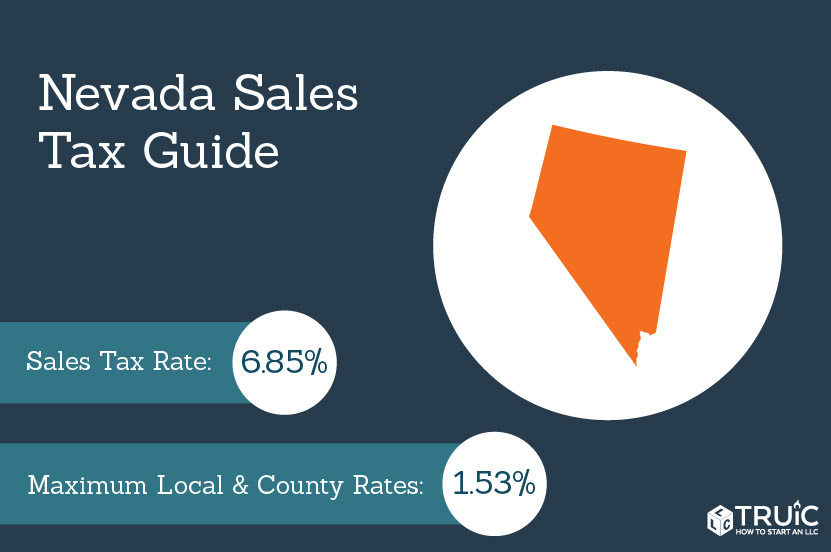
In Nevada, the sales tax system is composed of two primary layers: a base state rate and additional local or county-specific rates. The statewide base rate is 6.85%. However, visitors will rarely pay exactly this amount, as every county in the state imposes its own supplementary taxes to fund local services, infrastructure, and tourism initiatives.
The Role of County Adjustments
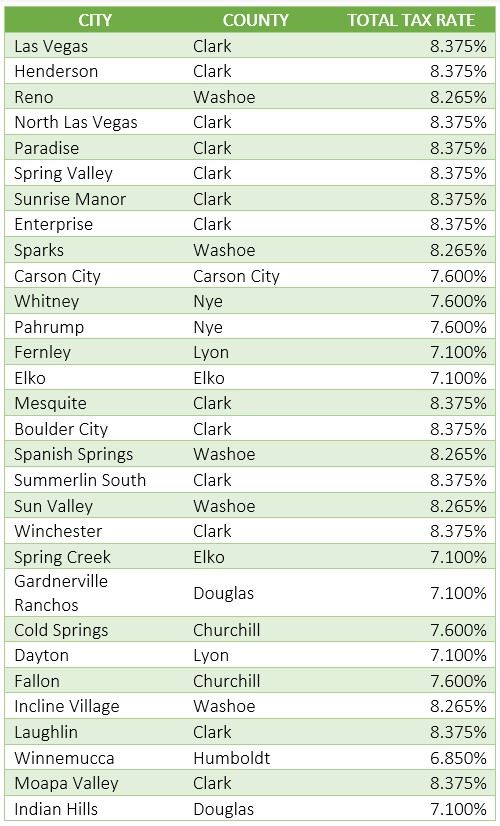
Because each county has the authority to implement additional taxes, the total sales tax rate you pay depends heavily on your geographical location. For example, Clark County, which encompasses the bustling Las Vegas Strip, typically sees higher combined rates than more rural or sparsely populated counties. These adjustments are usually directed toward supporting public transport, public safety, and the massive tourism infrastructure that keeps major hubs like Reno and Henderson running smoothly.
How Tax Impacts Travel Budgets
When you factor in your daily travel budget, sales tax is frequently overlooked until the first time you purchase a meal or a souvenir. If you are staying at a major property such as the Bellagio or the Caesars Palace, the taxes added to your bill can be significant when aggregated over a multi-day stay. Travelers should anticipate that the total tax rate on general retail purchases in major urban areas will typically hover between 8.25% and 8.38%.
Navigating Taxes on Tourism-Related Expenses
It is a common misconception that all consumer goods and services are taxed at the same rate. In the travel and tourism industry, different categories of spending often trigger unique tax requirements. Understanding these nuances can help you manage your funds more effectively during your visit to Nevada.
Lodging and Room Taxes
One of the most significant line items for any traveler is the cost of accommodation. Whether you are booking a room at the Wynn Las Vegas or a boutique stay in Lake Tahoe, you will encounter “lodging taxes” or “transient occupancy taxes.” These are distinct from the general sales tax and are specific to the hospitality sector.
In major tourist centers, these taxes often include a surcharge intended to support the local convention authority and tourism promotion agencies. When checking your final bill at a resort like The Venetian, do not be surprised to see these additional fees clearly delineated. They are a standard part of the cost of doing business in a world-class destination like Nevada.
Dining and Entertainment
Dining out at world-class restaurants, such as those found within The Cosmopolitan or along the Fremont Street Experience, attracts the standard local sales tax rate. However, entertainment purchases, including tickets to shows or sporting events at the Allegiant Stadium, may also be subject to an additional live entertainment tax. This is a common feature in Las Vegas and other major gaming hubs, designed to capitalize on the high demand for spectacles and performances.
Tips for Savvy Spending in Nevada
To maximize your travel budget while visiting Nevada, consider how the local tax structure influences your spending habits. Being an informed traveler allows you to anticipate costs and avoid unpleasant surprises when it comes time to settle your accounts.
Plan for Variable Rates
If you are planning to shop for luxury goods or high-ticket items, it is worth noting that tax rates can fluctuate based on the specific municipality where the retail outlet is located. A shopping trip to an outlet mall in a suburban area might save you a fraction of a percent in tax compared to a purchase made directly on the Las Vegas Strip. While these differences are often minor, they can add up for larger purchases.
Budgeting for the “Hidden” Costs
Always set aside a buffer in your travel budget to account for the gap between the “sticker price” of an item or service and the final “out-the-door” cost after taxes and resort fees. When booking your stay at properties like the Mandalay Bay or the Aria Resort and Casino, utilize online tools that display the total estimated cost, inclusive of taxes and mandatory fees. This transparency is key to a stress-free vacation.
Understanding Tax Exemptions
While most consumer goods in Nevada are taxable, there are certain exemptions for essential items, such as most unprepared grocery foods. If you are stocking up on snacks for a road trip through Great Basin National Park or visiting a local market in Carson City, you may find that your grocery bill is lighter on taxes than your restaurant or souvenir bills. Being mindful of these small nuances can help you allocate your travel funds toward the experiences that matter most, whether that is fine dining, spa treatments, or exhilarating casino gaming.
Conclusion: Staying Informed While You Travel
Visiting a major tourist destination like Nevada is an exciting experience that comes with its own unique set of financial parameters. By recognizing that the sales tax rate is a composite of state and local levies, you can better prepare for your trip and enjoy your time at world-famous landmarks such as the Hoover Dam or the vibrant nightlife of Las Vegas with confidence. Remember to always review your final receipts, inquire about resort-specific taxes, and incorporate these costs into your overall travel planning. With the right preparation, you can focus on the sights, sounds, and unforgettable experiences that define a visit to the Silver State.
LifeOutOfTheBox is a participant in the Amazon Services LLC Associates Program, an affiliate advertising program designed to provide a means for sites to earn advertising fees by advertising and linking to Amazon.com. Amazon, the Amazon logo, AmazonSupply, and the AmazonSupply logo are trademarks of Amazon.com, Inc. or its affiliates. As an Amazon Associate we earn affiliate commissions from qualifying purchases.