
Understanding the Foundation of Arizona Property Taxes for Long-Term Accommodation
For anyone considering a long-term stay or the significant commitment of homeownership in Arizona, understanding the intricacies of property taxes is absolutely essential. These taxes, formally known as ad valorem taxes, are levied by local governmental entities on the value of real estate. They represent a fundamental financial obligation that underpins the funding of vital community services and infrastructure, directly impacting the overall cost and financial planning for your accommodation. In Arizona, while the state establishes the general framework, property taxes are primarily administered and collected at the county level, with funds distributed to various local jurisdictions. This decentralized approach means that the specifics of your tax bill can vary considerably depending on which county, city, or special district your property is located within, making localized knowledge crucial for prospective residents. Being well-informed about Arizona’s property tax system allows homeowners and long-term residents to accurately budget, understand their civic contributions, and even identify potential avenues for relief, ensuring a more stable and predictable living experience in the Grand Canyon State.
How Arizona Property Taxes are Calculated: Key Components for Homeowners
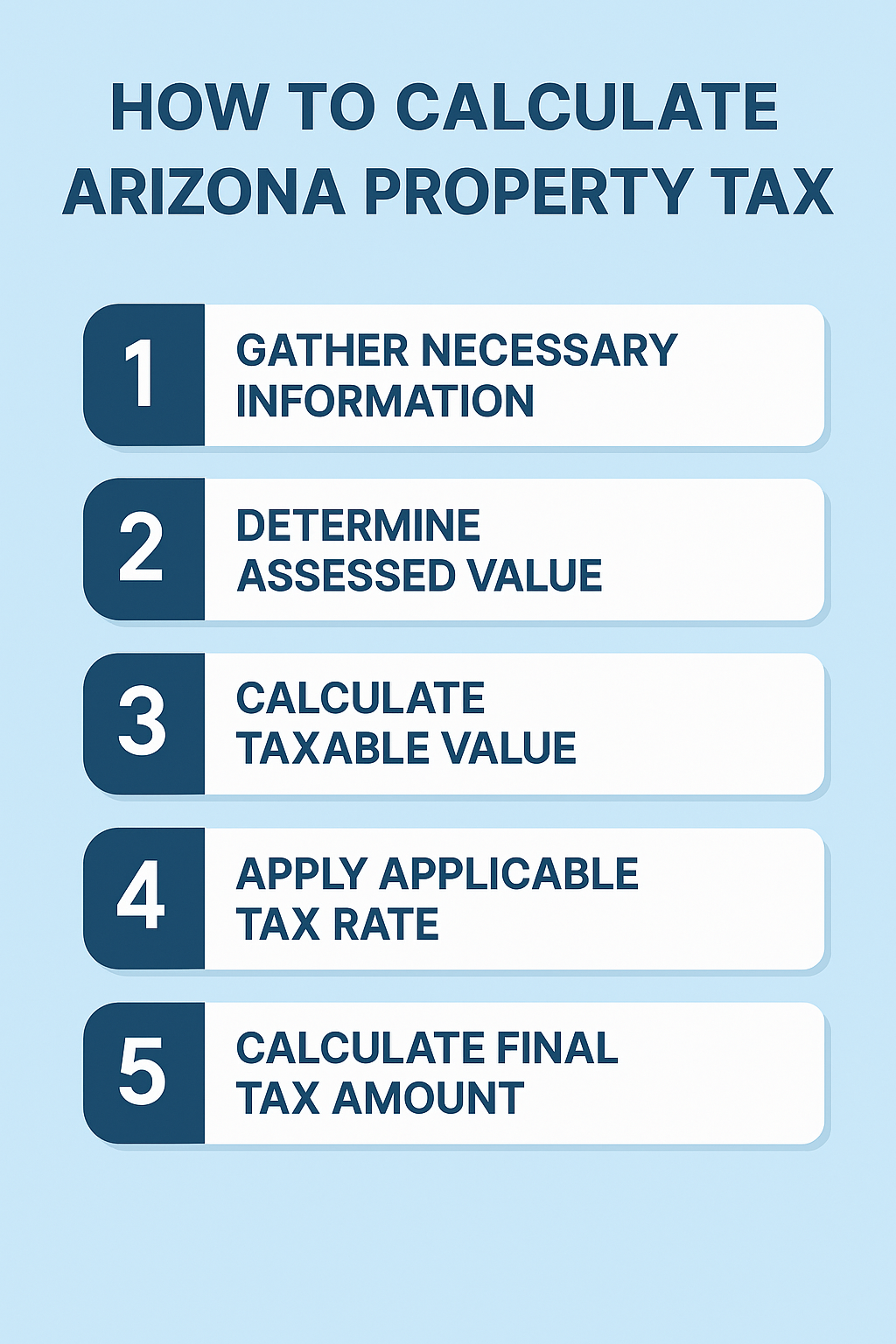
The calculation of property taxes in Arizona is a multi-step process involving property valuation, assessment ratios, and local tax rates. This methodology aims to ensure fairness and provide a degree of predictability for long-term residents.
Determining Property Value: The Assessment Process
At the heart of the property tax calculation is the valuation of your real estate. Each of Arizona’s fifteen counties employs an assessor’s office responsible for establishing the value of all taxable properties within its jurisdiction. The assessor determines two primary values for each property annually:
- Full Cash Value (FCV): This represents the market value of the property, essentially what it would sell for on the open market. It’s determined by analyzing recent sales of comparable properties, new construction, and economic conditions. The FCV is often higher than the Limited Property Value (LPV).
- Limited Property Value (LPV): This is the value upon which property taxes are actually assessed. The LPV is a statutory value designed to provide stability and protection against rapid increases in property taxes. By law, the LPV cannot exceed the FCV, and for existing properties, it generally cannot increase by more than 5% annually, regardless of how much the FCV might surge. This cap on LPV growth is a significant benefit for homeowners, offering a measure of predictability in their annual tax obligations for their long-term accommodation.
Understanding the distinction between FCV and LPV is critical for any homeowner in Arizona, as the LPV directly dictates the baseline for your tax bill.
Assessment Ratios and Taxable Value
Once the LPV is established, an assessment ratio is applied to determine the property’s “taxable value.” Arizona employs different assessment ratios based on the property’s classification, which categorizes how the property is used. For primary residences (owner-occupied homes), which fall under Class 3, the assessment ratio is set at a relatively low 10% of the LPV. This is a key advantage for long-term residents, as it significantly reduces the amount of value subject to taxation compared to other property types, such as commercial properties or rental homes, which have higher assessment ratios.
The formula for taxable value is straightforward: Taxable Value = Limited Property Value (LPV) x Assessment Ratio.
For example, a primary residence with an LPV of $300,000 would have a taxable value of $30,000 ($300,000 x 0.10). This taxable value is the figure upon which all subsequent tax rates are applied.
The Role of Tax Rates (Levies)
The final piece of the property tax puzzle is the application of various tax rates, often expressed in “mills” (one mill equals $1 per $1,000 of taxable value). These rates are not uniform across the state but are set independently by a multitude of local taxing jurisdictions. These can include:
- Counties: Every county in Arizona, such as Maricopa County or Pima County, levies its own general tax rate.
- Cities and Towns: Municipalities like Phoenix or Tucson also have their own rates.
- School Districts: Public school districts are significant recipients of property tax revenue, and their rates vary based on their budgetary needs and voter-approved overrides.
- Special Districts: These can include fire districts, library districts, community college districts, water improvement districts, and more, each with their specific levies.
The total tax rate applied to your property is the sum of all applicable rates from these various entities. This means a property owner in Phoenix within Maricopa County will have a different combined tax rate than someone owning a comparable property in Tucson within Pima County, or even different parts of the same city, due to varying special district boundaries or school district allocations. The final annual property tax bill is calculated by multiplying the property’s taxable value by the total combined tax rate.
Who Benefits and Why They Matter for Your Arizona Home
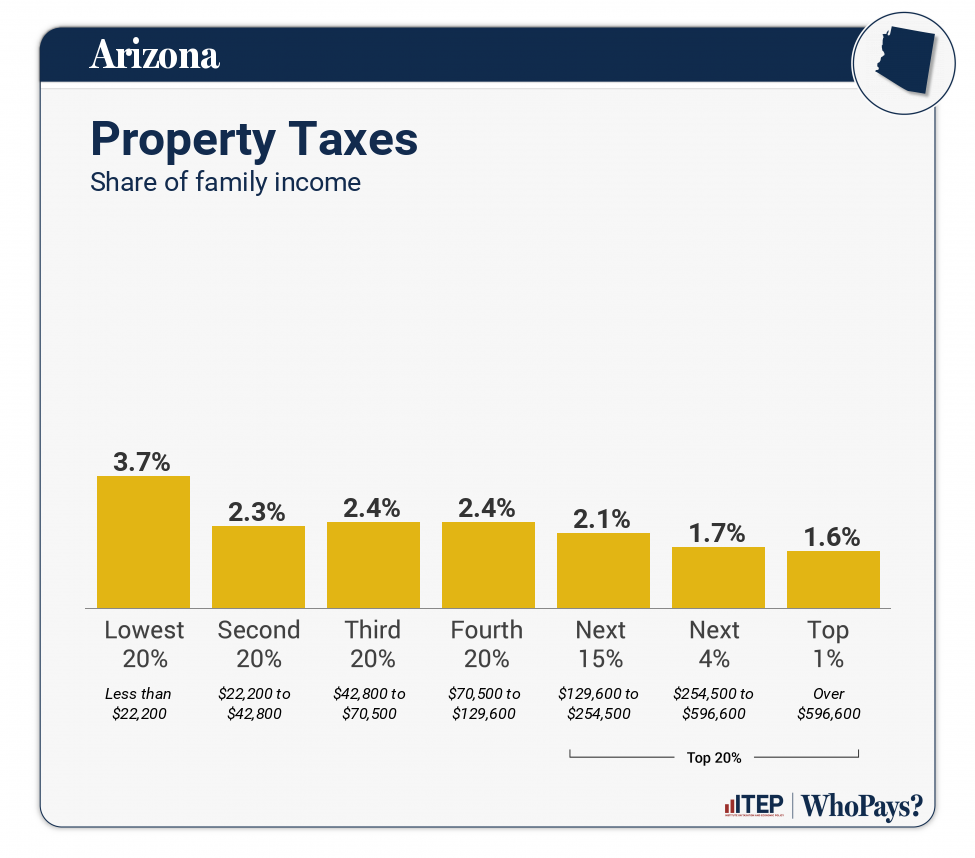
Property taxes in Arizona are the backbone of local government funding, directly translating into the quality of life and services enjoyed by long-term residents and homeowners. The revenues generated are not pooled at the state level but are largely retained and allocated by the local jurisdictions that levy them. This means your contributions directly support the community where your accommodation is situated.
The primary beneficiaries and critical functions funded by these taxes include:
- Public Education: A substantial portion of property tax revenue goes towards local public school districts, funding teachers’ salaries, educational programs, school facilities, and resources for students. This directly impacts the quality of education available to families residing in a particular area, a significant factor for those planning long-term stays with children.
- Public Safety: Police and fire departments rely heavily on property taxes to maintain staffing, acquire equipment, and operate emergency services. These essential services ensure the safety and security of neighborhoods, contributing to peace of mind for all residents.
- Local Infrastructure: Property taxes fund the development and maintenance of local roads, bridges, public transportation systems, and utilities like water and sewer lines. Well-maintained infrastructure enhances accessibility and overall living conditions, making daily life more convenient for homeowners.
- Community Services and Amenities: Parks, libraries, community centers, public health services, and various recreational programs are often funded through property taxes. These amenities foster community engagement, provide leisure opportunities, and improve the overall attractiveness of a locale for long-term residents.
- County and Municipal Operations: General government administration, planning and zoning departments, court systems, and other essential county and city services also draw from property tax revenue to operate efficiently.
Ultimately, property taxes are an investment in the local community. They directly influence the quality of services, the strength of local infrastructure, and the desirability of a neighborhood for long-term accommodation. A robust tax base can lead to better schools, safer streets, and more vibrant public spaces, which in turn can contribute to maintaining or even enhancing property values over time, benefiting homeowners.
Exemptions, Deferrals, and Relief Programs for Arizona Residents
While property taxes are a fundamental obligation, Arizona offers several programs and considerations designed to provide relief or flexibility for specific homeowner groups, especially those on fixed incomes or facing particular circumstances. Understanding these can be crucial for managing the costs associated with long-term accommodation.
Primary Residence Exemption (Homeowners’ Rebate)
Unlike some states that offer a traditional “homestead exemption” that directly reduces the assessed value, Arizona’s primary benefit for homeowners comes through its low assessment ratio for Class 3 properties (10% of LPV) and the annual cap on Limited Property Value increases (typically 5%). This statutory framework is intended to keep property tax burdens manageable for owner-occupied residences. However, Arizona does have a “Homeowners’ Rebate” which provides a small, direct reduction in the tax amount for qualifying owner-occupied residences. The rebate amount is determined annually by the state legislature but is typically a modest sum, offering a minor offset to the overall tax bill. Eligibility generally requires the property to be the owner’s primary residence and occupied for at least six months of the year.
Programs for Seniors, Veterans, and Low-Income Households
Arizona offers targeted relief programs for vulnerable populations:
- Property Tax Deferral Program: This program allows qualifying seniors (generally 65 or older) and individuals with disabilities to defer payment of their primary residence property taxes. The deferred taxes, plus interest, become a lien on the property and are typically paid when the property is sold, transferred, or no longer used as the primary residence. Eligibility is based on age, residency, and income limits.
- Widow/Widower/Disabled Persons Exemption: This exemption provides a reduction in the assessed value for qualifying widows, widowers, or disabled persons. To be eligible, applicants must meet specific residency, income, and property value criteria. The exemption amount is adjusted periodically and can significantly reduce the tax burden for those who qualify, supporting their ability to maintain long-term accommodation.
- Valuation Protection for Seniors: While not a direct exemption, the 5% LPV cap provides substantial protection for all homeowners, but it particularly benefits seniors on fixed incomes by preventing dramatic year-over-year increases in their property tax bills.
It is imperative for eligible homeowners to proactively apply for these programs through their respective county assessor’s office. Applications often have strict deadlines and require supporting documentation.
Understanding Tax Due Dates and Payment Cycles
Property tax bills in Arizona are typically issued in two installments. The first half is usually due on October 1st and becomes delinquent after November 1st. The second half is due on March 1st of the following year and becomes delinquent after May 1st. Many counties also send an annual property tax notice around February, outlining the assessed values for the upcoming tax year, which is distinct from the actual tax bill. It’s crucial for homeowners to be aware of these deadlines, as delinquent payments incur penalties and interest. Repeated non-payment can ultimately lead to a tax lien sale, jeopardizing one’s long-term accommodation.
Navigating Property Tax Assessments and Appeals for Your Long-Term Stay
Staying informed about your property’s assessment and understanding the appeal process is a vital aspect of responsible homeownership in Arizona. While the system aims for fairness, errors can occur, and market conditions can sometimes lead to valuations that homeowners dispute.
Receiving Your Property Tax Statement
Each year, typically in February, your county assessor’s office will mail a Notice of Valuation for the upcoming tax year. This notice is not a tax bill but an informational statement detailing your property’s Full Cash Value (FCV), Limited Property Value (LPV), and classification for the upcoming tax year. This is your earliest opportunity to review the assessor’s valuation and decide if it accurately reflects your property’s value or if an appeal might be warranted. A later Tax Bill will be sent, usually in September, which combines the LPV, assessment ratio, and local tax rates to present the final amount due. This bill also details the distribution of your tax payments among the various taxing jurisdictions.
The Appeal Process
If you believe your property’s valuation, particularly the LPV, is incorrect, Arizona law provides a structured appeal process. This process is critical for ensuring your long-term accommodation is taxed fairly.
- Informal Review: The first step is often to contact your county assessor’s office directly shortly after receiving your Notice of Valuation. Many issues can be resolved at this stage through an informal review, especially if there are factual errors in the property record (e.g., incorrect square footage, number of rooms, or features).
- Formal Appeal to the Assessor: If an informal review doesn’t resolve the issue, you can file a formal petition for review with the county assessor. This petition must typically be filed within 60 days of the mailing date of the Notice of Valuation. You will need to provide evidence to support your claim that the valuation is incorrect. This evidence could include recent appraisals, sales data for comparable properties in your neighborhood, or documentation of property defects.
- Appeal to the County Board of Equalization (CBOE): If you are dissatisfied with the assessor’s decision on your formal petition, you can further appeal to the County Board of Equalization. This is an independent body that reviews property valuation appeals. The deadline for appealing to the CBOE is usually within 25 days of the assessor’s decision.
- Appeal to the State Board of Equalization or Arizona Tax Court: For more complex or persistent disputes, or if you disagree with the CBOE’s decision, you have the option to appeal to the Arizona Tax Court. This is a judicial process that requires adherence to court procedures and may involve legal representation.
Navigating the appeal process effectively requires thorough preparation and timely submission of documentation. A successful appeal can lead to a lower LPV, and consequently, a reduced property tax bill, which can provide significant financial relief for long-term homeowners in Arizona.
LifeOutOfTheBox is a participant in the Amazon Services LLC Associates Program, an affiliate advertising program designed to provide a means for sites to earn advertising fees by advertising and linking to Amazon.com. Amazon, the Amazon logo, AmazonSupply, and the AmazonSupply logo are trademarks of Amazon.com, Inc. or its affiliates. As an Amazon Associate we earn affiliate commissions from qualifying purchases.