
Florida, often lauded as the “Sunshine State,” is a premier destination for travelers, vacationers, and those seeking a vibrant lifestyle. Its appeal is amplified by a unique tax structure that significantly impacts the cost of living and visiting. Understanding Florida’s state taxes is crucial for anyone planning a trip, a longer stay, or even considering residency. This guide delves into the core components of Florida’s state tax system, focusing on how it affects the tourism and lifestyle sectors, offering insights for both transient visitors and prospective residents.
The Absence of State Income Tax: A Major Draw
One of Florida’s most significant fiscal advantages, and a primary driver of its popularity, is the absence of a state income tax. This policy, a cornerstone of Florida’s economic strategy for decades, means that individuals do not pay a portion of their earnings to the state government.

Impact on Residents and Visitors
The lack of state income tax translates into more disposable income for residents, fostering a strong consumer economy that benefits the tourism and hospitality industries. For visitors, this means their travel budgets are not further depleted by state-level income deductions, making a vacation in Florida potentially more affordable compared to states with higher income tax burdens. This fiscal advantage has been a key factor in attracting new residents and businesses, further fueling the state’s growth and its appeal as a diverse and dynamic place to live and visit. This attracts a wide range of individuals, from retirees seeking financial ease to young professionals drawn by the robust job market and the financial freedom afforded by the tax policy.
Comparison to Other States
When compared to states like California or New York, which have progressive income tax rates, Florida’s tax landscape offers a stark contrast. This difference can lead to substantial savings for high earners and contributes to Florida’s reputation as a tax-friendly state. This financial incentive plays a vital role in the decision-making process for individuals and families considering relocation, often placing Florida at the top of their lists.
Sales Tax: The Backbone of Florida’s Revenue
While Florida boasts no state income tax, it relies heavily on sales tax to fund its public services. This tax is levied on the sale of tangible goods and certain services. Understanding the nuances of Florida’s sales tax is essential for budgeting any expenditure within the state.
General Sales Tax Rate
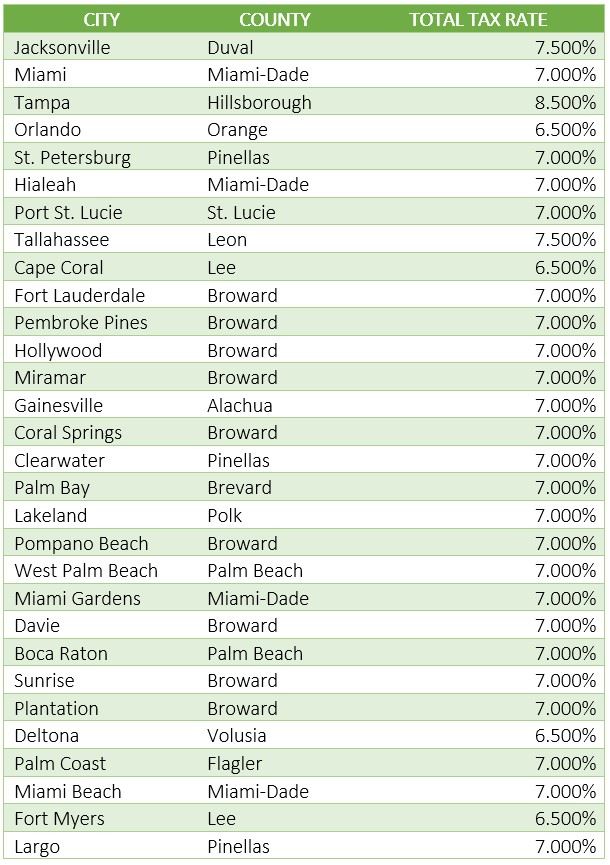
The statewide general sales tax rate in Florida is 6%. However, this rate can be higher in specific counties due to local discretionary sales surtaxes. These local taxes are often implemented to fund specific projects, such as infrastructure improvements, education, or public safety initiatives.
Exemptions and Special Cases
Certain goods and services are exempt from Florida’s sales tax, which can significantly impact the cost of specific purchases. Essential items like most groceries, prescription medications, and some services like residential rent are typically exempt. Conversely, certain items and activities, such as hotel stays, restaurant meals, and admissions to entertainment venues, are subject to sales tax, directly affecting the cost of tourism and leisure activities.
Tourism-Related Sales Taxes
For travelers, understanding sales tax on accommodation, dining, and entertainment is paramount. Hotel rooms in Miami or Orlando will have sales tax added to the advertised room rate. Similarly, dining out at a Disney World restaurant or purchasing souvenirs in Key West will include the applicable sales tax. The aggregate tax rate can vary significantly depending on the county and the specific item or service purchased. For instance, a purchase in Duval County might have a different total sales tax than the same purchase in Hillsborough County.
Property Taxes: A Significant Consideration
Property taxes are another key component of Florida’s tax revenue, levied by local governments—counties, municipalities, and special taxing districts. These taxes are based on the assessed value of real estate and are a significant financial consideration for property owners, impacting both residents and those who own vacation homes or investment properties.
How Property Taxes Are Assessed

The assessment process begins with the county property appraiser’s office, which determines the just (market) value of a property. From this value, certain exemptions may be subtracted to arrive at the assessed value. The tax rate, known as the millage rate, is then applied to the assessed value. One mill is equivalent to $1 of tax for every $1,000 of taxable value. Millage rates vary widely by taxing district, reflecting the differing needs and budgets of local governments.
Homestead Exemption
Florida offers a robust Homestead Exemption for primary residences, which can significantly reduce property tax liability. This exemption reduces the taxable value of a home by $25,000 for all millage, and an additional $25,000 for all millage except for school district millage, for properties valued over $75,000. This makes Florida particularly attractive for homeowners who establish their primary residence in the state.
Other Exemptions and Considerations
Beyond the Homestead Exemption, Florida offers various other property tax exemptions, including those for veterans, seniors, and disabled individuals. These exemptions aim to provide financial relief to specific groups and can further lower the tax burden. For investors or second-home owners, the absence of the Homestead Exemption means their property taxes will be based on the full assessed value, making owning multiple properties a more substantial financial commitment. Understanding these nuances is vital for anyone considering purchasing property in Florida, whether for personal enjoyment or investment purposes. The appeal of living in areas like Naples or Sarasota is often weighed against the associated property tax costs.
Taxes on Businesses and Tourism Enterprises
Florida’s tax structure also has direct implications for businesses, particularly those within the robust tourism and hospitality sectors.
Corporate Income Tax
Florida levies a corporate income tax on the net income of corporations operating in the state. This tax is a flat rate of 5.5%, with a $5,000 credit for taxpayers meeting certain criteria, making it relatively competitive compared to other states. This predictability is attractive to businesses looking to establish or expand operations within Florida.
Tourist Development Taxes (Bed Taxes)
A unique and significant tax impacting the tourism industry is the Tourist Development Tax, often referred to as the “bed tax.” This tax is levied on the rental of transient accommodations, such as hotel rooms, motel rooms, and vacation rentals, for periods of less than six months. The rates vary by county, typically ranging from 2% to 5%, and the revenue generated is statutorily designated for the promotion of tourism, the financing of public facilities that benefit tourists, and the acquisition of parks and recreational facilities. For travelers staying in hotels like the Ritz-Carlton, Amelia Island or renting a villa in Tampa, this tax is an additional cost added to their bill.
Impact on the Tourism Ecosystem
The Tourist Development Tax is a critical funding mechanism for destinations like Palm Beach and Fort Lauderdale to market themselves, maintain attractions, and invest in infrastructure that enhances the visitor experience. While it adds to the overall cost of a vacation, it directly supports the very amenities and attractions that draw visitors to Florida. This symbiotic relationship ensures that the tourism industry remains vibrant and competitive on a global scale. For businesses operating within this sector, such as tour operators or event organizers, understanding these tax implications is essential for pricing, profitability, and strategic planning.
Estate Tax and Other Taxes
Florida has no state estate tax. This means that upon a person’s death, the assets they leave behind are not subject to state-level inheritance or estate taxes. This is a significant benefit for heirs and contributes to Florida’s appeal for individuals managing their estates and wealth.
Tangible Personal Property Tax
A less common but potentially relevant tax for some is the Tangible Personal Property Tax. This tax is levied on business equipment, furniture, and fixtures used in a business. Most counties have exempted tangible personal property owned by individuals. However, businesses should be aware of this tax and its implications.
Sin Taxes and Fees
Like most states, Florida imposes excise taxes on specific goods considered “sin taxes,” such as alcoholic beverages and tobacco products. These taxes are reflected in the retail price of these items and contribute to state revenue. Various other fees and taxes exist, such as motor fuel taxes, documentary stamp taxes on real estate transactions, and toll road charges, all of which contribute to the state’s overall fiscal framework and impact the cost of living and traveling within Florida.
In conclusion, Florida’s tax structure, characterized by the absence of state income tax, a substantial sales tax, variable property taxes, and specific tourism-related levies, creates a distinct financial environment. This framework profoundly influences decisions for travelers, property owners, and businesses alike, shaping the economic landscape of this popular destination. Understanding these tax elements is fundamental to navigating the financial aspects of experiencing and residing in the Sunshine State.
LifeOutOfTheBox is a participant in the Amazon Services LLC Associates Program, an affiliate advertising program designed to provide a means for sites to earn advertising fees by advertising and linking to Amazon.com. Amazon, the Amazon logo, AmazonSupply, and the AmazonSupply logo are trademarks of Amazon.com, Inc. or its affiliates. As an Amazon Associate we earn affiliate commissions from qualifying purchases.