
Florida, affectionately known as the Sunshine State, beckons millions each year with its pristine beaches, vibrant cities, and endless entertainment. Whether you’re planning a lavish Luxury Travel escape, a cost-conscious Budget Travel adventure, a memorable Family Trips getaway, or a productive Business Stays, understanding the local tax landscape is crucial for effective financial planning. Florida boasts a unique tax structure that sets it apart from many other states, offering significant advantages in some areas while imposing specific levies in others. Navigating these taxes is essential for anyone looking to maximize their experience, manage their finances efficiently, or even consider a more permanent move to this popular destination. This guide will delve into the various taxes you’ll encounter in Florida, shedding light on how they impact different lifestyles and offering insights to help you budget wisely.
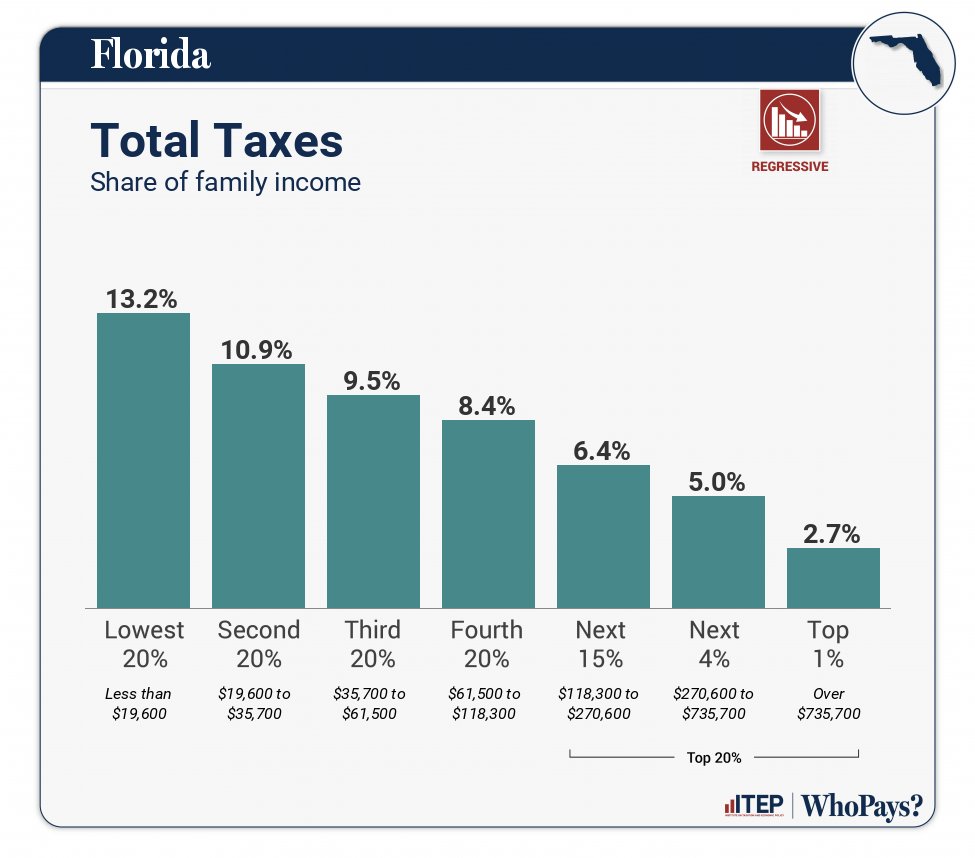
The Sunshine State’s Tax Advantage: No State Income Tax
One of Florida’s most significant draws, especially from a lifestyle and financial planning perspective, is the absence of a state-level personal income tax. This is a cornerstone of Florida’s economic policy and has profound implications for residents, visitors, and businesses alike.
Impact on Residents and Remote Workers
For individuals who call Florida home, or those considering relocating for work, the lack of state income tax translates directly into more take-home pay. This can significantly enhance one’s overall financial well-being and purchasing power. Remote workers, in particular, find Florida an attractive destination. Earning an income while living in Florida means that after federal taxes, their earnings are not further diminished by state income taxes. This creates a strong incentive for individuals and families seeking to optimize their financial situation, contributing to Florida’s robust growth in population and economic activity. It influences decisions ranging from retirement planning to career moves, making Florida a hub for those prioritizing financial efficiency in their lifestyle choices.
Implications for Visitors
While visitors don’t pay state income tax regardless of where they travel, Florida’s policy contributes to a generally lower cost of living for its residents. This can indirectly affect pricing for goods and services, as businesses and employees benefit from the tax structure. For a tourist, this means that the money saved by residents due to no state income tax might translate into a more dynamic and competitive local economy with diverse offerings, allowing visitors more options for their disposable income. It frames a broader economic environment that underpins the state’s attractiveness for various types of travel and stays, from Florida Vacation to business trips.
Understanding Federal Income Tax
It’s important to clarify that while Florida has no state income tax, federal income tax still applies to all income earned within the United States. Residents and workers in Florida are still obligated to pay federal income taxes to the Internal Revenue Service (IRS) based on their income levels. The state’s advantage lies purely in the absence of a second layer of income taxation at the state level, providing a distinct financial benefit that shapes the lifestyle of many Floridians.
Sales Tax: A Ubiquitous Presence
While income tax is absent, sales tax is a fundamental component of Florida’s revenue generation, affecting almost every purchase made within the state. Understanding how it works is crucial for any lifestyle budget, whether you’re buying souvenirs, dining out, or even making larger purchases.
Florida’s State Sales Tax Rate
The statewide sales tax rate in Florida is currently 6%. This tax applies to the retail sale of most goods and certain services. When you buy clothing, electronics, restaurant meals, or even admission tickets to attractions, you’ll see this 6% added to your bill. For visitors, this is perhaps the most frequently encountered tax, impacting daily expenses across all types of travel, from a Budget Travel shopper looking for deals to Luxury Travel spenders indulging in high-end goods.
Local Sales Tax Variations
Beyond the state’s 6%, many counties in Florida levy an additional local sales tax, often referred to as a discretionary sales surtax. This means the total sales tax you pay can vary depending on the county where the purchase is made. For instance, in Miami-Dade County, the combined sales tax rate is 7%, while in Orange County (home to Orlando‘s major theme parks), it is 6.5%. Other counties, like Pinellas County (home to St. Petersburg), might have different rates. It’s wise to be aware of the local rate in the specific areas you plan to visit or reside, as this can affect your budgeting for everyday expenditures and larger purchases. These local surtaxes typically fund specific local government projects, such as infrastructure improvements or transportation.
Exemptions and What to Expect
Not everything is subject to sales tax in Florida. Key exemptions include:
- Groceries: Most food items purchased for home consumption are exempt. This is a significant relief for families and those on Budget Travel planning to cook some of their meals.
- Prescription Medicine: Both prescription and many over-the-counter medicines are exempt from sales tax.
- Certain Services: While goods are generally taxed, many services (e.g., medical services, professional services) are not, though specific services related to tangible personal property might be.
- Leases of Real Property: Generally, residential rent for periods longer than six months is exempt from sales tax. However, shorter-term accommodation (like hotels or vacation rentals) is subject to other specific taxes, which we will discuss next.
For travelers and those on extended stays, knowing these exemptions can help in planning your shopping and dining experiences, allowing for more accurate budgeting.
Tourist Development Tax (TDT) and Accommodation Taxes
Beyond the general sales tax, visitors to Florida must contend with specific taxes levied on short-term accommodations. These are often called “bed taxes” or “resort taxes” and are a critical funding source for local tourism promotion and infrastructure.

The Bed Tax: Explaining What It Is and Who Pays It
The Tourist Development Tax (TDT) is imposed on the rental of transient accommodations. This includes hotel rooms, motel rooms, vacation rentals (including those booked through platforms like Airbnb or VRBO), campgrounds, and other lodging facilities rented for six months or less. The TDT is typically collected by the accommodation provider at the time of your stay and is passed on to the local county tax collector. This tax is a direct contribution from visitors to the local tourism economy, funding everything from convention centers to marketing campaigns that attract more tourists.
Varying Rates Across Counties
Like sales tax, the TDT rate is not uniform across Florida. It varies significantly by county, reflecting local needs and tourism strategies. For example:
- In Orange County, home to Walt Disney World, the TDT is 6%. When combined with the state’s 6% sales tax, a stay in a hotel or short-term rental in Orlando could incur a combined tax of 12%.
- In Miami-Dade County, the TDT can be as high as 6%, bringing the total accommodation tax (including state sales tax) to 13%.
- Tampa in Hillsborough County typically sees a 6% TDT, resulting in a 13% total.
- Fort Lauderdale in Broward County often has a 5% TDT, bringing the total to 12%.
These percentages can add up, especially for longer stays or more expensive accommodations. It’s essential to check the specific TDT rate for your chosen destination when budgeting for your trip.
Impact on Different Lifestyles
The TDT significantly impacts various types of travelers:
- Luxury Travel: While the percentage might be the same, the absolute dollar amount on a high-end suite will be substantial. However, for luxury travelers, this is often a minor consideration within a larger budget.
- Budget Travel: For budget-conscious travelers, accommodation taxes can be a considerable portion of their spending. A 12-13% tax on a $100-a-night room is an extra $12-$13, which can quickly accumulate over a week-long stay, potentially impacting other activities or dining choices. Careful planning and searching for deals that clearly state all-inclusive pricing are crucial.
- Family Trips: Families often require larger accommodations or multiple rooms, leading to higher base costs, and consequently, higher accommodation taxes. Factoring these taxes into the initial planning stages is vital for managing the overall trip expense for a family.
- Business Stays: Business travelers typically have these expenses reimbursed by their employer. However, for companies managing travel budgets, these taxes are an unavoidable cost that needs to be factored into corporate spending and expense reporting.
Other Key Taxes Affecting Your Florida Lifestyle
Beyond income, sales, and accommodation taxes, several other taxes can impact your financial planning in Florida, particularly for those who drive or own property.
Rental Car Surcharge
If you’re planning to explore Florida by car, you’ll encounter a specific rental car surcharge. Florida imposes a $2.00 per day surcharge on the lease or rental of motor vehicles for a period of 12 months or less. This applies to each day or any portion of a day that the vehicle is rented. While seemingly small, this adds up over a week or two-week rental, contributing to the overall cost of transportation for visitors and temporary residents. This is an important consideration for anyone planning a road trip or relying on a rental car for their Florida Vacation.
Fuel Tax
The price you pay at the pump in Florida includes both federal and state fuel taxes. These taxes are incorporated into the per-gallon price of gasoline and diesel, so you won’t see them itemized separately. Florida’s fuel tax rates contribute to the maintenance and improvement of the state’s extensive road network. While not a direct “lifestyle tax” per se, it directly impacts the cost of transportation, affecting everything from daily commutes for residents to cross-state road trips for tourists. Fluctuations in fuel prices, combined with these taxes, are a key factor in budgeting for any Florida lifestyle that involves driving.
Property Taxes
For those considering purchasing a vacation home, a permanent residence, or even long-term rentals (where property taxes are factored into rent), understanding Florida’s property tax structure is vital. Property taxes are levied by local governments (counties, cities, and special districts) and are based on the assessed value of the property. They fund essential local services like schools, police, fire departments, and local infrastructure. While Florida does not have a state property tax, the local rates can vary significantly.
A notable feature for residents is the Homestead Exemption, which allows eligible permanent residents to reduce the taxable value of their primary residence by up to $50,000, significantly lowering their property tax bill. There are also “Save Our Homes” benefits that cap annual increases in assessed value for homesteaded properties. These provisions are crucial for permanent residents, playing a large role in their long-term financial stability and overall lifestyle costs. For visitors or those with short-term stays, property taxes are an indirect cost, typically absorbed into rental rates or factored into the pricing of goods and services provided by businesses that pay these taxes.
Navigating Florida’s Tax Landscape for Your Lifestyle
Understanding Florida’s diverse tax landscape is not just about avoiding surprises; it’s about smart financial planning that enhances your overall experience, regardless of your chosen lifestyle.
Planning Your Florida Vacation or Move
For tourists, meticulously breaking down potential expenses – including sales tax on purchases, accommodation taxes on your hotel or Airbnb, and the rental car surcharge – allows for a more accurate and stress-free budget. For individuals considering relocation or an extended stay, factoring in the absence of state income tax alongside property taxes and sales tax rates will paint a clearer picture of their prospective financial situation. Many online calculators and official county websites provide up-to-date tax rate information to assist in this planning.
Leveraging Tax Advantages
Florida’s lack of state income tax offers a substantial advantage for high-income earners, retirees, and businesses looking to optimize their tax burden. This favorable tax environment is a significant factor in attracting talent and investment, contributing to a vibrant economy that benefits various lifestyles. Entrepreneurs and remote workers, in particular, can strategically leverage these benefits to improve their personal and business finances.
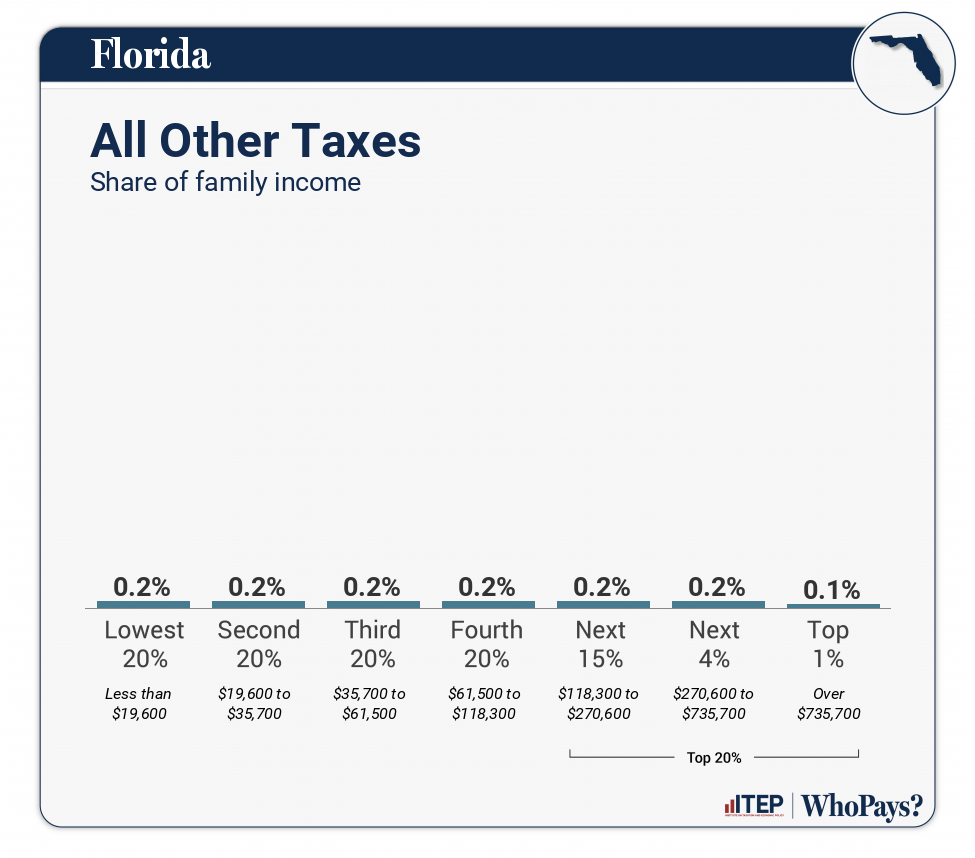
Where to Find More Information
For the most current and detailed information on Florida’s taxes, it’s always best to consult official sources. The Florida Department of Revenue website is an invaluable resource, providing comprehensive guides on sales tax, property tax, and other state-administered taxes. Local county tax collector’s offices or property appraiser’s websites will offer specific details on local sales surtaxes, tourist development taxes, and property tax rates applicable to your particular area of interest.
In conclusion, Florida’s unique tax structure is a defining characteristic of its economic and lifestyle appeal. From the significant advantage of no state income tax to the pervasive sales tax and specific levies on accommodations and rental cars, each tax plays a role in shaping the financial considerations for anyone visiting or residing in the state. By understanding these various components, you can effectively plan your budget, maximize your experiences, and truly embrace the vibrant lifestyle that Florida has to offer.
LifeOutOfTheBox is a participant in the Amazon Services LLC Associates Program, an affiliate advertising program designed to provide a means for sites to earn advertising fees by advertising and linking to Amazon.com. Amazon, the Amazon logo, AmazonSupply, and the AmazonSupply logo are trademarks of Amazon.com, Inc. or its affiliates. As an Amazon Associate we earn affiliate commissions from qualifying purchases.