
The question “Where is Bodie, California?” frequently arises from those captivated by the allure of the American West’s storied past. Far more than just a dot on a map, Bodie is a meticulously preserved ghost town, a tangible link to the tumultuous Gold Rush era, and an extraordinary example of “arrested decay.” Tucked away in the high desert of the Eastern Sierra, this California State Historic Park offers an unparalleled glimpse into the raw, unforgiving, yet utterly fascinating lives of those who sought fortune in the frontier. This article delves into its geographical placement, historical significance, unique architectural preservation, and the natural landscape that cradles this iconic landmark.
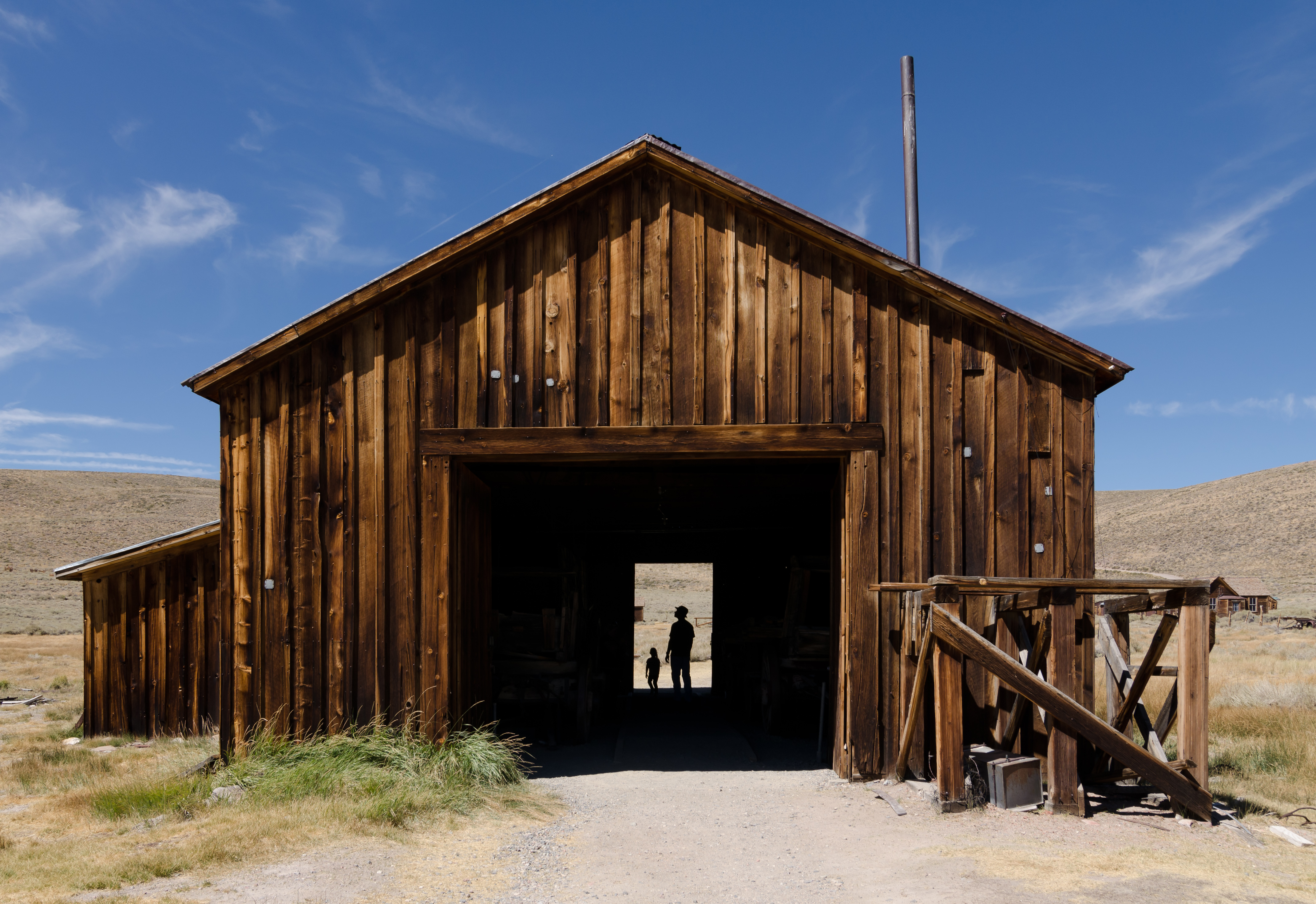
Unveiling Bodie: A Landmark Frozen in Time
Bodie’s precise location is crucial to understanding its unique character and the challenges of reaching it, emphasizing its isolation and the dedication required for its preservation. It’s not a bustling metropolis easily accessed, but rather a remote destination that rewards the intrepid traveler with an authentic journey back in time.
The Geographic Coordinates and Remote Charm
Bodie, California, is situated at approximately 38.21° N latitude and 119.02° W longitude, positioning it in Mono County, California. This places it roughly 13 miles (21 km) east-southeast of the Sierra Nevada range, specifically to the east of Yosemite National Park and north of Mono Lake. Its elevation is considerable, standing at around 8,379 feet (2,554 meters) above sea level, contributing to its harsh climatic conditions and distinct high-desert ecosystem.
This elevated, remote setting is fundamental to its preservation. The dry, cold climate has naturally slowed the decay of its wooden structures, while its relative inaccessibility protected it from widespread vandalism and redevelopment that befell many other boomtowns. The journey to Bodie is an integral part of the experience, preparing visitors for the stark beauty and profound quiet that awaits them. It’s a place where the air itself seems to whisper tales of prospectors, saloon keepers, and families who once called this unforgiving land home.
A Journey Through the Eastern Sierra
Accessing Bodie typically involves navigating a stretch of the legendary Highway 395, which runs along the base of the Eastern Sierra Nevada. This scenic route itself is a landmark, offering breathtaking views of towering peaks, alpine lakes, and vast desert expanses. From Highway 395, visitors turn off onto State Route 270, a paved road that eventually transitions into a 3-mile (5 km) unpaved, gravel road. While generally passable for most vehicles during the open season, this final stretch adds to the feeling of journeying into the past, reinforcing the sense of remoteness that defines Bodie’s existence.
The nearest towns offering amenities are Bridgeport to the north and Mammoth Lakes to the south, both significant destinations in the Eastern Sierra recreational landscape. These towns serve as gateways, providing essential services before visitors venture into the more isolated reaches of Mono County where Bodie stands guard over its historical treasures. The journey isn’t just about reaching a destination; it’s about immersing oneself in the dramatic landscapes and history of a region that has captivated explorers for centuries.
Bodie’s Enduring Legacy: A Rich Tapestry of History
The story of Bodie is a microcosm of the American Gold Rush era – a narrative of rapid boom, fervent hope, unchecked ambition, and inevitable bust. Its transformation from a bustling mining camp to a preserved state historic park encapsulates a unique approach to historical conservation.
The Boom and Bust of the Gold Rush Era
Bodie’s genesis dates back to 1859 when W.S. Bodie discovered gold near what would become the townsite. However, it wasn’t until 1876, with the discovery of a rich vein of gold, that the town truly exploded. Within a few years, it swelled from a handful of prospectors to a population of 10,000 to 12,000 people, transforming into one of California’s largest and most notorious boomtowns. At its peak, Bodie boasted 65 saloons, numerous hotels, dance halls, a Chinatown, churches, newspapers, and even its own railroad.
Life in Bodie was as rich in drama as it was in gold. It was a place of wild speculation, instant fortunes, and crushing despair. Violence, fueled by alcohol and desperation, was rampant, earning it a reputation as “a sea of sin, lashed by the tempest of lust and passion.” Miners toiled in dangerous conditions, and the town’s isolated location meant that supplies were expensive and life was incredibly tough, especially during the brutal high-desert winters. Yet, the promise of gold kept people pouring in, creating a vibrant, albeit chaotic, society. The riches extracted from Bodie’s mines significantly contributed to the national economy, cementing its place in the annals of American industrial history.
From Mining Camp to State Historic Park
The decline of Bodie was as swift as its rise. By the late 1880s, the richer ore veins were exhausted, and easier gold discoveries in other regions drew people away. Fires ravaged parts of the town over the decades, further accelerating its demise. By the 1940s, it was largely abandoned, a desolate monument to a bygone era.
Recognizing its immense historical value, California designated Bodie a State Historic Park in 1962. Crucially, the decision was made to preserve Bodie in a state of “arrested decay.” Unlike other historical sites that undergo extensive restoration to return them to their original glory, Bodie’s buildings and contents are maintained exactly as they were found, allowing nature and time to continue their slow work. This approach ensures an authentic, almost eerie, experience for visitors, who can peer into buildings filled with original furnishings, tools, and everyday items, as if the inhabitants simply walked away yesterday. This unique preservation philosophy sets Bodie apart, making it one of the most compelling and evocative ghost towns in the United States.
The Architecture of Decay: Preserving a Ghost Town
The buildings of Bodie are perhaps its most compelling feature, offering a tangible connection to the past. They stand as weathered monuments, telling stories through their peeling paint, sagging roofs, and dust-laden interiors.
Structures of a Vanished Era
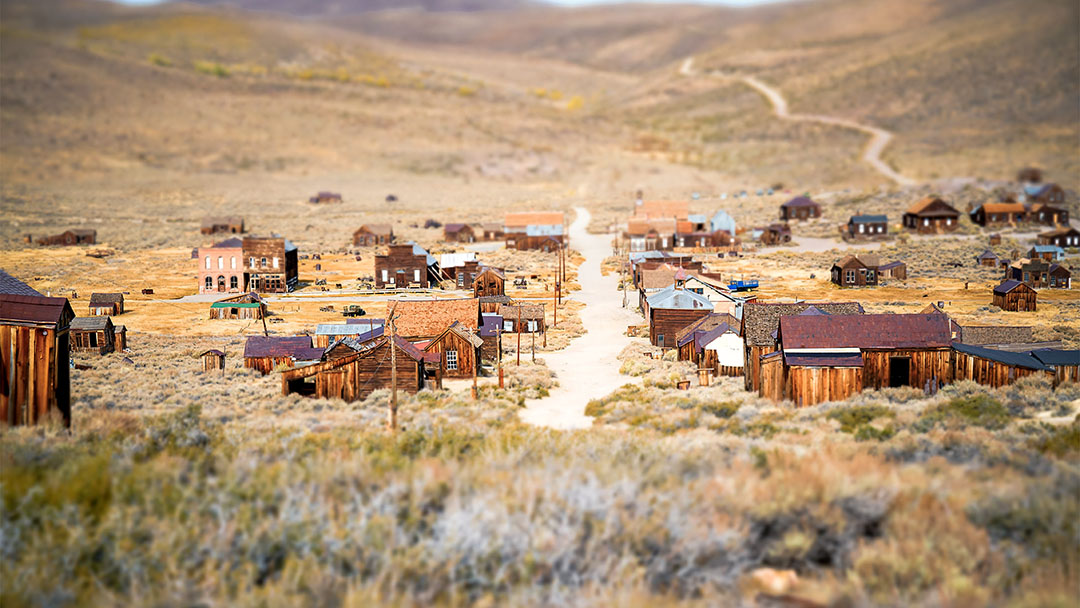
Today, about 5% of Bodie’s original buildings remain, yet they are enough to convey the town’s former grandeur and daily life. Visitors can explore a general store stocked with goods, a church with its pews still intact, a schoolhouse with desks and slates, and various homes complete with furniture, dishes, and personal belongings. The grand Bodie Bank, the blacksmith shop with its tools, and the firehouse with its antique equipment all contribute to this living museum. These structures are predominantly built of wood, reflecting the readily available materials and the rapid construction typical of boomtowns. Their styles range from simple utilitarian cabins to more elaborate Victorian-era homes and commercial buildings, showcasing the social stratification and aspirations of the town’s diverse population.
Each building tells a story, not just through its contents but through its very fabric. The wear and tear, the bullet holes in saloon doors, the faded advertisements on exterior walls – these are all part of the narrative. The buildings are not merely backdrops but active participants in the visitor’s experience, inviting contemplation on the lives lived within their walls. The sheer volume of artifacts left behind, from children’s toys to mining equipment, provides an unparalleled insight into the material culture of the late 19th and early 20th centuries.
“Standard Preservation”: A Unique Approach
The “arrested decay” policy employed at Bodie State Historic Park is a conscious decision to stabilize structures without restoring them to a pristine condition. This means roofs are repaired to prevent further water damage, foundations are shored up, and critical structural elements are reinforced, but no attempt is made to paint, refurnish, or rebuild what has been lost. The goal is to keep the buildings from collapsing entirely, allowing them to remain as authentic relics of their time.
This approach offers a powerful and unique educational experience. Instead of seeing a reconstructed version of history, visitors witness the raw, unfiltered passage of time. The peeling wallpaper, the faded documents, and the dust-covered bottles all contribute to an atmosphere that transports one directly into the past. This “natural” state of preservation allows the landmark itself to dictate its story, fostering a deeper connection and understanding of the challenges and realities faced by its former inhabitants. It is a testament to the foresight of those who chose to conserve Bodie in its most honest form.
The Natural Canvas: Bodie and its Environment
Beyond its man-made structures, Bodie’s identity as a landmark is deeply intertwined with its surrounding natural environment. The stark beauty of the Eastern Sierra high desert plays a crucial role in both its historical narrative and its enduring appeal.
High-Desert Landscapes and Sierra Nevada Backdrop
Bodie sits within a high-desert steppe ecosystem, characterized by sagebrush, sparse grasses, and hardy drought-resistant plants. The landscape is dramatic, with sweeping vistas of rolling hills, volcanic formations, and, in the distance, the majestic snow-capped peaks of the Sierra Nevada. This stark beauty provides a poignant contrast to the bustling human activity that once defined the town. The climate is extreme: hot and dry summers give way to bitterly cold winters with heavy snowfall, making the park generally inaccessible by vehicle during several months of the year.
The geological context of Bodie is also critical. It’s located on the eastern flank of the Sierra Nevada, a region known for its rich mineral deposits, which were formed by ancient volcanic activity and subsequent geological uplift. This geological heritage is what drew the prospectors in the first place, and the remnants of their mining operations—tailing piles, abandoned shafts, and processing mills—are still visible across the landscape, scarring the earth as a permanent reminder of their desperate search for wealth. The natural environment is not just a setting; it’s an active character in Bodie’s story.
Wildlife and Ecological Resilience
Despite the harsh conditions, the area around Bodie supports a diverse array of high-desert wildlife. Mule deer, coyotes, bobcats, and various species of birds, including raptors, are common inhabitants. Ground squirrels and chipmunks dart among the ruins, seemingly unfazed by the occasional human visitor. The resilience of these species in such an unforgiving environment highlights the ecological balance that has re-established itself in the wake of human disturbance.
The return of nature to this once-industrial site adds another layer to Bodie’s allure. While the town remains a static monument to human history, the surrounding natural world continues its dynamic cycle of life and death, growth and decay. The interplay between the man-made relics and the vibrant natural ecosystem creates a unique atmosphere, where visitors can simultaneously reflect on human ambition and the enduring power of nature. This fusion underscores Bodie’s multifaceted identity as a landmark that is both historical and ecological.
Planning Your Expedition to this California Landmark
Visiting Bodie is an experience that demands thoughtful planning to truly appreciate its historical and natural significance. Due to its remote location and unique preservation status, certain considerations are paramount for a rewarding and respectful journey.
Best Times to Visit and Accessibility Challenges
The prime time to visit Bodie State Historic Park is typically from late spring (May/June) through early fall (October). During these months, the weather is generally mild, and the access road (State Route 270) is usually clear of snow and open to vehicles. Summers can be warm, but the high elevation often means cooler temperatures than the valleys. Spring and fall offer stunning photographic opportunities with wildflowers or changing foliage, set against the backdrop of snow-capped Sierra Nevada peaks.
Winters are challenging; heavy snowfall can close the road for extended periods, making vehicular access impossible. While the park technically remains open year-round for those who can access it via snowshoe or cross-country ski, this requires significant preparation and expertise. Visitors should always check the official Bodie State Historic Park website or contact the park directly for current road conditions and operating hours before planning their trip, as conditions can change rapidly. The final 3 miles of unpaved road, while usually manageable, can become rough after adverse weather.
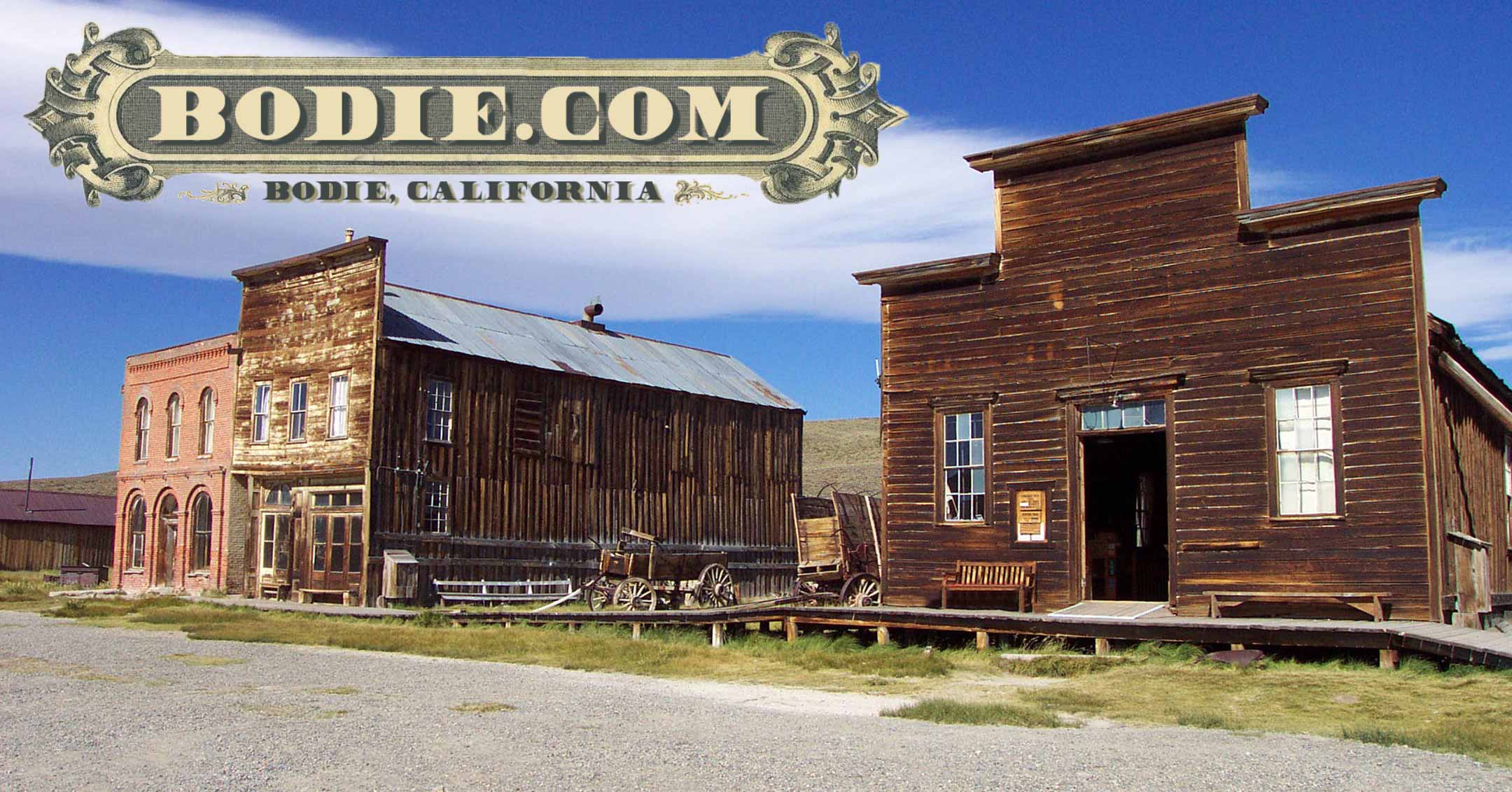
Etiquette for Exploring a Sacred Past
Bodie is preserved in a state of “arrested decay,” meaning that everything found within the park is part of its historical integrity. The park operates on a strict “take nothing but pictures, leave nothing but footprints” policy. Visitors are not permitted to remove any items, however small or seemingly insignificant, as this directly contributes to the erosion of its historical value. This includes rocks, nails, or any artifacts found on the ground. Touching or disturbing the contents inside the buildings is also discouraged to protect their fragile condition.
Respect for the site extends to staying on marked paths and refraining from entering areas deemed unsafe or restricted. The silence of Bodie is part of its magic, allowing visitors to hear the whispers of the past; therefore, maintaining a quiet demeanor enhances the experience for everyone. This landmark is not just a tourist attraction; it is a profound historical document, a window into a bygone era, and treating it with reverence ensures its continued availability for future generations to explore and learn from. By adhering to these guidelines, visitors help preserve Bodie’s authenticity, ensuring that its story continues to be told through its silent, crumbling structures and dust-laden artifacts.
LifeOutOfTheBox is a participant in the Amazon Services LLC Associates Program, an affiliate advertising program designed to provide a means for sites to earn advertising fees by advertising and linking to Amazon.com. Amazon, the Amazon logo, AmazonSupply, and the AmazonSupply logo are trademarks of Amazon.com, Inc. or its affiliates. As an Amazon Associate we earn affiliate commissions from qualifying purchases.