
Travelers planning an adventure through the Golden State often encounter a distinct financial consideration: the price at the pump. California consistently holds some of the highest gas prices in the United States, a factor that significantly impacts road trip budgets and overall travel planning. Understanding the dynamics behind these costs is crucial for anyone looking to explore California’s diverse landscapes, from the bustling cities to the serene national parks. This guide delves into what travelers can expect regarding fuel expenses and how to effectively integrate them into their journey.
Understanding California’s Unique Fuel Landscape for Travelers
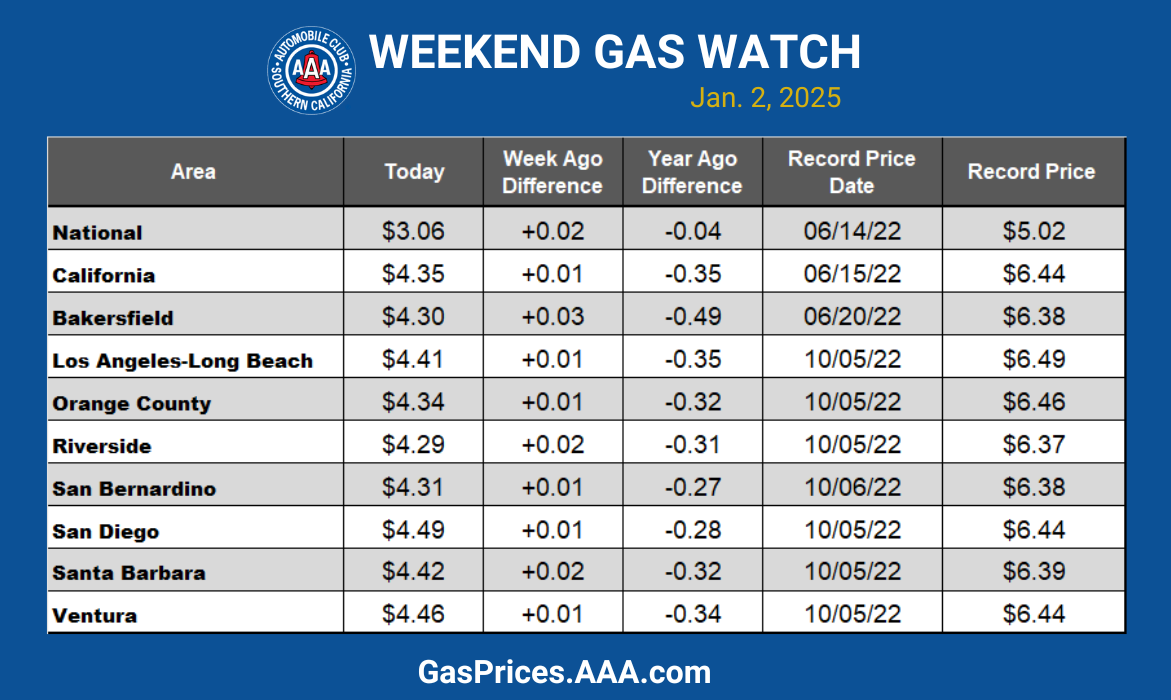
The Golden State’s fuel prices are influenced by a confluence of factors, making them noticeably higher than the national average. For travelers, acknowledging these underlying reasons is the first step in preparing for a California road trip.

The Golden State Premium: Why Gas Costs More
Several key elements contribute to California’s elevated fuel costs:
- Taxes: California levies some of the highest state excise taxes on gasoline in the nation. These taxes fund critical infrastructure projects, but they directly translate to higher pump prices. Additionally, state and local sales taxes apply, further increasing the cost.
- Environmental Regulations: California has stringent environmental regulations, including unique fuel blend requirements designed to reduce smog and air pollution. These specialized blends, particularly during summer months, are more costly to produce and are only manufactured by a limited number of refineries, leading to higher prices.
- Refining Capacity and Location: The state’s refining capacity is somewhat isolated from the national pipeline network, making it more susceptible to supply disruptions. Any refinery maintenance or unplanned outages can quickly send prices upward, as importing suitable fuel blends from other regions is challenging and expensive.
- Demand: As one of the most populous states with a strong car culture, California has immense demand for gasoline. High demand, coupled with the aforementioned supply constraints, naturally pushes prices higher.
- Carbon Pricing: California’s cap-and-trade program, designed to limit greenhouse gas emissions, also adds a cost to fuel, as refiners must purchase allowances for the emissions associated with their products.
Regional Variations Across California
While gas prices are generally high across California, travelers will notice significant regional variations. Urban centers and remote tourist destinations often experience the highest prices, while areas with more competition or closer proximity to refineries might offer slight relief.
- Major Metros: Cities like Los Angeles, San Francisco, and San Diego typically see prices above the state average. This is due to higher operating costs for stations, increased local taxes, and dense populations.
- Tourist Hotspots: Destinations such as Napa Valley, Lake Tahoe, and areas around Yosemite National Park often have elevated prices. Stations in these areas cater to a transient population, with fewer competitive options. The cost of transporting fuel to remote locations also contributes.
- Rural and Desert Regions: While some smaller towns might offer slightly lower prices than major cities, extremely remote areas like those near Death Valley National Park can have surprisingly high prices due to logistical challenges in fuel delivery.
- Coastal vs. Inland: Generally, coastal areas tend to have higher prices than inland regions, though this is not a universal rule and depends heavily on specific localities and market competition. For instance, a small town near Sacramento might offer better prices than a gas station along Big Sur.
Budgeting for Your California Road Trip
Successfully navigating California’s gas prices requires careful planning and a strategic approach to your travel budget. Fuel costs can easily become one of the most significant expenses after accommodation.
Estimating Fuel Costs for Popular Routes
To provide a practical perspective, consider some of California’s iconic road trip routes:
- The Pacific Coast Highway (PCH): A drive from San Francisco down to Los Angeles via the Pacific Coast Highway (State Route 1) is approximately 450-500 miles, depending on detours. This route winds through scenic but often remote areas like Big Sur, where gas stations are sparse and prices are premium. Travelers should factor in multiple fill-ups, particularly before entering long stretches without services.
- National Park Loops: A journey encompassing Yosemite National Park, Death Valley National Park, and Sequoia National Park involves considerable mileage across varied terrains. Expect to cover 500-800 miles easily, with specific attention needed for fuel in and around the parks, where options are limited and expensive.
- Wine Country to Coast: A trip from Napa Valley to coastal towns like Santa Barbara combines inland and coastal driving. While shorter than other routes, the higher prices in both wine country and popular coastal destinations will still necessitate a healthy fuel budget.
A good rule of thumb is to calculate your total estimated mileage, divide by your vehicle’s average miles per gallon (MPG), and then multiply by an estimated average gas price (conservatively, use a figure slightly above the current state average to account for fluctuations and higher prices in specific areas). Always add a buffer of 15-20% for unexpected detours or higher-than-anticipated prices.
Tips for Minimizing Fuel Expenditure
Savvy travelers can employ several strategies to mitigate the impact of California’s high gas prices:
- Use Gas Price Apps: Tools like GasBuddy or AAA Gas Prices can be invaluable. These apps provide real-time pricing information for stations nearby, allowing you to locate the cheapest fuel along your route. Even a difference of $0.20-$0.50 per gallon can add up significantly over a multi-day trip.
- Fill Up Strategically: Avoid fueling up directly off major highway exits or in very remote areas if possible. Prices tend to be higher at these convenient, but less competitive, locations. Plan to fill up in larger towns or cities before venturing into scenic, isolated stretches.
- Drive Fuel Efficiently: Adopt good driving habits: maintain a steady speed, avoid rapid acceleration and hard braking, and use cruise control on highways. These practices can improve your vehicle’s fuel economy by a noticeable margin.
- Check Tire Pressure: Properly inflated tires improve fuel efficiency. Before embarking on your trip, ensure your vehicle’s tires are at the manufacturer’s recommended pressure.
- Lighten Your Load: Remove any unnecessary weight from your vehicle. Excess baggage reduces fuel efficiency. Similarly, roof racks or cargo carriers create aerodynamic drag, increasing fuel consumption.
- Consider Loyalty Programs: If renting from a company that partners with a specific gas station chain, check for loyalty programs or discounts. Some grocery store chains in California also offer fuel rewards programs that could be beneficial if you plan to buy groceries.
Practical Considerations for Renting a Car
Most travelers to California will likely rent a vehicle to fully experience its offerings. This introduces another layer of fuel-related considerations.
Fuel Efficiency and Vehicle Choice
When renting, prioritize fuel-efficient models, especially if your itinerary involves extensive driving. A compact or mid-size sedan will generally offer better MPG than an SUV, truck, or luxury vehicle. While an SUV might seem appealing for spaciousness or perceived ruggedness for National Parks, the higher fuel costs could quickly outweigh these benefits for budget-conscious travelers. Hybrid vehicles are becoming more common in rental fleets and can offer substantial savings on longer journeys.
Rental Car Company Fuel Policies
Be mindful of the rental company’s fuel policy:
- Full-to-Full: This is the most common and often most economical option. You receive the car with a full tank and are expected to return it full. Failure to do so results in hefty refueling charges at rates significantly higher than retail.
- Pre-purchased Fuel: Some companies offer the option to pre-purchase a tank of gas. This can be convenient but is rarely cost-effective, as the price per gallon is typically inflated, and you’re unlikely to return the car with an empty tank, essentially paying for gas you didn’t use.
- Return Empty: Less common, but some policies allow you to return the car with an empty tank. Again, this usually means you’ve paid for a full tank at an inflated price.
Always clarify the fuel policy when booking and picking up your rental car to avoid unexpected charges. Plan to fill up your rental car close to the airport or drop-off location, using a gas price app to find the most affordable station in the vicinity.
The Impact on Different Travel Styles
Gas prices affect various travel styles differently, requiring tailored planning.
Backpackers and Budget Travelers
For backpackers and budget travelers, high gas prices can be a major constraint. Options like ridesharing, public transit in major cities (Los Angeles, San Francisco), or focusing on specific regions to minimize driving are advisable. If renting a car, pooling resources with travel companions can significantly reduce individual fuel contributions. Prioritizing smaller, more fuel-efficient vehicles is essential. Exploring areas like downtown San Diego or around the Golden Gate Bridge in San Francisco can often be done without a car once at the destination.
Family Vacations and RV Adventures
Families often require larger vehicles, which tend to be less fuel-efficient. The extended mileage associated with multi-stop family road trips, perhaps to Disneyland or across multiple National Parks, means fuel costs will be substantial. RV travel amplifies this challenge, as RVs consume significantly more fuel. For these travelers, rigorous budgeting, strategic fueling, and considering alternative transport for shorter excursions from a base camp become even more critical. Planning routes that minimize backtracking and maximizing time at each stop can help.
Luxury and Business Travel
While luxury and business travelers may be less sensitive to price fluctuations, high gas costs still represent a portion of their travel budget. For those opting for premium rental vehicles, fuel expenses will be proportionately higher. Business travelers on expense accounts should accurately track fuel receipts. For luxury experiences, like exploring Hollywood or visiting resorts in Palm Springs, the convenience of personal transport often outweighs the fuel cost, but awareness helps in overall financial planning.
Navigating the Future: Trends and Travel Planning
California’s gas prices are not static; they respond to global and local dynamics. Staying informed can further enhance your travel planning.
Seasonal Fluctuations and Global Factors
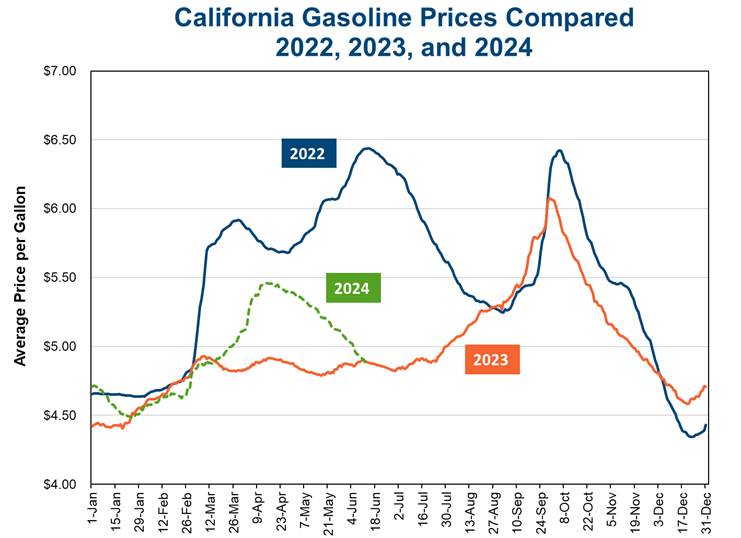
Gas prices typically rise during the summer driving season due to increased demand and the production of more expensive summer-blend gasoline. Holidays also often see a spike. Global oil prices, geopolitical events, and refinery issues can cause sudden and unpredictable price swings. Checking national and California-specific fuel forecasts from reputable sources before your trip can offer a general idea of what to expect.
The Rise of Electric Vehicles for California Exploration
Looking to the future, the increasing prevalence of electric vehicles (EVs) offers a compelling alternative for navigating California. The state boasts an extensive charging infrastructure, particularly along major corridors and in urban areas. Renting an EV can drastically reduce or even eliminate fuel costs, replacing them with potentially lower electricity costs, especially if charging overnight at accommodations. While range anxiety might be a concern for some, many modern EVs offer sufficient range for most day trips and, with proper planning, even longer road trips. As EV technology advances and charging networks expand, this option will become increasingly attractive for exploring California without the burden of its high gas prices. This transition presents a unique opportunity for travelers to experience the state more sustainably and often more economically in the long run.
LifeOutOfTheBox is a participant in the Amazon Services LLC Associates Program, an affiliate advertising program designed to provide a means for sites to earn advertising fees by advertising and linking to Amazon.com. Amazon, the Amazon logo, AmazonSupply, and the AmazonSupply logo are trademarks of Amazon.com, Inc. or its affiliates. As an Amazon Associate we earn affiliate commissions from qualifying purchases.