
Living in Hawaii is a dream for many, conjuring images of pristine beaches, lush tropical landscapes, and a pace of life that prioritizes well-being over the frantic hustle of the mainland. However, transitioning that dream into a daily reality requires a deep understanding of the financial landscape. The “Paradise Tax” is a well-known concept among locals, referring to the premium paid for the privilege of living in the middle of the Pacific Ocean. For those considering a lifestyle shift to the islands, the cost of living is the most critical factor to analyze, as it influences everything from where you live to how you spend your weekends.
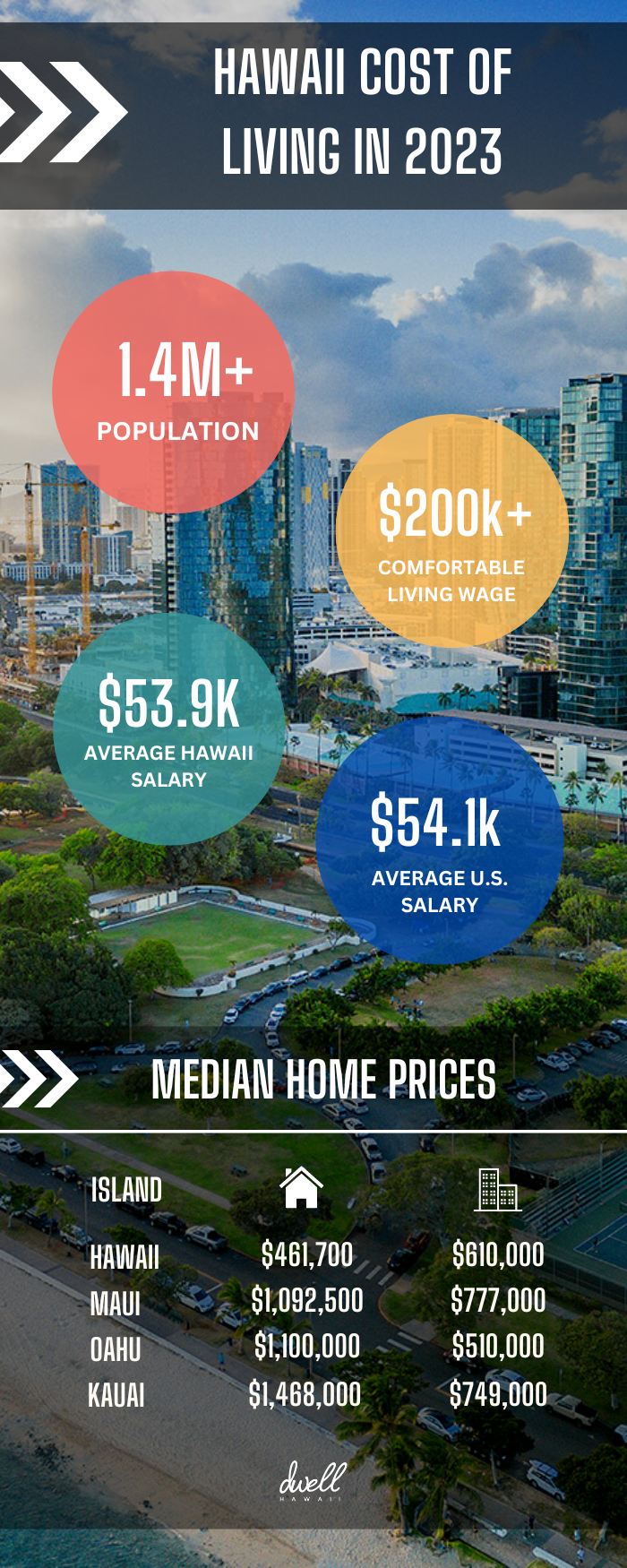
The Economic Reality of the Aloha State
The lifestyle in the islands is dictated by geography. As the most isolated island chain in the world, Hawaii imports nearly 90% of its goods. This logistical reality creates a baseline cost for almost every tangible product, from construction materials to a gallon of milk. When evaluating the lifestyle here, one must look beyond simple price tags and understand the systemic factors that drive the cost of living to be among the highest in the United States.
Housing Costs: The Largest Piece of the Pie
For most residents, housing is the most significant expenditure. Whether you are looking for a high-rise condo in Honolulu or a modest plantation-style home in Hilo, the market is tight and prices are consistently high. The demand for limited land, coupled with interest from international investors and the robust tourism industry, keeps property values elevated.
In the urban core of Oahu, particularly in neighborhoods like Waikiki or Kakaako, lifestyle is characterized by walkability and luxury amenities, but it comes at a premium. A one-bedroom apartment in these areas can easily exceed the cost of a three-bedroom home in many mainland cities. For families looking for a more suburban lifestyle, areas like Kapolei or Mililani offer more space, though the trade-off is often a lengthy commute and high fuel costs.
Utilities and the Price of Paradise
Electricity in Hawaii is notoriously expensive, often costing double or triple the national average. This is largely because the state has historically relied on imported oil for power generation. While there is a massive push toward renewable energy, particularly solar, the current infrastructure still reflects high utility bills.
The lifestyle adjustment for many newcomers involves becoming “energy conscious.” This might mean foregoing central air conditioning in favor of natural trade winds or investing heavily in photovoltaic systems. Water and sewer rates are also on the rise, particularly on Oahu, as the city works to upgrade its aging infrastructure. These fixed costs are a mandatory part of the Hawaiian lifestyle that requires careful monthly budgeting.
Daily Expenses and Quality of Life
Beyond the roof over your head, the daily cost of “doing life” in the islands is where the budget often feels the most pressure. However, the lifestyle here also offers unique ways to offset these costs if one is willing to adapt to local customs and resources.
Grocery Prices and Food Sustainability
Shopping for groceries in Hawaii can be a culture shock. Because of the Jones Act, which regulates maritime commerce, the cost of shipping goods from the mainland is passed directly to the consumer. A gallon of milk or a box of cereal can cost significantly more than in California or Texas.
The “Lifestyle Hack” for residents is to move away from mainland-style shopping. Embracing a local diet—incorporating staples like rice, fresh fish, and local produce—can mitigate some of these costs. Shopping at farmers’ markets in Honolulu or the Big Island allows residents to access fresher food while supporting local agriculture. Many residents also rely on bulk shopping at Costco, which has several locations across the islands and serves as a social and financial hub for local families.
Transportation and the Island Commute
While the islands are relatively small in landmass, transportation is a major expense. Gasoline prices in Hawaii are among the highest in the country. On Oahu, traffic congestion is a significant lifestyle factor, particularly for those commuting from the “Ewa” side into downtown Honolulu.
The lifestyle choice here often involves deciding between the convenience of a personal vehicle and the cost-effectiveness of public transit. TheBus in Honolulu is an award-winning transit system that offers an affordable alternative for city dwellers. Additionally, the recent opening of the Skyline rail system provides a new modern transit option, though its reach is currently limited. For those living on the neighbor islands like Maui or Kauai, a car is almost a necessity, adding insurance, maintenance, and registration fees to the annual budget.

Balancing Luxury and Budget in Hawaii
The beauty of the Hawaiian lifestyle is that it can accommodate a wide range of financial realities, provided expectations are managed. There is a “free” side to paradise that many residents utilize to balance their high living expenses.
Healthcare and Education Costs
Healthcare in Hawaii is generally high-quality, but the cost can vary depending on your employment status. The state’s Prepaid Healthcare Act requires employers to provide insurance for employees working more than 20 hours a week, which is a major lifestyle benefit for many residents. However, for the self-employed or entrepreneurs, finding affordable coverage can be a hurdle.
Education is another significant factor for families. While Hawaii has a robust public school system, there is a very high rate of private school enrollment, especially on Oahu. Schools like Punahou School or Iolani School are prestigious but come with tuition rates comparable to mainland universities. For many families, this is a conscious lifestyle choice that requires significant financial planning.
Recreation and Leisure Lifestyle
This is where the cost of living in Hawaii pays its dividends. The lifestyle focus here is heavily weighted toward the outdoors. Once you have your gear—a surfboard, hiking boots, or a snorkel mask—the majority of the best activities are free. Spending a day at Lanikai Beach or hiking the trails of Mount Tantalus costs nothing but your time.
Luxury travel and high-end dining are available in abundance, especially in areas like Wailea or Princeville, but the “local” lifestyle often revolves around “pau hana” (time after work) at a beach park with a cooler and some poke. This shift from consumer-based entertainment to nature-based leisure is what makes the high cost of living sustainable for many.
Regional Variations: From Honolulu to Hilo
The “average” cost of living is a bit of a misnomer because each island offers a distinct lifestyle and price point. Understanding these regional differences is essential for anyone planning a move to the Aloha State.
Oahu: The Urban Lifestyle
Oahu is the economic heart of the state. It offers the most job opportunities, the best healthcare, and the most diverse entertainment options. However, it is also the most crowded and, in many neighborhoods, the most expensive. Living in Honolulu means trade-offs: you might live in a smaller space but have access to world-class dining and cultural institutions like the Bishop Museum.
Maui and Kauai: The Cost of Privacy
The “neighbor islands” of Maui and Kauai offer a slower, more rural lifestyle. However, this peace comes with a price. Groceries and utilities are often even more expensive here than on Oahu due to additional shipping legs. Housing markets in Hanalei or Lahaina (pre-recovery) have historically been some of the most expensive in the world. The lifestyle here is for those who value nature and quiet over urban convenience.
The Big Island: The Most Affordable Frontier
Hawaii Island, commonly known as the Big Island, is generally considered the most affordable island for housing. From the sunny coast of Kailua-Kona to the rainforests of Hilo, your dollar often goes further in terms of square footage.
The lifestyle on the Big Island is rugged and expansive. Residents might find themselves living “off-grid” in areas like Puna, utilizing catchment water and solar power to further reduce living costs. While the lower cost of entry for housing is attractive, it is important to factor in the potential for higher transportation costs and limited job markets compared to Oahu.
Ultimately, the cost of living in Hawaii is a reflection of the value placed on the environment and the community. While the numbers on a spreadsheet might seem daunting, the “return on investment” is measured in sunset views over Diamond Head, the scent of plumeria on the breeze, and a lifestyle that emphasizes the “Aloha Spirit” above all else. Success in the islands requires more than just a high salary; it requires a willingness to adapt, simplify, and embrace the unique rhythms of island life.
LifeOutOfTheBox is a participant in the Amazon Services LLC Associates Program, an affiliate advertising program designed to provide a means for sites to earn advertising fees by advertising and linking to Amazon.com. Amazon, the Amazon logo, AmazonSupply, and the AmazonSupply logo are trademarks of Amazon.com, Inc. or its affiliates. As an Amazon Associate we earn affiliate commissions from qualifying purchases.