
When travelers look toward the heart of the Great Plains, Oklahoma often surprises them with its blend of rugged western history, burgeoning urban sophistication, and deep-rooted cultural heritage. While the state is widely recognized for its sprawling landscapes and rolling hills, its urban centers serve as the primary gateways for visitors. Understanding these cities is essential for anyone planning a comprehensive itinerary through the Sooner State. From the high-energy atmosphere of its capital to the historic charms of its secondary hubs, these are the largest cities defining Oklahoma.
Oklahoma City: The Vibrant Capital
As the most populous city in the state, Oklahoma City acts as the cultural and economic heartbeat of the region. Originally settled during the Land Run of 1889, the city has evolved from a dusty frontier outpost into a modern metropolitan destination that balances grit with grace.

Downtown Vitality and Waterfronts
The urban core is anchored by the Bricktown entertainment district, a revitalized warehouse area that now serves as the center for nightlife and dining. Visitors often take a relaxing cruise along the Bricktown Canal, which winds through the district, connecting visitors to various museums and the nearby Paycom Center. For those interested in an active afternoon, the Boathouse District offers world-class rowing and whitewater rafting facilities, showcasing the city’s commitment to outdoor recreation within an urban setting.
Historical and Cultural Landmarks
No trip to the capital is complete without a visit to the Oklahoma City National Memorial & Museum, a solemn and beautifully designed space that honors the lives lost in the 1995 bombing. For art enthusiasts, the Oklahoma City Museum of Art houses an extensive collection of Chihuly glass, providing a vibrant contrast to the historic Stockyards City, where the legacy of the cattle industry remains alive and well.
Tulsa: The Art Deco Treasure
Situated in the northeastern part of the state, Tulsa offers a distinct aesthetic and atmosphere compared to the capital. Known as the “Oil Capital of the World” during the early 20th century, the city invested its wealth into stunning architecture that still defines the downtown skyline today.
Architectural Splendor
Tulsa boasts one of the most concentrated collections of Art Deco architecture in the United States. Walking through the city center, visitors are treated to intricate facades and geometric designs that tell the story of the Great Depression era’s opulence. The Philcade Building and the Boston Avenue Methodist Church are essential stops for architecture buffs.
Green Spaces and Innovation
Beyond its buildings, the city is home to Gathering Place, a massive, award-winning public park along the banks of the Arkansas River. This expansive space serves as a testament to Tulsa’s dedication to community and outdoor accessibility. Nearby, the Gilcrease Museum provides a deep dive into the history of the American West, housing an immense collection of art and artifacts from indigenous cultures and early settlers.

Norman: Where Academics Meet Athletics
Located just south of the capital, Norman is the third-largest city in the state and serves as the epicenter of collegiate life. It is the home of the University of Oklahoma, which deeply influences the town’s energetic and youthful spirit.
Collegiate Culture and Museums
The presence of the university ensures that Norman remains a hub for academic and athletic events. The Fred Jones Jr. Museum of Art is a hidden gem, featuring an impressive permanent collection that spans European and American art. Additionally, the Sam Noble Oklahoma Museum of Natural History is one of the premier facilities of its kind, housing world-class dinosaur exhibits that attract researchers and families alike.
Exploring Campus Life
The town center, often called Campus Corner, is the go-to spot for visitors looking to experience the local scene. Packed with independent restaurants, boutiques, and historic game-day venues, it encapsulates the vibrant culture of Norman. Whether you are visiting for a football game at Gaylord Family Oklahoma Memorial Stadium or simply exploring the tree-lined streets, the town offers a refreshing, scholarly atmosphere.
Broken Arrow and Lawton: Regional Anchors
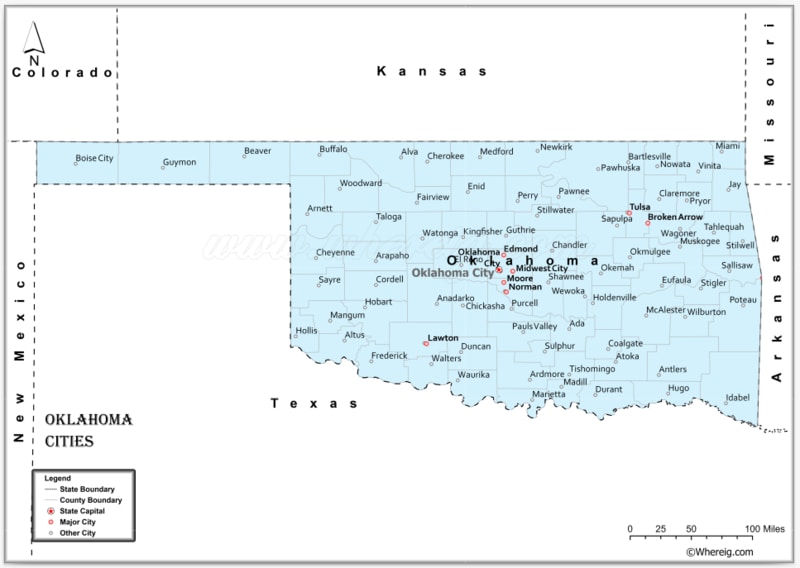
While the primary trio of Oklahoma City, Tulsa, and Norman dominates the population charts, other cities like Broken Arrow and Lawton provide essential context for understanding the state’s regional geography.
The Growth of Suburbia
Broken Arrow has transformed from a quiet suburb of Tulsa into a significant urban center in its own right. It is characterized by its family-friendly environment and a burgeoning Rose District, which has become a popular destination for local shops, community theaters, and vibrant public events. It represents the quiet, steady growth that many of the state’s mid-sized cities are experiencing.
The Gateway to the Wichitas
In contrast, Lawton serves a different role. Situated in the southwestern part of the state, it is the gateway to the Wichita Mountains Wildlife Refuge. For tourists, Lawton is the jumping-off point for exploring some of the most striking natural landscapes in Oklahoma. Whether hiking the peaks or spotting bison in their natural habitat, travelers prioritize this city for its proximity to nature and its deep connections to Fort Sill, which plays a significant role in both the region’s history and current economy.
Conclusion: Planning Your Urban Journey
Traveling through Oklahoma reveals a state that is much more than the sum of its plains. From the bustling Bricktown district in the capital to the stunning Art Deco skyline of Tulsa, and the scholarly charm of Norman, these cities offer a diverse range of experiences for every type of traveler.
When mapping out your route, consider the distinct flavor of each city. Oklahoma City provides the scale and energy of a major metropolitan hub, Tulsa delivers a rich cultural and aesthetic experience, and smaller hubs like Lawton connect visitors to the wild, untamed beauty of the state’s geography. By exploring these urban centers, travelers can gain a more comprehensive understanding of the history, innovation, and ongoing development that continues to shape this unique corner of the United States. Whether you are a history buff, an art enthusiast, or an outdoor adventurer, the biggest cities in Oklahoma provide the perfect backdrop for your next discovery.
LifeOutOfTheBox is a participant in the Amazon Services LLC Associates Program, an affiliate advertising program designed to provide a means for sites to earn advertising fees by advertising and linking to Amazon.com. Amazon, the Amazon logo, AmazonSupply, and the AmazonSupply logo are trademarks of Amazon.com, Inc. or its affiliates. As an Amazon Associate we earn affiliate commissions from qualifying purchases.