
The Ancient Landscape of the Flint Hills
Long before the state boundaries of Kansas were drawn, the sweeping, undulating landscape of the Flint Hills was shaped by ancient seas and wind-blown loess. This vast expanse of tallgrass prairie, stretching from Nebraska down to Oklahoma, is one of the last remaining intact tallgrass ecosystems in the world. Beneath the sea of big bluestem and Indian grass lies a resilient layer of limestone and chert—commonly known as flint. For millennia, this geology dictated the human story of the region. The sharp, durable stone provided the raw material for countless generations of Indigenous peoples who fashioned it into projectile points, scrapers, and knives.
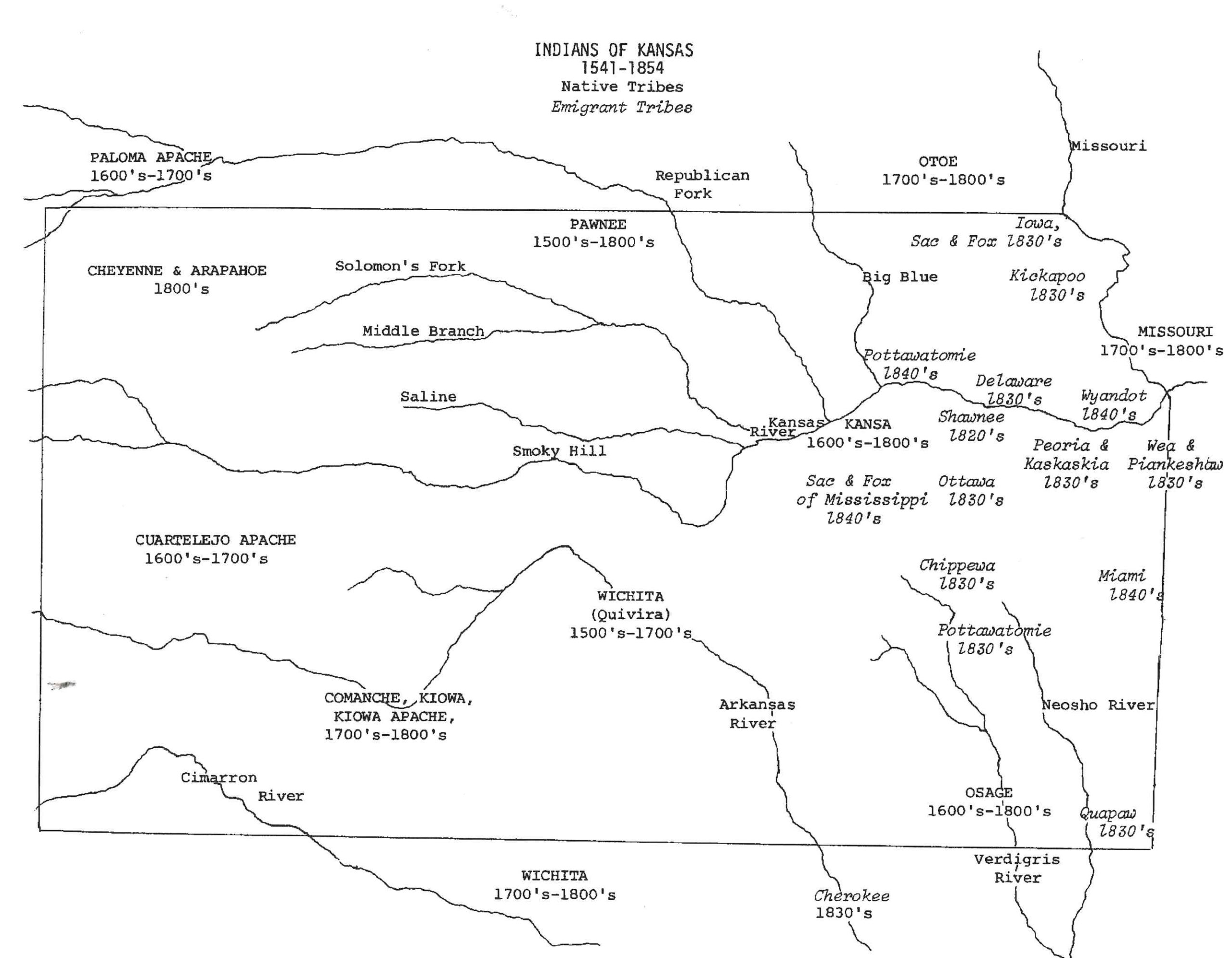
The environment of the Flint Hills offered both challenges and extraordinary bounty. Watered by meandering rivers like the Kansas River basin tributaries, the Neosho River, and the Cottonwood River, the region supported immense herds of American bison, elk, and pronghorn. For early hunters and gatherers, this ecosystem was a critical crossroads. The landscape was never a silent, empty wilderness; rather, it was a deeply managed, heavily traveled homeland for numerous tribes whose histories span thousands of years, moving seamlessly from the prehistoric era through the turbulent periods of European contact and forced removal.
The Prehistoric and Ancestral Peoples
The Early Hunters and Gatherers
The human history of the Flint Hills begins deep within the archaeological record, stretching back over 10,000 years to the Paleo-Indian period. These early inhabitants were nomadic hunters who stalked Pleistocene megafauna across the changing post-glacial landscape. As the climate warmed and the modern prairie ecosystem took shape during the Archaic period, these populations adapted by developing specialized tools for foraging, small-game hunting, and processing native plant foods such as wild onions, roots, and prairie turnip.
The Plains Woodland and Plains Village Farmers
By the first millennium CE, the ancestral peoples of the region began to transition toward a more settled way of life. The Plains Woodland cultures introduced pottery, burial mounds, and the early cultivation of indigenous crops like squash and sunflowers. Following them, the Plains Village farmers—ancestors to several historic Siouan and Caddoan-speaking tribes—established semi-permanent earthlodge villages along the fertile river valleys bordering the Flint Hills. Sites such as those found near Manhattan and Wichita reveal complex societies that balanced maize agriculture with seasonal bison hunting excursions into the heart of the tallgrass uplands.
The Historic Tribes of the Flint Hills
As European explorers and traders began pushing westward into the trans-Mississippi West, the human geography of the Kansas prairies solidified around several prominent Native American nations. While many tribes utilized the Flint Hills for hunting and trade, a few maintained primary territorial claims over the region.
The Kanza (Kaw) Nation
Perhaps the most direct and historically significant stewards of the Flint Hills are the Kanza people, also known as the Kaw Nation. It is from this proud tribe that the state of Kansas derives its name. The Kanza are a Dhegiha Siouan-speaking people who migrated westward from the Ohio River valley centuries before European contact.
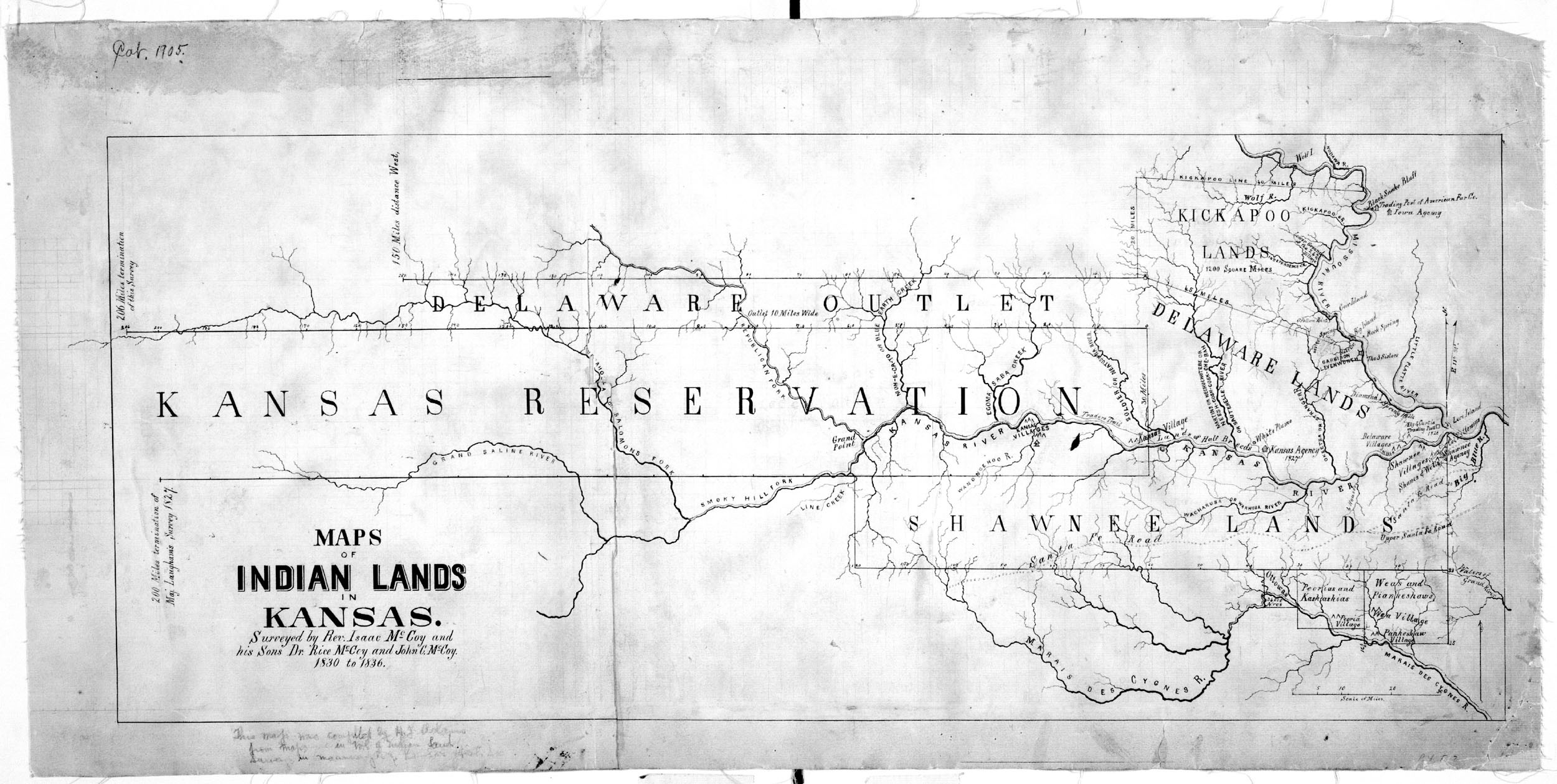
Their traditional territory encompassed the eastern third of Kansas, with the Flint Hills forming the central core of their ancestral homeland. The Kanza lived in substantial earthlodge villages during the planting and harvesting seasons, cultivating corn, beans, and squash along waterways such as the Kansas River and the Blue River. Twice a year, the entire village would pack up and embark on extensive communal bison hunts across the undulating Flint Hills. These hunts were essential for securing meat for food, hides for clothing and shelter, and bones for tools.
The Osage Nation
To the south and southeast of the Flint Hills lay the territory of the Osage Nation, another powerful Dhegiha Siouan-speaking people. While their primary permanent settlements were located in present-day Missouri and southeastern Kansas, the Osage fiercely claimed hunting rights across the southern and eastern portions of the Flint Hills. Known for their physical stature and sophisticated political organization, the Osage regularly crossed the prairie uplands to harvest bison, often engaging in fierce territorial competitions with neighboring tribes such as the Pawnee and the Cheyenne.
The Pawnee Nation
Operating primarily in central and northern Kansas and Nebraska, the Caddoan-speaking Pawnee frequently hunted and traveled through the northern reaches of the Flint Hills. The Pawnee maintained large, fortified earthlodge villages along the Republican River and the Smoky Hill River. Their seasonal hunts brought them into regular contact—and occasional conflict—with both the Kanza and the Osage as all three nations competed for the abundant resources of the tallgrass prairie.
Nomadic Equestrian Tribes: Cheyenne, Arapaho, and Comanche
As the horse culture transformed the Great Plains in the seventeenth and eighteenth centuries, nomadic plains tribes increasingly utilized the western margins of the Flint Hills. The Cheyenne and Arapaho, moving out from the Rocky Mountain foothills and the high plains, used the grassy expanses for hunting and transit. Similarly, the Comanche, famed equestrians of the southern plains, traversed these routes during their vast trading and raiding circuits.
Displacement, Treaties, and Forced Removal
The arrival of white settlers, traders, and government surveyors in the nineteenth century brought catastrophic disruption to the Indigenous nations of the Flint Hills. Through a succession of coercive federal treaties, the United States government systematically stripped the Kanza, Osage, and other tribes of their ancestral lands.
In 1825, the Kanza signed a treaty ceding millions of acres of their traditional territory, retaining only a narrow 30-mile-wide strip of land along the Kansas River that included parts of the northern Flint Hills. Even this diminished reservation was subjected to relentless pressure from encroaching homesteaders. By the early 1870s, under conditions of extreme poverty, disease, and political manipulation, the Kanza were forcibly removed from their homeland in Kansas to a new reservation in Indian Territory (present-day Oklahoma). Today, the Kaw Nation is headquartered in Windom, Oklahoma, though descendants maintain deep cultural and spiritual connections to the hills of their ancestors.
Similarly, the Osage Nation was forced to relinquish its lands in Kansas following the passage of the Drum Creek Treaty in 1870. They relocated to northeastern Oklahoma, where they famously purchased their reservation mineral rights, securing a unique place in American history.
Legacy and Preservation in the Modern Era
Today, the spirit of the Indigenous peoples who lived in the Flint Hills remains woven into the geography and culture of the region. Place names throughout Kansas—from rivers and counties to towns and parks—echo the languages of the Kanza, Osage, and Pawnee.
Conservation efforts, such as those at the Tallgrass Prairie National Preserve near Strong City, protect remnants of the ecosystem that sustained these nations for centuries. Visitors walking the limestone-strewn ridges can still find subtle traces of the past—chipped flint flakes left behind by ancient knappers, old trail ruts, and the sweeping vistas that once guided the footsteps of generations of Indigenous hunters, families, and leaders. Understanding who lived in the Flint Hills transforms the landscape from a simple pastoral postcard into a profound historical monument honoring the original caretakers of the American tallgrass prairie.
LifeOutOfTheBox is a participant in the Amazon Services LLC Associates Program, an affiliate advertising program designed to provide a means for sites to earn advertising fees by advertising and linking to Amazon.com. Amazon, the Amazon logo, AmazonSupply, and the AmazonSupply logo are trademarks of Amazon.com, Inc. or its affiliates. As an Amazon Associate we earn affiliate commissions from qualifying purchases.