
Understanding the foundational building blocks for early childhood education in the Golden State is crucial for parents, educators, and policymakers alike. The California Preschool Standards are not merely a set of guidelines; they represent a comprehensive framework designed to nurture the holistic development of young children, setting them on a path for lifelong learning and success. These standards are meticulously crafted to address the diverse needs of children across the vast and varied landscape of California, from the bustling urban centers of Los Angeles and San Francisco to the more remote communities.
The development and implementation of these standards are a testament to California’s commitment to its youngest citizens. They are informed by extensive research in child development, early learning, and pedagogy, reflecting a deep understanding of how children learn best during their formative years. The goal is to ensure that every preschool-aged child in California receives high-quality educational experiences that promote cognitive, social, emotional, and physical growth. This framework guides curriculum development, teacher training, and assessment practices, creating a consistent yet flexible approach to early education.
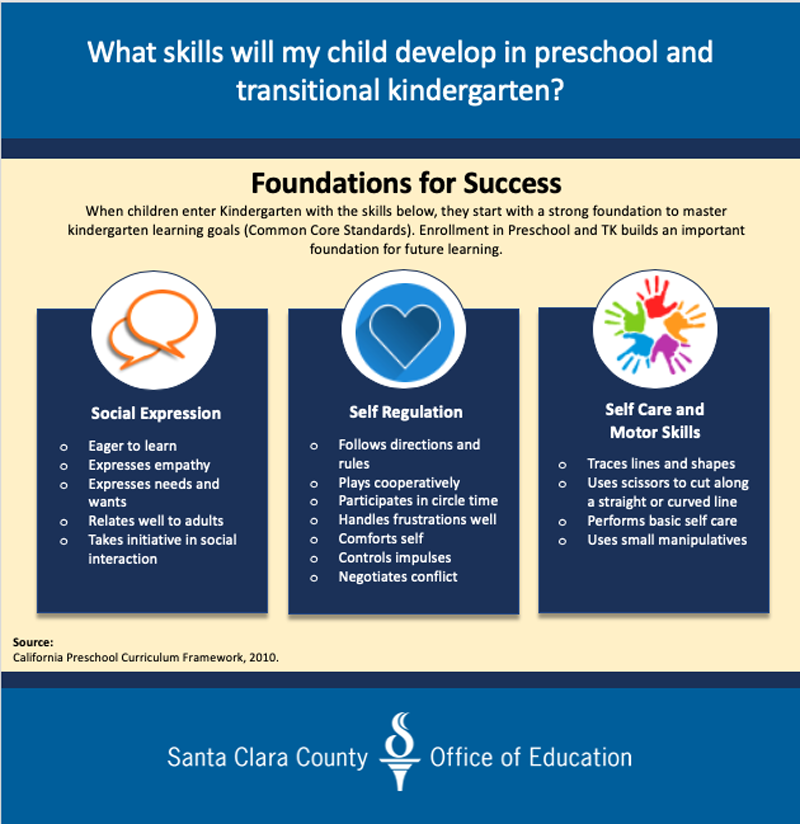
Domains of Development Addressed
The California Preschool Standards are organized into several interconnected domains, each focusing on a critical aspect of a child’s development. These domains are not isolated but rather work in concert, recognizing that a child’s learning is a complex and integrated process.
Language and Literacy Development
This domain is paramount, laying the groundwork for a child’s ability to communicate, comprehend, and express themselves. It encompasses a wide range of skills, from the acquisition of vocabulary and sentence structure to the development of phonological awareness, print awareness, and early reading and writing skills. Activities within this domain encourage children to engage with language through storytelling, rhyming games, dramatic play, and exposure to a rich variety of books and print materials.
Vocabulary Expansion and Comprehension
Children are encouraged to build a robust vocabulary through consistent exposure to new words in meaningful contexts. This includes engaging in conversations, listening to stories, and participating in activities that introduce new concepts. Developing comprehension skills involves teaching children to understand spoken language, follow directions, and make connections between what they hear and their own experiences.
Early Reading Skills
This aspect focuses on developing foundational skills necessary for reading. It includes teaching children about the alphabet, letter sounds (phonics), and the concept that print carries meaning. Activities like shared reading, letter recognition games, and emergent writing practices are key components.
Early Writing Skills
Children are encouraged to explore writing through drawing, scribbling, and eventually forming letters and words. This domain emphasizes the process of writing, allowing children to express their ideas and stories through various forms of mark-making, fostering creativity and a sense of authorship.
Cognitive Development
This domain focuses on the development of thinking skills, problem-solving abilities, and intellectual curiosity. It includes areas such as mathematics, science, and reasoning. Children are encouraged to explore, question, and discover the world around them, fostering a love for learning and critical thinking from an early age.
Mathematical Thinking
Preschoolers are introduced to basic mathematical concepts through hands-on exploration and play. This includes developing an understanding of numbers, counting, patterns, shapes, and measurement. Activities might involve sorting objects, building with blocks, or engaging in simple addition and subtraction scenarios through play.
Scientific Inquiry and Exploration
This area promotes a sense of wonder and curiosity about the natural world. Children are encouraged to observe, ask questions, and explore their environment through activities like nature walks, simple experiments, and discussions about plants, animals, and weather. The focus is on fostering a scientific mindset of observation and inquiry.
Reasoning and Problem Solving

Children are supported in developing their ability to think logically and solve problems. This involves engaging them in activities that require planning, decision-making, and finding solutions, such as puzzles, construction activities, and cooperative games.
Social and Emotional Development
This is a cornerstone of early childhood education, focusing on how children learn to interact with others, manage their emotions, and develop a sense of self. It encompasses building positive relationships, understanding and expressing emotions, developing empathy, and learning self-regulation skills.
Self-Awareness and Self-Management
Children are guided to understand their own feelings, needs, and strengths. They learn strategies for managing their emotions, such as taking deep breaths when frustrated, and develop independence in daily routines. This fosters a sense of confidence and self-efficacy.
Social Awareness and Relationship Skills
This aspect focuses on children’s ability to interact positively with peers and adults. They learn about cooperation, sharing, turn-taking, and resolving conflicts peacefully. Developing empathy and understanding the perspectives of others are also key components, building a foundation for strong social connections.
Emotional Expression and Regulation
Children are provided with a safe and supportive environment to express their feelings appropriately. They learn to identify emotions in themselves and others and develop strategies for regulating intense emotions, which is vital for their overall well-being and ability to engage in learning.
Physical Development and Health
This domain addresses the development of gross and fine motor skills, as well as an understanding of healthy habits. It encourages children to be physically active, develop coordination, and learn about nutrition and safety, promoting a healthy lifestyle from a young age.
Gross Motor Skills
Activities that promote the development of large muscle groups are essential. This includes running, jumping, climbing, balancing, and throwing, which help children develop coordination, strength, and spatial awareness. Outdoor play and movement activities are crucial for this domain.
Fine Motor Skills
Developing fine motor skills involves the use of small muscles, particularly in the hands and fingers. Activities like drawing, cutting with scissors, building with small blocks, and manipulating small objects help children develop the dexterity needed for tasks such as writing and self-care.
Health and Well-being
This component emphasizes the importance of healthy habits. Children learn about nutrition, hygiene, and safety. Understanding the need for sleep, exercise, and balanced eating contributes to their overall physical health and development.
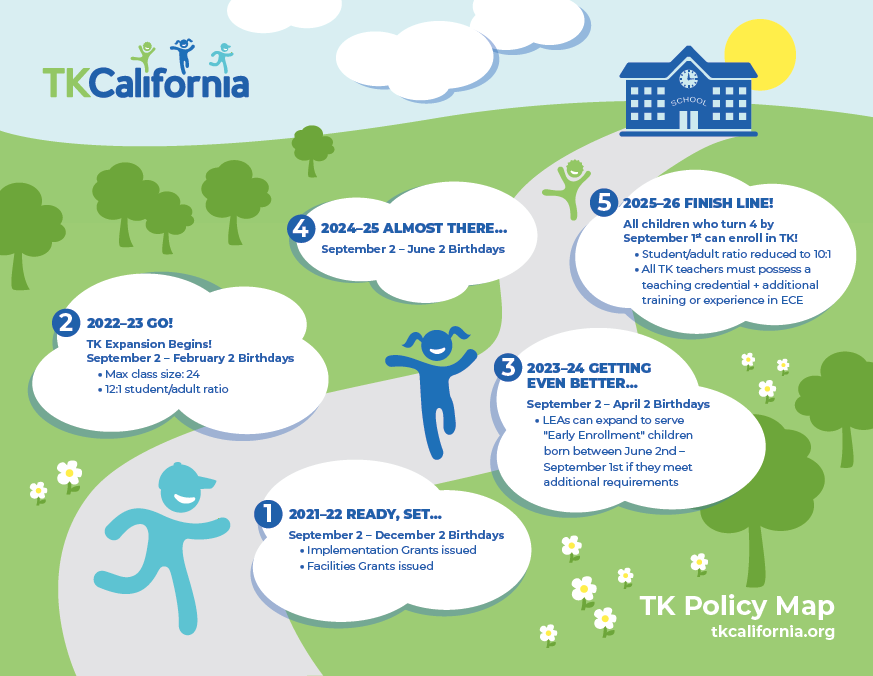
Implementation and Significance
The California Preschool Standards are not static documents but are intended to be a living guide for educators. They are designed to be flexible, allowing for adaptation to the unique cultural, linguistic, and developmental needs of the children in each classroom. Teachers are encouraged to use these standards to inform their lesson planning, create engaging learning environments, and make informed observations about children’s progress.
The significance of these standards extends beyond the preschool years. By providing a strong foundation in early learning, they aim to reduce achievement gaps and ensure that all children enter kindergarten ready to learn and succeed. This commitment to high-quality early education is an investment in the future of California, fostering a generation of well-rounded, capable, and lifelong learners. Whether exploring the vibrant arts scene in San Francisco or enjoying the natural beauty of Yosemite National Park, the principles embedded in these standards are about nurturing potential, regardless of background or location.
The collaborative effort involved in developing and refining these standards—involving educators, researchers, parents, and policymakers—underscores their importance. They serve as a benchmark for quality, ensuring that preschool experiences across the state are meaningful, developmentally appropriate, and contribute positively to a child’s journey through the educational system and beyond, preparing them for future academic and life endeavors.
LifeOutOfTheBox is a participant in the Amazon Services LLC Associates Program, an affiliate advertising program designed to provide a means for sites to earn advertising fees by advertising and linking to Amazon.com. Amazon, the Amazon logo, AmazonSupply, and the AmazonSupply logo are trademarks of Amazon.com, Inc. or its affiliates. As an Amazon Associate we earn affiliate commissions from qualifying purchases.