
Navigating any large metropolis comes with a need for awareness, and understanding the nuances of urban safety is paramount for a fulfilling travel experience. While Chicago is celebrated for its architectural marvels, vibrant culture, and culinary delights, like any major city, it has areas that warrant a higher degree of caution. This guide aims to provide a balanced perspective, focusing on areas that statistically have higher crime rates, not to deter exploration, but to empower travelers with knowledge for safer journeys. It is crucial to remember that crime statistics are dynamic and often concentrated in specific pockets within neighborhoods. Generalizing entire communities as “dangerous” can be misleading and perpetuate harmful stereotypes. Instead, we will focus on identifying areas that, according to law enforcement data and community reports, have historically shown elevated levels of certain types of crime. This allows for informed decision-making regarding itinerary planning and personal safety practices.

Understanding Chicago’s Urban Landscape and Safety
Chicago is a city of distinct neighborhoods, each with its own character, history, and socio-economic profile. These differences can, unfortunately, correlate with varying levels of safety. Official crime data, often released by the Chicago Police Department, typically categorizes crime by beats or police districts. When discussing “dangerous areas,” these statistics are often the primary source, highlighting neighborhoods with higher reported incidents of violent crime, property crime, or drug-related offenses.
It’s important to approach such data with critical analysis. Factors influencing crime rates are complex and include poverty, lack of economic opportunity, historical disinvestment, and gang activity. Focusing solely on crime statistics without acknowledging these underlying issues presents an incomplete picture. For travelers, the goal is not to avoid these areas entirely if they hold unique cultural or historical significance, but to be aware and take appropriate precautions. This might involve sticking to well-lit main streets, traveling in groups, avoiding late-night excursions in unfamiliar zones, and being mindful of one’s surroundings.
Interpreting Crime Statistics
When reviewing crime maps or statistics for Chicago, several points of caution are necessary:
- Geographic Granularity: Crime is rarely uniform across an entire neighborhood. Statistics often reflect issues concentrated in specific blocks or blocks, rather than an entire community.
- Type of Crime: “Dangerous” can mean different things. Some areas might have higher rates of property crime (theft, burglary), while others might experience more violent crime (assaults, robberies). A traveler’s vulnerability can differ based on the prevalent crime type.
- Time of Day: Safety levels can fluctuate significantly throughout the day and night. Areas that are vibrant and active during the day might be considerably less so, and potentially riskier, after dark.
- Target vs. Opportunity: Many crimes are opportunistic. Being aware of your surroundings, not displaying valuables openly, and avoiding being an easy target are universal safety measures applicable everywhere, but especially in areas with higher crime incidence.
Areas of Elevated Concern in Chicago
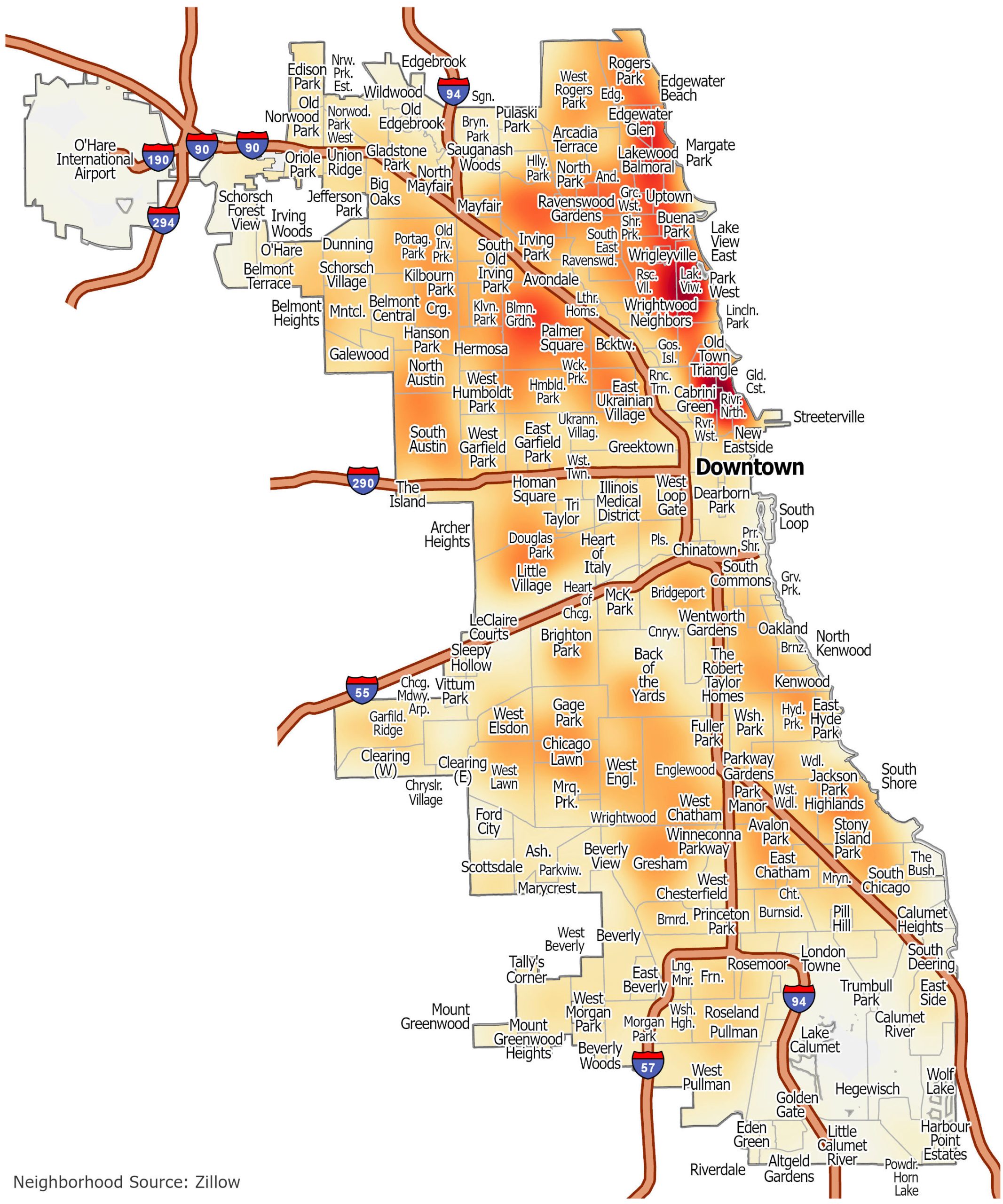
While Chicago boasts many safe and welcoming communities, certain areas have, based on historical crime data and community reports, been identified as having higher rates of crime. It’s essential to reiterate that this information is intended for traveler awareness, not to stigmatize or discourage exploration where appropriate and with due caution. The focus will be on broader geographical areas often cited in discussions of crime, understanding that within these, there are many pockets of safety and community vibrancy.
South Side Chicago
The South Side of Chicago is a vast and culturally rich area, home to iconic institutions like the Museum of Science and Industry and historic neighborhoods such as Bronzeville. However, like many large urban areas, some parts of the South Side have grappled with significant challenges related to crime, particularly violent crime. Neighborhoods like Englewood, Roseland, and parts of Grand Boulevard and Washington Park have historically reported higher crime rates. These issues are often tied to complex socio-economic factors, including poverty, unemployment, and historical patterns of segregation and disinvestment.
For travelers, this means that while exploring areas like Hyde Park for its academic institutions (like the University of Chicago) or the cultural heritage of Bronzeville, it is prudent to remain aware of your surroundings, especially when venturing into less populated or less well-lit areas, particularly after dark. Stick to main thoroughfares and well-trafficked areas when possible. It’s also worth noting that many community organizations and local leaders are actively working to improve safety and economic opportunities in these neighborhoods, creating positive change.
West Side Chicago
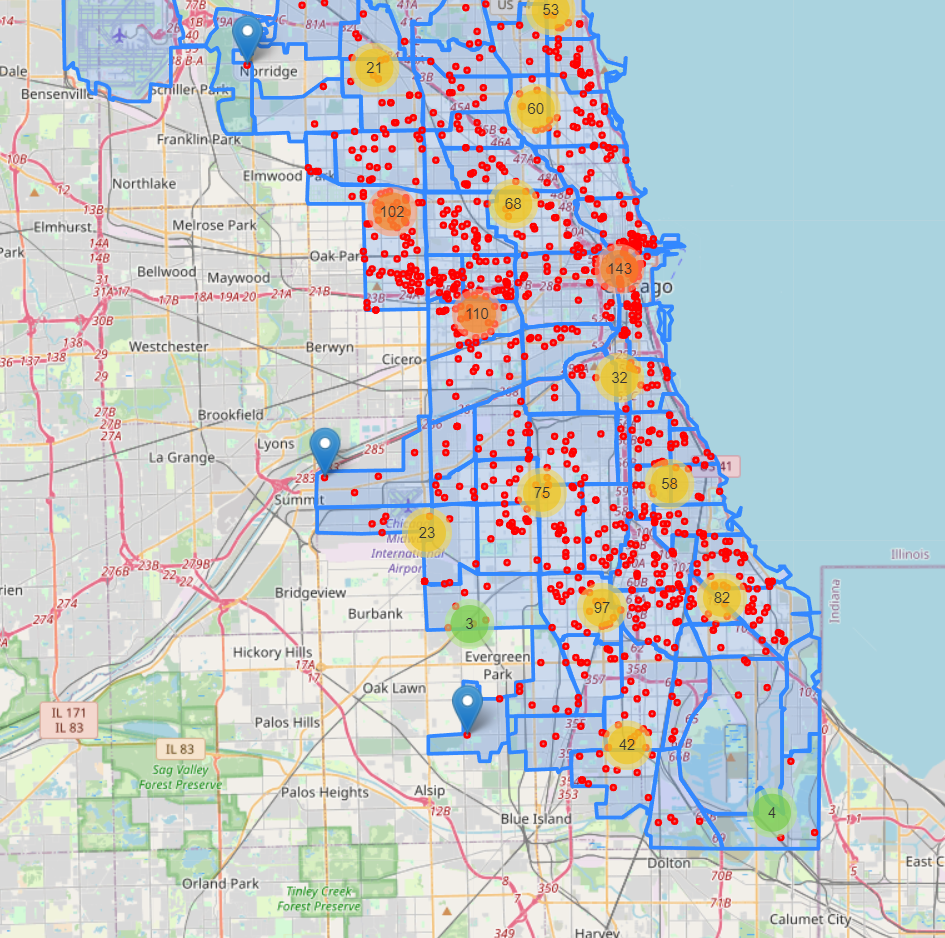
The West Side of Chicago is another expansive region with a rich history and diverse communities, including the vibrant arts scene of East Garfield Park and the historic architecture of Humboldt Park. However, certain areas of the West Side have also faced significant challenges with crime. Neighborhoods such as Garfield Park, North Lawndale, and Austin have, in the past, been identified in crime statistics as having higher incidences of violent crime and gang-related activity. Similar to the South Side, these issues are deeply rooted in historical socio-economic disparities.
When visiting areas of the West Side, particularly if venturing off the beaten path to explore specific cultural landmarks or community events, travelers should exercise increased vigilance. It’s advisable to travel during daylight hours, stay on main roads, and be mindful of the local community’s dynamics. Many parts of the West Side are undergoing revitalization, with new businesses and community initiatives emerging, but awareness remains key for a safe and enjoyable visit. The focus should remain on experiencing the unique cultural contributions of these areas while employing common-sense safety practices.
North Side Considerations
While the North Side of Chicago is generally perceived as safer, with popular tourist destinations like Lincoln Park and the entertainment districts of Wrigleyville and Old Town, it is not entirely devoid of crime. Certain pockets, particularly in areas with a higher concentration of nightlife or experiencing gentrification, can see an increase in opportunistic crimes like pickpocketing, car break-ins, and late-night disturbances. Neighborhoods closer to the city center that experience significant economic disparity, even on the North Side, might present localized issues.
For example, areas adjacent to downtown or experiencing rapid development might see a rise in property crime. Tourist hotspots, while generally safe due to high visibility, can also attract pickpockets. It is always prudent to be aware of your belongings, especially in crowded public spaces, and to avoid walking alone in poorly lit or deserted areas late at night, regardless of the neighborhood. The key is a consistent application of safety awareness across all parts of the city.
Essential Safety Tips for Exploring Chicago
Regardless of the specific areas you plan to visit in Chicago, adopting a proactive approach to personal safety is crucial for a positive travel experience. These practices are universally beneficial in urban environments and will help you navigate the city with confidence.
Awareness and Preparedness
- Stay Informed: Before and during your trip, check local news and Chicago Police Department advisories for any specific concerns. Mobile apps that track crime can also provide localized insights, but use them as a general guide rather than a definitive rulebook.
- Know Your Route: Plan your journeys in advance, especially when using public transportation or walking in unfamiliar areas. Utilize mapping apps to understand your surroundings and identify well-lit, populated routes.
- Trust Your Instincts: If a situation or area feels uncomfortable or unsafe, remove yourself from it. Your intuition is a valuable tool for personal safety.
Practical Precautions
- Valuables: Keep valuables out of sight. Avoid flashing expensive jewelry, electronics, or large amounts of cash. Use a cross-body bag or a money belt for added security.
- Nighttime Travel: Exercise extra caution when moving around after dark. Stick to well-lit, busy streets. If possible, travel with companions or use ride-sharing services and reputable taxis.
- Public Transportation: While Chicago’s ‘L’ train system is extensive and convenient, be aware of your surroundings, especially during off-peak hours. Keep your belongings secure and avoid falling asleep.
- Vehicle Safety: If you rent a car, do not leave any items visible inside. Park in well-lit, secure areas, and be aware of your surroundings when entering and exiting your vehicle. Avoid leaving your car in isolated or dimly lit parking lots.
- Group Travel: Traveling with others generally enhances safety. Stick together, especially in areas that may present a higher risk.
Engaging with Local Culture Safely
Chicago offers an incredible array of cultural experiences, from world-class museums like the Art Institute of Chicago to diverse neighborhoods brimming with local flavor. To enjoy these fully while staying safe:
- Daytime Exploration: Prioritize exploring less familiar neighborhoods during daylight hours. This allows for better visibility and a more relaxed experience.
- Support Local Businesses: Patronizing local establishments not only enriches your experience but also contributes to the economic vitality of neighborhoods, which can indirectly enhance safety.
- Respectful Engagement: Be mindful of the local community. Understanding and respecting the cultural norms of different neighborhoods will lead to more positive interactions.
By combining a spirit of adventure with a grounded approach to safety, travelers can fully immerse themselves in the dynamic and captivating experience that is Chicago. The city’s diverse tapestry of neighborhoods offers something for every visitor, and with thoughtful planning and awareness, your journey can be both memorable and secure.
LifeOutOfTheBox is a participant in the Amazon Services LLC Associates Program, an affiliate advertising program designed to provide a means for sites to earn advertising fees by advertising and linking to Amazon.com. Amazon, the Amazon logo, AmazonSupply, and the AmazonSupply logo are trademarks of Amazon.com, Inc. or its affiliates. As an Amazon Associate we earn affiliate commissions from qualifying purchases.