
Understanding the Essentials of Vehicle Ownership in California’s Lifestyle
For many, life in California epitomizes a lifestyle of freedom, exploration, and the open road. Whether it’s cruising down the scenic Pacific Coast Highway, embarking on a weekend getaway to the mountains, or simply managing daily commutes, a personal vehicle is often central to this vision. However, acquiring or selling a vehicle in the Golden State involves an important administrative step: the title transfer. Understanding the costs and process associated with transferring a vehicle title is not just a legal necessity but a fundamental aspect of responsible vehicle ownership that directly impacts your lifestyle and financial planning. A seamless title transfer ensures legal ownership, allows for proper registration, and enables you to fully enjoy the mobility that is so integral to living in California.
Why a Title Transfer Matters for Your California Lifestyle
A vehicle title is more than just a piece of paper; it is the legal document proving ownership. Without a properly transferred title, you cannot legally register the vehicle in your name, obtain proper insurance, or ultimately sell it in the future. For residents embracing the diverse opportunities California offers – from urban living in Los Angeles or San Francisco to outdoor adventures near San Diego – having a vehicle means independence. The process of transferring a title protects both the buyer and the seller from potential liabilities and ensures that all parties comply with state regulations. Ignoring this crucial step can lead to fines, impoundment, or more severe legal complications, severely hindering your ability to live out your ideal California lifestyle.
Key Components of Title Transfer Costs
The total cost of a title transfer in California is not a single flat fee but a combination of several factors. These typically include the actual transfer fee, potential sales tax on the purchase price of the vehicle, registration fees, and other miscellaneous charges depending on the vehicle’s specifics and the timing of the transfer. These costs can vary significantly, which is why it’s essential to understand each component to budget accurately. For those planning a move to California or considering purchasing a new vehicle to enhance their local lifestyle, factoring in these expenses upfront is a smart financial move. Knowing what to expect allows for better budgeting, preventing any unexpected financial burdens that could disrupt your plans.
Deconstructing the Fees: What You’ll Actually Pay
Navigating the financial landscape of a vehicle title transfer in California requires a clear understanding of the various fees involved. These fees are regulated by the state and can fluctuate, but the core components remain consistent. Being prepared for these expenses is crucial for anyone integrating a vehicle into their California lifestyle, ensuring a smooth transition of ownership without financial surprises.
California Department of Motor Vehicles (DMV) Fees
The primary costs for a title transfer are levied by the California Department of Motor Vehicles (DMV). These fees cover the administrative process of updating the vehicle’s records and issuing new documentation.
- Title Transfer Fee: As of current regulations, the base fee for transferring a vehicle title in California is relatively modest. This fee is specifically for updating the ownership record. However, this is often just one part of the total bill.
- Registration Fees: When you transfer a title, you’ll also typically be paying for or renewing the vehicle’s registration. California’s registration fees include a Vehicle License Fee (VLF), a registration fee, a California Highway Patrol (CHP) fee, and various county/district fees. The VLF is calculated based on the vehicle’s value and depreciation, while other fees may be flat rates or vary by location (e.g., air quality management districts in urban centers). These annual fees are essential for keeping your vehicle street-legal and ready for all your California adventures, from daily commutes to road trips.
- Late Penalties: It’s imperative to complete the title transfer promptly. If you transfer a vehicle more than 10 days after the purchase date (or 30 days if you’re registering an out-of-state vehicle), you may incur late transfer penalties. Similarly, late registration renewals will also result in additional fees. These penalties can add up quickly, making timely action a financially prudent choice for maintaining your lifestyle budget.
Sales Tax Considerations for Your New Ride
Perhaps the largest component of cost for a vehicle purchase in California is the sales tax. This is generally applied to the purchase price of the vehicle, with some exceptions.
- Sales Tax Rate: California’s statewide sales tax rate applies, which can be significant given the price of many vehicles. This tax is typically paid to the DMV when you register the vehicle. If you purchased from a licensed dealer, they usually collect the sales tax at the point of sale. For private party sales, you are responsible for paying the sales tax directly to the DMV during the transfer process.
- Taxable Amount: The sales tax is generally based on the agreed-upon purchase price of the vehicle. However, the DMV has mechanisms to ensure that vehicles aren’t drastically undervalued to avoid tax. If the declared sale price is suspiciously low, the DMV may use its own valuation guides to determine the fair market value for tax purposes.
- Exemptions: Certain situations might offer sales tax exemptions, such as gifting a vehicle between immediate family members. Understanding these exemptions can save a significant amount, especially for those managing family assets or supporting relatives in California.
Additional Charges and Potential Pitfalls
Beyond the core fees, several other charges or requirements can impact the overall cost and complexity of a title transfer.
- Smog Check Certificate: Most vehicles registered in California require a Smog Check certificate before a title can be transferred, unless the vehicle is less than eight model years old or falls under specific exemptions (e.g., electric vehicles, motorcycles, certain diesel vehicles). The seller is typically responsible for providing a valid Smog Check certificate, but this should always be verified during the transaction. The cost of a Smog Check is an additional expense, usually ranging from $30-$80, and faulty emissions systems can lead to costly repairs.
- Special Plates or Fees: If the vehicle has personalized plates or specific environmental fees apply, these could factor into the cost.
- Usage Fees: Some areas, like the San Francisco Bay Area, may have additional bridge tolls or regional transportation fees that indirectly affect the overall cost of owning and operating a vehicle within that lifestyle.
- Vehicle History Reports: While not a direct DMV fee, investing in a vehicle history report (e.g., Carfax) before purchase is highly recommended. This small expense can prevent significant future costs by revealing accident history, salvage titles, or other issues that could impact the vehicle’s safety, value, and your peace of mind while enjoying your California adventures.
The Title Transfer Process: A Step-by-Step Guide for California Residents
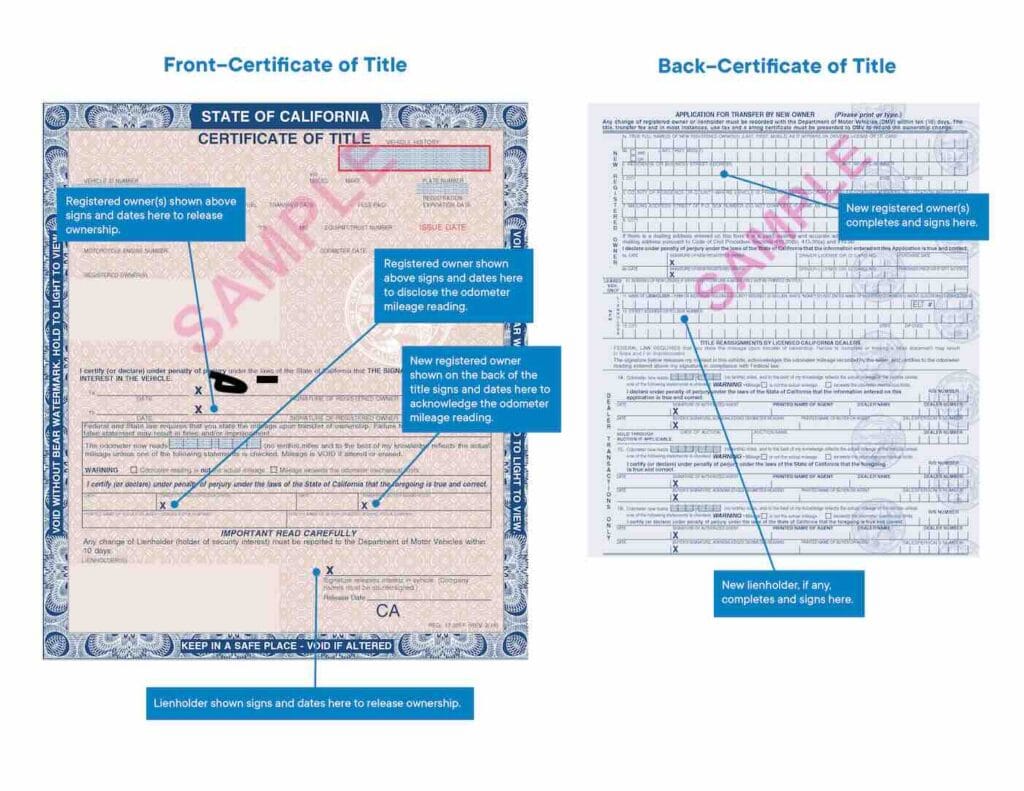
Successfully transferring a vehicle title in California is a clear, step-by-step process that, when followed diligently, ensures legal compliance and prevents future complications. For those adopting or maintaining a mobile lifestyle in California, understanding this procedure is as important as knowing the costs.
Essential Documents and Requirements
Preparation is key to a smooth title transfer. Before heading to the DMV, ensure you have all necessary paperwork in order.
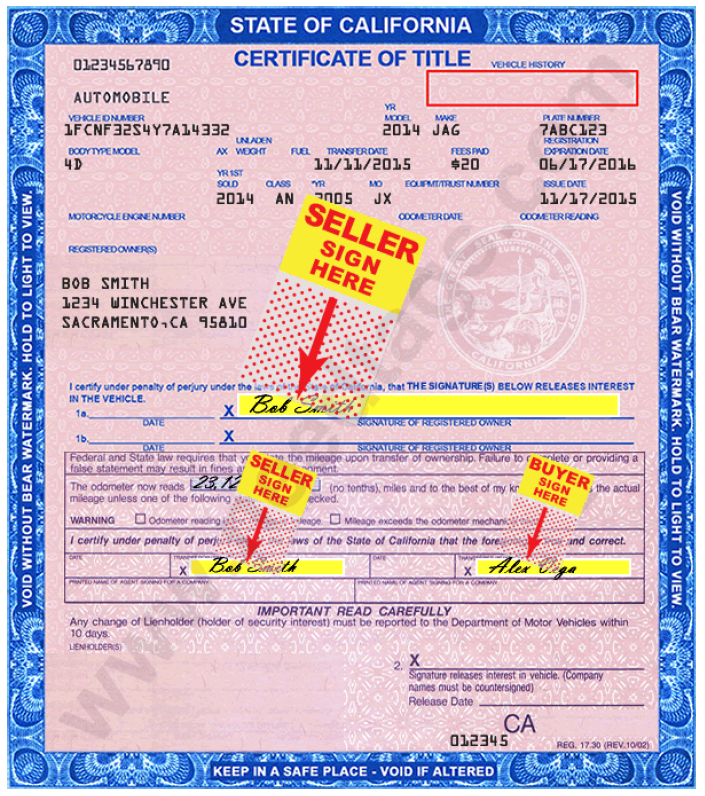
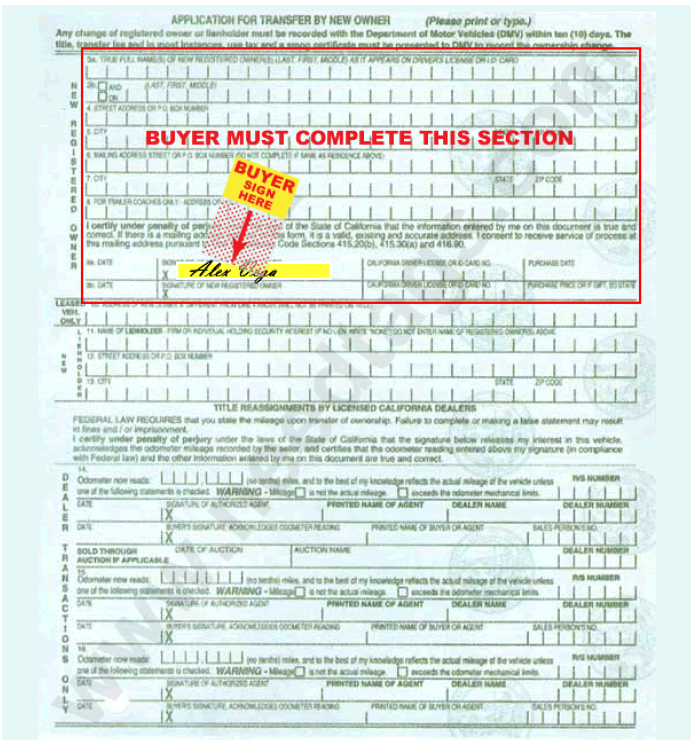
- Vehicle Title: The original title, signed by the seller (and buyer, if applicable, in the designated areas). Ensure there are no liens listed unless they have been properly released. This document is the cornerstone of ownership transfer.
- Bill of Sale: While not always strictly required by the DMV for private party sales, a detailed bill of sale is highly recommended. It should include the vehicle’s make, model, year, Vehicle Identification Number (VIN), the agreed-upon purchase price, and the names, addresses, and signatures of both the buyer and seller. This protects both parties and helps the DMV assess sales tax.
- Odometer Disclosure Statement: For vehicles less than 10 years old, an odometer reading must be disclosed on the title or a separate DMV form. This prevents fraud and ensures the buyer is aware of the vehicle’s actual mileage.
- Smog Check Certificate: As mentioned, most vehicles require a valid Smog Check certificate issued within 90 days of the sale. The seller is typically responsible for providing this.
- Application for Title or Registration (Form REG 227 or REG 343): Depending on whether you have the physical title or need to apply for a duplicate/new one, you’ll complete the appropriate application form.
- Identification: A valid California driver’s license or ID card is required.
- Proof of Insurance: You must provide proof of financial responsibility (car insurance) to register the vehicle in your name.
Navigating the DMV or Approved Partners
Once you have your documents, you have a few options for completing the transfer:
- DMV Office: The traditional method is to visit a local DMV office. While this can involve wait times, it allows for direct interaction with a representative who can answer questions and ensure all paperwork is correct. Appointments are highly recommended to minimize waiting. Cities like Sacramento, Los Angeles, and San Diego have multiple DMV locations.
- DMV Kiosks: Some transactions, particularly renewals, can be handled at self-service kiosks located at DMV offices or various retail locations. However, full title transfers often require an agent.
- Licensed Registration Services: California allows private businesses, known as “DMV-authorized registration services,” to process many vehicle transactions for a fee. These services can often be quicker and more convenient than visiting the DMV directly, offering a streamlined experience for those with busy lifestyles. Be aware of their additional service charges.
Timelines and Avoiding Penalties
Timeliness is paramount in California vehicle transactions.
- 10-Day Rule: As the buyer, you generally have 10 calendar days from the date of purchase to submit the completed title transfer documents and fees to the DMV. Failure to do so can result in late transfer penalties, which can be a percentage of the unpaid fees and accumulate over time.
- Seller’s Responsibilities: The seller must also notify the DMV of the sale by filing a Notice of Transfer and Release of Liability (Form REG 138) within 5 days of the sale. This protects the seller from liability for tickets or accidents after the vehicle has been sold.
- New Resident Registration: If you are a new resident bringing an out-of-state vehicle into California, you generally have 20 days to register it. This process might involve additional inspections (e.g., VIN verification) and a Smog Check to ensure your vehicle meets California’s strict environmental standards. Integrating into the California lifestyle often means adapting to its unique regulations.
Impact on Your Lifestyle: Financial Planning and Freedom on the Road
The costs and procedures of a vehicle title transfer are more than just administrative hurdles; they are integral to managing your financial health and enjoying the mobility that defines much of the California experience. A well-executed title transfer underpins your ability to fully leverage your vehicle for work, leisure, and personal fulfillment.
Budgeting for Vehicle Ownership
Understanding the total cost of a title transfer is a critical step in comprehensive vehicle ownership budgeting. Beyond the purchase price, these initial fees set the stage for your ongoing expenses, which include insurance, fuel, maintenance, and annual registration. For those embracing a car-dependent lifestyle in California, a clear financial picture from the outset ensures that you can sustain your vehicle’s operation without undue strain. This foresight allows you to allocate resources effectively, whether you’re saving for a cross-state road trip or simply ensuring reliable transport for daily life.
The Role of a Clear Title in Travel and Mobility
A properly transferred and clear title ensures legal ownership, which is fundamental to uninterrupted mobility. Without it, you could face difficulties with law enforcement, insurance claims, or even border crossings if you decide to drive internationally. For the adventurous spirit in [California](https://lifeoutofthebox.com/california], a clear title means peace of mind, knowing your vehicle is legally yours and ready for any journey. It’s the foundational document that empowers you to explore national parks, visit remote beaches, or simply navigate the bustling urban landscape without concern over legal ownership issues. This freedom is a cornerstone of the desirable California lifestyle.
When to Seek Professional Assistance
While the title transfer process is manageable for most, certain situations may warrant professional help. If you’re dealing with a complex estate transfer, a vehicle with multiple liens, or an out-of-state vehicle with unique requirements, consulting a DMV representative or a licensed registration service can save time and prevent errors. These professionals are well-versed in the intricacies of California vehicle codes and can ensure a smooth process, allowing you to focus on enjoying your California lifestyle rather than getting bogged down in paperwork. Investing in expert assistance can be a valuable decision for maintaining your peace of mind and ensuring legal compliance.
LifeOutOfTheBox is a participant in the Amazon Services LLC Associates Program, an affiliate advertising program designed to provide a means for sites to earn advertising fees by advertising and linking to Amazon.com. Amazon, the Amazon logo, AmazonSupply, and the AmazonSupply logo are trademarks of Amazon.com, Inc. or its affiliates. As an Amazon Associate we earn affiliate commissions from qualifying purchases.