
The Golden State, California, beckons millions each year with its stunning beaches, iconic Hollywood glamour, majestic national parks like Yosemite National Park, and vibrant cities such as Los Angeles and San Francisco. From the sun-drenched shores of San Diego to the world-renowned wineries of Napa Valley, California offers an unparalleled array of travel experiences, luxury accommodations, and diverse lifestyles. However, for anyone planning a long-term stay, considering remote work from the coast, or contemplating a move to this dynamic state, understanding the financial landscape – particularly income taxes – is as crucial as picking the perfect resort or choosing between apartments for a stay.
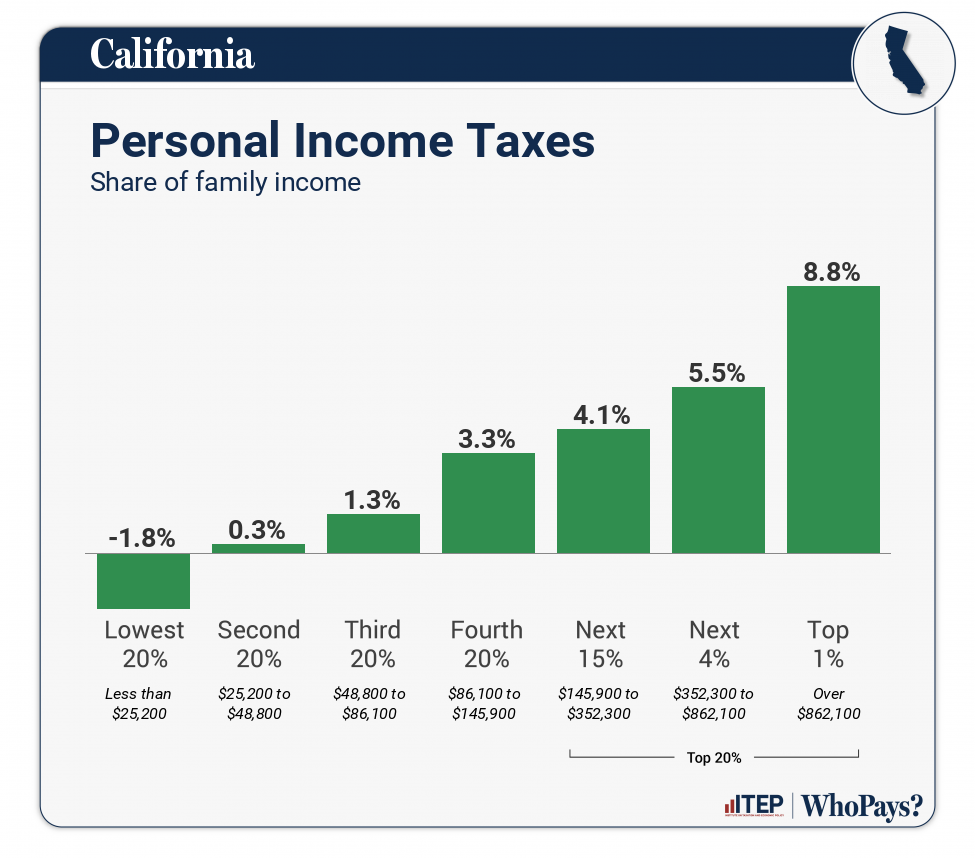
While the allure of California is undeniable, its reputation for having one of the highest state income tax rates in the United States often sparks curiosity and, at times, concern. For globetrotters, digital nomads, business travelers, and families alike, knowing how taxes in California function can significantly influence budgeting, lifestyle choices, and even where one decides to put down roots or enjoy an extended vacation. This comprehensive guide will demystify California’s income tax system, explaining its structure, who it applies to, and how it impacts the various facets of living, working, and enjoying life in this captivating state. Whether you’re dreaming of a luxurious Beverly Hills getaway, exploring the natural wonders of Big Sur, or considering the entrepreneurial spirit of Silicon Valley, a clear understanding of income taxes will help you navigate your California experience with confidence.
Understanding California’s Progressive Income Tax System
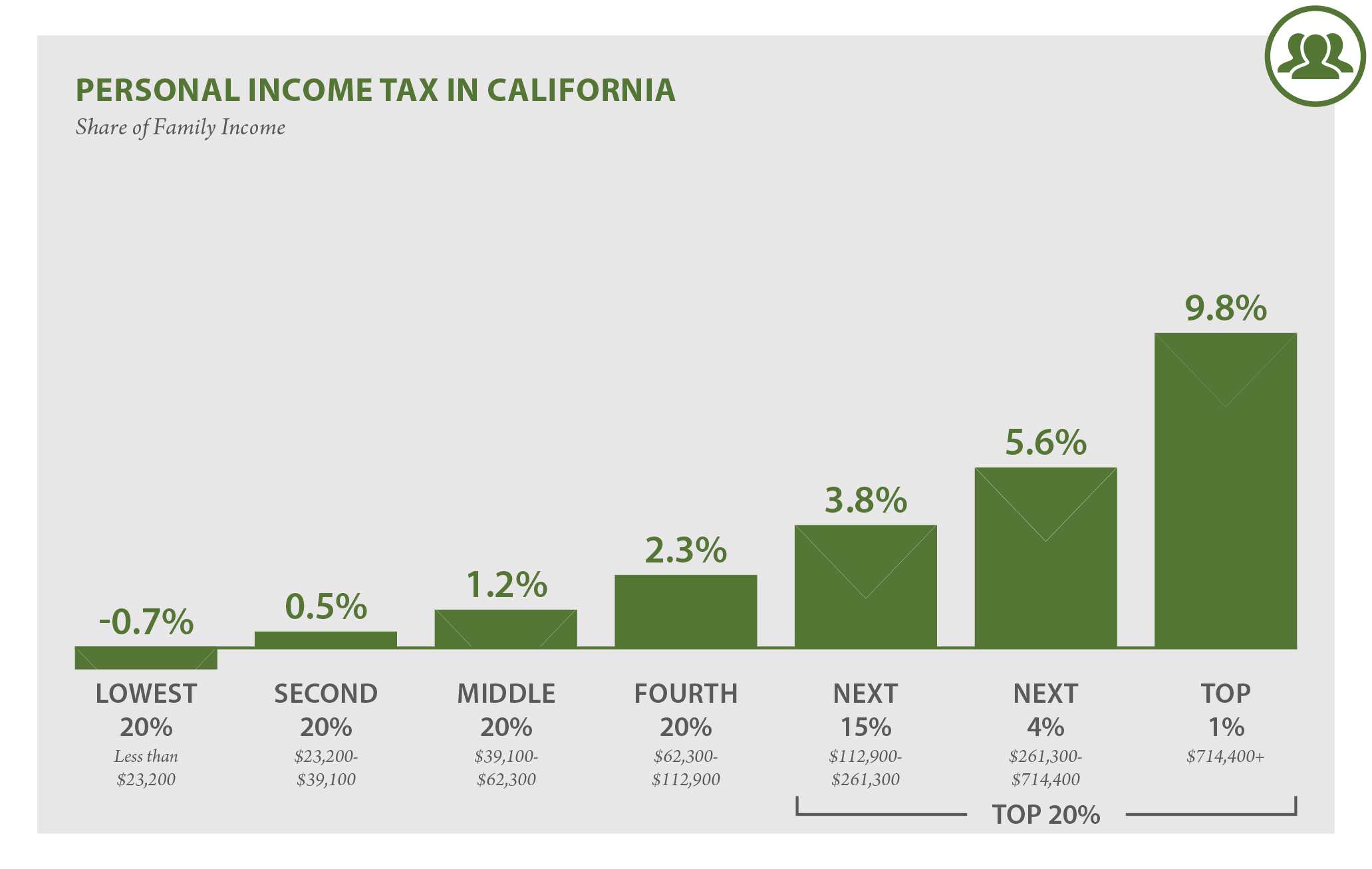
California operates under a progressive income tax system, meaning that as your income increases, the percentage of tax you pay also rises. This is a common approach in many jurisdictions, but California’s specific rates and brackets tend to be among the highest in the nation. This system is designed to distribute the tax burden more heavily on higher earners, contributing to the state’s substantial revenue which funds a wide range of public services, from education and infrastructure to healthcare and environmental protection. For individuals planning a long-term stay or considering establishing residency, comprehending this structure is paramount to financial planning and setting realistic budget expectations.
The progressive nature of the tax system impacts everyone from the entry-level worker to high-net-worth individuals, including those in high-paying industries like technology or entertainment. This is particularly relevant for those contemplating a lifestyle change to California, perhaps to embrace a new career opportunity in San Francisco’s tech hub or pursue an artistic dream in Los Angeles. The state’s tax regime is a significant factor in the overall cost of living, which is already notably high in many desirable areas, affecting everything from accommodation choices to daily expenses and discretionary spending on activities and experiences.
Key Tax Brackets and Rates for Residents
California’s income tax rates are divided into several brackets, with different rates applying to different portions of your taxable income. For the most recent tax year, these rates typically range from a low single digit percentage for the lowest income earners to a high percentage for the top earners. It’s important to remember that these are marginal rates, meaning only the portion of your income that falls within a specific bracket is taxed at that particular rate. For example, if you earn enough to reach the 9.3% bracket, only the income above the threshold for that bracket is taxed at 9.3%, while income below it is taxed at the lower rates of the preceding brackets.
The top marginal income tax rate in California is often cited as one of the highest in the U.S. This figure can be particularly impactful for high-income professionals, entrepreneurs, and those with significant investment income. In addition to the standard progressive rates, California also has an additional “mental health services tax” (often referred to as the millionaire’s tax) of 1% on taxable income exceeding a certain threshold, further increasing the burden on high earners. These rates are subject to change annually, and it’s always advisable to consult the official publications of the California Franchise Tax Board (FTB) or a qualified tax professional for the most up-to-date information relevant to your specific situation. Understanding these brackets and rates is crucial when planning your financial future in the state, impacting everything from your ability to save for a dream vacation to purchasing a long-term accommodation.
Who Pays California Income Tax? Residency Defined
One of the most critical aspects of California income tax for visitors, remote workers, and potential residents is understanding the definition of “residency.” Simply visiting the state, even for an extended period, does not automatically make you a resident for tax purposes, but spending too much time could. Generally, you are considered a California resident for tax purposes if you are domiciled in California. Domicile refers to the place where you intend to return after any absence, your true, fixed, and permanent home.
However, even if you are not domiciled in California, you can still be considered a resident for tax purposes if you spend a significant amount of time in the state, generally more than nine months out of the year, and have intentions of becoming a resident. This “temporary resident” rule is essential for digital nomads, snowbirds, or individuals considering a long-term retreat in places like Lake Tahoe or Santa Barbara. If you establish enough connections to the state – such as obtaining a California driver’s license, registering a vehicle, opening bank accounts, buying property, or enrolling children in schools – you may be deemed a resident, even if you maintain a domicile elsewhere. Non-residents are typically only taxed on income derived from California sources (e.g., income from a job performed in California, rental income from California property). Therefore, for those planning extended stays or even short-term work assignments, clarifying your residency status with the FTB is a crucial step to avoid unexpected tax liabilities. This understanding directly impacts your travel budget, your choices in accommodation, and your overall financial planning when visiting or moving to California.
The Impact of California Taxes on Travel, Lifestyle, and Accommodation Choices
The tax structure in California isn’t just a matter for accountants; it profoundly influences the daily lives, travel decisions, and lifestyle choices of residents and long-term visitors. The higher cost of living, partly driven by the tax burden, means that every aspect of planning a trip or considering a move to California needs careful consideration. From booking a luxury suite in San Francisco to deciding on a budget-friendly family trip to Disneyland, taxes play an invisible yet significant role in your overall budget and experience.
For travelers, while direct income tax may not apply to short visits, the general cost environment in California is shaped by these factors. Businesses operating in the state factor taxes into their pricing, which can reflect in the cost of hotels, resorts, dining, and attractions. For those considering a longer stay, perhaps as a remote worker or retiree, the implications are much more direct, affecting disposable income and therefore the quality and duration of their California experience.
How Taxes Influence Your California Experience
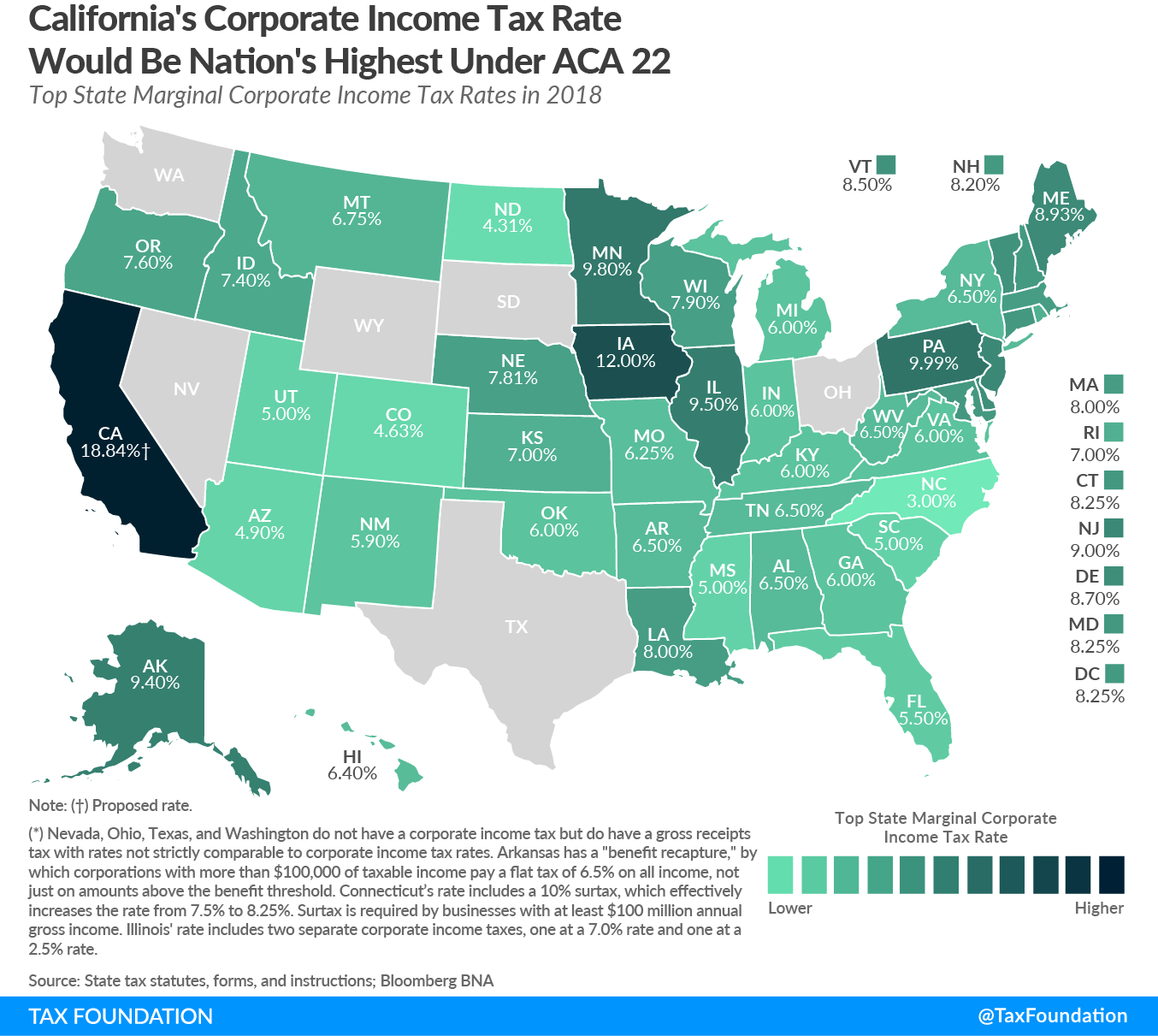
The impact of California’s income taxes extends far beyond just what you owe the state. It influences the overall economic environment, which in turn affects the quality and cost of goods and services, including those central to tourism and lifestyle. High operating costs for businesses can translate into higher prices for hotel rooms, rental cars, restaurant meals, and entry to popular attractions. This is an important consideration for travelers budgeting for their trips, particularly for families or those planning a luxury travel experience.
For individuals deciding where to reside, or where to base their remote work, the after-tax income becomes a critical metric. A high salary in Silicon Valley might seem attractive on paper, but after state and federal income taxes, combined with the exorbitant cost of housing, the net disposable income might be less than anticipated. This can influence choices between living in a bustling city like Los Angeles or a more affordable, yet charming, smaller community. Similarly, retirees considering California as a destination need to factor in how taxes will affect their pension, social security, and investment income, potentially influencing their choice of retirement location within the state, or even leading them to consider other states with more favorable tax environments. The dream of living near the Golden Gate Bridge or along the beautiful Santa Barbara coastline often comes with a significant financial calculation.
Planning Your Budget: Beyond Just Accommodation
When planning a trip or a move to California, it’s easy to focus solely on the obvious costs like accommodation (whether it’s a short-term hotel stay or a long-term apartment rental) and transportation. However, a comprehensive budget must account for the full spectrum of expenses, and indirectly, taxes play a part in many of these. Beyond income tax, California also has a relatively high state sales tax, which varies slightly by locality but is generally significant. This impacts almost every purchase, from souvenirs and groceries to dining out and retail therapy. Property taxes, while not directly applicable to short-term visitors, are a major consideration for anyone contemplating owning real estate, whether it’s a vacation home in Palm Springs or a primary residence near Sacramento.
These cumulative tax burdens, combined with the general high cost of living, necessitate careful financial planning. For those engaged in luxury travel, the impact might be less noticeable on a per-trip basis, but for budget travelers or families, every percentage point counts. Understanding these financial realities helps travelers and prospective residents make informed decisions, ensuring their California experience aligns with their financial capabilities and lifestyle aspirations. It means allocating sufficient funds for not just the exciting attractions and experiences, but also the underlying costs of doing business and living in this sought-after state.
Navigating California’s Tax Landscape for Visitors and Newcomers
For many, the appeal of California is its unmatched blend of natural beauty, cultural vibrancy, and economic opportunity. However, truly enjoying these aspects requires a practical understanding of the state’s financial environment. For visitors contemplating a longer stay, remote workers eyeing a temporary base, or individuals planning a permanent relocation, navigating California’s tax landscape successfully is key to a smooth and enjoyable transition. This involves not only understanding income tax rates but also being aware of residency rules, potential deductions, and how to properly report income.
The dynamism of California’s economy and its attractive lifestyle options draw people from all walks of life. Whether you’re a retiree seeking the temperate climate of Santa Barbara, an entrepreneur looking to tap into the innovation of Silicon Valley, or a family planning an extended cultural immersion in Los Angeles, being proactive about understanding tax implications will prevent unpleasant surprises and allow you to fully embrace all that the Golden State has to offer.
Important Considerations for Remote Workers and Digital Nomads
The rise of remote work has opened up new possibilities for individuals to live and work from virtually anywhere, and California often tops the list of desirable locations. However, remote workers and digital nomads face unique tax challenges in the state. If your employer is based in California, or if you establish a presence in the state for an extended period, you may become subject to California income tax, even if your permanent residence is elsewhere. The “convenience of the employer” rule, while more commonly associated with states like New York, still has relevance in California’s residency considerations.
For digital nomads, the key differentiator is often the “domicile” and “physical presence” tests. If you spend significant time in California and begin establishing ties—such as renting an apartment for more than a few months, getting a California driver’s license, or even registering to vote—the state’s Franchise Tax Board may consider you a resident for tax purposes. This means your worldwide income could be subject to California state taxes, not just income earned from California sources. This is a critical point that many remote workers overlook, potentially leading to substantial tax liabilities. Therefore, it is highly recommended that remote workers and digital nomads consult with a tax professional specializing in multi-state taxation to clarify their obligations and structure their living arrangements to comply with state tax laws, ensuring their dream of working from a beachfront villa doesn’t turn into a financial headache.
Essential Tips for a Smooth Transition or Visit
To ensure a financially sound and enjoyable experience in California, especially for those planning an extended stay or relocation, here are some essential tips:
- Understand Residency Rules: As discussed, this is paramount. Familiarize yourself with the California Franchise Tax Board guidelines on residency. If you’re spending more than six months in the state, even if you don’t intend to stay permanently, you should carefully evaluate your tax situation.
- Budget for the Total Cost of Living: Beyond income taxes, factor in higher sales tax, potential property taxes if buying, and generally elevated costs for housing, groceries, and services compared to many other states. This impacts your discretionary income for tourism activities, dining, and lifestyle experiences.
- Consult a Tax Professional: This cannot be stressed enough. Tax laws are complex and change frequently. A qualified tax advisor can provide personalized guidance based on your specific income, residency status, and financial goals, helping you navigate the intricacies of California’s tax system, whether you’re a high-income earner or planning a budget travel adventure.
- Explore Deductions and Credits: California offers various deductions and credits that can help reduce your taxable income or tax liability. These can include deductions for mortgage interest, certain medical expenses, and specific tax credits. A tax professional can help you identify any applicable benefits.
- Plan for Quarterly Payments: If you are self-employed, a freelancer, or have significant income not subject to withholding (like rental income or investment gains), you will likely need to make estimated tax payments quarterly to avoid penalties.
- Keep Meticulous Records: Maintain detailed records of your income, expenses, and travel dates, especially if you split your time between California and another state. This documentation will be invaluable if you ever need to prove your residency status or justify deductions.
By proactively addressing the income tax implications, whether you’re dreaming of a brief, luxurious escape or envisioning a permanent move to the Golden State, you can ensure your financial planning is as solid as your travel itinerary. California offers an incredible diversity of destinations and experiences, from the vibrant street art of Los Angeles to the serene beauty of the Redwood forests. With a clear understanding of its income tax framework, you’re better equipped to enjoy every moment, whether you’re exploring famous landmarks, indulging in local cuisine, or settling into your chosen accommodation. Remember, sound financial planning is the foundation for truly maximizing your California adventure.