
Florida, the Sunshine State, beckons millions of travelers each year with its pristine beaches, world-class theme parks, and vibrant cities. However, a significant consideration for anyone planning a visit is understanding the state’s hurricane season. While the thought of a hurricane might deter some, a clear understanding of the timelines, risks, and preparatory measures can empower travelers to make informed decisions and even enjoy the unique advantages of visiting during this period. Knowing the months for hurricane season in Florida is crucial for trip planning, ensuring safety, and maximizing your travel experience.
Understanding Florida’s Hurricane Season: The Essentials for Travelers
The official Atlantic hurricane season spans from June 1st to November 30th each year. This six-month window is when tropical storms and hurricanes are most likely to form in the Atlantic Basin, which includes the Atlantic Ocean, the Caribbean Sea, and the Gulf of Mexico. While the entire state of Florida is susceptible to impacts during this period, it’s important to understand that not every day within these months presents a high risk. The season is a statistical window, encompassing the historical period when conditions are most favorable for tropical cyclone development.
For travelers, this means a heightened awareness is necessary during these months. It doesn’t imply that every trip will be disrupted, but rather that a proactive approach to planning becomes essential. The likelihood of a direct hit on any specific location in Florida on any given day, even during the peak of the season, remains relatively low. However, the potential for severe weather, including heavy rains, strong winds, and storm surge, should always be factored into your travel considerations. Understanding these fundamentals allows visitors to better prepare, secure appropriate travel insurance, and monitor weather patterns effectively, transforming potential anxieties into manageable preparations. This knowledge is not just for safety; it’s also about leveraging potential benefits, such as fewer crowds and lower prices, that often accompany the off-peak travel season.
Peak Hurricane Activity and Historical Trends
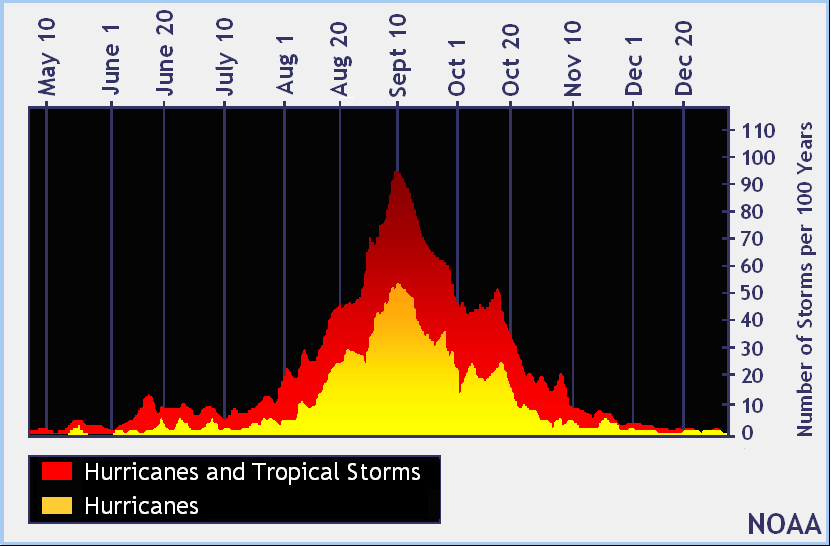
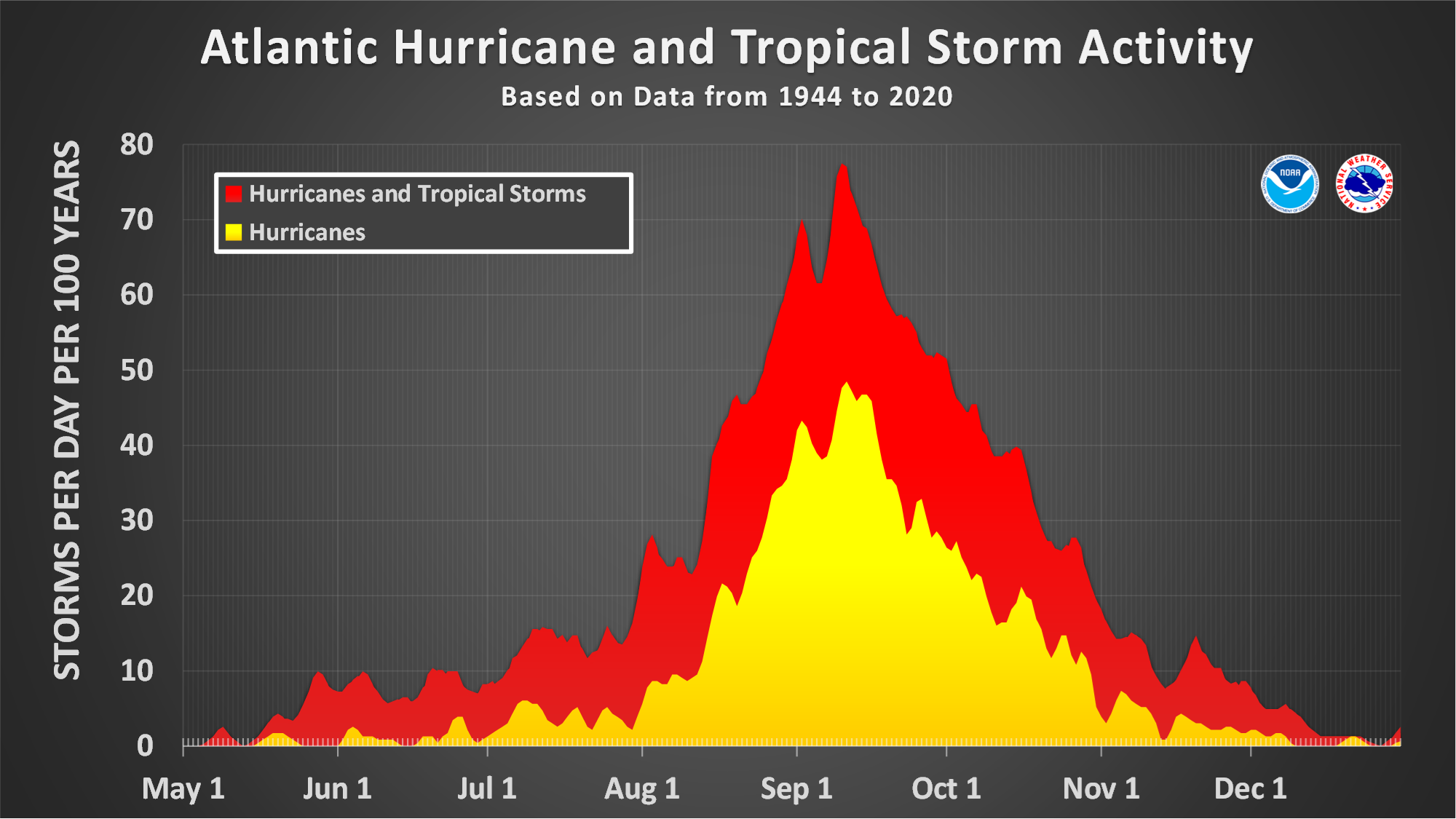
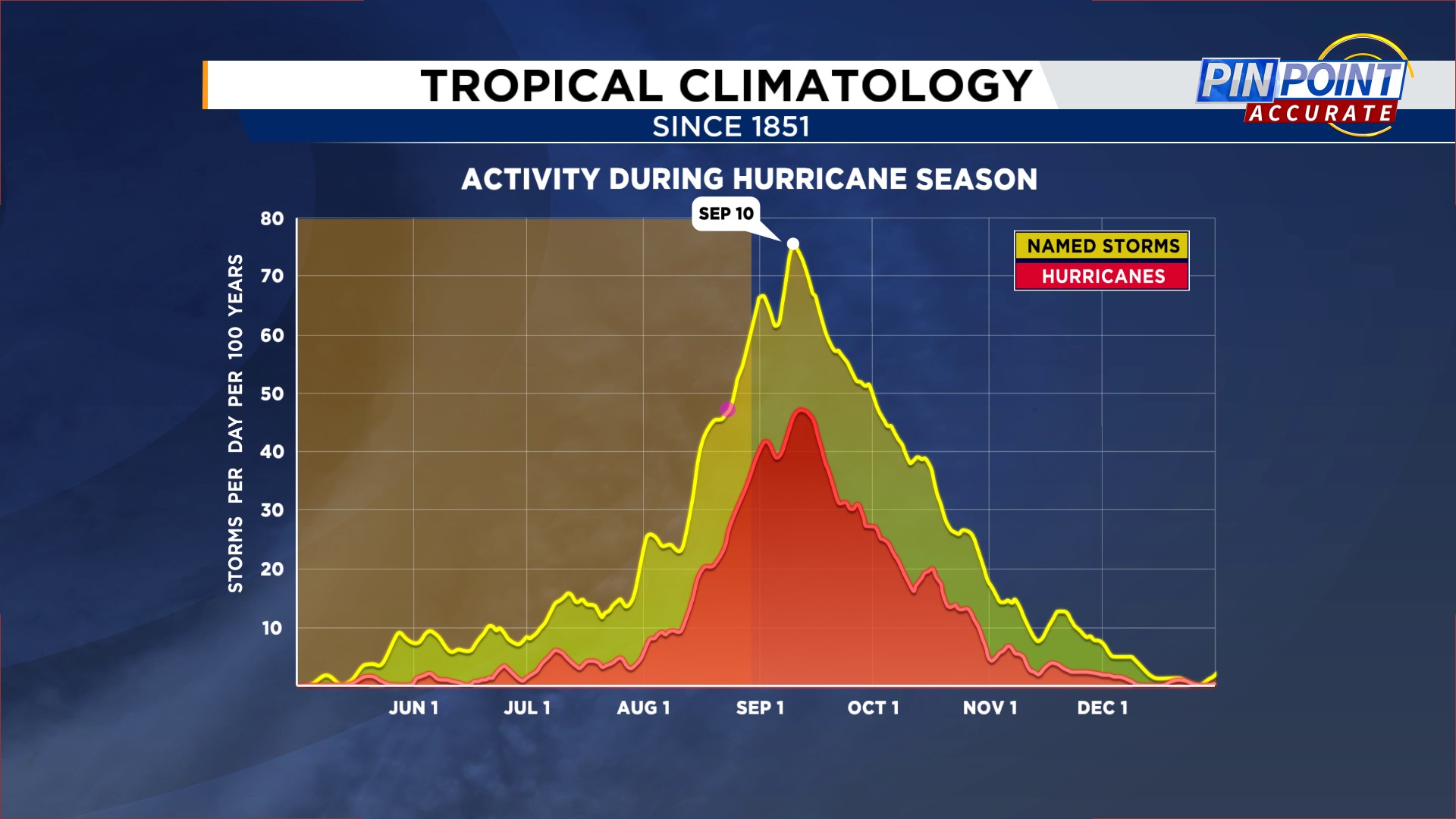
While the hurricane season officially covers half the year, not all months carry the same level of risk. Historical data reveals distinct patterns of activity, with certain periods being significantly more active than others. Understanding these trends can help travelers fine-tune their plans for a Florida vacation.
The Most Active Months
Historically, the peak of the Atlantic hurricane season occurs from mid-August through late October. Among these, September stands out as the most active month. This heightened activity is attributed to several factors: the ocean waters reaching their warmest temperatures, a broad area of low wind shear, and favorable atmospheric conditions across the main development region of the Atlantic. During September, a significant portion of the most intense hurricanes have historically formed and tracked, posing a greater potential threat to Florida’s coasts. Cities like Miami, Tampa, and Fort Lauderdale, along with the Florida Keys, have all experienced significant storm impacts during this period. Travelers planning trips during these peak months should exercise the highest degree of vigilance and preparation.
Early and Late Season Considerations
The early part of the season, from June to early August, generally sees fewer and typically weaker storms. Systems that form early in the season often originate closer to the United States mainland or in the Gulf of Mexico, developing quickly. While less frequent, these storms can still be impactful. For example, a tropical storm or hurricane in June or July can bring significant rainfall and strong winds, disrupting travel plans. Similarly, the late season, from late October through November, also tends to see a decrease in overall activity. However, some powerful storms have developed late in the season, proving that tropical cyclone activity can extend right up to the official end date. These late-season storms often form in the western Caribbean Sea or the Gulf of Mexico and can pose a direct threat to Florida. Therefore, while activity may be lower, caution is still advised for any travel during these shoulder periods of the hurricane season.
Planning Your Florida Vacation During Hurricane Season
Traveling to Florida during hurricane season isn’t necessarily ill-advised; it simply requires a more strategic approach to planning. Many travelers successfully navigate visits during these months, taking advantage of unique benefits while remaining prepared for potential weather challenges.
Advantages of Off-Peak Travel
One of the most compelling reasons to consider a Florida trip during hurricane season is the significant cost savings and reduced crowds. Airfares tend to be lower, and accommodations, from budget-friendly hotels to luxury resorts like the Hyatt Regency Orlando or The Breakers Palm Beach, often offer more attractive rates. Popular attractions such as Walt Disney World Resort in Orlando and Universal Studios Florida typically see fewer visitors, leading to shorter wait times and a more relaxed experience. Beaches, from South Beach in Miami to the tranquil shores of the Gulf Coast, are less crowded, offering a more serene environment. For those looking to experience Florida’s vibrant culture and natural beauty without the bustling crowds and premium prices of the high season, the hurricane season can present an opportune window.
Essential Preparation and Safety Tips
The key to a successful hurricane season trip lies in thorough preparation. First and foremost, securing comprehensive travel insurance is highly recommended. This insurance should explicitly cover weather-related cancellations, delays, and interruptions, including those caused by hurricanes. Carefully review policy details to understand what is covered. Secondly, stay informed by continuously monitoring reliable weather forecasts. The National Hurricane Center (NHC) is the primary source for accurate tropical weather information. Before and during your trip, regularly check their updates.
Furthermore, strive for flexible bookings. Opt for airlines and hotels that offer free changes or cancellations up to a certain point, providing a safety net if a storm threatens your travel dates. Have a contingency plan in place; know the emergency procedures for your accommodation and be aware of evacuation routes if traveling by car. For broader insights, consult resources like the Florida Division of Emergency Management for statewide preparedness information. While the risk of a direct impact on your specific location is low, being prepared can significantly mitigate stress and potential disruptions, allowing you to fully enjoy your Florida adventure.
Best Times to Visit Florida Outside the Hurricane Season
For travelers who prefer to minimize any risk of encountering tropical weather, visiting Florida outside the official hurricane season is the ideal choice. The “dry season” in Florida offers consistently pleasant weather, albeit often with higher prices and larger crowds.
The Dry Season Advantage
The period from December to May is generally considered the best time to visit Florida for optimal weather. During these months, the state experiences cooler temperatures, lower humidity, and significantly less rainfall compared to the summer and early fall. The risk of tropical storms and hurricanes is virtually non-existent, making it a worry-free time for beachgoers, theme park enthusiasts, and nature lovers. This season is characterized by abundant sunshine, comfortable daytime temperatures, and cool evenings, creating perfect conditions for exploring everything from the bustling streets of Miami to the serene wetlands of Everglades National Park. The consistent pleasant weather during these months ensures that outdoor activities and excursions can be enjoyed without the constant concern of impending storms or excessive heat.
Spring Break and Winter Escapes
Within the dry season, certain periods are particularly popular. From December to February, Florida serves as a premier winter escape for those fleeing colder climates, with destinations like Key West and Palm Beach attracting visitors seeking warmth. Prices for flights and accommodations can be at their peak during this time, especially around holidays. Similarly, the March and April period coincides with “Spring Break,” when students and families flock to the state, particularly its coastal areas and theme park hubs. While the weather is usually superb, travelers should expect larger crowds at popular attractions like Walt Disney World Resort and South Beach, as well as increased demand and higher prices for all travel-related services. Even outside hurricane season, it’s wise to pack for occasional rain showers, as tropical weather patterns can bring brief, localized downpours even during the drier months.
Regional Nuances Within Florida During Hurricane Season
While the entire state of Florida lies within the Atlantic hurricane belt, the specific nature of a storm’s impact can vary significantly depending on its track and where you are located within the state. Understanding these regional differences can further refine your travel planning.
East Coast vs. Gulf Coast
Florida’s East Coast, bordering the Atlantic Ocean, is often the first to experience direct impacts from storms forming off the African coast or in the central Atlantic. Cities like Miami, Fort Lauderdale, and areas along the Space Coast are particularly susceptible to storms approaching from the east. These areas face threats from powerful winds, heavy rainfall, and significant storm surge along the coastline.
Conversely, the Gulf Coast, including destinations such as Tampa, Sarasota, and Naples, is more vulnerable to storms that develop in the Gulf of Mexico or those that cross the Florida Peninsula. The shallow waters of the Gulf of Mexico can sometimes lead to even higher storm surge levels, posing a considerable threat to coastal communities. The Florida Keys, a chain of islands extending southwest from the tip of the Florida Peninsula, are uniquely vulnerable due to their low elevation and isolated nature, making evacuation a complex and critical procedure during a storm threat.
Inland vs. Coastal Areas
Beyond the east-west divide, the distinction between inland and coastal areas is also vital. Coastal regions bear the brunt of storm surge, severe beach erosion, and direct wind impacts. Inland cities, such as Orlando, while not directly affected by storm surge, are still highly susceptible to intense rainfall, leading to widespread flooding, and strong winds that can cause power outages and property damage. Theme parks, for instance, have well-established hurricane protocols, often closing for safety, but disruptions to travel and resort services can still occur. Therefore, even if your destination is not directly on the coast, understanding the broader weather patterns and having a preparedness plan remains crucial. Travelers should research the specific risks for their chosen destination within Florida and plan accordingly, always prioritizing safety and flexibility.
LifeOutOfTheBox is a participant in the Amazon Services LLC Associates Program, an affiliate advertising program designed to provide a means for sites to earn advertising fees by advertising and linking to Amazon.com. Amazon, the Amazon logo, AmazonSupply, and the AmazonSupply logo are trademarks of Amazon.com, Inc. or its affiliates. As an Amazon Associate we earn affiliate commissions from qualifying purchases.