
The shimmering sprawl of Los Angeles is an undeniable icon of the American West, a place synonymous with sunshine, Hollywood glamour, and a seemingly endless thirst for growth. Yet, beneath the palm trees and iconic boulevards lies a fundamental challenge that has shaped its very existence: securing a reliable water supply. For a city that receives scant natural rainfall, understanding the complex and often ingenious ways Los Angeles sustains itself is crucial to appreciating its resilience and the ongoing efforts to manage this precious resource. The story of Los Angeles water is not just about pipes and reservoirs; it’s a narrative woven with engineering marvels, inter-state agreements, and a constant negotiation with the arid environment it calls home.
The Aqueducts: Lifelines Across the Landscape
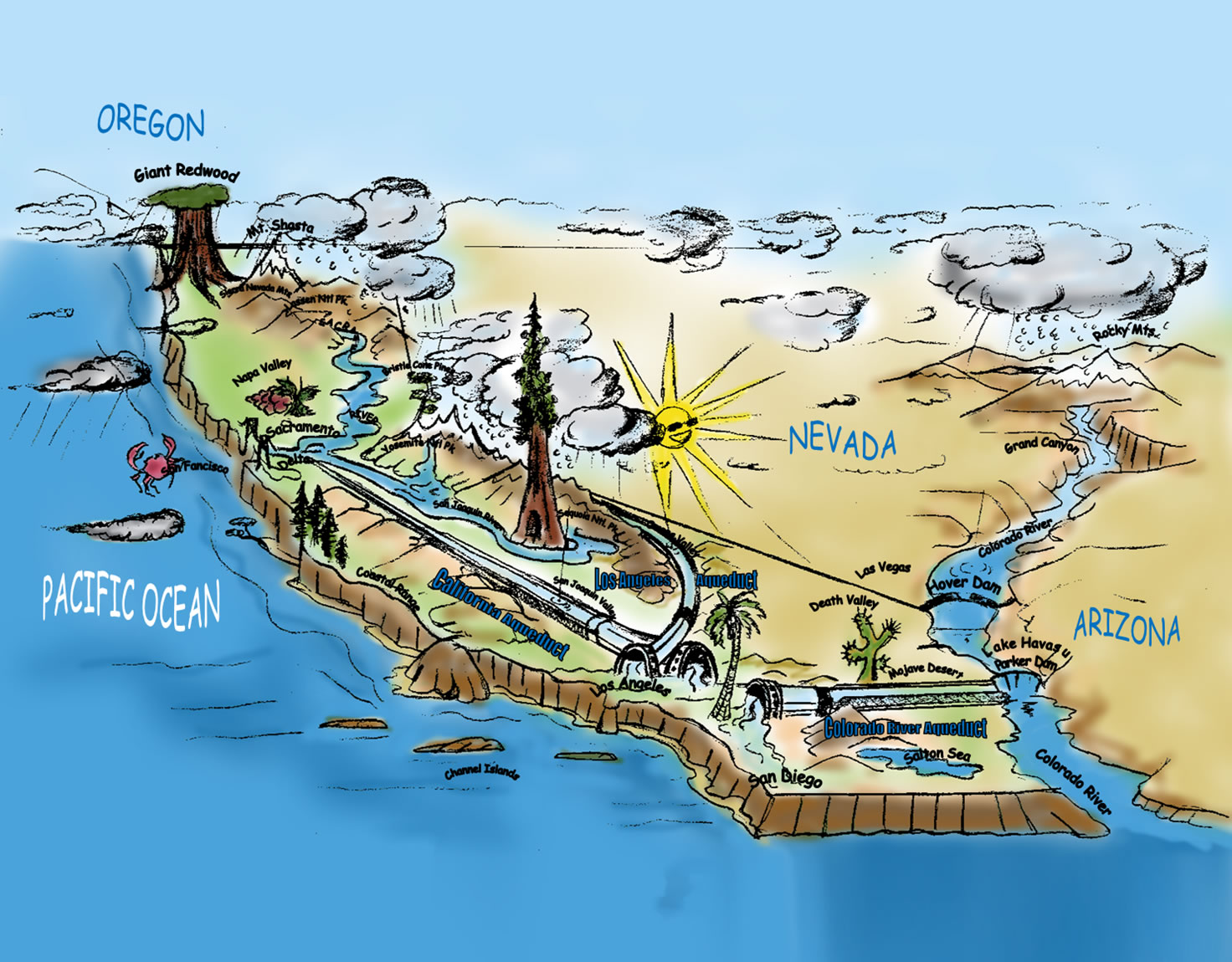
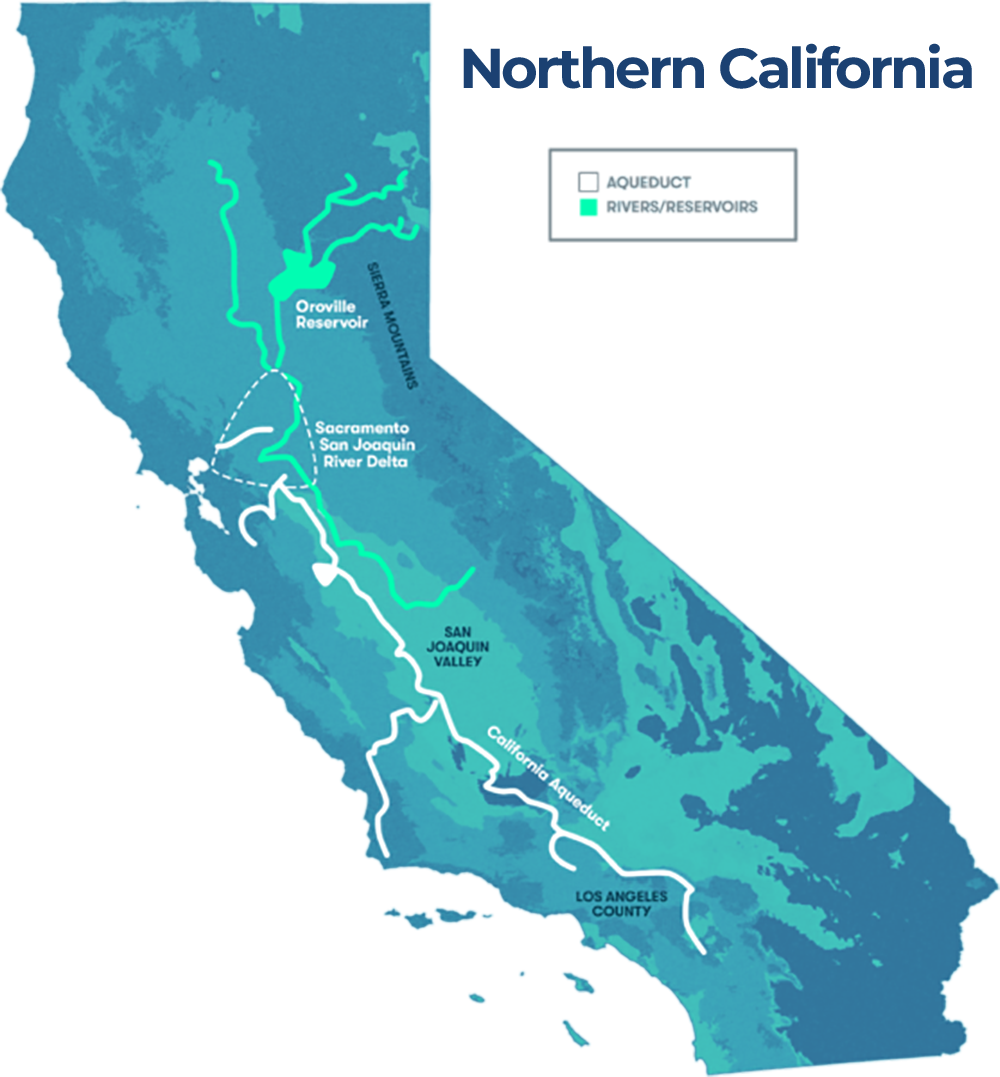
The very existence of Los Angeles as a major metropolis is a testament to the power of ambitious water infrastructure. Without its vast network of aqueducts, the city’s population and economic engine would be unsustainable. These monumental feats of engineering have been the primary arteries of water delivery for over a century, transporting water from distant, wetter regions to quench the thirst of Southern California.
The Los Angeles Aqueduct System
The foundational and most iconic of these is the Los Angeles Aqueduct. Conceived and largely built under the visionary leadership of William Mulholland, this system dramatically altered the water landscape of California. Its initial phase, completed in 1913, was a groundbreaking achievement, stretching 233 miles from the Owens Valley in the eastern Sierra Nevada mountains to the San Fernando Valley. This brought water from the snowmelt of the Sierra Nevada to the burgeoning city, fueling its rapid expansion.
The construction of the Los Angeles Aqueduct was not without controversy. Diverting water from the Owens Valley drastically altered the ecosystem and impacted the livelihoods of its residents, a historical consequence that continues to be studied and acknowledged. Despite these challenges, the aqueduct remains a vital component of the Los Angeles Department of Water and Power (LADWP) supply.
A second, parallel aqueduct was completed in 1970, nearly doubling the capacity of the system from the Owens Valley. This expansion was critical to meeting the ever-increasing demands of a growing region. The water from these aqueducts is primarily sourced from snowpack melt in the Sierra Nevada mountains, which is collected in reservoirs and then flows south through the gravity-fed aqueduct system.
The Colorado River Aqueduct
Beyond the Owens Valley, Los Angeles also relies heavily on water from the mighty Colorado River. This massive undertaking, managed by the Metropolitan Water District of Southern California (MWD), is a testament to inter-state cooperation and engineering on an unprecedented scale. The Colorado River Aqueduct, completed in 1941, spans 242 miles and traverses deserts, mountains, and valleys, carrying water to eleven Southern California water agencies, including the LADWP.
The Colorado River basin is a complex system of dams, reservoirs, and diversion points that serve seven states and Mexico. The availability of water from the Colorado River is subject to intricate water rights agreements and is increasingly strained by drought and overuse across the entire basin. This dependence makes Los Angeles and the wider Southern California region vulnerable to fluctuations in the river’s flow.
Local Sources: Tapping into the Groundwater and Stormwater
While aqueducts bring water from afar, Los Angeles also leverages local resources to supplement its supply. These include the vast underground aquifers and the often-overlooked potential of capturing and reusing stormwater.
Groundwater Management
Beneath the surface of the Los Angeles Basin lies an extensive network of groundwater basins. For decades, these aquifers were a primary source of water, but over-extraction led to significant declines in water levels and even saltwater intrusion in coastal areas. Through careful management, including recharge programs and regulations on pumping, the LADWP has worked to restore and sustainably manage these vital underground reservoirs.
Groundwater is replenished by natural percolation from rainfall and by intentional recharge operations where treated imported water is spread across permeable basins. This stored water acts as a critical buffer during dry periods and when imported supplies are limited. Managing these groundwater basins requires a delicate balance to prevent depletion and maintain water quality.

Stormwater Capture and Reuse
In a region that experiences sporadic but sometimes intense rainfall, capturing stormwater presents a significant opportunity. Traditionally, stormwater was often seen as a nuisance, quickly channeled away to the ocean. However, modern water management strategies recognize its value. Projects are underway to capture, filter, and replenish groundwater basins with stormwater runoff.
These efforts not only augment the water supply but also help reduce flooding and improve the quality of water in local streams and rivers. Capturing stormwater is a more sustainable approach, reducing reliance on imported water and lessening the environmental impact of water conveyance. The LADWP actively invests in infrastructure and programs to maximize the capture and beneficial use of every drop of rainfall that graces the region.
Reclaimed Water: A Growing Frontier
One of the most innovative and rapidly expanding aspects of Los Angeles water supply is the use of reclaimed water, also known as recycled water. This process transforms wastewater, which would otherwise be discharged into the ocean, into a clean, high-quality resource for a variety of non-potable uses, and increasingly, for potable purposes.
Beyond Non-Potable Uses
Historically, reclaimed water has been used for landscape irrigation at parks, golf courses, and cemeteries, as well as for industrial processes and agricultural uses. This significantly reduces the demand for potable water, freeing up precious freshwater supplies for drinking and other essential uses.
Potable Reuse and the Future
The frontier of water reuse is potable reuse, where highly treated recycled water is purified to drinking water standards and can be returned to the drinking water supply. The LADWP has been at the forefront of exploring and implementing advanced water recycling projects. These include large-scale purification plants that employ advanced technologies like microfiltration, reverse osmosis, and ultraviolet disinfection.
Projects like the Groundwater Reliability Improvement Project (GRIP) and the Pure Water Program are designed to directly supplement the local supply with highly purified recycled water, making Los Angeles more resilient to drought and less dependent on distant, potentially unreliable sources. This circular approach to water management is seen as a cornerstone of future water security for the region.
Conservation and Innovation: The Ongoing Battle
Despite these impressive sources, the demand for water in Los Angeles continues to grow with its population and economy. Therefore, conservation and continuous innovation remain paramount in ensuring a sustainable water future.
Public Awareness and Efficiency
The LADWP implements extensive public outreach and education programs to encourage water conservation among residents and businesses. This includes rebates for water-efficient appliances, landscaping incentives, and ongoing campaigns to promote mindful water usage. Every drop saved at the household level contributes to the collective effort.
Advanced Technologies and Strategies
Beyond individual conservation, the water industry is constantly exploring new technologies and strategies. This includes exploring desalination, though it remains an energy-intensive and costly option, and investing in leak detection and infrastructure upgrades to minimize water loss within the distribution system. Furthermore, the integration of smart water meters provides real-time data to both the utility and consumers, enabling more efficient management and immediate identification of potential issues.
The story of Los Angeles water is a dynamic one, shaped by geography, ingenuity, and an unwavering commitment to overcoming environmental challenges. From the monumental aqueducts that first brought life-giving water to the desert metropolis, to the cutting-edge recycling plants of today, the city’s water supply is a testament to human adaptability and a constant pursuit of resilience in a region where water is, and always will be, its most precious commodity.
LifeOutOfTheBox is a participant in the Amazon Services LLC Associates Program, an affiliate advertising program designed to provide a means for sites to earn advertising fees by advertising and linking to Amazon.com. Amazon, the Amazon logo, AmazonSupply, and the AmazonSupply logo are trademarks of Amazon.com, Inc. or its affiliates. As an Amazon Associate we earn affiliate commissions from qualifying purchases.