
Louisiana, a state steeped in a unique blend of French, Spanish, African, and American heritage, offers a captivating travel experience unlike any other in the United States. While many are familiar with its vibrant cities like New Orleans and its iconic Mardi Gras celebrations, understanding the state’s administrative divisions—its parishes—is key to unlocking a deeper appreciation for its diverse geography, rich history, and distinct local cultures. Unlike the counties found in most other U.S. states, Louisiana’s parishes are a direct legacy of its colonial past, reflecting a system inherited from the Spanish and French. This distinction is more than just a semantic difference; it hints at the unique governance and historical narrative that shapes each corner of the state.
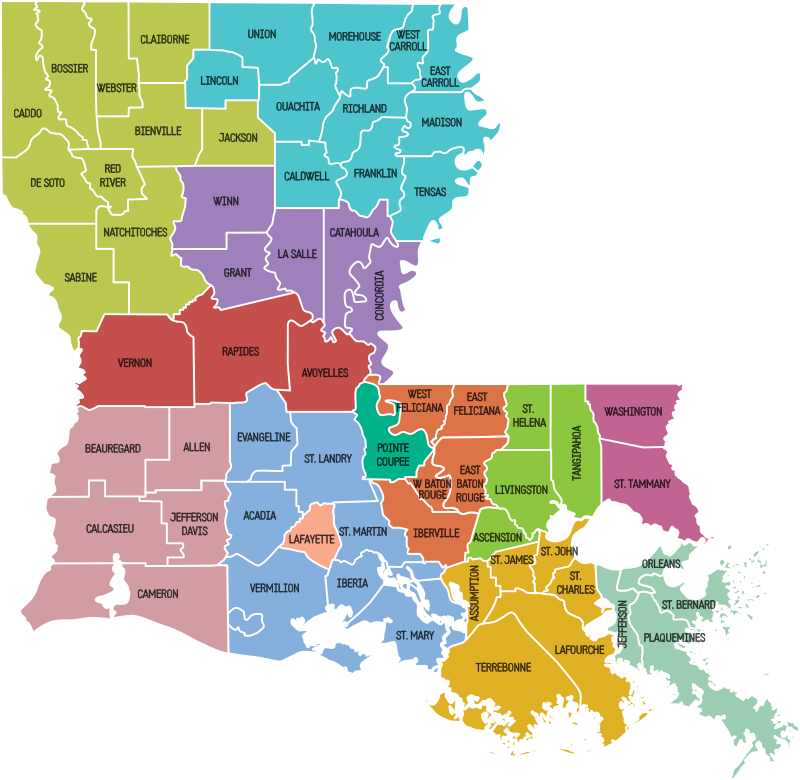
Exploring Louisiana through its parishes allows travelers to delve into a tapestry of landscapes, from the bayous and swamps of the south to the rolling hills of the north. Each parish boasts its own set of attractions, from historic plantations and charming bed and breakfasts to bustling markets and serene natural parks. Whether you’re seeking the vibrant energy of a major city, the tranquility of a rural retreat, or an immersion in unique culinary traditions, understanding Louisiana’s parish system provides a framework for discovering hidden gems and authentic experiences. This guide will navigate you through the concept of Louisiana parishes, offering insights into their history, significance, and how they shape the travel and tourism landscape of this enchanting Southern state.
The Historical Roots and Unique Identity of Louisiana Parishes
The term “parish” in Louisiana carries a weight of history, setting it apart from the county system prevalent elsewhere in the United States. This distinction is not merely administrative; it’s a direct echo of the state’s colonial past under French and Spanish rule. During these periods, the church played a central role in community life, and the administrative boundaries were often delineated by ecclesiastical districts, known as parishes. When Louisiana transitioned from French to Spanish control and later to American ownership, the existing parish system was largely retained, a testament to its deeply ingrained cultural and administrative significance.
The retention of the parish system is a fascinating aspect of Louisiana’s identity, distinguishing it from the more uniform county structure of its neighbors. This historical continuity has fostered a unique sense of local governance and community within each parish, leading to variations in local laws, traditions, and even dialects. For travelers, this translates into a richly diverse experience. Exploring different parishes means encountering distinct culinary specialties, architectural styles, and historical narratives.
Understanding the Parish Structure and Its Significance
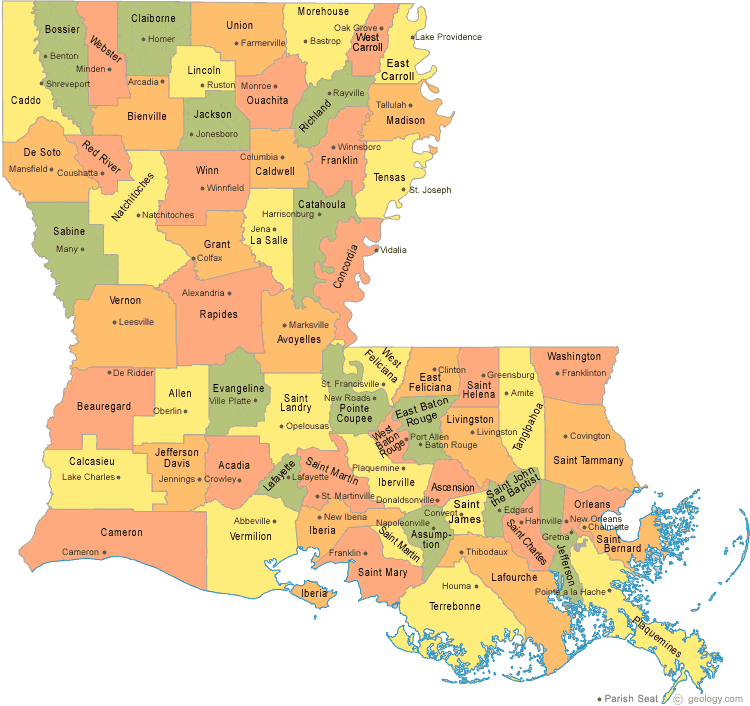
Louisiana is currently divided into 64 parishes. While they function similarly to counties in terms of local governance, providing services like law enforcement, road maintenance, and public education, the historical nomenclature persists. This distinction is often a point of curiosity for visitors, offering a glimpse into the state’s unique historical trajectory.
The significance of the parish extends beyond its administrative function. It serves as a cultural marker, a geographical identifier, and often, a repository of specific historical events and local folklore. For instance, the parishes along the Mississippi River are often associated with grand antebellum plantations, while those in the southern part of the state are synonymous with the unique Cajun culture and the labyrinthine bayou landscape. Northern parishes, on the other hand, might evoke images of rolling hills and different agricultural traditions.
When planning a trip to Louisiana, understanding which parish you are in or heading to can significantly enhance your travel experience. It allows you to connect with the local heritage more profoundly, seek out specific attractions, and savor regional delicacies. Whether you’re staying at a luxurious resort in New Orleans Parish (which encompasses the city of New Orleans) or exploring a quiet fishing village in a coastal parish, recognizing the parish as the fundamental building block of Louisiana’s identity provides a valuable lens for discovery.
Exploring Louisiana’s Diverse Regions Through Its Parishes
Louisiana’s 64 parishes are not just administrative divisions; they are distinct regions, each with its own character, attractions, and cultural nuances. From the bustling metropolis of New Orleans to the tranquil wetlands, the state offers an incredible spectrum of experiences, all organized within these parish boundaries. Understanding the general characteristics of different groupings of parishes can help travelers tailor their journeys to their interests, whether they are seeking adventure, relaxation, historical immersion, or culinary delights.
The Greater New Orleans Area: A Hub of Culture and Festivities
The Greater New Orleans area, primarily centered around Orleans Parish, is the most famous and internationally recognized region of Louisiana. This vibrant hub is a magnet for tourists, drawing millions each year to experience its unique blend of French, Spanish, African, and American influences. Here, you’ll find iconic landmarks like the French Quarter, the historic Garden District, and the legendary Bourbon Street. The music scene is world-renowned, with jazz clubs, live performances, and the infectious rhythm of the city permeating every corner.
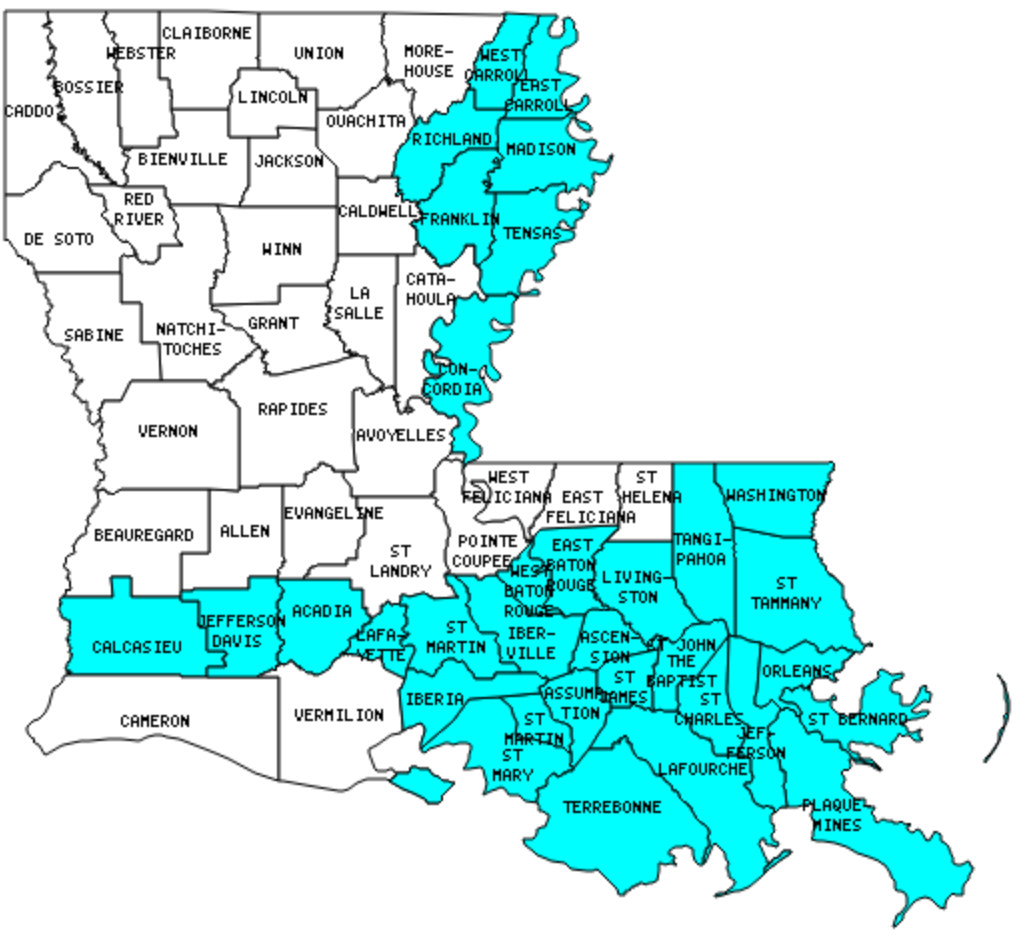
Beyond the immediate city limits of New Orleans, neighboring parishes contribute to the region’s rich tapestry. Jefferson Parish, for example, offers a mix of suburban charm and cultural attractions, including the historic Oakwood Center and a burgeoning culinary scene. St. Tammany Parish, situated on the North Shore of Lake Pontchartrain, provides a more relaxed atmosphere with charming towns like Covington and Mandeville, known for their arts districts and outdoor recreational opportunities. This area is perfect for those looking for a slightly quieter base while still being within easy reach of New Orleans’s energy. Accommodation options range from luxurious suites in the heart of the city to charming inns and vacation rentals across these parishes, catering to all travel styles, from luxury travel to family trips.
The Cajun Country and Bayou Region: A Taste of Authentic Louisiana
Moving west from the New Orleans area, you enter the heart of Cajun Country, a region characterized by its unique Acadian heritage, distinctive cuisine, and the captivating beauty of its bayous and wetlands. Parishes such as Lafourche Parish, Terrebonne Parish, and Vermilion Parish are integral to this cultural heartland. Here, the pace of life slows down, inviting visitors to immerse themselves in a culture shaped by its natural environment and resilient history.
The allure of the bayou is undeniable. Boat tours through the cypress swamps, teeming with wildlife like alligators, herons, and various waterfowl, are a must-do experience. Parishes like St. Mary Parish offer opportunities to explore historic towns like Franklin, which boasts beautiful architecture and a rich maritime history. The food in this region is legendary, with dishes like gumbo, jambalaya, crawfish étouffée, and boudin being central to the culinary landscape. Exploring local eateries, from roadside stands to upscale restaurants, is an essential part of the experience. Many accommodations in these parishes are charming bed and breakfasts or rustic cabins, offering an authentic stay that complements the surrounding natural beauty. The focus here is on local culture, outdoor activities, and the simple pleasures of life.
North Louisiana: Hills, History, and Heritage
Venturing north, the landscape of Louisiana transforms. Gone are the dense swamps and bayous; in their place are rolling hills, pine forests, and a distinct cultural heritage influenced more by the Deep South and bordering states like Arkansas and Mississippi. Parishes in this region, such as Caddo Parish (home to Shreveport) and Ouachita Parish (home to Monroe), offer a different, yet equally compelling, Louisiana experience.
Shreveport, the state’s third-largest city, is a vibrant cultural center with a growing reputation for its casinos, live entertainment, and burgeoning culinary scene. Nearby attractions include the American Rose Center and the historic Sci-Port Discovery Center. In Monroe, visitors can explore the unique cultural landscape, including the historic Biedenharn Museum and Gardens. This region is also dotted with historical sites, remnants of early settlements, and opportunities for outdoor recreation in state parks and national forests. Accommodation here ranges from modern hotels and resorts to family-friendly apartments, catering to a variety of travel needs. The focus on history and nature in these northern parishes provides a refreshing contrast to the coastal regions, showcasing the full breadth of Louisiana’s diverse offerings.
Planning Your Louisiana Parish Adventure: Tips for Travelers
Embarking on a journey through Louisiana’s parishes offers a chance to uncover the state’s soul. Whether you’re drawn by the allure of New Orleans, the soulful charm of Cajun Country, or the historical richness of North Louisiana, understanding the unique character of each parish will undoubtedly enrich your travel experience. With 64 distinct parishes, each possessing its own story, it’s beneficial to approach your trip with a plan, while also leaving room for spontaneous discoveries.
Embracing Local Culture and Cuisine in Every Parish
One of the most rewarding aspects of exploring Louisiana’s parishes is immersing oneself in the local culture and, of course, its world-renowned cuisine. Each parish, and often each town within a parish, has its own culinary specialties and traditions. In Acadiana, expect authentic Cajun and Creole dishes, while in North Louisiana, you might find a more Southern-influenced fare. Don’t hesitate to ask locals for recommendations; they are often the best guides to hidden culinary gems. Look for local festivals and events happening during your visit, as these are prime opportunities to sample regional delicacies and witness traditional music and dance. Many parishes boast farmers’ markets where you can find fresh, local produce and artisanal goods, offering a true taste of the land. Engaging with the local lifestyle, whether through visiting community events or simply striking up conversations, will unlock authentic experiences.
Accommodation and Logistics Across Louisiana
When it comes to accommodation, Louisiana’s parishes offer a diverse range of options to suit every budget and travel style. From luxurious resorts and boutique hotels in major cities like New Orleans and Baton Rouge to charming bed and breakfasts in historic towns and rustic cabins nestled in the bayous, you’ll find the perfect place to rest your head. For longer stays or for those seeking a more independent experience, apartments and villas are also readily available. Websites offering booking and comparison services can be invaluable for finding the best deals and reviews across various parishes.
Navigating between parishes is generally straightforward, with a well-developed network of highways connecting most areas. Renting a car is often the most practical way to explore at your own pace, allowing you the freedom to visit smaller towns and off-the-beaten-path attractions that might not be easily accessible by public transport. For longer distances between major hubs like New Orleans and Shreveport, consider domestic flights or intercity bus services. When planning your itinerary, remember that Louisiana’s charm often lies in its slower pace, so allow ample time to savor the experiences each parish has to offer. Whether you’re embarking on a luxury travel adventure, a budget-friendly exploration, or a family road trip, Louisiana’s parishes promise an unforgettable journey into the heart of the Deep South.
LifeOutOfTheBox is a participant in the Amazon Services LLC Associates Program, an affiliate advertising program designed to provide a means for sites to earn advertising fees by advertising and linking to Amazon.com. Amazon, the Amazon logo, AmazonSupply, and the AmazonSupply logo are trademarks of Amazon.com, Inc. or its affiliates. As an Amazon Associate we earn affiliate commissions from qualifying purchases.