
When planning a trip to the Lone Star State, understanding the tax landscape is crucial for budgeting and making informed financial decisions. While Texas is famously known for its lack of a state income tax, this doesn’t mean visitors are exempt from all taxation. Sales tax, property tax, and other local levies play a significant role in the overall cost of experiences and stays within the state. This guide delves into the intricacies of Texas tax rates, focusing on their implications for travelers, hotel stays, and general tourism.
The Texas Sales Tax Framework
The absence of a state income tax is a major draw for both residents and visitors to Texas. However, this financial advantage is partially offset by a robust sales tax system that funds public services.
State and Local Sales Tax Rates
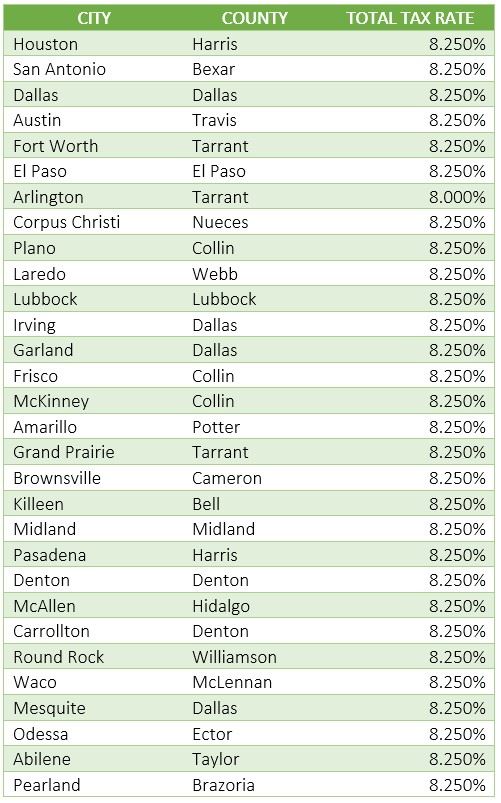
The state of Texas imposes a standard state sales tax rate, but this is just one component of the total sales tax a consumer will pay. Local governments, including cities and counties, have the authority to levy their own sales taxes, which are then added to the state rate.
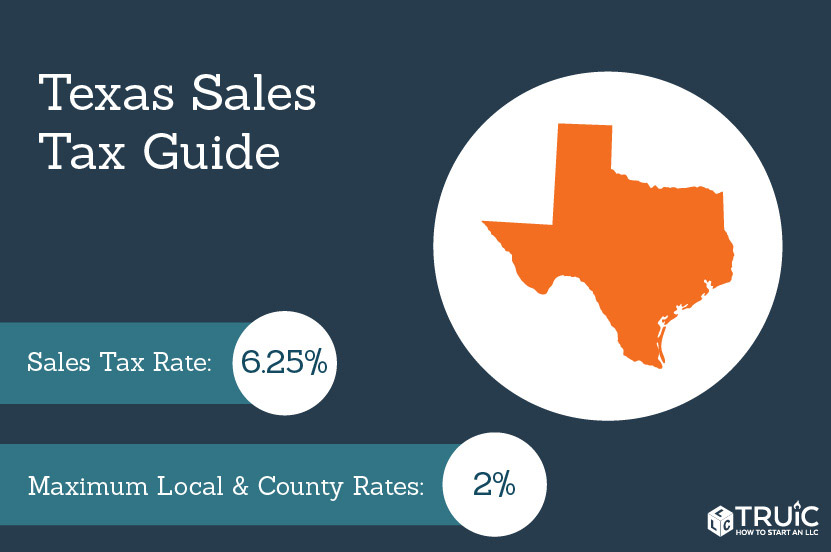
- State Sales Tax: The base state sales tax rate in Texas is currently 6.25%. This applies to most tangible personal property and taxable services.
- Local Sales Taxes: Cities, counties, and special districts can impose additional sales taxes. The maximum combined state and local sales tax rate allowed by law varies by locality. The highest combined rates tend to be found in major metropolitan areas and tourist destinations, often reaching up to 8.25% or even higher in some special districts.
- Impact on Travelers: For tourists, this means the price of goods and services will be higher in some areas than others. For example, shopping for souvenirs in Galveston might incur a different total sales tax than purchasing similar items in a smaller town. Dining out, entertainment, and even purchasing essential travel items are all subject to these combined rates.
Exemptions and Specific Taxes
While the general sales tax applies broadly, there are specific exemptions and additional taxes that are important to note:
- Food and Food Products: Most staple food items intended for home consumption are exempt from state and local sales taxes. This includes groceries, bread, milk, and produce. However, prepared foods, such as those purchased at a restaurant, convenience store, or concession stand, are generally taxable.
- Prescription Drugs and Medical Supplies: These are typically exempt from sales tax.
- Motor Vehicle Sales Tax: When purchasing a vehicle, a separate motor vehicle sales tax applies, which is typically based on the sales price or market value of the vehicle. This is a significant expenditure for those buying cars in Texas.
- Hotel Occupancy Tax (HOT): This is a critical tax for travelers staying in hotels, motels, and other lodging establishments. It is levied by the state, counties, and sometimes cities. The state portion is 6%, but local jurisdictions can add up to 2% or more. This tax is calculated on the room rate and is often a substantial addition to the nightly cost of accommodation.
- Mixed Beverage Tax: For alcoholic beverages purchased at bars and restaurants, a mixed beverage tax is applied. This is in addition to the regular sales tax on the food portion of the bill.
Property Taxes in Texas: A Resident and Investor Concern
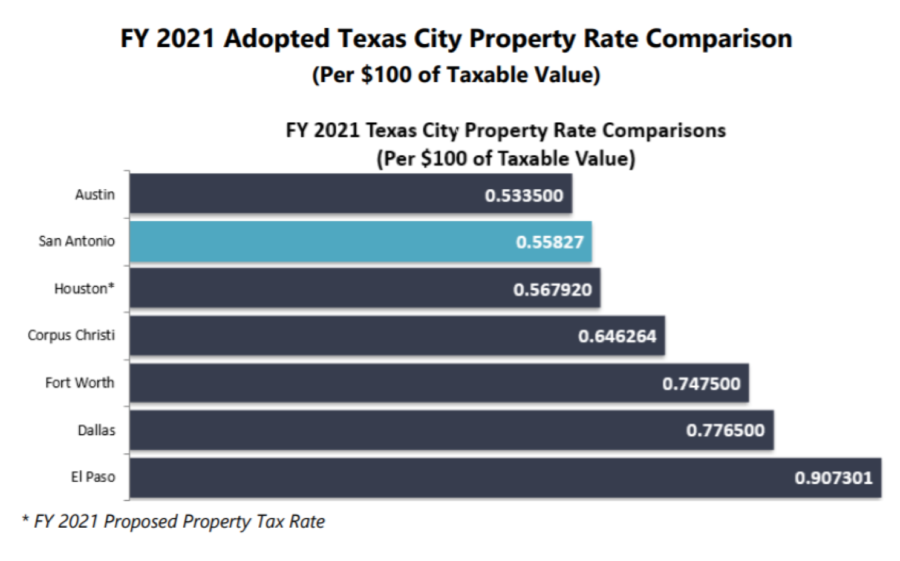
While travelers are primarily concerned with sales tax, property taxes are a significant consideration for those considering longer stays, purchasing vacation homes, or investing in real estate in Texas. Texas has some of the highest property tax rates in the nation.
Understanding Property Tax Levies
Property taxes in Texas are levied by local taxing units, primarily school districts, counties, and cities. There is no state property tax. The amount of property tax paid depends on three key factors:
- Appraised Value of Property: This is the assessed value of your home or land. Appraisals are conducted by independent appraisal districts.
- Assessed Value: Most homeowners in Texas are eligible for a homestead exemption, which reduces the taxable value of their primary residence. There are also exemptions for seniors and disabled individuals.
- Tax Rate (Millage Rate): Each taxing unit sets its own tax rate, expressed in dollars per $100 of taxable value, or as a millage rate. These rates are combined to form the total property tax bill.
Implications for Property Owners and Investors
The high property tax rates can significantly impact the affordability of homeownership and real estate investment in Texas. For individuals considering purchasing a vacation home or a long-term rental property in popular tourist destinations like the Texas Hill Country or along the coast near South Padre Island, understanding these costs is essential. The ongoing annual property tax burden can be as much as, or even exceed, the annual mortgage payment in some cases.
Tourism and Hospitality: Navigating the Tax Landscape
For the tourism and hospitality sector, understanding tax implications is vital for profitability and for accurately presenting costs to visitors.
Hotel Occupancy Tax (HOT) Breakdown
As mentioned, the Hotel Occupancy Tax (HOT) is a direct tax on lodging. It’s important to distinguish between the state and local components:
- State Portion: The 6.25% state HOT funds the state’s general revenue and tourism promotion efforts through the Texas Tourism Division.
- Local Portion: Cities and counties can impose their own HOT, typically up to 2%. In some designated areas, such as those with major sports stadiums or convention centers, additional municipal HOT can be levied, pushing the total occupancy tax rate higher. For instance, a stay at a hotel in downtown Dallas or Houston might reflect a higher combined HOT than a hotel in a smaller, less tourist-centric town.
- Impact on Accommodation Choices: Travelers should be aware that the advertised nightly rate for a hotel room will be significantly increased by the HOT, especially in popular tourist destinations. When comparing prices for resorts or boutique hotels, always factor in this additional tax.
Taxes on Entertainment and Dining
Beyond accommodation, a significant portion of a tourist’s spending will go towards entertainment and dining, both of which are subject to sales tax.
- Restaurants and Bars: The full combined state and local sales tax rate applies to food and drinks purchased at restaurants. This includes everything from a casual bite in a San Antonio cafe to a fine dining experience in Austin.
- Attractions and Activities: Entrance fees to museums, theme parks like Six Flags Fiesta Texas, concert venues, and guided tours are also subject to sales tax. The price listed on a ticket or brochure often does not include the sales tax, which will be added at the point of purchase.
- Souvenirs and Shopping: Retail purchases of clothing, gifts, and other items in tourist shops are taxed at the prevailing combined state and local sales tax rate for that specific location.
Navigating Financial Planning for Travel in Texas
Understanding the tax rates in Texas allows for more accurate financial planning for any visitor.
Budgeting for Sales Tax
The most immediate impact on travelers is the sales tax on everyday purchases. It’s wise to add an estimated 8% to 10% to the cost of most goods and services when budgeting for a trip to Texas. This buffer accounts for the variability in local tax rates across different cities and counties.
Long-Term Stays and Property Tax Considerations
For those considering extended stays, renting an apartment, or purchasing property, the property tax structure becomes a primary concern. Researching the specific tax rates for the county and city of interest is crucial. A property that seems affordable based on its purchase price can become significantly more expensive annually due to high property taxes. For rental accommodations, landlords will factor property taxes into their rental rates.
Leveraging Tax Knowledge for Smart Travel
Being aware of tax rates can also lead to more strategic travel decisions.
- Shopping Destinations: If significant shopping is planned, researching cities with lower combined sales tax rates might lead to minor savings, though often the appeal of specific stores or attractions outweighs small tax differentials.
- Accommodation Choices: Understanding the Hotel Occupancy Tax (HOT) can help in comparing different lodging options. While the advertised room rate is a starting point, the final price including taxes is what matters for budgeting. Some properties might appear more expensive initially but could offer better value when considering amenities or location.
- Dining Experiences: Knowing that prepared foods are taxed can help in differentiating between purchasing groceries for a self-catered meal (tax-exempt) and dining out (taxable).
In conclusion, while Texas offers a compelling tax environment with its lack of state income tax, a comprehensive understanding of sales tax, Hotel Occupancy Tax, and property tax is essential for travelers, property owners, and anyone engaging with the Texas economy. This knowledge empowers visitors to budget effectively, make informed choices, and fully enjoy all that the Lone Star State has to offer.
LifeOutOfTheBox is a participant in the Amazon Services LLC Associates Program, an affiliate advertising program designed to provide a means for sites to earn advertising fees by advertising and linking to Amazon.com. Amazon, the Amazon logo, AmazonSupply, and the AmazonSupply logo are trademarks of Amazon.com, Inc. or its affiliates. As an Amazon Associate we earn affiliate commissions from qualifying purchases.