
The ubiquitous omission of a 13th floor in many hotels is a phenomenon that often sparks curiosity among travelers. While seemingly a minor detail, this architectural quirk has deep roots in cultural beliefs and a fascinating history that influences the design and perception of hotel spaces. This practice, primarily observed in Western cultures, stems from a pervasive superstition surrounding the number thirteen, a number long associated with ill fortune and unease. Understanding this cultural undercurrent is key to appreciating why hotels, in their pursuit of guest comfort and a positive experience, often strategically skip this numerical designation.
The Psychology of Triskaidekaphobia
Historical Roots and Superstition
The fear of the number thirteen, known as triskaidekaphobia, is not a modern invention. Its origins are debated, but several historical and mythological narratives contribute to its negative connotations. In Christian tradition, the Last Supper had thirteen attendees, with the thirteenth being Judas Iscariot, the betrayer of Jesus. This association with betrayal and impending doom has deeply ingrained the number’s unlucky status in Western consciousness.
Beyond religious interpretations, the ancient Babylonian Code of Hammurabi is sometimes cited as omitting a 13th law, though this is a point of historical contention. Regardless of the precise genesis, the number thirteen has been consistently viewed with suspicion for centuries. This superstition has permeated various aspects of life, from avoiding thirteen guests at a dinner table to, more consequentially for the hospitality industry, the strategic avoidance of a 13th floor in buildings.
Impact on Guest Perception and Comfort
Hotels, as businesses built on providing a welcoming and comfortable environment, are acutely aware of guest psychology. The primary driver behind omitting the 13th floor is to assuage the fears and anxieties of guests who may hold triskaidekaphobic beliefs. For such individuals, encountering a 13th floor could lead to discomfort, a sense of unease, or even an active avoidance of booking rooms on that level.
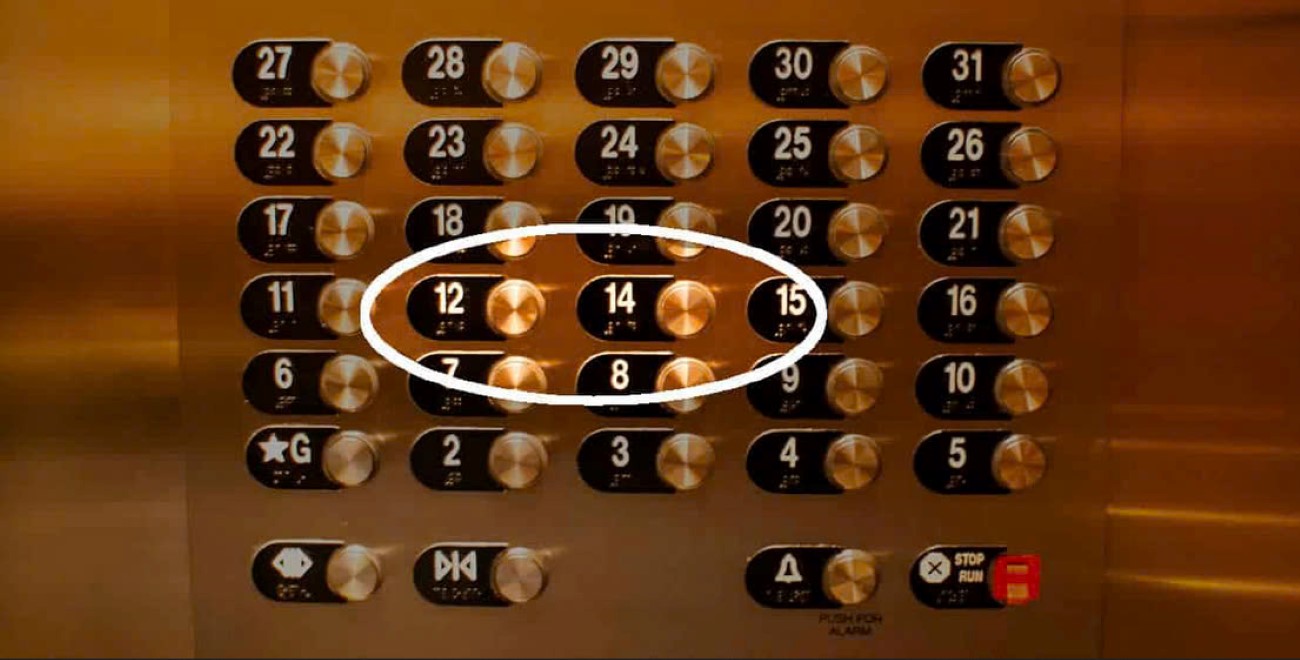
By strategically skipping the number thirteen and often labeling the floor above the 12th as the 14th, hotels aim to create a seamless and reassuring experience. This approach is not about denying the existence of the physical space but rather about managing the perception and psychological impact of the number. It’s a subtle yet effective way to cater to a significant portion of their clientele, ensuring that their stay is as relaxing and worry-free as possible. While some might dismiss this as an overreaction to superstition, from a business perspective, accommodating guest comfort and preferences, even those rooted in irrational beliefs, is a sound strategy.
Architectural and Design Considerations
The Illusion of Numbering
The practical implementation of omitting a 13th floor is relatively straightforward for architects and hotel developers. Instead of designating a floor as “13th,” they simply proceed to the next number, commonly “14th.” This creates a sequential numbering system that bypasses the numerically problematic thirteen. The physical structure remains the same; it is merely the labeling and perceived sequence that are altered.
This practice is most prevalent in countries with strong Western cultural influences, such as the United States, Canada, and many parts of Europe. In contrast, cultures where the number thirteen does not carry the same negative connotations may not adhere to this convention. This regional variation highlights how architectural design can be shaped by local beliefs and customs.
Alternative Numbering Schemes
Beyond simply skipping “13,” hotels employ various other numbering schemes to further refine their guest experience and branding. Some establishments might opt for entirely different naming conventions, particularly high-end resorts or themed hotels. For instance, floors might be named after significant historical figures, geographical locations, or even specific amenities. This approach not only avoids the issue of the 13th floor but also adds a layer of unique character and storytelling to the property.

Luxury hotels, in particular, often invest in creating an immersive experience, and the floor numbering can be a subtle component of this. Imagine a boutique hotel in New Orleans where floors are named after jazz legends, or a coastal resort in California where each level represents a different beach. These creative solutions offer guests a more engaging and memorable stay, moving beyond the standard numerical progression.
Navigating the Global Landscape of Hotel Design
Cultural Variations in Superstition
The absence of a 13th floor is largely a Western phenomenon. In many Asian cultures, for example, the number eight is considered lucky, while numbers like four (which sounds like “death” in Mandarin and Cantonese) are often avoided. In China, for instance, many buildings will skip the 4th floor, and sometimes even floors containing the digit ‘4’ (like 14, 24, etc.). Similarly, in some parts of Italy, the number 17 is considered unlucky, leading to its omission in building numbering.
This highlights that while the practice of skipping a floor might seem universally peculiar, it is deeply rooted in specific cultural superstitions. Travelers venturing to different parts of the world will notice a diverse array of numbering systems, each reflecting the local beliefs and traditions of that region. For instance, a hotel in Tokyo might not have any issue with a 13th floor, while a hotel in Las Vegas is almost certain to have bypassed it.
The Modern Hotelier’s Perspective
In the contemporary globalized hospitality industry, hoteliers are increasingly sophisticated in their approach to guest services and marketing. While the traditional fear of the 13th floor persists, there is also a growing awareness and acceptance of diverse beliefs. Some modern hotels, particularly those targeting a younger, more globally-minded demographic, are beginning to question the necessity of perpetuating this superstition.
There’s a debate within the industry: should hotels cater to deep-seated, albeit often unconscious, superstitions, or should they aim for a more universal and straightforward numerical system? Some establishments are choosing to embrace the 13th floor, perhaps even numbering it uniquely or using it for a special amenity floor. Others continue to adhere to the traditional practice, recognizing that for many guests, a familiar and superstition-free numbering scheme is simply more comforting. The decision often depends on the hotel’s brand identity, target market, and the prevailing cultural expectations of its primary customer base. For a grand establishment like the Plaza Hotel in New York City, adhering to such conventions might be part of its enduring appeal and perceived reliability.
Beyond the 13th Floor: Other Numerical Quirks in Hospitality
Lucky and Unlucky Numbers in Building Design
The superstition surrounding the number thirteen is not the only instance of numbers influencing architectural design. As mentioned, in many East Asian countries, the number four is profoundly unlucky due to its phonetic similarity to the word for death. Consequently, buildings in China, Japan, and Korea frequently omit floors containing the digit four, including the 4th, 14th, 24th, and so on. This practice extends to apartment numbers, room numbers, and even street addresses.
Conversely, the number eight is considered highly auspicious in Chinese culture, symbolizing prosperity and good fortune. Hotels and residential buildings in these regions might prominently feature the number eight, perhaps in floor numbering or room designations, to attract positive energy and good luck. This demonstrates how numerical choices in hospitality are not arbitrary but are often strategic decisions influenced by deeply held cultural beliefs.
The Future of Hotel Numbering
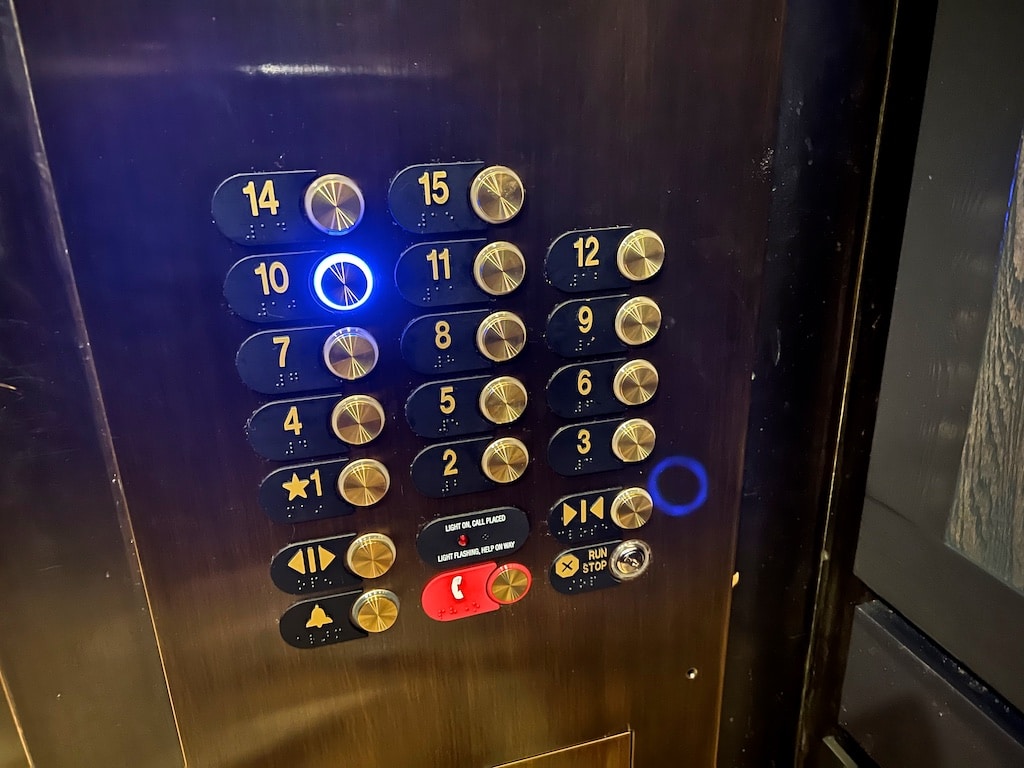
As the world becomes increasingly interconnected, the hospitality industry faces the challenge of balancing tradition with universal appeal. The practice of omitting the 13th floor, while still prevalent, is not immune to evolution. Some forward-thinking hotels are exploring new numbering systems that are both inclusive and engaging. This could involve themed floors, alphanumeric designations, or even a complete departure from sequential numbering.
The ultimate goal for any hotelier is to create an environment where guests feel welcomed, comfortable, and secure. Whether this is achieved by adhering to long-held superstitions or by innovating with new approaches, the underlying principle remains the same: to anticipate and cater to the needs and preferences of every traveler. The journey of a hotel’s numbering system, from its superstitious roots to its modern adaptations, is a reflection of changing societal attitudes and the enduring human desire for a pleasant and auspicious experience.
LifeOutOfTheBox is a participant in the Amazon Services LLC Associates Program, an affiliate advertising program designed to provide a means for sites to earn advertising fees by advertising and linking to Amazon.com. Amazon, the Amazon logo, AmazonSupply, and the AmazonSupply logo are trademarks of Amazon.com, Inc. or its affiliates. As an Amazon Associate we earn affiliate commissions from qualifying purchases.