
Understanding the climate of Hawaii is essential for any visitor planning to immerse themselves in the local culture and vibrant activities of the islands. Often described as a tropical paradise with a perpetual spring, the United States‘ 50th state offers a unique meteorological experience. While many associate the archipelago with constant sunshine, the reality is a nuanced tapestry of microclimates, seasonal shifts, and atmospheric conditions that dictate everything from the best time to surf to the specific ingredients found in a local bowl of poke. In the realm of tourism, knowing these temperatures helps travelers navigate the diverse landscapes, from the sun-drenched beaches of Waikiki to the misty heights of the Waimea Canyon.
Seasonal Variations and the Influence of Trade Winds
The most distinctive feature of the climate in Hawaii is the lack of traditional four seasons. Instead, the islands experience two primary periods: “Kau,” the warmer summer season from May to October, and “Hoolo,” the cooler winter season from November to April. Despite these distinctions, the variance in temperature remains remarkably narrow compared to the continental mainland.
The Warmth of the Kau Season
During the summer months, daytime highs at sea level typically average around 85°F (29°C), with nighttime lows rarely dipping below 75°F (24°C). This is the peak time for tourism activities centered around the ocean, as the water is exceptionally inviting. The heat during this period is moderated by the “Trade Winds.” These northeasterly winds blow across the Pacific Ocean, providing a natural cooling system that makes even the sunniest days in Honolulu feel comfortable. When these winds occasionally stall, a condition known as “Kona Weather” can occur, bringing higher humidity and a stillness to the air that locals often use as an excuse to enjoy a refreshing shave ice.
The Refreshing Hoolo Months
The winter season in the islands is anything but harsh. Daytime temperatures hover comfortably around 78°F (25°C), while the nights bring a crispness of about 68°F (20°C). For tourists, this is an ideal time for hiking and land-based exploration. It is also the season of the legendary swells on the North Shore of Oahu. While the air remains warm, the northern side of the islands experiences increased rainfall, which fuels the lush, emerald landscapes that the Garden Isle is famous for. Travelers visiting during this time should be prepared for quick, tropical showers that are often followed by the iconic rainbows that decorate the Hawaiian sky.
Temperature Profiles Across the Major Islands
While the state-wide averages provide a baseline, each island possesses a distinct personality shaped by its geography and elevation. The temperature a tourist experiences while visiting Pearl Harbor can be vastly different from what they encounter at the summit of a volcano.
Oahu and the Urban Tropical Experience
On Oahu, the temperatures are incredibly consistent. In the capital city of Honolulu, the urban landscape retains a bit more heat, but the proximity to the coast ensures a steady breeze. Sightseeing at landmarks like Diamond Head is best done in the early morning to avoid the midday peak. Further north, the temperatures remain similar, though the wind patterns change significantly, affecting the surf conditions that attract thousands of visitors to the Polynesian Cultural Center and surrounding areas.
Maui and the Valley Isle’s Diversity
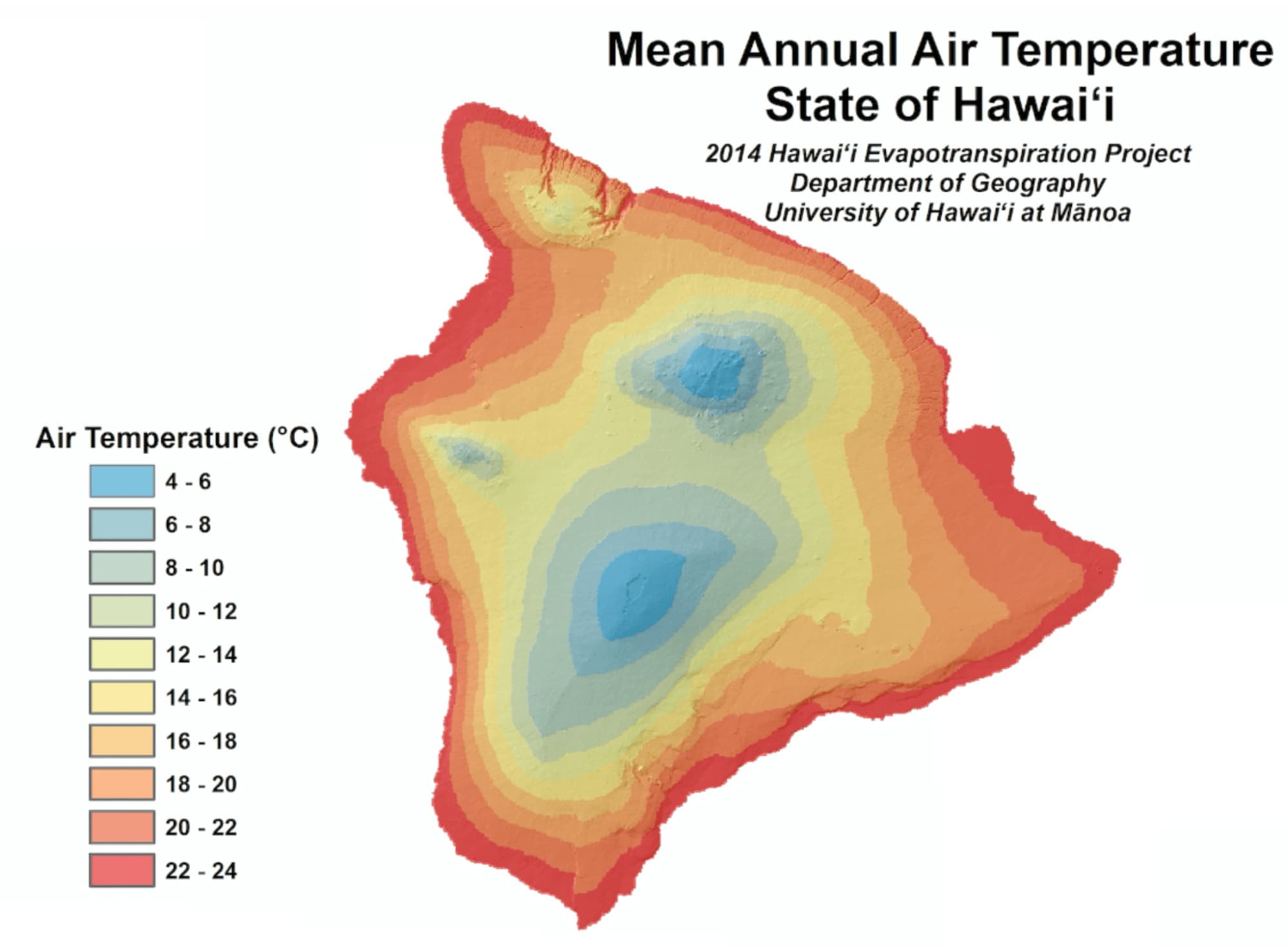
Maui offers some of the most dramatic temperature shifts within a single day’s travel. Coastal regions like Lahaina and Kaanapali stay warm and dry. However, the island is dominated by Haleakala National Park. Travelers heading to the summit for sunrise often face temperatures near freezing, even when it is 80°F at the beach below. This contrast is a vital tip for tourists: always pack layers if you plan on ascending the heights of the “Valley Isle.”
The Big Island: A Microclimate Marvel
The Island of Hawaii contains 4 out of the 5 major climate zones. On the Kailua-Kona side, the weather is almost always sunny and dry, perfect for exploring the historic sites of the west coast. Conversely, Hilo on the east side is one of the wettest cities in the country, which keeps temperatures slightly lower due to cloud cover and rain. The most extreme temperatures are found at Mauna Kea, where snow is a regular occurrence in the winter, offering the surreal experience of skiing and surfing on the same island in the same day.

Kauai’s Tropical Rainforest Vibe
Kauai is known for its dramatic cliffs and deep valleys. Because it is the oldest and most weathered of the main islands, its topography creates pockets of varied temperatures. Exploring the Na Pali Coast by boat or helicopter reveals a climate that is perpetually moist and pleasantly warm. Even in the depths of Waimea Canyon, the “Grand Canyon of the Pacific,” the air remains mild, though the shade of the red rock walls provides a welcome reprieve from the tropical sun.
How Weather Shapes the Tourism Experience
The temperatures in Hawaii do more than just dictate what clothes to pack; they influence the very rhythm of local life and the activities available to visitors. The synergy between air and sea temperatures creates the perfect environment for a wide range of outdoor pursuits.
Water Activities and Sea Temperatures
One of the primary draws for tourism is the Pacific Ocean. Fortunately, the water temperature remains remarkably stable, ranging from 76°F (24°C) in the winter to 82°F (28°C) in the late summer. This means that snorkeling at Hanauma Bay or taking a surf lesson at Waikiki Beach is comfortable year-round. For tourists interested in marine life, these temperatures are ideal for the coral reefs and the humpback whales that migrate to the warm waters around Maui and Molokai during the winter months.
The Culinary Impact of the Climate
The warm Hawaiian weather is intrinsically linked to its food culture. Tropical temperatures allow for the year-round cultivation of exotic fruits like pineapple, mango, and papaya, which are staples at local farmers’ markets. The heat also gave rise to the popularity of the “Plate Lunch” and cold treats. A visit to the islands is incomplete without trying authentic shave ice, a local tradition designed to combat the afternoon humidity. The consistent warmth also facilitates the outdoor “Luau,” where tourists can experience traditional cooking methods like the “Imu” (underground oven) under a canopy of stars.
Cultural Festivals and Outdoor Life
The predictable temperatures allow for a calendar full of outdoor festivals. Whether it is the Merrie Monarch Festival on the Island of Hawaii or the Aloha Festivals on Oahu, the mild weather ensures these celebrations of Native Hawaiian culture can take place without the threat of extreme cold. For the local community and tourists alike, life is lived largely outdoors, fostering a deep connection to the “Aina” (land).
Essential Tips for Navigating the Hawaiian Climate
To make the most of a trip to the islands, tourists must look beyond the thermometer. Understanding how the sun, wind, and elevation interact is the key to a successful Hawaiian adventure.
Preparing for Intense UV Exposure
Because Hawaii is located relatively close to the equator, the sun’s rays are much more direct and intense than in most parts of the United States. Even on cloudy days or when the trade winds are providing a cooling effect, the risk of sunburn is high. Tourists are encouraged to use reef-safe sunscreen to protect both their skin and the delicate marine ecosystems. Wearing a “Rash Guard” while swimming or a traditional “Lauhala” hat can provide additional protection during the peak heat hours of 10 AM to 4 PM.
Packing for Vertical Travel
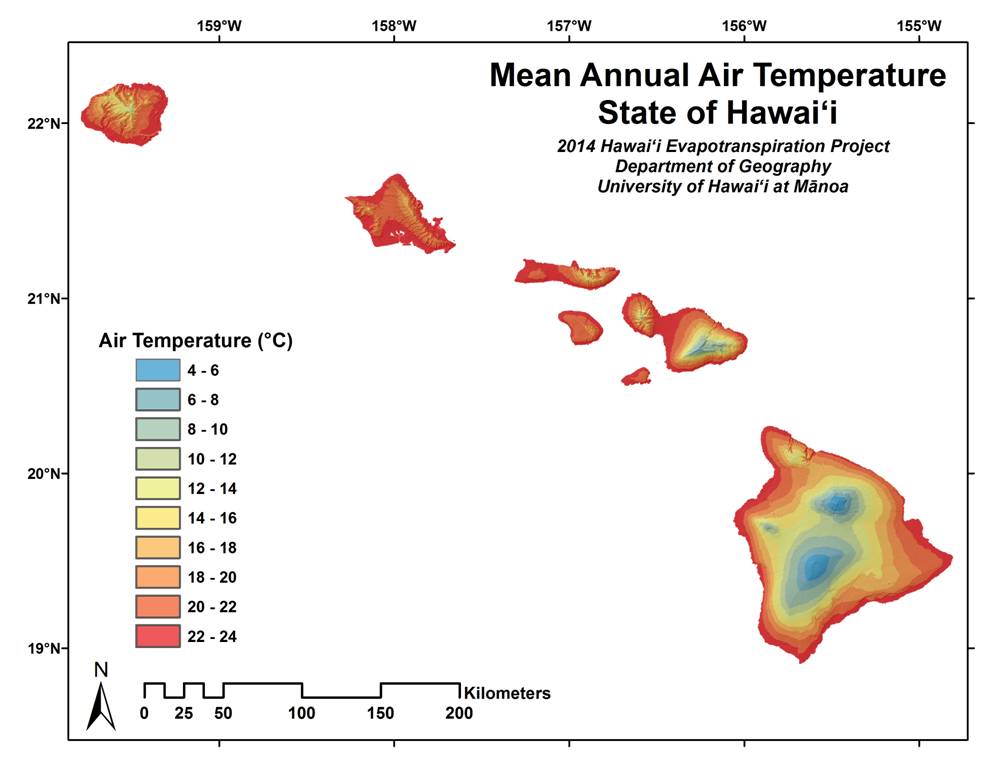
The “Leeward” (west) sides of the islands are generally hotter and drier, while the “Windward” (east) sides are cooler and wetter. If your itinerary includes traveling across an island—such as taking the Road to Hana on Maui—you will likely encounter multiple temperature zones. A light, waterproof jacket is a necessity for any tourist, as it provides protection from sudden mountain showers and the cooler evening air. If visiting high-altitude spots like Hawaii Volcanoes National Park, sturdy shoes and long pants are recommended to stay warm as the elevation increases.
Respecting the Power of the Ocean
While the air temperatures are welcoming, the ocean conditions can change rapidly. The winter months bring lower air temperatures but massive waves to the northern shores of Lanai, Oahu, and Kauai. Tourists should always check local weather and surf reports before entering the water. The “Aloha Spirit” includes a deep respect for the elements, and understanding that the temperature of the air does not always reflect the safety of the sea is a vital part of being a responsible visitor.
LifeOutOfTheBox is a participant in the Amazon Services LLC Associates Program, an affiliate advertising program designed to provide a means for sites to earn advertising fees by advertising and linking to Amazon.com. Amazon, the Amazon logo, AmazonSupply, and the AmazonSupply logo are trademarks of Amazon.com, Inc. or its affiliates. As an Amazon Associate we earn affiliate commissions from qualifying purchases.