
For many prospective travelers, understanding the nuances of a destination often extends beyond famous landmarks and popular attractions to include practical, logistical details. Among these, telecommunication information, such as area codes, can play a surprisingly crucial role in planning, staying connected, and ensuring a smooth travel experience. The query, “What area code is 720 in Florida?” is a testament to this need for accurate information, guiding travelers to effectively communicate and navigate their chosen destination. Let’s unravel this common misconception and provide a comprehensive guide to area codes, particularly for those venturing to the Sunshine State, emphasizing why this knowledge is a valuable tool in any traveler’s arsenal.

Unpacking the 720 Enigma: A Geographical Clarification for Travelers
Before diving into the vibrant telecommunication landscape of Florida, it’s essential to address the core of the initial query. Area code 720 is frequently mistaken or searched in conjunction with various states, highlighting a broader confusion about the geographical assignment of these numerical identifiers. For travelers, such misunderstandings can lead to misdialed calls, confusion about local businesses, or even concerns about unfamiliar phone numbers.
Dispelling the Florida Misconception
To be unequivocally clear: area code 720 is not located in Florida. This numerical prefix belongs exclusively to another distinct region within the United States. Understanding this distinction is the first step in accurately planning communication for a Florida trip and avoiding potential communication hurdles. The assumption that 720 might be a Florida area code could stem from its prevalence or simply a general lack of awareness regarding national area code distribution. For travelers, knowing this fact upfront can save time and frustration.
The True Home of Area Code 720: Colorado’s Urban Core
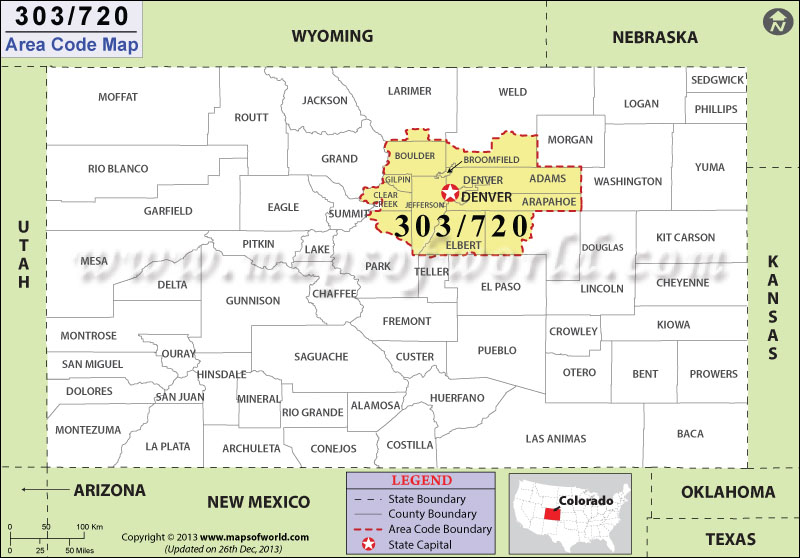
Area code 720 is, in fact, an overlay area code serving the central part of Colorado. Primarily, it covers the metropolitan area of Denver and its surrounding suburbs. This means that if you encounter a phone number with a 720 prefix, you are connecting with someone or a business located in or around the Mile High City. The 720 area code was introduced as an overlay to the original 303 area code in 1998, necessitated by the rapid growth in population and telecommunication demands across the Denver area.
Key cities and towns within the 720/303 overlay include major population centers such as Denver itself, along with Aurora, Boulder, Lakewood, Arvada, Westminster, Centennial, Englewood, Littleton, and Golden. For travelers whose itinerary might involve a stop in Colorado before or after Florida, or who have contacts in Colorado, this information is directly relevant. Recognizing an area code helps in identifying the geographical origin of a call, which can be particularly useful when dealing with calls from unknown numbers or verifying business locations.
Navigating the Sunshine State’s Digital Dial Tone: Florida’s Area Codes Revealed
Having clarified the home of area code 720, let’s pivot to what truly matters for those with their sights set on a Florida adventure: the state’s actual area codes. Florida, a sprawling state known for its diverse attractions and booming population, utilizes a multitude of area codes to accommodate its vast telecommunication needs. For travelers, knowing these codes can be instrumental in everything from contacting hotels and tour operators to identifying legitimate local businesses.
A Historical Glance at Florida’s Expanding Telecommunication Map
Florida’s area code map has evolved significantly over the decades, reflecting its explosive growth as a tourist destination and residential haven. What once started with just a few area codes has expanded into a complex network, with new codes introduced regularly as overlays or geographic splits to meet demand. This expansion is a direct consequence of increased mobile phone usage, new businesses, and the continuous influx of residents and visitors. Understanding this dynamic history highlights why a single area code simply cannot encompass the entire state, and why travelers must be aware of the specific codes relevant to their destination within Florida.
Essential Area Codes for Florida’s Premier Destinations
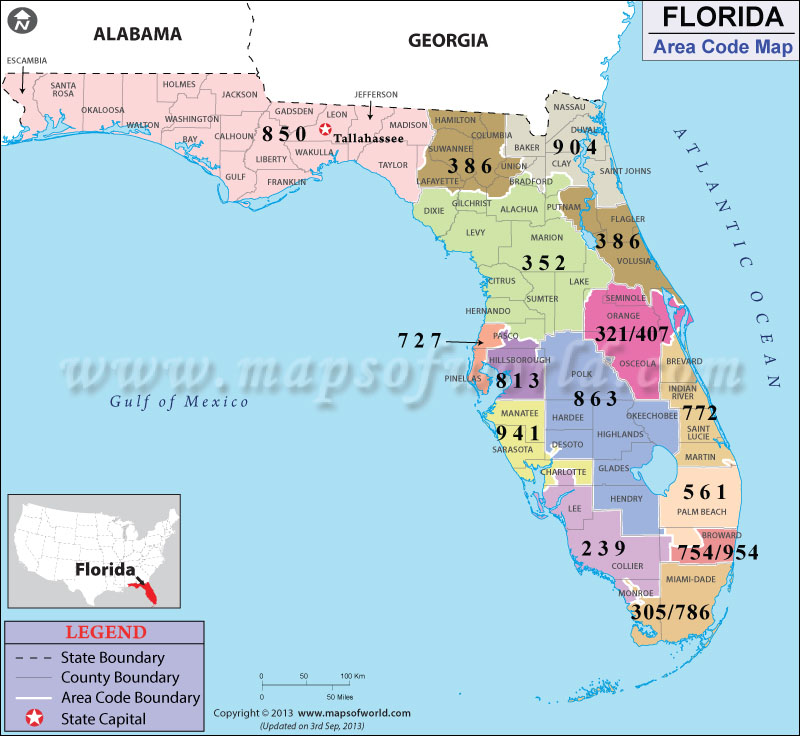
To assist travelers in their Florida planning, here’s a breakdown of some key area codes associated with major cities and regions across the state:
- Southeast Florida (Miami-Dade, Broward, and Palm Beach Counties): This densely populated and highly visited region utilizes several crucial area codes.
- 305/786: Primarily covers Miami-Dade County, including the vibrant city of Miami, Miami Beach, and Homestead. 786 is an overlay for 305.
- 954/754: Serves Broward County, encompassing Fort Lauderdale, Hollywood, and Pompano Beach. 754 is the overlay.
- 561: Dedicated to Palm Beach County, featuring destinations like West Palm Beach, Boca Raton, and Palm Beach.
- Central Florida (Orlando and Surrounding Areas): Home to world-famous theme parks and attractions.
- 407/321/689: These codes cover the greater Orlando metropolitan area, including Kissimmee, Sanford, and Altamonte Springs. 321 uniquely also covers the Space Coast, including Cape Canaveral and Melbourne. 689 is the newest overlay.
- 386: Covers a significant portion of North Central Florida and the Daytona Beach area, extending to Gainesville and Lake City.
- West Central Florida (Tampa Bay Area): A bustling region with beautiful beaches and cultural attractions.
- 813/656: Serves the core of the Tampa Bay area, specifically Tampa and parts of Hillsborough County. 656 is the new overlay.
- 727: Covers Pinellas County, including St. Petersburg, Clearwater, and other Gulf Coast communities.
- 941: Encompasses the Sarasota-Bradenton area, extending to Charlotte County.
- Northeast Florida (Jacksonville and Coastal Areas): The largest city by land area in the contiguous United States.
- 904/324: Primarily for Jacksonville, St. Augustine, and the surrounding Northeast Florida region. 324 is the overlay.
- Northwest Florida (The Panhandle): Known for its emerald waters and white sand beaches.
- 850: Covers the entire Florida Panhandle, including cities like Tallahassee, Pensacola, Panama City, and Destin.
- Southwest Florida: Growing rapidly with beautiful Gulf Coast cities.
- 239: Serves Fort Myers, Naples, Cape Coral, and Everglades City.
- Florida Keys: The iconic chain of islands.
- 305/786: Interestingly, these codes also extend south to cover the Florida Keys, including Key West.
This comprehensive list offers a practical guide for travelers, ensuring they can identify and use the correct area codes when contacting various services or establishments during their visit to Florida.
The Traveler’s Advantage: Why Area Code Awareness Enhances Your Trip
Beyond simple identification, having a working knowledge of area codes offers several tangible benefits for travelers. It transforms a seemingly mundane detail into a valuable piece of practical intelligence, enhancing both the efficiency and safety of a trip.
Streamlining Pre-Trip Planning and Reservations
When planning a trip to Florida, travelers often need to contact hotels, book excursions, confirm restaurant reservations, or reach out to local services. Knowing the correct area code ensures that calls connect accurately the first time, preventing delays and miscommunications. If a hotel in Orlando provides a phone number with a 407 prefix, a savvy traveler immediately recognizes its legitimacy and geographical context, streamlining the booking process. Similarly, if planning a fishing charter in Key West, expecting a 305/786 number confirms you’re reaching a local provider.
Ensuring Safety and Avoiding Scams on the Road
In an increasingly digital world, being able to identify the geographical origin of a phone number can be a subtle but effective safety measure. If you receive an unexpected call while traveling in Florida from an unknown 720 number, your knowledge immediately tells you it’s not a local Florida number. This might prompt you to exercise caution, especially if the caller claims to be a local service provider or official. While not foolproof, this awareness adds a layer of protection against potential scams or unwanted solicitations, which unfortunately can target travelers.
Connecting Authentically with Local Services and Experiences
For travelers seeking an authentic experience, engaging with local businesses and services is key. Whether it’s finding a hidden gem restaurant, arranging for a local tour guide, or seeking out unique artisan shops, proper area code identification reinforces that you are connecting with a genuinely local entity. This can build trust and facilitate smoother interactions, allowing you to immerse yourself more deeply in the local culture and economy of Florida.
Beyond the Dial Pad: Comprehensive Communication Strategies for Florida Visitors
While understanding area codes is a vital piece of the communication puzzle, modern travel demands a broader approach to staying connected. For a truly seamless Florida experience, travelers should consider a range of communication strategies.
Choosing the Right Mobile Connectivity: Local SIMs vs. Roaming
Before embarking on your Florida adventure, assess your mobile phone plan. International roaming can be expensive. For longer stays or heavy data users, purchasing a local prepaid SIM card from a U.S. carrier like AT&T, T-Mobile, or Verizon might be more cost-effective. These plans often come with unlimited talk and text within the U.S. and ample data, ensuring you can make calls to those Florida area codes without worry. Alternatively, many international carriers offer competitive travel passes, so comparing options is advisable.
Leveraging Digital Tools for Seamless Communication
Modern technology offers numerous ways to stay connected that transcend traditional phone calls. Apps like WhatsApp, FaceTime, Skype, and Zoom allow for free or low-cost calls and messages over Wi-Fi. Many hotels, restaurants, and attractions in Florida offer complimentary Wi-Fi, making these tools indispensable. Furthermore, navigation apps, translation tools, and ride-sharing services are all reliant on internet connectivity, underscoring the importance of a reliable data plan or consistent Wi-Fi access.
Preparing for Emergencies: Critical Contacts and Protocols
No travel guide would be complete without emphasizing emergency preparedness. Regardless of your destination in Florida, always know that 911 is the universal emergency number for police, fire, and medical assistance throughout the United States. Ensure your phone is charged and accessible. Additionally, keep a list of important contact numbers, such as your accommodation, travel insurance provider, and embassy or consulate (if applicable), readily available, perhaps even as a physical copy, in case your phone is lost or damaged.
In conclusion, while area code 720 does not reside in the beautiful state of Florida, understanding where it does belong, and more importantly, familiarizing yourself with Florida’s actual area codes, is a pragmatic step for any discerning traveler. This seemingly small detail forms part of a larger communication strategy that contributes to a more informed, efficient, and ultimately, more enjoyable journey through the Sunshine State.
LifeOutOfTheBox is a participant in the Amazon Services LLC Associates Program, an affiliate advertising program designed to provide a means for sites to earn advertising fees by advertising and linking to Amazon.com. Amazon, the Amazon logo, AmazonSupply, and the AmazonSupply logo are trademarks of Amazon.com, Inc. or its affiliates. As an Amazon Associate we earn affiliate commissions from qualifying purchases.