
Montana, the “Big Sky Country,” beckons with its vast, untamed landscapes, majestic mountains, and abundant wildlife. Deciding when to visit this sprawling Western state is key to unlocking its full potential, as each season offers a distinct and compelling experience. From the vibrant greens of summer to the hushed beauty of winter, the “when” significantly shapes your adventure. This guide will delve into the optimal times to plan your Montana sojourn, considering weather patterns, popular activities, and the unique charm each period brings.
Spring: The Awakening of the Wild
Spring in Montana is a season of renewal, a dramatic transition from the deep freeze of winter to the warmth of summer. It’s a time when the snow begins to melt, wildflowers emerge, and the state’s abundant wildlife becomes more active. While the weather can be unpredictable, offering a mix of sunshine and lingering snow, the shoulder months of spring present a unique opportunity for travelers seeking fewer crowds and a more intimate connection with nature.
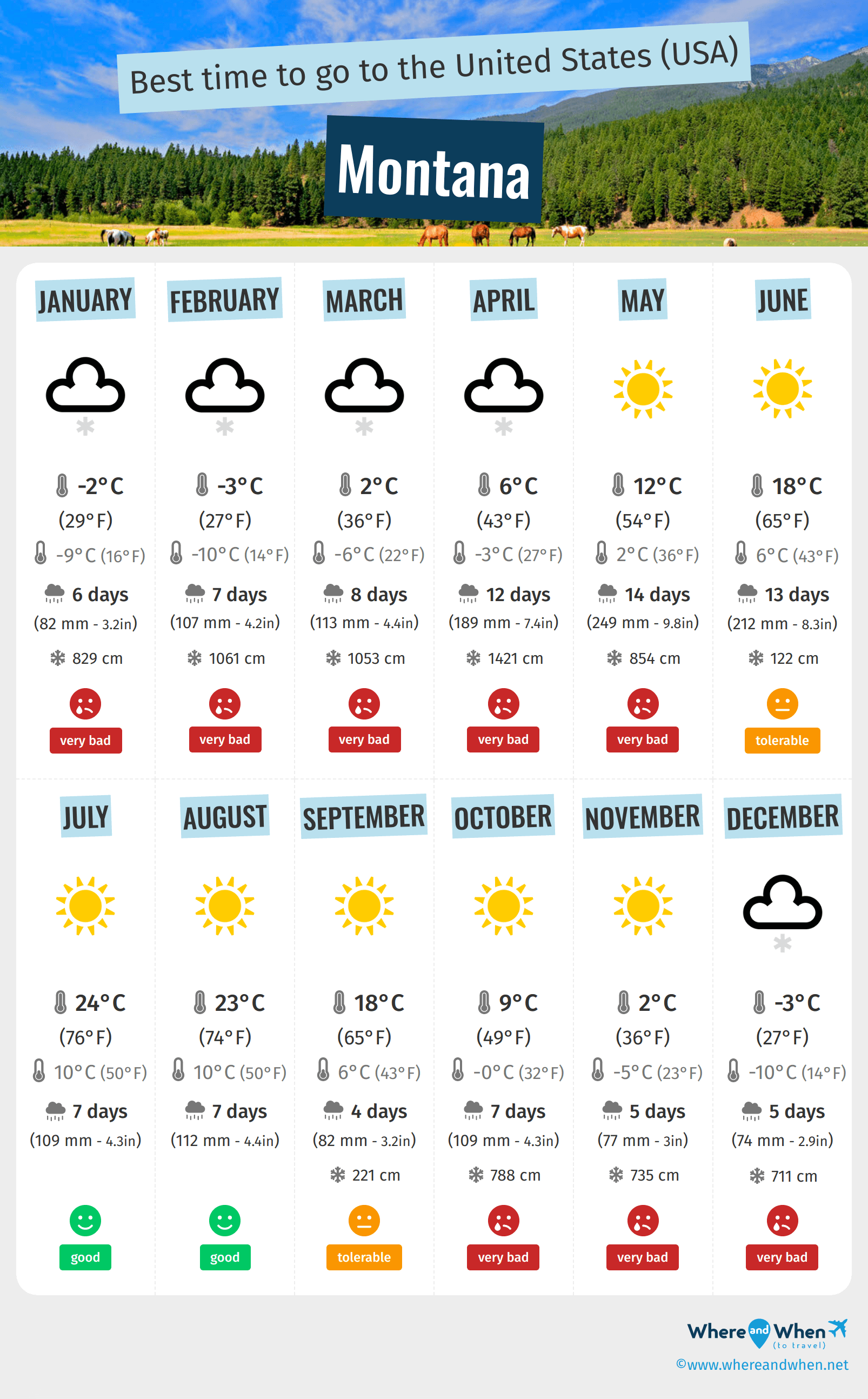
April and May: The Thaw and the Bloom
April marks the true beginning of spring’s thaw across much of Montana. While higher elevations can still be snow-covered and some roads, particularly in national parks, may remain closed, lower valleys and cities come alive. This is an excellent time for visitors interested in experiencing Montana’s emerging flora and fauna. The Missouri River and other waterways begin to thaw, making them accessible for early-season fishing, particularly for fly-fishing enthusiasts who appreciate the “Mother’s Day caddis” hatch in some areas. Wildlife viewing is also a significant draw. Bison herds begin to shed their winter coats, and elk calves start to appear in Yellowstone National Park.
May sees a more pronounced transition. Temperatures become milder, and the landscape explodes with color. Wildflowers carpet the meadows, creating breathtaking vistas. This is an ideal month for hiking in areas where trails have fully thawed. Cities like Bozeman and Missoula offer a lively atmosphere with blooming trees and outdoor cafes. However, it’s crucial to be prepared for variable weather. Spring storms are common, and mountain passes may still be intermittently closed. For those venturing into the mountains, checking road conditions in places like Glacier National Park is essential. The advantage of visiting in May is the significant reduction in crowds compared to the peak summer months, allowing for a more serene exploration of popular sites.
Summer: The Quintessential Montana Experience
Summer, from June through August, is undoubtedly Montana’s most popular season, and for good reason. The weather is generally warm and sunny, the days are long, and nearly all attractions and recreational opportunities are at their peak. This is the time for those who dream of hiking through alpine meadows, kayaking on crystal-clear lakes, and experiencing the vastness of the Big Sky.
June: The Gentle Warmth and Long Days
June offers a perfect balance of pleasant weather and fewer crowds than the absolute peak of July and August. Temperatures are typically mild, making outdoor activities incredibly enjoyable. The days are exceptionally long, providing ample time for exploration. Glacier National Park is fully accessible, with the iconic Going-to-the-Sun Road usually opening by the end of the month. Hiking trails are generally clear of snow, and the wildflowers are in full bloom, creating stunning backdrops for photography. Wildlife is active, and the rivers are ideal for rafting and fishing. This month is also excellent for exploring the Absaroka-Beartooth Wilderness.
July and August: The Zenith of Sunshine and Adventure
July and August represent the peak of summer in Montana. The weather is consistently warm, often hot in the valleys, with plenty of sunshine. This is the prime time for all outdoor activities: hiking in the Gallatin National Forest, camping in Yellowstone National Park, exploring the lakes around Whitefish, and enjoying water sports on Flathead Lake. The iconic rodeos and festivals are in full swing, offering a taste of local culture. However, this peak season also means larger crowds, especially at popular national parks and attractions like the Old Faithful geyser. It’s advisable to book accommodations and popular tours well in advance. The long daylight hours continue, allowing for extended adventures from dawn until dusk.

Autumn: A Symphony of Color and Calm
As the summer crowds dissipate and the air begins to crisp, Montana transforms into an autumnal wonderland. Autumn, from September through October, offers a different kind of magic, characterized by vibrant foliage, clear, cool air, and a serene atmosphere. It’s a season for those who appreciate natural beauty with a sense of tranquility.
September: The Golden Hues and Crisp Air
September is often considered by many locals and seasoned visitors to be one of the absolute best times to visit Montana. The weather is typically stable and pleasant, with warm days and cool, crisp evenings. The most striking feature of September is the breathtaking autumn foliage. Aspen and cottonwood trees turn brilliant shades of gold and yellow, creating a spectacular visual display against the evergreen pines and the deep blue sky. Hiking in places like the Bob Marshall Wilderness is particularly rewarding during this time, with fewer insects and a quieter environment. Wildlife viewing remains excellent, as animals prepare for winter. The fishing season is still very productive, and the rivers are often less crowded.
October: The Prelude to Winter’s Embrace
October marks the transition into late autumn. While the days become shorter and the temperatures cooler, the golden hues of the landscape often persist into the early part of the month. This is a time for those who don’t mind a chill in the air and are looking for the ultimate in solitude. Many summer attractions begin to wind down, and some facilities in national parks may close. However, the beauty of the fall colors, combined with the crisp air, can be truly invigorating. It’s an excellent time for scenic drives through areas like the Beartooth Highway (though conditions can change rapidly and closures are possible), and for enjoying the cozy ambiance of Montana’s lodges and ranches. Hunters often find this a prime time for their pursuits.
Winter: The Majesty of the White Silence
Winter in Montana is not for the faint of heart, but for those who embrace the cold and snow, it offers unparalleled beauty and unique adventures. From November through March, the state is transformed into a glistening winter paradise, perfect for activities like skiing, snowshoeing, and experiencing the profound peace of a snow-covered landscape.
November to February: The Heart of Winter
November sees the first significant snowfalls across much of Montana, signaling the true start of winter. While outdoor recreational opportunities may be limited to snow-based activities, the dramatic shift in landscape is a spectacle in itself. Cities like Helena and Butte offer a charming, snow-dusted atmosphere. Ski resorts begin to open, offering the first taste of winter sports.
December, January, and February are the coldest and snowiest months. This is the peak season for winter sports enthusiasts. World-class ski resorts such as Big Sky Resort and The Resort at Paws Up offer incredible skiing, snowboarding, and other snow activities. For those seeking a more serene winter experience, snowshoeing and cross-country skiing through silent, snow-laden forests provide a profound connection with nature. Wildlife viewing takes on a different character, with animals like bison often visible against the white backdrop, particularly in areas of Yellowstone National Park where winter tours are available. Experiencing the magic of Christmas in a Montana town, with its charming decorations and cozy taverns, is also a special treat. While extreme cold is a factor, the breathtaking beauty of a Montana winter is an unforgettable reward.

March: The Transition to Spring Thaw
March represents the tail end of winter and the first hints of spring’s return. Snowfall is still common, and ski resorts often remain open, offering excellent late-season skiing. However, temperatures begin to moderate, and the days grow noticeably longer. This can be a transitional month, offering a final chance for winter activities before the full thaw sets in. Ice fishing is often still viable in early March. The melting snow can create dramatic waterfalls and a sense of awakening in the landscape, foreshadowing the vibrant life that spring will soon bring.
Ultimately, the “best” time to go to Montana is a deeply personal decision, dependent on your desired activities and tolerance for different weather conditions. Whether you seek the vibrant energy of summer, the colorful tranquility of autumn, the thawing beauty of spring, or the serene majesty of winter, Montana promises an unforgettable journey into the heart of the American West.
LifeOutOfTheBox is a participant in the Amazon Services LLC Associates Program, an affiliate advertising program designed to provide a means for sites to earn advertising fees by advertising and linking to Amazon.com. Amazon, the Amazon logo, AmazonSupply, and the AmazonSupply logo are trademarks of Amazon.com, Inc. or its affiliates. As an Amazon Associate we earn affiliate commissions from qualifying purchases.