
Delving into the question “What area code is Los Angeles?” might seem like a straightforward query, but for anyone planning a visit or considering a move to this colossal metropolis, it quickly reveals a fascinating complexity. Los Angeles, a global epicenter of entertainment, culture, and innovation, is not defined by a single area code but rather a mosaic of them, reflecting its vast geographical spread and burgeoning population. Understanding these numerical identifiers is more than a mere curiosity; it’s a practical necessity for seamless communication and an insightful way to grasp the city’s diverse regions, each offering unique travel experiences, accommodation options, and lifestyle facets.

At its core, Los Angeles is a city of layers, where historic districts blend with futuristic architecture, and tranquil beaches meet bustling urban centers. For travelers, navigating this expansive landscape requires more than just a map; it demands an understanding of its pulse, which includes how its various communities are identified, even down to their phone numbers. This guide will unravel the area code puzzle of Los Angeles, connecting these digits to the vibrant destinations, luxurious hotels, rich tourism opportunities, and diverse lifestyles that define the City of Angels.
Navigating the Digital Landscape: Understanding Los Angeles Area Codes
The story of Los Angeles‘ area codes is a narrative of rapid growth and technological adaptation. What began as a single area code for a vast region has evolved into a complex system of multiple codes and overlays, a testament to the city’s continuous expansion and its status as a magnet for millions seeking opportunity and adventure.
The Proliferation of Area Codes in Los Angeles
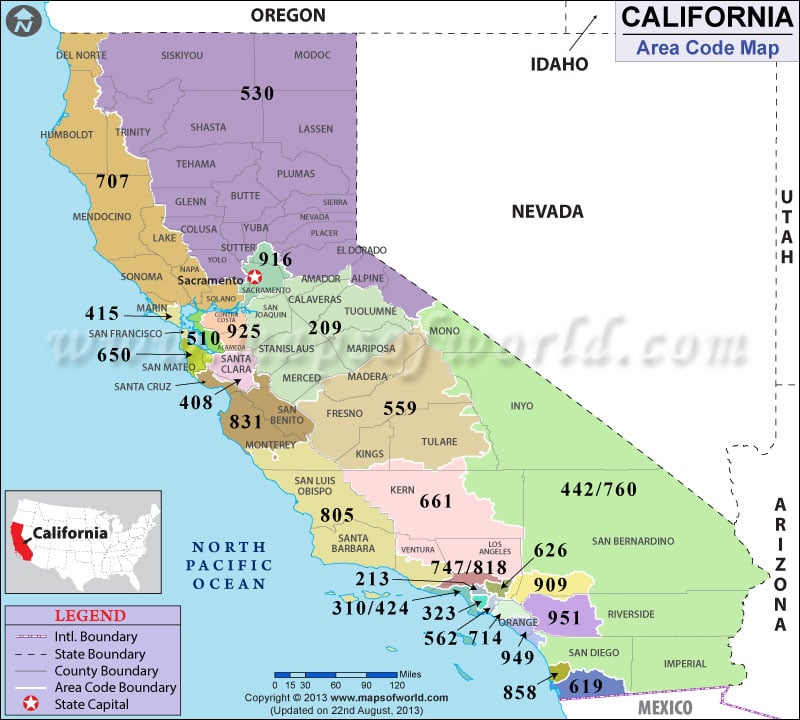
When the North American Numbering Plan (NANP) was introduced in 1947, the entirety of Southern California, including Los Angeles, was served by the 213 area code. As the population boomed post-World War II, demand for phone numbers skyrocketed, leading to numerous splits and overlays. Today, the Los Angeles metropolitan area, particularly Los Angeles County, is served by several primary area codes, each with its own history and geographical associations:
- 213: This is the original area code, now exclusively serving Downtown Los Angeles (DTLA) and some surrounding central neighborhoods. It’s the historic heart, often associated with business, government, and cultural institutions.
- 310: Created in 1991, 310 covers the affluent West Los Angeles area, including Beverly Hills, Santa Monica, Malibu, and the South Bay cities. It immediately became synonymous with coastal elegance and upscale living.
- 323: Introduced in 1998 as an overlay to 213, 323 now encompasses a broad swathe of central Los Angeles, including areas like Hollywood, Silver Lake, Echo Park, and parts of East Los Angeles. It signifies the city’s artistic, entertainment, and diverse cultural hubs.
- 424: An overlay for 310 since 2006, 424 serves the same geographic region as 310, necessitated by the continued demand for new numbers in this popular and densely populated area.
- 818: This area code serves the San Fernando Valley, a sprawling region north of the Santa Monica Mountains. Split from 213 in 1984, 818 is often associated with the entertainment industry’s studio lots and a more suburban yet vibrant lifestyle.
- 747: As an overlay to 818 since 2009, 747 addresses the ongoing need for phone numbers in the populous San Fernando Valley.
Beyond these core Los Angeles County codes, neighboring areas that are intrinsically linked to the greater Los Angeles experience also have their own codes, such as 562 (Long Beach and parts of Southeast LA County), 626 (Pasadena and the San Gabriel Valley), and 909, 951, 657, 714 (Orange County and Inland Empire), which often feature in travel itineraries for those exploring Southern California. The prevalence of overlays means that ten-digit dialing (area code + seven-digit number) is standard for all calls within and between these Los Angeles area codes, even local ones.
A Brief History of Communication in the City of Angels
From the rudimentary telephone exchanges of the early 20th century to today’s ubiquitous smartphones, communication in Los Angeles has mirrored its rapid growth and technological advancements. In the early days, a single seven-digit number sufficed, connecting residents across a burgeoning but still manageable city. As the population exploded, particularly after World War II, the need for more phone numbers became critical, leading to the gradual introduction of additional area codes.
For modern travelers, this historical context translates into practical considerations. Booking a luxurious suite in Beverly Hills, reserving a table at a critically acclaimed restaurant in Downtown Los Angeles, or coordinating a studio tour in the San Fernando Valley all rely on understanding these communication pathways. While mobile phones have largely simplified dialing (automatically adding area codes), awareness of the ten-digit dialing requirement is crucial. Moreover, the internet and mobile apps have revolutionized how visitors connect with local businesses, access travel guides, and share their experiences, making the digital connectivity symbolized by area codes more vital than ever.
Beyond the Dial Tone: Exploring Los Angeles’ Diverse Regions and Attractions
Each area code, while merely a numerical identifier, subtly points to distinct geographical regions of Los Angeles, each bursting with unique attractions, hotels, and cultural experiences. For the discerning traveler, understanding these regions is key to crafting an unforgettable journey.
Downtown Los Angeles and Its Historic Heart (213/323)
The 213 and 323 area codes collectively cover Downtown Los Angeles (DTLA) and its immediate surroundings – a revitalized urban core that has transformed into a vibrant cultural and entertainment hub. Once primarily a business district, DTLA now pulses with life, offering a blend of historic charm and modern sophistication.
Visitors flock to architectural marvels like the shimmering Walt Disney Concert Hall, an iconic structure designed by Frank Gehry. Nearby, The Broad museum captivates art lovers with its contemporary collection. Food enthusiasts can explore the culinary delights and diverse vendors at Grand Central Market, a historic landmark operating since 1917. Sports and entertainment find a home at the Crypto.com Arena, host to major concerts and sporting events. The Arts District, with its street art, galleries, and trendy eateries, embodies Los Angeles‘ creative spirit. For a taste of Japanese culture, Little Tokyo offers traditional shops, restaurants, and cultural centers. Accommodation in DTLA ranges from upscale luxury hotels in historic buildings to sleek, modern boutique hotels, catering to both business travelers and urban explorers.
Coastal Charms and Westside Glamour (310/424)
The 310 and 424 area codes define the prestigious West Los Angeles area, synonymous with glamour, sun-drenched beaches, and a relaxed yet refined lifestyle. This region is where Hollywood royalty often resides and where iconic Californian scenes unfold.
Beverly Hills needs no introduction, famous for its opulent Rodeo Drive, where high-end fashion boutiques and luxury brands beckon. Just west, Santa Monica offers a quintessential beach experience with its iconic Santa Monica Pier, home to an amusement park and stunning ocean views. Travelers can cycle along the coast, relax on sandy beaches, or explore the Third Street Promenade’s vibrant shops. Further up the coast, Malibu provides a ruggedly beautiful escape with its pristine beaches and celebrity homes tucked into the hills. Venice Beach, with its bohemian boardwalk, street performers, and Muscle Beach, offers a uniquely eccentric slice of Los Angeles life. Accommodation here includes lavish beachfront resorts, sophisticated luxury suites, and chic hotels that embody the Westside’s upscale appeal, perfect for those seeking a blend of relaxation and high-end living. While technically just outside this area code, the Griffith Observatory offers unparalleled views of the city, spanning across these very regions, embodying a panoramic vista of Los Angeles.
The Valley’s Vibrant Landscapes (818/747)
North of the Santa Monica Mountains, the San Fernando Valley, served by area codes 818 and 747, offers a different perspective of Los Angeles. This vast, suburban region is crucial to the entertainment industry and provides a more family-friendly atmosphere.
The San Fernando Valley is home to major film studios, including Universal Studios Hollywood, where visitors can experience thrilling rides, live shows, and a working movie studio tour. The Warner Bros. Studio Tour Hollywood offers an intimate look at the magic of filmmaking, from soundstages to prop departments. Beyond the studios, the Valley boasts diverse neighborhoods, parks, and culinary scenes. Accommodation here often includes family-friendly hotels with pools and amenities, as well as extended-stay options catering to those on longer visits or relocations. It’s an ideal base for families or those looking for a more relaxed pace while still being close to major attractions.
Eastside Eclecticism and Beyond (323/626/562)
The 323 area code, extending eastward from central Los Angeles, along with 626 (San Gabriel Valley) and 562 (Long Beach and Southeast LA County), captures the eclectic, diverse, and historically rich parts of the City of Angels.

Hollywood, an iconic global landmark, falls under 323, boasting the Hollywood Walk of Fame, the historic TCL Chinese Theatre, and the vibrant energy of the entertainment industry. Nearby, trendy neighborhoods like Silver Lake and Echo Park offer a bohemian vibe with independent boutiques, coffee shops, and live music venues. Further east, Pasadena (626) is known for its beautiful architecture, the annual Rose Bowl Stadium parade and game, and cultural institutions like the Norton Simon Museum. To the south, Long Beach (562) provides a coastal city experience with its charming waterfront, the historic Queen Mary ocean liner, and a thriving arts scene. This diverse collection of areas offers everything from boutique hotels and artistic lodgings to more budget-friendly options and unique local stays, appealing to travelers interested in art, history, and authentic local experiences.
Planning Your Los Angeles Escape: Accommodation and Lifestyle Considerations
Understanding Los Angeles’ area codes goes hand-in-hand with strategic travel planning, especially when it comes to choosing the right accommodation and tailoring your trip to a specific lifestyle or budget. The sheer scale of the city means that where you stay significantly impacts your experience.
Choosing Your Base: Hotels, Resorts, and Unique Stays
The diverse geography of Los Angeles, implicitly linked to its area codes, dictates the variety of accommodation available:
- Luxury Travel: For those seeking opulence, Beverly Hills and West Hollywood (310/424) offer world-class luxury hotels and resorts like the Four Seasons Beverly Wilshire or The London West Hollywood, often featuring exquisite suites, spas, and gourmet dining. Similarly, areas like Bel-Air boast exclusive villas and private accommodations.
- Beach Escapes: Coastal regions like Santa Monica and Malibu (310/424) are home to beachfront resorts and charming boutique hotels, perfect for a relaxing getaway with ocean views.
- Urban Exploration: In Downtown Los Angeles (213/323), visitors can choose from a range of boutique hotels housed in renovated historic buildings, modern high-rises, and business-focused accommodations close to major attractions and corporate centers.
- Family Trips: Near attractions like Universal Studios Hollywood in the San Fernando Valley (818/747), family-friendly hotels with amenities like pools and spacious rooms are abundant. While technically in Orange County, many families visiting Los Angeles also consider day trips to Disneyland, and accommodations in that region cater heavily to family needs.
- Long-Term Stays: For longer visits, serviced apartments and extended-stay hotels are available across various districts, offering home-like comforts.
- Budget Travel: More budget-friendly options can be found in areas further from the prime tourist hubs or in specific neighborhoods like parts of Hollywood (323) or the broader San Fernando Valley.
When booking, platforms that provide comprehensive reviews, comparison tools, and detailed information about amenities are invaluable. Consider proximity to public transportation like the Metro Rail if you plan to rely less on rental cars or ride-sharing services, as traffic in Los Angeles can be a significant factor.
Tailoring Your Trip: From Budget to Luxury Travel
Los Angeles caters to every type of traveler, from the cost-conscious adventurer to the high-net-worth individual seeking unparalleled luxury. Your chosen area and its associated area code often reflect the lifestyle you’re seeking:
- Luxury Travel: Beyond hotels, luxury travel in Los Angeles encompasses private tours of Hollywood studios, exclusive shopping experiences on Rodeo Drive, fine dining in West Hollywood, and private access to events. Locations like Beverly Hills or Bel-Air are quintessential for this lifestyle.
- Budget Travel: Experiencing Los Angeles on a budget is entirely possible. Utilizing public transport, exploring free attractions like Venice Beach or the Hollywood Walk of Fame, and dining at diverse, affordable eateries (like the incredible Mexican food trucks found across the city) can significantly cut costs. Hostels in areas like Hollywood or Santa Monica also provide economical accommodation.
- Family Trips: Los Angeles is fantastic for families, with theme parks, beaches, and museums. Planning involves choosing hotels with family-friendly amenities and considering the logistics of getting to attractions like Universal Studios Hollywood or Disneyland.
- Business Stays: For business travelers, locations like Downtown Los Angeles (213) or Century City (310) offer proximity to corporate offices, convention centers, and excellent transport links, with hotels tailored to business needs.
Regardless of your travel style, understanding the city’s layout and its communication network streamlines your visit, allowing for easier reservations, navigation, and connection to the vast array of experiences available.
Immersing in the City of Angels: Culture, Cuisine, and Connectivity
To truly experience Los Angeles, one must dive into its rich cultural tapestry and diverse culinary landscape. Connectivity, in the modern sense, is not just about phone calls but about accessing information, sharing moments, and engaging with local life, all of which are enhanced by a basic understanding of the city’s digital and physical organization.
Savoring Los Angeles: A Culinary Journey
Los Angeles is a global culinary powerhouse, a melting pot of flavors reflecting its diverse population. From Michelin-starred restaurants to humble food trucks, the city offers an unparalleled gastronomic adventure.
- Cultural Cuisines: Explore the vibrant flavors of Korean BBQ in Koreatown (323), authentic Mexican food in East Los Angeles, or exquisite Japanese cuisine in Little Tokyo (213).
- Fine Dining: West Hollywood (310/424) and Beverly Hills (310/424) are renowned for their upscale dining establishments, often helmed by celebrity chefs, offering exquisite menus and sophisticated ambiance.
- Food Trucks and Markets: The food truck scene is iconic in Los Angeles, offering everything from gourmet tacos to fusion dishes across various neighborhoods. Grand Central Market in DTLA also provides a fantastic array of local and international eats.
For travelers, smartphones become indispensable tools for discovering new restaurants, reading reviews, making reservations, and even ordering delivery. The ability to quickly look up a restaurant in a specific area code, or call ahead to check wait times, significantly enhances the dining experience.
Embracing Local Culture and Experiences
Beyond the famous landmarks, Los Angeles invites visitors to explore its unique local cultures, art scenes, and vibrant communities.
- Museums and Arts: Immerse yourself in art at the LACMA (Los Angeles County Museum of Art) or the stunning Getty Center (both primarily in 310/424 territory), or discover emerging artists in the Arts District (213).
- Performing Arts: Catch a show at the Walt Disney Concert Hall or explore independent theaters in Silver Lake (323).
- Outdoor Activities: Hike to the Griffith Observatory for panoramic city views, cycle along Santa Monica Beach, or explore the natural beauty of the Malibu coastline.
- Neighborhood Exploration: Wander through the historic streets of Pasadena (626), experience the bohemian spirit of Venice Beach (310/424), or discover the unique shops and cafes of Echo Park (323).
Engaging with these local experiences often involves interacting with local businesses, booking tours, or simply navigating using online maps. A working phone and an understanding of local dialing customs, though often automated, are fundamental to a smooth, immersive trip.
Staying Connected: Tips for Travelers
For visitors to Los Angeles, maintaining connectivity is crucial for safety, navigation, and making the most of your trip.
- Ten-Digit Dialing: Remember that all calls within the Los Angeles area, even local ones, require ten-digit dialing (area code + seven-digit number). This is due to the multiple overlay area codes.
- Mobile Service: Most major mobile carriers offer excellent coverage throughout Los Angeles. Consider purchasing a local SIM card if you’re staying long-term, or ensure your international roaming plan is sufficient.
- Wi-Fi Access: Many hotels, cafes, and public spaces offer free Wi-Fi, allowing you to save on data costs.
- Emergency Services: In any emergency, dial 911 immediately. This number works universally across the United States.
- Navigation Apps: Utilize GPS and mapping applications to navigate the sprawling city, find attractions, and estimate travel times. These apps often integrate local business information, making them invaluable tools.
In conclusion, while the question “What area code is Los Angeles?” has a multi-faceted answer, each digit tells a story of growth, diversity, and specific geographical identity. For any traveler or prospective resident, understanding these codes is a subtle but important part of unlocking the full potential of the City of Angels. From booking a luxury resort in Beverly Hills to finding a hidden gem restaurant in Hollywood, knowing the local area codes provides a useful framework for exploring, connecting, and truly immersing oneself in the vibrant tapestry that is Los Angeles. Embrace the complexity, and let it guide you through an unforgettable journey in this iconic Californian destination.
LifeOutOfTheBox is a participant in the Amazon Services LLC Associates Program, an affiliate advertising program designed to provide a means for sites to earn advertising fees by advertising and linking to Amazon.com. Amazon, the Amazon logo, AmazonSupply, and the AmazonSupply logo are trademarks of Amazon.com, Inc. or its affiliates. As an Amazon Associate we earn affiliate commissions from qualifying purchases.