
The vibrant city of Chicago, Illinois, with its distinctive skyline, bustling streets, and rich history, serves as more than just a backdrop for the hit television series Chicago Fire; it is, in many ways, an integral character in the drama. For over a decade, fans worldwide have been captivated by the heroic exploits of Firehouse 51’s firefighters and paramedics, and a significant part of the show’s appeal lies in its authentic portrayal of the Windy City. Unlike many productions that rely on studio sets or stand-in locations, Chicago Fire proudly embraces its namesake, filming extensively on location, offering viewers a genuine glimpse into the urban landscape it depicts.
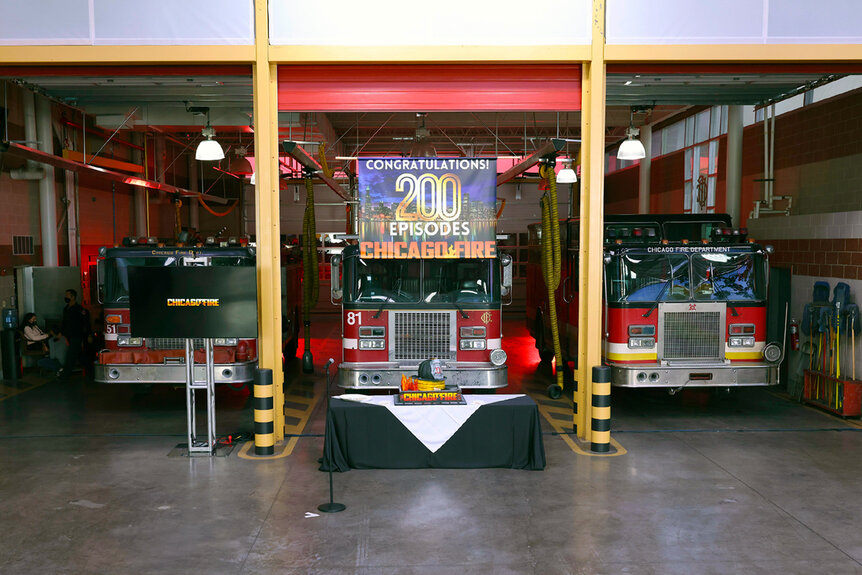
This commitment to authenticity not only lends credibility to the narrative but also transforms the city into a prime destination for fans seeking to immerse themselves in the world of Kelly Severide, Matthew Casey, and Gabriela Dawson. For those passionate about travel, culture, and unique experiences, tracing the footsteps of their favorite characters offers an unparalleled opportunity to explore Chicago’s iconic landmarks, hidden gems, and local hotspots. Whether you’re a devoted fan planning a themed trip or simply curious about the show’s production, understanding where Chicago Fire is filmed unveils a new dimension to both the series and this remarkable American metropolis. From the historic firehouse that serves as Firehouse 51 to the vibrant neighborhoods and bustling streets, every corner of Chicago tells a story, both on-screen and off.
The Heart of the Action: Main Filming Locations in Chicago
The essence of Chicago Fire is rooted in the daily lives and heroic acts of its protagonists, and the primary filming locations are chosen to reflect this gritty reality. These sites are not merely sets; they are living parts of Chicago’s fabric, offering visitors a unique blend of cinematic magic and genuine urban experience. Exploring these central locations is a must for any fan and provides a fascinating perspective on the city itself.
Firehouse 51: The Iconic Engine Company 18
Without a doubt, the most recognizable and revered filming location for Chicago Fire is the actual fire station that stands in for Firehouse 51. This isn’t a purpose-built set but a fully operational firehouse: Engine Company 18 of the Chicago Fire Department. Located at 1360 S. Blue Island Ave in the Near West Side neighborhood, this historic building is instantly identifiable by its distinctive red brick façade, towering garage doors, and the ever-present flagpole.
For fans, visiting Engine Company 18 is akin to a pilgrimage. While interior scenes are primarily shot on soundstages (for practical reasons related to noise control, logistics, and respecting the working firefighters), the exterior shots, many establishing scenes, and scenes involving the trucks pulling out onto the street are all filmed here. The crew often uses the station’s actual fire trucks, adding another layer of authenticity. When visiting, travelers are encouraged to be respectful of the working firefighters. While tours inside are generally not possible due to the station’s operational status, fans can often take photos of the exterior, sometimes even catching a glimpse of the trucks or seeing some of the iconic signage from the show. This landmark serves as a powerful symbol of Chicago’s commitment to its first responders and is a poignant reminder of the brave individuals who inspire the series. From a tourism perspective, it’s a unique attraction that blends television fandom with an appreciation for local public service and architecture.
Molly’s Pub: A Fictional Bar with Real-Life Inspiration
Another cornerstone of the Chicago Fire universe is Molly’s Pub, the beloved watering hole owned by Hermann, Mouch, and Otis. While Molly’s is a fictional establishment, its real-world counterpart is very much alive and thriving. The bar used for the exterior and some interior shots of Molly’s is Lottie’s Pub, located in the Bucktown neighborhood at 1925 W. Cortland St.
Lottie’s Pub is a classic Chicago tavern, steeped in history and local charm. It opened in 1934, making it one of the city’s oldest continuously operating pubs. Its unpretentious atmosphere, traditional pub fare, and wide selection of beers make it a popular spot for both locals and visiting fans. When filming is underway, the area around Lottie’s Pub buzzes with activity, but even on a regular day, stepping inside feels like entering the world of Chicago Fire. Patrons can enjoy a drink or a meal, soaking in the ambiance that has graced countless episodes. This location perfectly encapsulates Chicago’s vibrant local culture and culinary scene, offering a taste of authentic Chicago life that is both accessible and deeply connected to the show. It’s an excellent example of how the series integrates real Chicago establishments, turning them into must-visit destinations for fans.
Cinespace Chicago Film Studios: The Hub of Production
While many scenes are filmed on location, the complex interior sets of Firehouse 51, including the bunk rooms, kitchen, and common areas, along with other recurring indoor locations like hospital rooms (for Chicago Med) or police precincts (for Chicago P.D.), are all meticulously recreated at Cinespace Chicago Film Studios. This massive studio complex, situated in the city’s west side, is a cornerstone of Chicago’s burgeoning film and television industry.
Cinespace Chicago Film Studios boasts state-of-the-art soundstages and production facilities, making it an ideal environment for the demanding schedule of a network television series. This facility is crucial for maintaining continuity, controlling environmental factors, and providing the necessary space for intricate set design and technical equipment. While not accessible to the public for tours, its existence is vital to the seamless production of Chicago Fire and the entire “One Chicago” universe. Its presence underscores Chicago’s growing reputation as a major film production hub, contributing significantly to the local economy and demonstrating the city’s capacity to host large-scale cinematic endeavors. For industry enthusiasts, knowing about Cinespace highlights the sophisticated infrastructure that supports the magic of television.
Exploring Chicago Beyond Firehouse 51: Other Notable Filming Spots
Beyond the primary filming locations, Chicago Fire takes full advantage of Chicago’s diverse urban landscape, using its iconic landmarks and varied neighborhoods to add depth and visual grandeur to the series. The show’s commitment to outdoor filming transforms the entire city into a dynamic set, inviting viewers to explore Chicago’s multifaceted personality.
Iconic Chicago Landmarks and Neighborhoods
The production team of Chicago Fire frequently integrates famous Chicago landmarks into its storylines, providing stunning visual context and grounding the drama in the city’s true character. Viewers often spot familiar sights during intense rescue missions or character-driven moments.
One of the most frequently seen areas is Michigan Avenue, particularly the stretch known as the Magnificent Mile. This bustling thoroughfare, famous for its upscale shopping, towering skyscrapers, and historic architecture, often features in scenes depicting urban emergencies or establishing shots of the city’s vibrancy. Similarly, Millennium Park, home to the famous Cloud Gate sculpture (affectionately known as “The Bean”), is a popular backdrop for scenes needing an iconic Chicago visual. Imagine a dramatic rescue unfolding with the reflective surface of The Bean mirroring the action – such moments are a staple of the show.
Navy Pier, a popular attraction offering stunning views of Lake Michigan and the city skyline, has also made appearances, often during scenes involving water rescues or large public gatherings. The charming neighborhood of Wrigleyville, centered around the historic Wrigley Field, sometimes provides a more neighborhood-specific feel, reflecting the diverse communities within Chicago. Even the expansive green spaces of Lincoln Park have been utilized for various outdoor scenarios, showcasing the city’s blend of urban density and natural beauty. For tourists, recognizing these places on screen adds an exciting layer to their sightseeing experiences, allowing them to connect fictional narratives with real-world destinations.

From Gritty Industrial Zones to Residential Streets
Beyond the famous landmarks, Chicago Fire excels at portraying the full spectrum of Chicago’s urban fabric. The show frequently ventures into the city’s industrial areas, particularly along the banks of the Chicago River and its various branches. These locations provide the necessary gritty, realistic settings for many of the show’s intense fire and rescue operations, from abandoned warehouses to factories and loading docks. The industrial backdrop adds a sense of raw authenticity to the dangers faced by the firefighters.
Conversely, the series also explores quieter, residential streets across numerous Chicago neighborhoods. These scenes often focus on smaller house fires, car accidents, or community interactions, highlighting the everyday challenges faced by ordinary citizens and the personal connections forged by the Firehouse 51 crew. By showcasing both the bustling downtown and the quieter, tree-lined residential areas, Chicago Fire paints a comprehensive picture of Chicago as a city of contrasts. This deliberate choice by the production team ensures that the city itself feels like a living, breathing entity within the show, offering a rich tapestry for both dramatic storytelling and genuine urban exploration for visitors. The diverse settings reflect the show’s commitment to portraying the real Chicago, making it an excellent travel guide for those looking to experience the city beyond its most famous tourist traps.
Planning Your “Chicago Fire” Inspired Trip: Travel and Accommodation Tips
A trip to Chicago inspired by Chicago Fire offers a unique blend of fandom and exploration, allowing visitors to connect with the city on a deeper level. To make the most of this adventure, thoughtful planning regarding transport, accommodation, and culinary experiences is essential.
Navigating Chicago: Transport and Sightseeing
Chicago is a highly navigable city, and its efficient public transportation system makes exploring filming locations and other attractions relatively easy. The CTA (Chicago Transit Authority) operates an extensive network of ‘L’ trains and buses, connecting virtually every neighborhood. For visitors, purchasing a multi-day pass can be a cost-effective way to get around. Many of the key Chicago Fire locations, such as Engine Company 18 and Lottie’s Pub, are accessible via public transit, though some may require a combination of train and bus or a short ride-sharing trip.
Walking is also a fantastic way to experience Chicago’s vibrant street life, especially in dense areas like downtown, the Magnificent Mile, and Millennium Park. For a unique perspective on the city’s iconic architecture, consider an architectural boat tour on the Chicago River, which often passes by buildings featured in the show. While official “Chicago Fire” tours are not always available, several local tour companies offer general Chicago tours that touch upon areas where the show films, providing valuable tourism tips and insights into the city’s rich history. Remember to wear comfortable shoes and check weather forecasts, as Chicago weather can be unpredictable.
Where to Stay: Hotels and Accommodation for Every Lifestyle
Chicago offers a vast array of accommodation options to suit every budget and lifestyle. When choosing where to stay, consider proximity to the filming locations you wish to visit, as well as general attractions.
Luxury Options: For those seeking a lavish stay, Chicago’s downtown area and the Magnificent Mile boast some of the world’s finest hotels and resorts. Options like The Langham Chicago or Four Seasons Hotel Chicago offer impeccable service, stunning city views, and top-tier amenities, perfect for luxury travel enthusiasts.
Mid-Range & Family-Friendly: Many excellent mid-range hotels provide comfort and convenience without breaking the bank. The Hyatt Regency Chicago or Embassy Suites by Hilton Chicago Downtown Magnificent Mile are popular choices, often featuring spacious suites and amenities that cater to family trips or those on a moderate budget. These options frequently provide excellent value and central locations, simplifying travel to various Chicago destinations.
Budget & Long-Term Stays: For budget travel or extended visits, Chicago has a growing number of hostels and serviced apartments. Freehand Chicago offers a stylish hostel-hotel hybrid experience, while numerous vacation rental platforms provide apartments and villas across different neighborhoods, ideal for a long-term stay or for groups. Always check reviews and use reputable booking sites when making your selection to ensure a comfortable and safe experience.
Immersing in Chicago’s Culinary Scene
No trip to Chicago is complete without indulging in its legendary culinary scene. Beyond visiting Lottie’s Pub, make sure to sample some of the city’s iconic food. Deep-dish pizza is a must-try, with famous establishments like Lou Malnati’s or Giordano’s offering quintessential Chicago experiences. Don’t forget the classic Chicago hot dog, served with its distinct array of toppings.
For diverse dining experiences, explore neighborhoods like the West Loop, known for its award-winning restaurants and vibrant food scene, or Pilsen for authentic Mexican cuisine. From gourmet dining to casual street food, Chicago’s food landscape reflects its multicultural heritage, promising delicious discoveries for every palate. These culinary adventures are an essential part of experiencing Chicago’s local culture and connecting with the authentic spirit portrayed in Chicago Fire.
The “One Chicago” Universe and Its Impact on Tourism
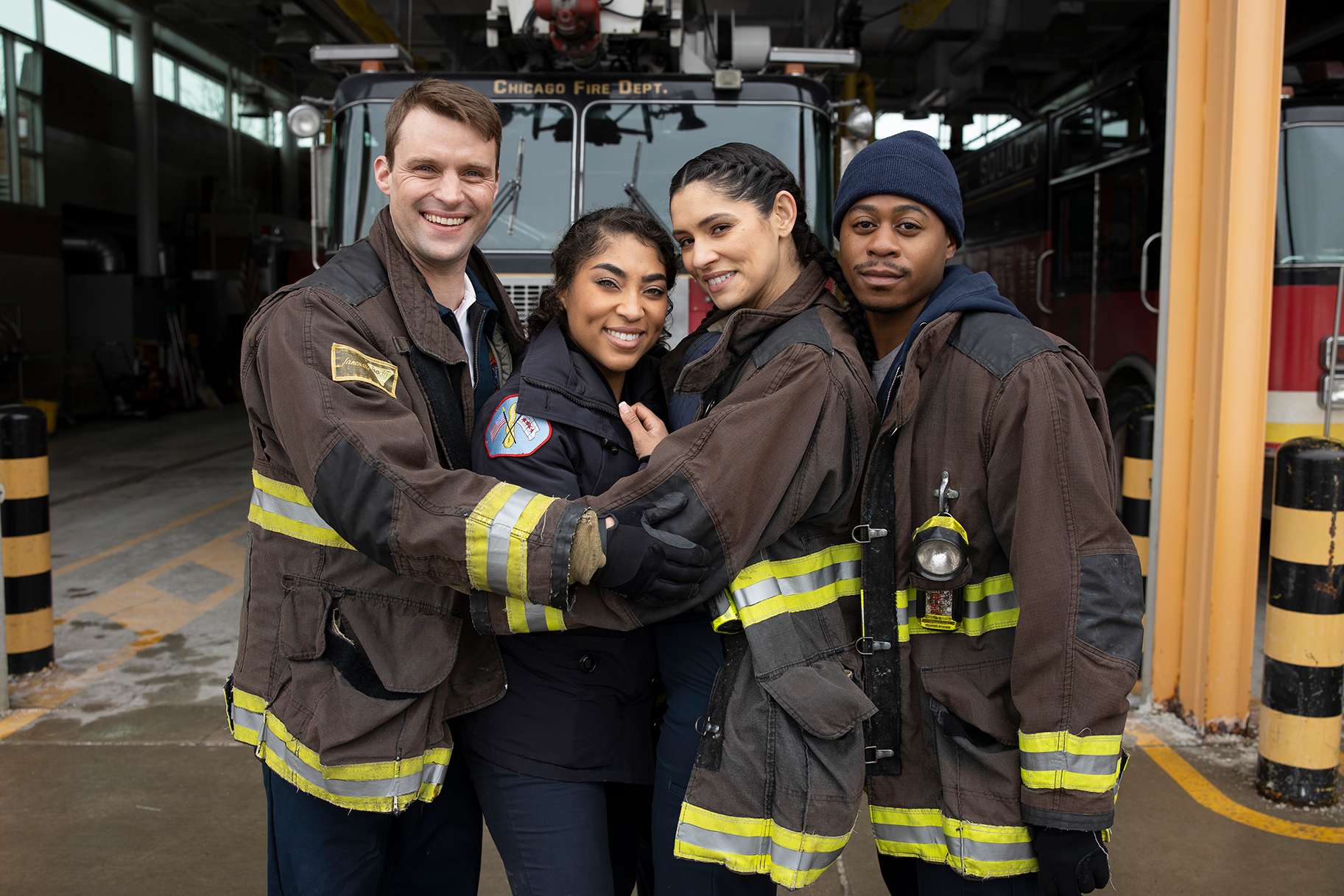
Chicago Fire is not a standalone phenomenon but the flagship show of the highly successful “One Chicago” franchise, which also includes Chicago P.D. and Chicago Med. All three shows are extensively filmed in Chicago, creating a cohesive universe that celebrates the city’s emergency services and showcases its diverse urban environment. This interconnectedness amplifies the appeal of Chicago as a tourist destination.
The “One Chicago” universe has significantly contributed to the phenomenon of “set jetting” or film tourism. Fans from across the globe are increasingly motivated to travel to locations where their favorite shows and movies are filmed, seeking to experience the real-world settings that bring fictional stories to life. For Chicago, this means an influx of visitors eager to see Engine Company 18, grab a drink at Lottie’s Pub, or simply wander through the streets where so many dramatic scenes have unfolded. This type of tourism not only boosts the local economy but also creates a unique cultural exchange, as visitors engage with the city’s heritage and contemporary life through the lens of their favorite series.
The consistent and authentic portrayal of Chicago across all three shows helps solidify the city’s identity as a dynamic and welcoming destination. It highlights its architectural marvels, its vibrant neighborhoods, its resilient spirit, and the dedication of its public servants. Visiting Chicago as a fan of Chicago Fire or the broader “One Chicago” franchise is more than just sightseeing; it’s an immersive experience that blends fictional narratives with real-world exploration. It allows travelers to feel a deeper connection to the city, understanding its character and charm in a way that traditional travel guides alone might not achieve. This unique blend of entertainment and exploration positions Chicago as a premier travel destination for television enthusiasts and curious travelers alike.
In conclusion, Chicago Fire masterfully uses its namesake city as a character, making its filming locations an exciting part of any Chicago itinerary. From the iconic Engine Company 18 to the beloved Lottie’s Pub and countless recognizable landmarks, the show’s commitment to authenticity offers fans a unique way to explore the city. Whether you’re planning a dedicated “Firehouse 51” tour or simply incorporating a few iconic spots into a broader Chicago adventure, the city promises a rich and memorable experience filled with history, culture, and the undeniable spirit of its television heroes. Pack your bags, plan your accommodation, and get ready to discover the vibrant city that brings Chicago Fire to life.
LifeOutOfTheBox is a participant in the Amazon Services LLC Associates Program, an affiliate advertising program designed to provide a means for sites to earn advertising fees by advertising and linking to Amazon.com. Amazon, the Amazon logo, AmazonSupply, and the AmazonSupply logo are trademarks of Amazon.com, Inc. or its affiliates. As an Amazon Associate we earn affiliate commissions from qualifying purchases.