
The concept of congestion pricing in New York City represents one of the most significant shifts in urban mobility and infrastructure management in modern United States history. Designed to tackle the relentless gridlock that defines the streets of Manhattan, the proposal sought to transform how residents, commuters, and tourists interact with the urban landscape. By implementing a variable fee for vehicles entering the busiest sections of the city, policymakers hoped to reduce traffic, improve air quality, and generate a dedicated revenue stream for the public transit network.
The Mechanics of the Congestion Zone
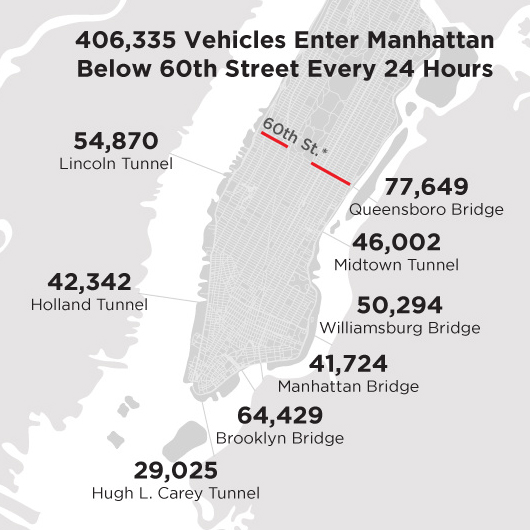
At the heart of the congestion pricing proposal was the creation of a “Central Business District” (CBD) tolling zone. This area was defined as covering all streets south of 60th Street in Manhattan, encompassing the high-traffic corridors of Midtown Manhattan and Lower Manhattan.

Defining the Boundary
The 60th Street threshold served as the northern gate, effectively capturing the vast majority of the city’s commercial and tourist hubs. Any vehicle crossing this boundary into the district would be subject to a daily toll. The logic behind this geography was simple: concentrate the financial deterrent in the area where road space is most contested and where alternative modes of transit, such as the New York City Subway, are most readily available.
Technology and Implementation
The infrastructure for the plan relied on a sophisticated network of electronic tolling gantries—similar to those found on modern highways—using automatic license plate recognition (ALPR) technology. This “frictionless” approach was designed to eliminate toll booths, which would only exacerbate existing traffic jams. Registered users would have their tolls automatically deducted from E-ZPass accounts, while others would be billed via mail. The pricing was intended to be variable, with higher rates during peak commuting hours and potentially lower fees during off-peak times or for overnight travel.
The Objectives: Mobility and Environment
The primary impetus for congestion pricing was the alarming decline in travel speeds across the Five Boroughs. With traffic congestion hitting record highs, the impact on New York was profound, affecting everything from emergency response times to the cost of goods delivery.
Improving Transit Infrastructure
A central pillar of the plan was the infusion of capital into the Metropolitan Transportation Authority. The organization, which manages the massive transit network, faced significant budgetary hurdles in maintaining and upgrading aging subway lines, buses, and commuter rail systems. Congestion pricing was envisioned as a multi-billion dollar “lock-box” fund, specifically earmarked for critical modernization projects, including signaling upgrades, accessibility renovations for people with disabilities, and the expansion of bus rapid transit lanes.
Environmental Impact and Sustainability
Beyond simple traffic volume, the plan was marketed as a landmark environmental initiative. By disincentivizing private vehicle use in the densest part of the city, officials projected a notable reduction in greenhouse gas emissions and particulate matter. For a city as densely populated as New York State, improving air quality is not merely an aesthetic choice but a public health necessity. Fewer idling cars translate to lower rates of respiratory illness, making the urban core more livable for those who reside near high-traffic corridors like the FDR Drive or the West Side Highway.
Controversy and Public Discourse
Despite the potential benefits, the plan faced intense scrutiny from a diverse array of stakeholders, ranging from daily commuters to small business owners and political leaders in surrounding regions.
Economic Equity Concerns
Critics of the proposal argued that it functioned as a regressive tax, disproportionately impacting working-class commuters who reside in New Jersey, Long Island, or the outer boroughs, where public transit alternatives might be insufficient or inconvenient. For individuals working non-traditional hours—such as nurses, hospitality staff, or emergency responders—the lack of reliable 24-hour public transport made the toll an unavoidable financial burden rather than a choice.
The Regional Tension
The political friction extended far beyond the city limits. Leaders in neighboring jurisdictions contended that the plan was an unfair mechanism to balance the Metropolitan Transportation Authority budget on the backs of their constituents. This led to a series of legal challenges and political pushback, as stakeholders questioned the fairness of imposing a toll that would be collected by one state entity but impact residents across state lines. The debate highlighted the delicate balance between local autonomy and the regional integration of the Tri-State Area.
The Legacy of the Proposal
While the congestion pricing plan was designed to put New York on par with global cities like London, Singapore, and Stockholm—which have successfully implemented similar schemes—it remained a lightning rod for debate.
Lessons for Urban Planning
The effort underscored a fundamental shift in how planners view city streets. Rather than treating road space as an infinite resource that should be free at the point of use, the congestion pricing movement pushed for a market-based approach. It challenged the assumption that private cars should have unrestricted access to the most valuable real estate on the planet. Even in the face of delays, the conversation shifted the focus toward a “transit-first” philosophy, emphasizing that the future of cities depends on efficient mass movement rather than the convenience of the individual vehicle.

Looking Ahead
The legacy of the congestion pricing discussion remains woven into the fabric of the city’s future. Whether or not the plan is fully realized, it has successfully forced a conversation about the necessity of investing in the Penn Station and Grand Central Terminal hubs. It has compelled citizens and local government to acknowledge that the current state of gridlock is unsustainable as the population continues to grow. As technology evolves and transit demands shift, the principles behind the original congestion pricing proposal will likely serve as the blueprint for future initiatives aimed at making the city more accessible, cleaner, and more efficient for everyone. Regardless of the specific outcome, the plan marked a pivotal moment in the evolution of the modern metropolis, proving that even the most deeply ingrained patterns of city life can be reconsidered when the pressure of urban growth becomes too great to ignore.
LifeOutOfTheBox is a participant in the Amazon Services LLC Associates Program, an affiliate advertising program designed to provide a means for sites to earn advertising fees by advertising and linking to Amazon.com. Amazon, the Amazon logo, AmazonSupply, and the AmazonSupply logo are trademarks of Amazon.com, Inc. or its affiliates. As an Amazon Associate we earn affiliate commissions from qualifying purchases.