
The Hawaiian Islands have long captivated the imagination of travelers, researchers, and dreamers alike. Situated in the heart of the Pacific Ocean, this isolated archipelago is far more than just a cluster of sun-drenched beaches and surfing hotspots. While many visitors arrive seeking the quintessential tropical getaway, the true allure of Hawaii lies in its geological singularity and its profound cultural history. To understand this destination, one must look past the resort experience and explore the fascinating anomalies that define the world’s most isolated chain of volcanic islands.
An Island Chain Born from a Moving Hotspot
One of the most scientifically captivating facts about the state is its unique method of formation. Unlike many other volcanic regions that form along tectonic plate boundaries, the Hawaiian Islands were created by a “hotspot”—a stationary plume of intense heat rising from deep within the Earth’s mantle.
The Tectonic Conveyor Belt
As the Pacific Plate moves steadily northwestward at a rate of approximately three to four inches per year, it carries older islands away from the heat source. Meanwhile, the hotspot remains fixed, continuously melting the crust above it to spawn new volcanic activity. This process acts like a geological conveyor belt, creating a chronological trail of islands. The oldest islands in the northwest, such as Kauai, have been eroded by time and natural elements, while the youngest, the Big Island, is still actively growing today.
Continuous Volcanic Evolution
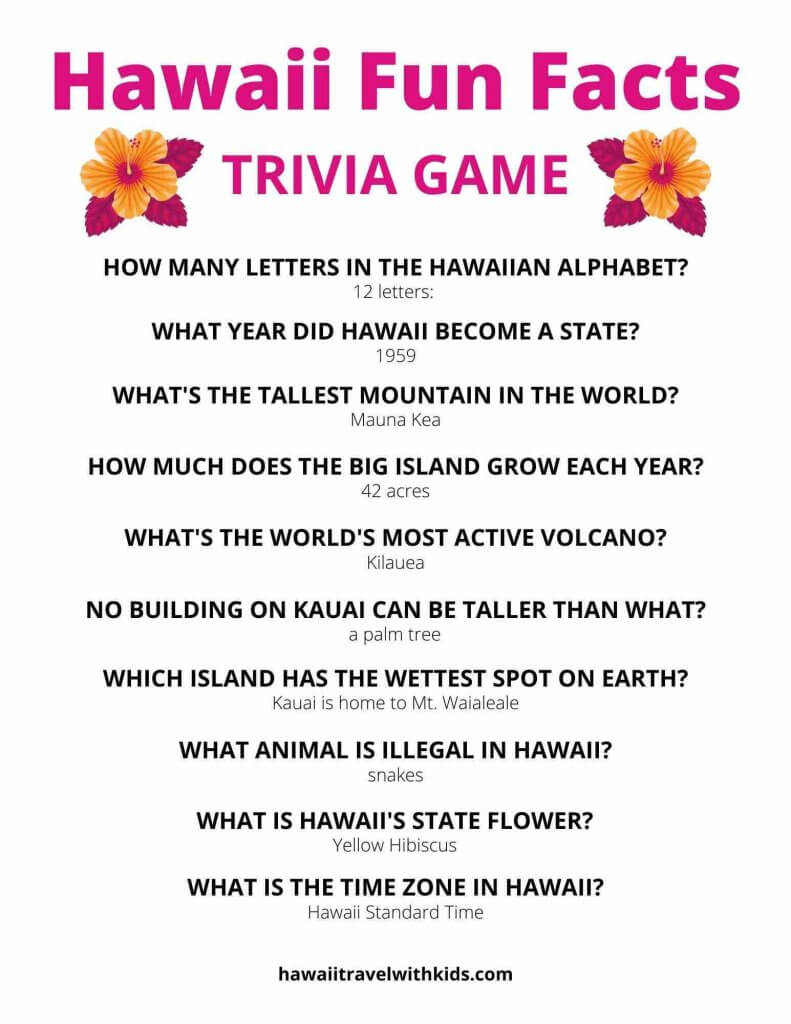
The Big Island is home to Mauna Loa and Kilauea, two of the most active volcanoes on the planet. This ongoing eruption process means that the landmass of the state is technically increasing. Furthermore, scientists have identified a new seamount currently forming beneath the waves to the southeast, appropriately named Loʻihi. Given enough time—likely several hundred thousand years—Loʻihi will eventually breach the surface of the Pacific Ocean to become the next island in the Hawaiian chain. This perpetual cycle of birth and erosion remains one of the most studied geological phenomena in the world, serving as a living laboratory for volcanologists.
Hawaii’s Remarkable Status as the Only U.S. State with a Former Royal Palace

Beyond its geological marvels, Hawaii possesses a rich, poignant, and distinct political history that sets it apart from every other state in the United States. It is the only state to have been an internationally recognized sovereign kingdom with its own monarchy, and consequently, it is the only state to house a royal palace: Iolani Palace.
A Symbol of Sovereignty in Honolulu
Located in the bustling capital city of Honolulu, Iolani Palace stands as a grand monument to the Hawaiian Kingdom. Built in 1882 by King Kalakaua, the palace was a marvel of modern engineering for its time, featuring electricity and telephone systems even before the White House in Washington D.C. had them. It served as the official residence of the last two monarchs, King Kalakaua and his successor, Queen Liliʻuokalani.
Preserving Cultural Heritage
The existence of Iolani Palace is not merely an architectural curiosity; it is a vital site of historical reflection. The palace grounds were the site of the 1893 overthrow of the Hawaiian monarchy and the subsequent imprisonment of Queen Liliʻuokalani within her own home. Today, the palace serves as a museum that meticulously preserves the legacy of the Hawaiian monarchy. Visitors who walk through its halls are reminded that Hawaii was a global power with diplomatic ties to nations ranging from France to Japan. This history provides a unique lens through which to view the cultural identity of the islands—one that is deeply respectful of indigenous traditions and the resilience of its people.
Bridging the Gap Between Isolation and Connection
The combination of extreme geographic isolation and a deeply ingrained royal heritage creates a paradox that defines the Hawaiian experience. Whether one is exploring the rugged lava fields of Volcanoes National Park or engaging with the history within Honolulu, the islands offer a depth that transcends the typical tourism experience.
The Impact of Isolation
The immense distance between Hawaii and the nearest major landmass—roughly 2,400 miles from the California coast—has fostered a unique ecosystem and culture. Many plant and animal species found in Hawaii exist nowhere else on the planet. This “biological isolation” echoes the social isolation that allowed the native culture to flourish and develop distinct traditions, such as the art of the hula and the intricate social structures of the Aliʻi, or royal class.

A Legacy That Endures
Modern visitors often find that the spirit of the islands, known as Aloha, is more than a mere greeting; it is an enduring philosophy tied to the land and the history of the Hawaiian people. By understanding the geological origins of the islands and the sovereign history represented by Iolani Palace, travelers can foster a deeper appreciation for this Pacific jewel. Hawaii is not just a destination for relaxation; it is a place of profound significance, where the earth is constantly being remade beneath one’s feet and the memories of a proud kingdom remain woven into the fabric of daily life.
As one plans a journey to Oahu, Maui, or any of the sister islands, recognizing these two facts—the island-forming power of the hotspot and the unique legacy of the Hawaiian monarchy—transforms the visit from a simple vacation into an educational and respectful exploration of a truly remarkable place. Hawaii continues to stand as a testament to the power of nature and the resilience of a culture that has successfully navigated the challenges of history while maintaining its own vibrant, unmistakable soul.
LifeOutOfTheBox is a participant in the Amazon Services LLC Associates Program, an affiliate advertising program designed to provide a means for sites to earn advertising fees by advertising and linking to Amazon.com. Amazon, the Amazon logo, AmazonSupply, and the AmazonSupply logo are trademarks of Amazon.com, Inc. or its affiliates. As an Amazon Associate we earn affiliate commissions from qualifying purchases.