
The Mississippi River stands as the undisputed lifeblood of the United States. Stretching approximately 2,340 miles from its humble beginnings at Lake Itasca in Minnesota to the vast Gulf of Mexico, this colossal waterway is more than just a geographic feature. It is a defining landmark that has shaped the history, ecology, and economy of an entire continent. To understand why this river remains profoundly important, one must look at the intersection of its natural majesty and its pivotal role in human development.
A Natural Masterpiece and Ecological Anchor
The sheer scale of the Mississippi River makes it a landmark of global significance. As the chief river of the largest drainage system on the North American continent, it functions as a central artery for a diverse range of ecosystems.
Biodiversity Along the Banks
The river corridor serves as a major migratory flyway for birds and a sanctuary for countless species of fish, mammals, and amphibians. From the headwaters in the boreal forests of Minnesota to the marshy deltas of Louisiana, the river nourishes a tapestry of habitats. The Upper Mississippi River National Wildlife and Fish Refuge stands as a testament to this, protecting thousands of acres that remain vital for migratory waterfowl. The river’s natural cycles—seasonal flooding and sediment deposition—create fertile floodplains that have sustained life for millennia.
Geological Significance
Geologically, the river has carved the landscape of the Midwest and the South into what they are today. The massive basin, which drains parts of 31 states and two provinces in Canada, acts as a collector for the continent’s snowmelt and rainfall. This gravitational funneling of water is why the river has remained an unstoppable force of nature, constantly reshaping the topography and providing the vital nutrients necessary to support the agricultural productivity of the American heartland.
The Economic Engine of the Nation
Beyond its natural beauty, the river is a powerhouse of logistics and commerce. It has been a primary trade route since long before the rise of the modern industrial age, and it remains essential to the global supply chain today.
A Conduit for Global Commerce
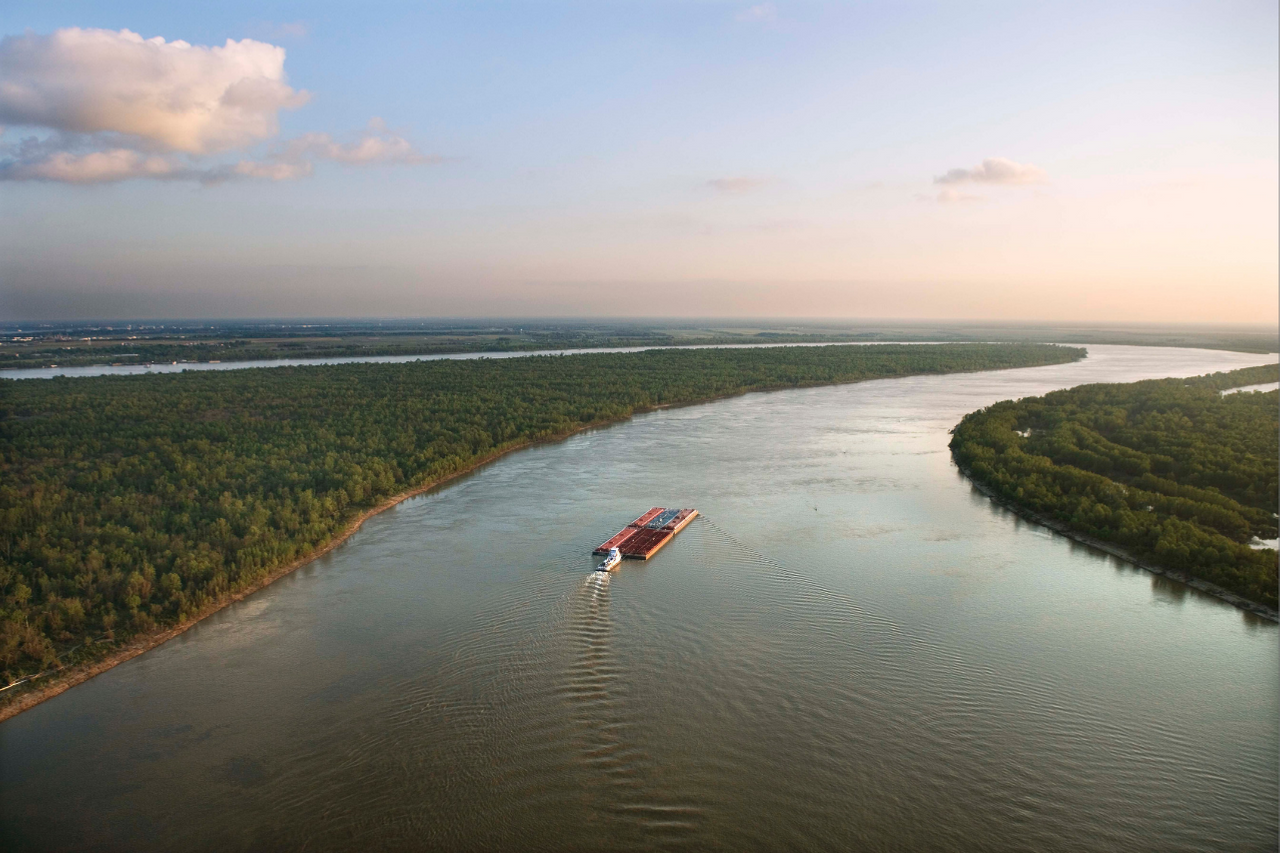
The Mississippi River is the backbone of the United States inland waterway system. Thousands of barges navigate its channels daily, transporting grain, coal, petroleum, and construction materials. This form of transportation is not only cost-effective but also incredibly energy-efficient compared to rail or road transit. By connecting the agricultural output of the Midwestern states to the massive international ports found in New Orleans, the river ensures that the bounty of the continent reaches global markets efficiently.

Industrialization and Energy
The river also supports heavy industry and power generation. Cities built along its banks, such as St. Louis and Memphis, have historically leveraged the river for manufacturing prowess and hydroelectric potential. The infrastructure required to manage the river, including a complex system of locks and dams maintained by the U.S. Army Corps of Engineers, highlights the ongoing effort to balance human industrial needs with the natural flow of the water.
A Historical and Cultural Tapestry
The importance of the Mississippi River is woven deeply into the cultural fabric of the United States. It has served as a frontier, a barrier, and a bridge throughout the centuries.
Indigenous Roots and Exploration
Long before European explorers arrived, the river was the primary highway for Indigenous nations, including the Ojibwe, Dakota, Choctaw, and Natchez. They relied on the river for food, transportation, and trade, establishing complex civilizations along its fertile banks. When European explorers like Hernando de Soto and later Louis Joliet and Jacques Marquette began to traverse its waters, the river became a focal point of imperial competition.
Cultural Identity and Literature
The river is a defining character in the American psyche. It famously provided the setting for the literary genius of Mark Twain, whose works transformed the river into a symbol of freedom, mystery, and the American spirit. From the jazz-infused streets of New Orleans to the blues heritage of the Mississippi Delta, the river has influenced music, art, and literature, creating a distinct “river culture” that continues to inspire visitors and residents alike.
Preserving the Legacy for Future Generations
The final reason the Mississippi River remains critical is the challenge it poses for the future. As a landmark of both nature and industry, it requires constant stewardship.
Challenges of Conservation
The river faces significant threats, including pollution runoff from industrial agriculture, invasive species like Asian Carp, and the impacts of climate change on water levels. Efforts to restore the wetlands of the Mississippi River Delta are crucial, as these regions act as the first line of defense against storm surges and coastal erosion. Organizations and local governments are constantly working to balance the needs of the Port of South Louisiana with the ecological health of the river.
The River as a Living Landmark
Today, the river is also a major draw for tourism. Traveling along the Great River Road, which follows the course of the river, allows travelers to witness its changing personality. Whether exploring the historical architecture of Natchez or witnessing the sheer power of the St. Anthony Falls, the river offers a profound connection to the land.
The Mississippi River is not just a body of water; it is a monumental landmark that holds the stories of the past, the productivity of the present, and the environmental health of the future. By maintaining this vital artery, society ensures that it continues to function as a source of life, commerce, and inspiration for generations to come. The river remains, as it has always been, the mighty heart of the nation.
LifeOutOfTheBox is a participant in the Amazon Services LLC Associates Program, an affiliate advertising program designed to provide a means for sites to earn advertising fees by advertising and linking to Amazon.com. Amazon, the Amazon logo, AmazonSupply, and the AmazonSupply logo are trademarks of Amazon.com, Inc. or its affiliates. As an Amazon Associate we earn affiliate commissions from qualifying purchases.