
For visitors planning a trip to Boston, understanding the local financial landscape is an essential part of a seamless travel experience. While the concept of “bank closures” might initially sound alarming, it’s a trend reflecting broader shifts in the global financial industry, impacting cities worldwide, including historic Boston. Rather than a sign of economic distress for this vibrant Massachusetts metropolis, it largely represents the ongoing evolution of banking services, moving towards digital platforms and consolidated physical footprints. For tourists, this translates into a need for awareness and simple adaptation to ensure easy access to funds and financial services throughout their stay.
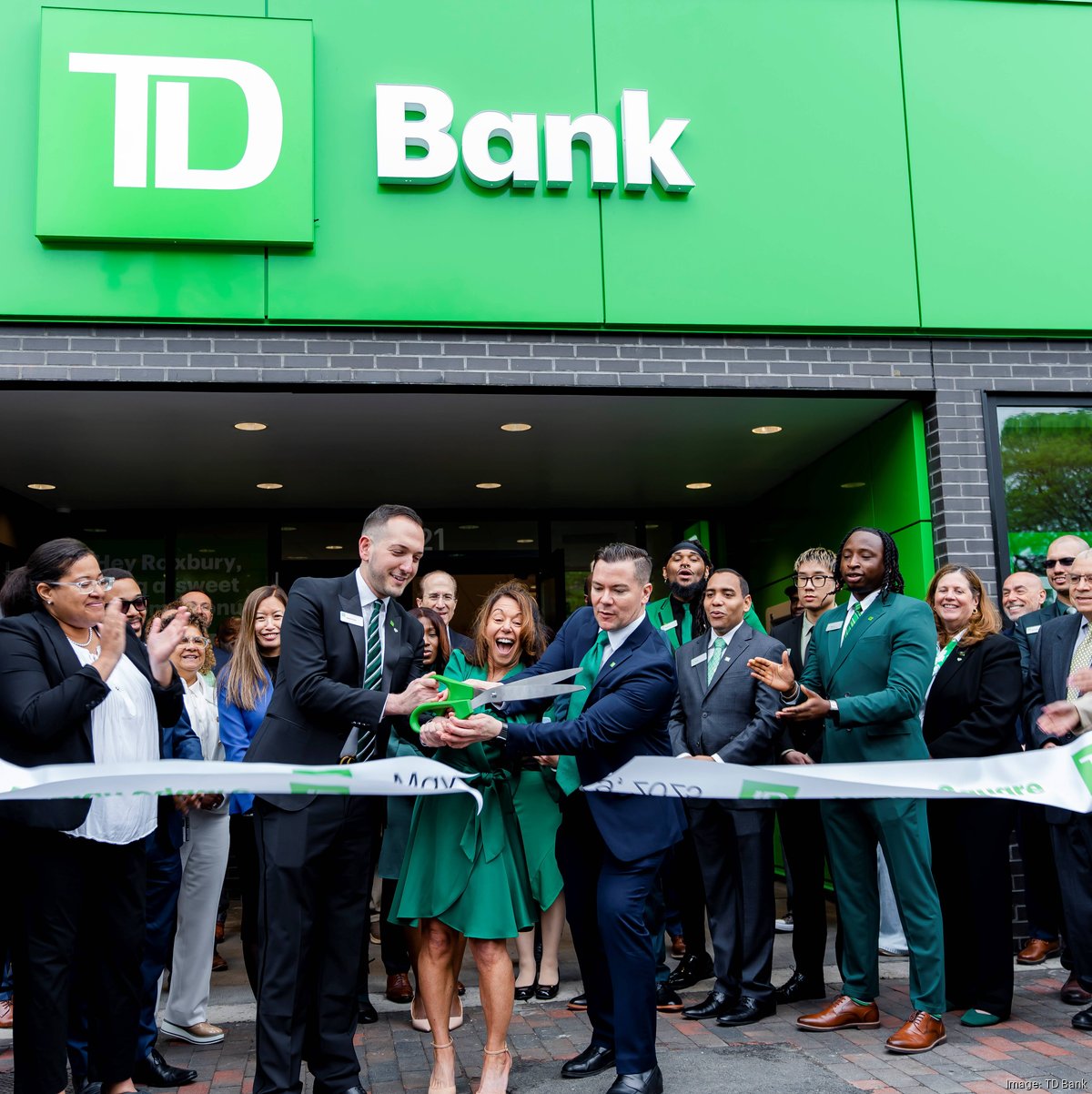
Navigating Boston’s Evolving Financial Services for Tourists
The banking sector is undergoing a significant transformation, with a notable shift away from traditional brick-and-mortar branches. This trend is driven by increased digitalization, the popularity of online and mobile banking, and a strategic consolidation by major financial institutions. Boston, a hub of innovation and commerce, is certainly part of this evolution. While specific branch closures can occur due to various reasons, including mergers, acquisitions, or simply a re-evaluation of service models, the overarching theme is a modernization that redefines how individuals, including international and domestic tourists, interact with financial services.
The Shift Away from Traditional Branches
For decades, the physical bank branch was the cornerstone of financial interaction, offering everything from cash withdrawals to foreign exchange. Today, the landscape is considerably different. Many major banks are optimizing their branch networks, leading to closures in areas with declining foot traffic or where proximity to another branch makes consolidation logical. This doesn’t necessarily mean a reduction in services, but rather a redistribution. Tourists visiting Boston will find that while some familiar bank names might have fewer physical locations than in years past, the availability of ATMs, digital payment options, and alternative financial services remains robust. This trend encourages a more digital-first approach to managing travel finances, which, in many ways, can be more convenient and secure for travelers.
Understanding Bank Presence in Key Boston Neighborhoods
While specific closure announcements fluctuate, the core financial services infrastructure in Boston’s key tourist areas remains strong. Neighborhoods like the Financial District, Back Bay, and the bustling Seaport District still host numerous bank branches and, more importantly, a high density of ATMs from various networks. Even as some banks streamline their operations, the demand for accessible cash and transactional services in a city teeming with visitors ensures that these needs are met. The key is to be informed about your own bank’s network and to understand the broader options available for cash access and payment processing.
Practical Implications for Your Boston Trip
For tourists, the main concern isn’t which specific bank branches are closing, but rather how this trend might affect their ability to manage money while exploring Boston’s rich history and vibrant culture. Fortunately, the solutions are straightforward and often offer more flexibility than relying solely on traditional banking hours.
Accessing Cash: ATMs and Cash Back Options
Despite the rise of digital payments, cash remains king for small purchases, tips, and certain local vendors. The good news for visitors is that Boston is replete with ATMs. Major bank ATMs (like those from Bank of America, Citizens Bank, TD Bank, and Santander) are widely available across the city, including within supermarkets, convenience stores, and transportation hubs. It’s advisable to use ATMs affiliated with your bank’s network (if you have one with a Boston presence) to avoid transaction fees, or those that are part of international networks like Plus or Cirrus.
Beyond dedicated ATMs, many retail establishments, especially grocery stores and pharmacies, offer “cash back” services with a debit card purchase. This can be a convenient way to get small amounts of cash without searching for an ATM, often with minimal or no fees. Preparing a small amount of U.S. dollars before you arrive, particularly if you are an international traveler, can also ease your initial days in the city.
Foreign Exchange Services: Where to Find Them
For international visitors, converting foreign currency into U.S. dollars is a common need. While traditional bank branches often provided this service, their reduced footprint means fewer dedicated foreign exchange counters. However, several reliable alternatives exist:

- Airport Exchange Bureaus: Logan International Airport typically has foreign exchange desks, though rates can sometimes be less favorable than in the city.
- Major Banks (Select Branches): Some larger, flagship branches of major banks in the Financial District or Back Bay may still offer foreign exchange services, but it’s always best to call ahead to confirm availability and current rates.
- Currency Exchange Specialists: Companies like Travelex or similar services can be found in key tourist areas, offering competitive rates.
- ATMs for Debit Card Withdrawals: Often the most convenient and cost-effective method for international travelers. Using your debit card at an ATM in Boston will dispense U.S. dollars directly, converted at interbank rates (plus any fees from your home bank or the ATM operator). Inform your bank of your travel plans beforehand to avoid any security holds on your card.
Embracing Digital Payments and Travel Cards
The most significant adaptation for tourists in Boston is the widespread acceptance and convenience of digital payments. From swiping credit cards to tapping smartphones, electronic transactions are the norm.
- Credit and Debit Cards: Visa, MasterCard, and American Express are universally accepted. Ensure your cards are enabled for international use if you are visiting from abroad and understand any foreign transaction fees.
- Mobile Wallets: Services like Apple Pay and Google Pay are widely accepted at most retailers, restaurants, and attractions, offering a secure and convenient way to pay directly from your smartphone or smartwatch.
- Travel Money Cards: Prepaid travel cards, loaded with U.S. dollars, offer a secure alternative to carrying large amounts of cash and can help manage your budget effectively. These cards can be topped up online and often come with favorable exchange rates and lower fees than traditional credit cards for international transactions.
- Peer-to-Peer Payment Apps: While less common for tourist transactions, apps like PayPal or Venmo are popular among locals for splitting bills or making quick payments, and might occasionally be useful in certain social contexts.
Planning Your Finances for a Seamless Boston Experience
Preparation is key to avoiding any financial hiccups during your Boston adventure.
Before You Arrive: Notify Your Bank and Budget Smart
- Inform Your Bank: Always notify your bank and credit card companies of your travel dates and destination (Boston, Massachusetts) to prevent your cards from being flagged for suspicious activity and temporarily frozen.
- Understand Fees: Familiarize yourself with any foreign transaction fees, ATM withdrawal fees, or daily withdrawal limits associated with your cards.
- Budgeting: Allocate a daily budget for cash and digital spending. Having a mix of payment methods – a primary credit card, a backup debit card, and some cash – is always a good strategy.
- Travel Insurance: Consider travel insurance that covers lost or stolen cards, which can provide peace of mind.
While You’re There: Safety and Convenience Tips
- Be Vigilant at ATMs: Use ATMs in well-lit, secure locations, such as inside bank lobbies, major stores, or reputable establishments. Shield your PIN when entering it.
- Keep Cards Secure: Carry only the cards you need, keep them separate from your cash, and store them in a secure place like a money belt or hotel safe when not in use.
- Emergency Contact Numbers: Keep a list of your bank’s and credit card companies’ international emergency contact numbers, separate from your wallet, in case your cards are lost or stolen.
- Utilize Hotel Services: Many hotels offer currency exchange at their front desk, though rates may not be the most competitive. They can also assist with ATM locations or other financial queries.
Beyond Banks: Boston’s Enduring Appeal for Visitors
Ultimately, concerns about bank closures should not deter anyone from experiencing the charm of Boston. The city’s financial sector, like its historic streets, is simply evolving. The core tourist experience – exploring the Freedom Trail, browsing Faneuil Hall Marketplace, admiring art at the Museum of Fine Arts or the Isabella Stewart Gardner Museum, catching a game at Fenway Park, or strolling through the campuses of Harvard University and MIT – remains as vibrant and accessible as ever.
A City Rich in Culture and Attractions
Boston is a city where history meets innovation, offering a plethora of attractions that cater to every interest. From the revolutionary war sites to picturesque walks along the Charles River and through the Public Garden, its appeal is timeless. The financial infrastructure, while changing, continues to support this thriving urban environment.
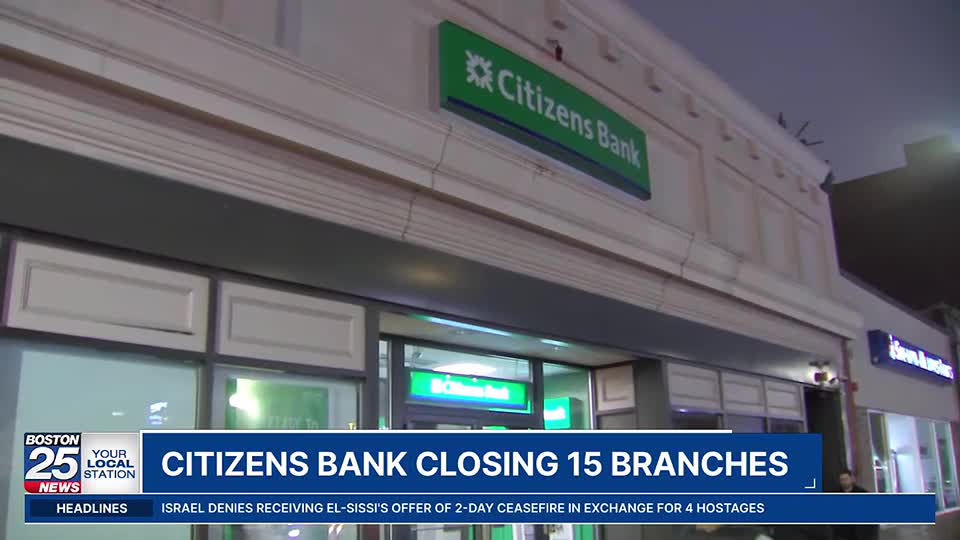
Modern Conveniences Amidst Historical Charm
The trend of bank consolidations and the rise of digital payments are simply modern conveniences integrating into Boston’s historical fabric. They reflect a city that is constantly adapting and innovating, ensuring that visitors have a comfortable, efficient, and memorable stay. By being aware and planning ahead, tourists can confidently manage their finances and fully immerse themselves in everything this incredible city has to offer, without a single worry about finding a bank branch.
LifeOutOfTheBox is a participant in the Amazon Services LLC Associates Program, an affiliate advertising program designed to provide a means for sites to earn advertising fees by advertising and linking to Amazon.com. Amazon, the Amazon logo, AmazonSupply, and the AmazonSupply logo are trademarks of Amazon.com, Inc. or its affiliates. As an Amazon Associate we earn affiliate commissions from qualifying purchases.