
For visitors exploring the vibrant landscapes and rich culture of Arizona, encountering the United States flag flying at half-staff can spark curiosity. It’s a powerful visual signal, often prompting questions about its meaning and the specific circumstances behind such an observance. Understanding this aspect of civic life offers a deeper appreciation for the local culture, values, and ongoing events that shape the communities within the Grand Canyon State. This guide delves into the significance of flags flown at half-mast, how to discern the reasons behind such an order in Arizona, and what it reveals about the state’s unique character.
Understanding Flag Etiquette in the United States
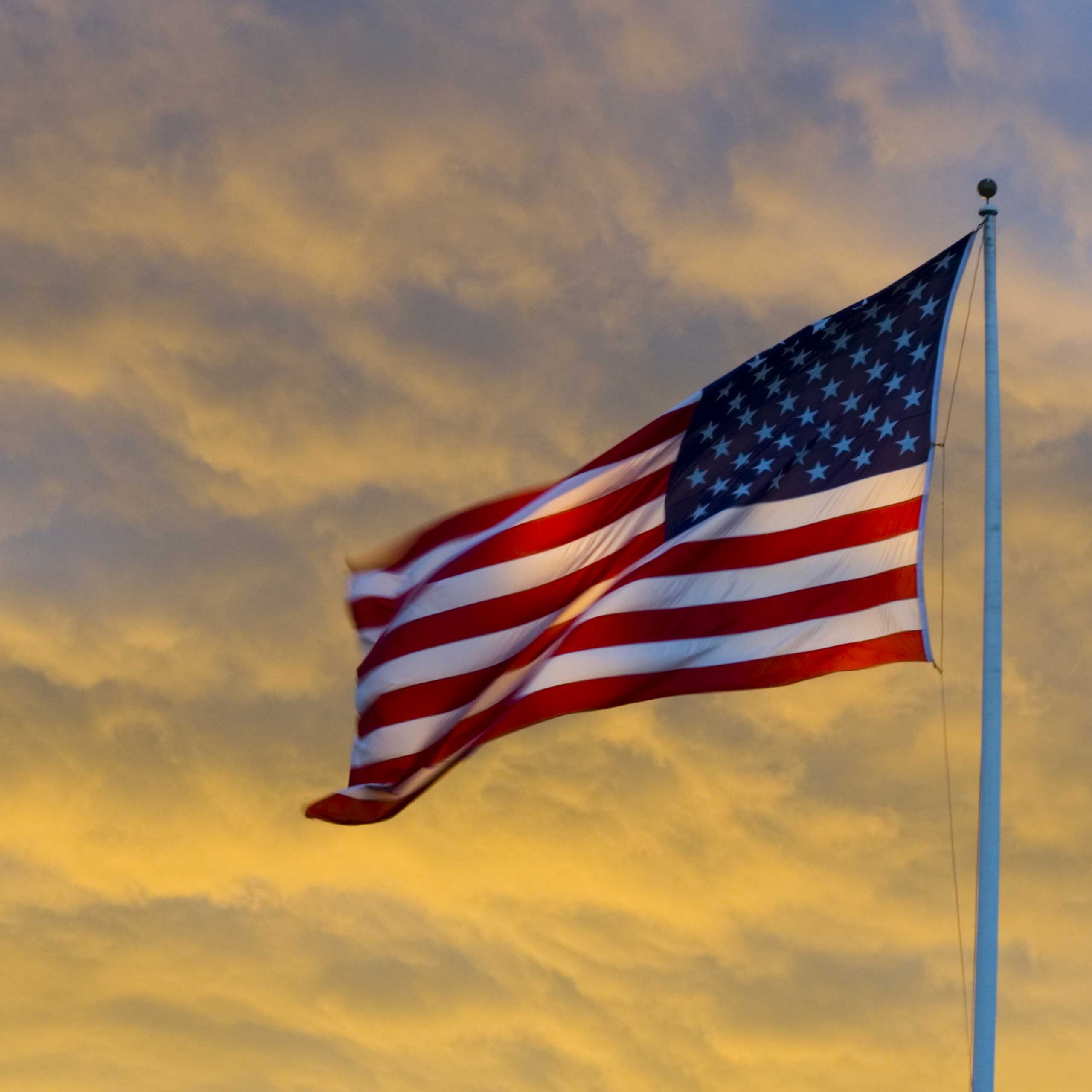
The practice of lowering the national flag to half-staff is a time-honored tradition signifying mourning, respect, or solemn commemoration. While the sight might be unfamiliar to international visitors, it carries profound weight within the United States, reflecting a collective sentiment of grief, remembrance, or tribute. For those experiencing Arizona, recognizing this symbolism provides valuable insight into the rhythm of local life and the significant moments that bring communities together in shared reflection.
The Symbolism of Half-Staff
When a flag is flown at half-staff (or half-mast, though technically “half-mast” refers to ships), it is done as a sign of respect, mourning, or distress. It signifies that the nation, or a particular state or community, is in a period of sorrow or remembrance. This visual cue transcends language barriers, conveying a somber mood and an acknowledgment of loss or significant historical events. It is a moment for pause, a silent tribute to individuals, groups, or occurrences that have deeply impacted the fabric of society. For tourists, it represents an opportunity to connect with the local populace on a deeper emotional level, understanding what is important to the people of Arizona.
Presidential and Gubernatorial Proclamations
The authority to order flags to half-staff rests primarily with the President of the United States for national observances, and with the Governor of Arizona for state-specific events or tragedies. Presidential proclamations apply nationwide, ensuring a unified display of mourning or honor across all states and territories. These typically relate to the passing of former presidents, national tragedies, or significant national days of remembrance.
Conversely, the Governor of Arizona has the authority to issue similar directives for events or individuals impacting the state specifically. This could include the death of a prominent Arizona official, a local tragedy, or a significant loss within the state’s communities. These gubernatorial orders are crucial for understanding why flags might be at half-staff solely within Arizona, even if there is no national directive. Being aware of these distinct levels of authority helps visitors decipher the scope and reason behind the observance they witness.
Common Reasons for Half-Staff Orders in Arizona
Arizona, like any other state, participates in both national days of remembrance and initiates its own observances based on local events. For those exploring Arizona’s diverse attractions, from the vibrant arts scene in Scottsdale to the natural wonders of the Grand Canyon, encountering flags at half-staff can be a common occurrence. Knowing the typical triggers for such proclamations enhances a visitor’s understanding of the state’s historical context and its community values.
National Days of Remembrance
Several national days are designated for flying the flag at half-staff across the United States, including Arizona. These include:
- Peace Officers Memorial Day (May 15th): Honors local, state, and federal law enforcement officers who have died or been disabled in the line of duty.
- Memorial Day (last Monday in May): Observed until noon, in honor of those who died while serving in the U.S. military.
- Patriot Day (September 11th): A day of remembrance for the victims of the 2001 terrorist attacks.
- Pearl Harbor Remembrance Day (December 7th): Commemorates those who died in the attack on Pearl Harbor.
These dates are fixed, and flags in Arizona will always be lowered in observance, providing a consistent reason for tourists to note this civic practice. They represent shared national grief and respect that unites all corners of the country.
Passing of Prominent Figures
One of the most frequent reasons for flags to be lowered, both nationally and within Arizona, is the passing of significant public figures. Nationally, this includes current or former presidents, vice presidents, members of Congress, Supreme Court justices, and high-ranking government officials. The President of the United States typically issues a proclamation in these instances, with flags remaining at half-staff for a specified period.
Within Arizona, the Governor of Arizona often orders flags to be lowered following the death of state officials, such as a sitting or former governor, a U.S. Senator from Arizona, a state legislator, a member of the state’s judiciary, or other individuals who have made substantial contributions to the state. These localized observances highlight the state’s respect for its leaders and public servants, offering a window into the political and social landscape for curious visitors.
Tragic Events and Public Mourning
Beyond individuals, flags are frequently lowered in response to tragic events, both national and local, that result in significant loss of life or profound community impact. These can include mass casualty incidents, devastating natural disasters, or other occurrences that necessitate a collective expression of grief and solidarity. For instance, following the tragic Yarnell Hill Fire in 2013, which claimed the lives of 19 Hotshot firefighters, flags across Arizona were flown at half-staff for an extended period, reflecting the profound sorrow felt statewide. Similarly, the Tucson shooting in 2011, which critically injured Congresswoman Gabrielle Giffords and resulted in multiple fatalities, prompted widespread mourning and a half-staff order. Such events are deeply ingrained in the state’s recent history, and understanding these somber markers allows tourists to appreciate the resilience and compassion of Arizona’s communities.
How Tourists Can Stay Informed in Arizona
For visitors keen on understanding the cultural nuances and real-time pulse of Arizona, knowing where to find information about flag observances is key. While the visual of a lowered flag is powerful, the story behind it offers deeper insight into the local community. Staying informed allows you to respectfully acknowledge these moments and engage more fully with the state’s spirit.

Official State Resources
The most reliable source for information regarding flag status in Arizona is the Governor’s Office website. Official proclamations are typically posted promptly, detailing the reason for the half-staff order, the individuals or events being honored, and the duration of the observance. Many state agencies and local government websites, such as those for the City of Phoenix or City of Tucson, will also share these official directives. Checking these resources provides direct, authoritative information without speculation.
Local News Outlets
Local news organizations in Arizona are usually quick to report on half-staff orders, often providing additional context or details about the individuals or events being honored. Major newspapers like the Arizona Republic, as well as local television stations such as KPNX (Channel 12 News) or AZFamily (KTVK 3TV & KPHO CBS 5), are excellent sources. Their coverage often includes interviews, historical background, and community reactions, offering a more comprehensive understanding for visitors. Keeping an eye on these local media channels, either online or via broadcast, can provide real-time updates and deeper insights into the state’s current events.
Understanding the Community Vibe
Beyond official announcements, observing how local businesses, schools, and residents react to such observances can provide a deeper sense of Arizona’s community spirit. Flags at half-staff are not merely a formality; they reflect a collective moment of pause and respect. Engaging in quiet contemplation, visiting a local memorial, or simply observing the demeanor of the locals can offer profound insight into the values and resilience of the people of Arizona. This cultural sensitivity enriches the travel experience, moving beyond mere sightseeing to genuine connection with the destination.
Arizona’s Unique Spirit and Commemorative Practices
Arizona’s identity is shaped by its diverse history, its natural beauty, and the strong community bonds forged by both triumphs and adversities. The reasons for flags being flown at half-staff often reflect these unique facets, offering tourists a deeper understanding of the state’s character and what its residents hold dear.
Respect for Service Members and Veterans
Arizona has a profound respect for its military personnel and veterans, a sentiment deeply embedded in its cultural fabric. The state is home to significant military installations, such as Davis-Monthan Air Force Base in Tucson and Luke Air Force Base near Glendale, and boasts a large veteran population. Consequently, many half-staff orders relate to honoring fallen service members, either those from Arizona who died in combat, or those passing away after a lifetime of service. Observing these commemorations highlights the state’s commitment to honoring sacrifice and its deep connection to national defense.
Honoring First Responders
Given Arizona’s challenging terrain and climate, which includes frequent wildfires and intense search and rescue operations, the state places immense value on its first responders. Firefighters, law enforcement officers from agencies like the Arizona Department of Public Safety, and emergency medical personnel often face dangerous conditions. When a first responder dies in the line of duty, the Governor of Arizona almost invariably orders flags to half-staff as a mark of respect and collective grief. These moments underscore the heroism and sacrifices made to keep communities safe, and offer tourists a glimpse into the everyday courage prevalent in the state.
Reflecting on Historical Significance
Beyond individual losses, Arizona’s commemorative practices also reflect on historical significance, particularly events that have profoundly shaped its narrative. Whether it’s the remembrance of major natural disasters, significant industrial accidents, or moments of profound social change, the act of lowering the flag serves as a public acknowledgment of the past’s impact on the present. For visitors interested in the depth of Arizona’s story, these flag observances offer a solemn reminder that the state’s identity is continually being woven from threads of both joy and sorrow, progress and loss. Engaging with these historical connections provides a richer, more nuanced understanding of the destination.
Experiencing Arizona Respectfully
A truly enriching travel experience goes beyond simply visiting popular sites; it involves understanding and respecting the local culture, customs, and the ebb and flow of community life. When in Arizona, observing the flag at half-staff is an invitation to pause, reflect, and appreciate the deeper layers of the state’s character.
Observing Local Customs
Being aware of local customs and civic observances is a hallmark of a thoughtful traveler. When you see flags at half-staff, a momentary pause, a silent acknowledgment, or even a brief search for information about the reason behind it demonstrates respect for the local community’s sentiments. This simple act of awareness helps visitors integrate more seamlessly into the local environment, fostering a more authentic and meaningful interaction with the destination. It’s an opportunity to learn about what moves the people of Arizona and to share in their collective moments of remembrance or honor.
Engaging with the Community
For tourists interested in a deeper dive into Arizona’s culture and history, engaging with locals, visiting cultural institutions, and exploring historical sites can provide invaluable context. Museums like the Heard Museum in Phoenix, which showcases Native American art and culture, or the Arizona State Museum in Tucson, focused on the anthropology of the U.S. Southwest, offer profound insights into the state’s heritage. Discussions with residents about local history or community events can also illuminate the significance of civic observances, making your visit not just visually stimulating but intellectually and emotionally engaging.

A Deeper Understanding of Place
Ultimately, understanding why the flag flies at half-mast in Arizona is about gaining a deeper understanding of the place itself. It’s a subtle yet powerful reminder that travel is not just about scenic vistas or thrilling adventures, but also about connecting with the human experience in a new setting. These moments of collective remembrance or honor reveal the values, resilience, and heart of [Arizona](https://lifeoutofthebox.com/arizona]’s people, enriching your journey with an appreciation for the depth and complexity of the communities you visit. It transforms a simple observation into a meaningful cultural encounter, enhancing your overall tourism experience far beyond the surface.
LifeOutOfTheBox is a participant in the Amazon Services LLC Associates Program, an affiliate advertising program designed to provide a means for sites to earn advertising fees by advertising and linking to Amazon.com. Amazon, the Amazon logo, AmazonSupply, and the AmazonSupply logo are trademarks of Amazon.com, Inc. or its affiliates. As an Amazon Associate we earn affiliate commissions from qualifying purchases.