
California beckons millions of travelers each year with its iconic coastline, stretching over 840 miles from dramatic cliffs in the north to sun-drenched sands in the south. The allure of its beaches—for surfing, swimming, sunbathing, or simply strolling—is undeniable. However, beneath the golden glow and crashing waves, an invisible threat occasionally looms: water contamination. For any traveler planning a coastal getaway, understanding where and why certain beaches might be contaminated is paramount to ensuring a safe and enjoyable experience. This guide delves into the realities of California’s beach water quality, equipping you with the knowledge to make informed decisions about your aquatic adventures.

Understanding Beach Contamination and Its Sources
Beach contamination refers to the presence of harmful bacteria, viruses, or chemical pollutants in recreational waters, making them unsafe for human contact. While the vast majority of California’s beaches boast excellent water quality, localized and temporary issues can arise, often linked to human activity and natural phenomena.
Common Sources of Pollution
The primary culprits behind beach water contamination are often related to urban and agricultural runoff, especially exacerbated by rainfall:
- Stormwater Runoff: This is arguably the most significant source of pollution. When it rains, water flows over streets, sidewalks, and land, picking up everything from pet waste, fertilizers, pesticides, and oil to trash and debris. This polluted runoff then drains into storm drains, which typically empty directly into the ocean or bay without treatment.
- Sewage Spills: Malfunctions, breaks, or overflows in sewer systems can release untreated or partially treated wastewater directly into waterways that lead to the ocean. Though less frequent, these events can cause severe contamination.
- Agricultural Runoff: In coastal agricultural areas, runoff can carry pesticides, herbicides, and animal waste into nearby rivers and streams, eventually reaching the ocean.
- Industrial Discharge: While heavily regulated, accidental discharges or historical contamination from industrial sites can impact water quality in certain areas.
- Boating and Shipping Activities: Waste from boats, including fuel, lubricants, and sewage, can contribute to localized contamination, especially in marinas and enclosed bays.
- Natural Factors: Avian waste from large bird populations can also contribute to bacterial levels, particularly in enclosed water bodies or areas with high bird traffic.
Health Risks Associated with Contaminated Water
Exposure to contaminated water can lead to a range of health issues, with symptoms often mirroring those of food poisoning or flu. These can include:
- Gastrointestinal Illnesses: Nausea, vomiting, diarrhea, and stomach cramps are common.
- Skin Rashes and Infections: Contact with contaminated water can cause dermatitis or infections if there are cuts or open wounds.
- Respiratory Problems: Breathing in aerosols from contaminated water can lead to respiratory infections.
- Eye and Ear Infections: Swimmers are particularly susceptible to these.
Children, the elderly, and individuals with weakened immune systems are most vulnerable to these health risks.
Navigating California’s Beach Water Quality Advisories
To safeguard public health, California employs robust monitoring programs. These programs are essential tools for travelers, providing real-time information to avoid potentially unsafe waters.
How Water Quality Monitoring and Advisories Work
Local public health departments, often in partnership with environmental organizations, regularly collect water samples from popular beaches. These samples are analyzed for indicator bacteria, such as total coliform, fecal coliform, and Enterococcus. While these bacteria themselves may not be harmful, their presence indicates the potential presence of pathogens from human or animal waste.
Based on bacterial levels, beaches are issued advisories or warnings:
- Advisories: These typically recommend avoiding contact with the water due to elevated bacterial levels, often after heavy rainfall.
- Warnings/Closures: In cases of severe contamination (e.g., major sewage spills), beaches may be temporarily closed to swimming and water contact activities until water quality improves.
It’s crucial to understand that conditions can change rapidly, especially after rain. A beach deemed clean one day might have an advisory the next.
Where to Find Up-to-Date Information

Staying informed is your best defense. Several reliable sources provide current water quality data for California beaches:
- Heal the Bay’s Beach Report Card: This invaluable resource provides weekly water quality grades (A to F) for hundreds of California beaches. It’s an excellent tool for travelers, offering a quick overview of general water quality trends and specific alerts. Heal the Bay also issues a “Beach Bummer List” for consistently poor-performing beaches.
- County Public Health Websites: Most coastal counties operate their own water quality monitoring programs and publish results directly. Examples include the Los Angeles County Public Health website and the Orange County Health Care Agency website, which provide detailed, localized information.
- California State Water Resources Control Board: The California State Water Resources Control Board oversees statewide water quality programs and provides general information and resources.
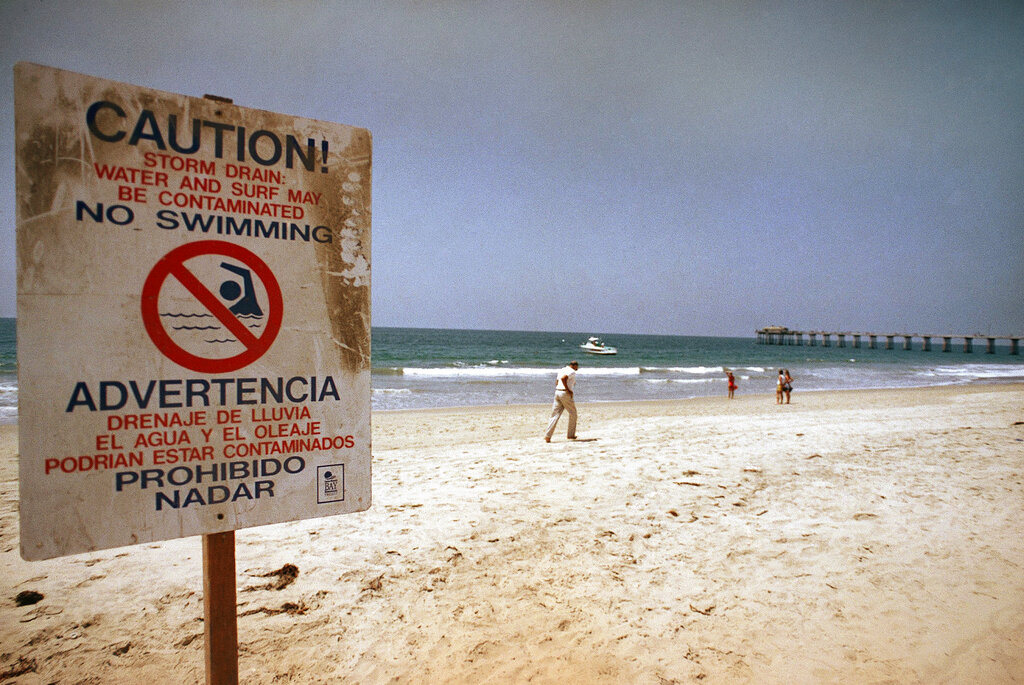
- On-Site Signage: Always look for warning signs posted at beach entrances or near lifeguard stations. These signs are official notifications of water quality issues.
Identifying Areas of Concern: Specific Regions and Beaches
While water quality is dynamic, some areas in California historically experience more frequent or persistent contamination issues, largely due to their proximity to urban centers, river mouths, or storm drains. It’s important to reiterate that “contaminated” often means potentially unsafe due to elevated bacteria levels, particularly after rainfall, rather than being perpetually hazardous.
Southern California
Southern California, with its dense population and numerous coastal cities, often sees the highest number of beach advisories, especially after winter rains.
- Los Angeles County:
- Santa Monica Bay (near storm drains): Beaches within the urbanized stretches of Santa Monica Bay, particularly near the mouths of major storm drains or urban creeks, frequently appear on advisory lists after significant rainfall. This includes areas around the Santa Monica Pier and other highly trafficked zones.
- Malibu Lagoon: Due to its unique hydrological conditions and the influence of the Malibu Lagoon and creek, this area can experience elevated bacteria levels, especially when the lagoon opens to the ocean.
- Mother’s Beach (Marina del Rey): As an enclosed harbor beach, Mother’s Beach often has poorer water circulation, making it susceptible to higher bacteria counts, particularly during summer.
- Orange County:
- Huntington Beach (near piers and rivermouths): Sections of Huntington Beach, particularly near the pier and the mouth of the Santa Ana River, can have advisories after rain events.
- Laguna Beach (specific coves): While known for its pristine waters, certain smaller coves or beaches in Laguna Beach near storm drains can face temporary advisories.
- San Diego County:
- Tijuana Slough and Border Region: Beaches immediately north of the U.S.-Mexico border, particularly in the Tijuana Slough National Estuarine Research Reserve and Imperial Beach, face persistent contamination issues due to transboundary sewage flows from Tijuana, Mexico. These issues can lead to frequent and prolonged advisories or closures.
- Mission Bay: Similar to Marina del Rey’s Mother’s Beach, the enclosed nature of Mission Bay can lead to poorer water circulation and localized bacterial hot spots, especially during warmer months.
Central Coast
The Central Coast generally enjoys better water quality than Southern California’s more densely populated areas, but localized issues can still occur.
- Santa Barbara County:
- Leadbetter Beach: Near the harbor and affected by urban runoff, Leadbetter Beach can occasionally see elevated bacterial levels after heavy rains.
- Ventura County: Beaches near the mouths of major rivers like the Ventura River or Santa Clara River can experience temporary contamination after significant rainfall.
- Santa Cruz County: While popular, beaches in Santa Cruz County near urban drainages can sometimes have advisories.
Northern California
Northern California beaches, often characterized by cooler waters and more rugged coastlines, typically have fewer contamination issues for direct water contact activities compared to the south. However, urban runoff remains a concern, particularly in the San Francisco Bay Area.
- San Francisco Bay Area: While Pacific Ocean beaches (Ocean Beach in San Francisco, for example) are generally good for water contact, inner San Francisco Bay beaches can occasionally have advisories due to urban runoff and limited tidal flushing.
- San Mateo County: Similar to Santa Cruz County, some beaches near urban areas might have intermittent issues.
It is critical to remember that these are areas with a higher propensity for contamination, not a guarantee of perpetual danger. Conditions are ever-changing, and checking current reports is the only definitive way to know a beach’s status.
Tips for Safe Beach Visits in California
Armed with knowledge about potential contamination, travelers can confidently plan their California beach experiences.
- Check Water Quality Reports: Before heading to the beach, always consult Heal the Bay’s Beach Report Card or your chosen county’s public health website for the latest water quality information.
- Avoid Swimming After Rain: A general rule of thumb in California is to avoid swimming in ocean water for at least 72 hours after significant rainfall. Runoff carries pollutants directly into the ocean, elevating bacterial levels.
- Steer Clear of Storm Drains and River Mouths: Even on dry days, areas immediately adjacent to storm drains, creeks, rivers, and piers tend to have higher concentrations of bacteria.
- Look for Warning Signs: Heed any posted advisory or closure signs. These are put up for your safety.
- Observe Water Conditions: Avoid water that appears discolored, murky, or has an unusual odor. These can be indicators of pollution.
- Shower After Swimming: Always rinse off thoroughly with clean water after exiting the ocean to remove any lingering bacteria or irritants.
- Do Not Swallow Beach Water: Minimize accidental ingestion of ocean water, especially when swimming or playing in the waves.
- Report Pollution: If you witness a sewage spill, unusual discharge, or significant debris, report it to the local lifeguard or county health department.
The Future of California’s Beach Health
Efforts to improve and maintain the excellent water quality of California’s beaches are ongoing. State and local agencies continuously invest in infrastructure upgrades, such as improving wastewater treatment plants and storm drain systems to filter runoff. Environmental organizations like Heal the Bay and the Surfrider Foundation play a crucial role in advocating for cleaner oceans, conducting monitoring, and educating the public.
For travelers, understanding the delicate balance of coastal ecosystems and making responsible choices when visiting California’s beaches contributes significantly to their preservation. By staying informed and practicing safe beach habits, you can ensure your California coastal adventure remains both breathtaking and healthy.
LifeOutOfTheBox is a participant in the Amazon Services LLC Associates Program, an affiliate advertising program designed to provide a means for sites to earn advertising fees by advertising and linking to Amazon.com. Amazon, the Amazon logo, AmazonSupply, and the AmazonSupply logo are trademarks of Amazon.com, Inc. or its affiliates. As an Amazon Associate we earn affiliate commissions from qualifying purchases.