
Navigating the complexities of debt collection and the legal frameworks that govern it is a significant concern for many individuals. In California, like other jurisdictions, a statute of limitations exists for the collection of debts. This legal time limit dictates how long a creditor or debt collector has to file a lawsuit to recover a debt. However, certain actions can inadvertently “restart” this clock, effectively extending the period during which a debt can be legally pursued. Understanding what actions can restart the debt statute of limitations in California is crucial for consumers to protect their rights and manage their financial obligations effectively.
Understanding The Debt Statute Of Limitations In California
The California statute of limitations for debt varies depending on the type of debt. Generally, for written contracts, the statute of limitations is four years from the date the debt becomes due. For oral contracts, it’s two years. Credit card debt, being a written agreement, typically falls under the four-year limit. This means that after four years from the date of the last payment or when the debt was acknowledged as due, a creditor can no longer sue the debtor to collect. However, this limitation period is not always straightforward and can be affected by specific actions.
Types of Debts and Their Statutes of Limitations
- Written Contracts: This includes most credit card agreements, personal loans, and other formalized debt instruments. The statute of limitations is four years from the date of default or the last payment.
- Oral Contracts: Less common for consumer debt, but if a debt was agreed upon verbally, the statute of limitations is two years from the date it became due.
- Promissory Notes: These are written promises to pay a specific sum of money, and they typically fall under the four-year statute of limitations for written contracts.
- Judgments: If a creditor has already obtained a court judgment against you, the statute of limitations for enforcing that judgment is much longer, typically 10 years, and can be renewed.
It is important to note that the date the statute of limitations begins to run is usually the date of default on the debt, not necessarily the date the account was opened or the last transaction occurred. However, the critical factor is what actions can reset this countdown.
Actions That Can Restart The Statute Of Limitations
Several actions by a debtor can be interpreted by the courts as an acknowledgment of the debt or a promise to pay, thereby restarting the statute of limitations. These are often referred to as “revival” or “acknowledgment” provisions. Vigilance and careful consideration of any interaction with creditors or debt collectors are paramount.
Making A Payment
One of the most common ways the statute of limitations can be restarted is by making a payment on the debt. Even a small payment, if made voluntarily and with the intent to acknowledge the debt, can reset the clock. This applies to both principal and interest payments. For example, if a credit card debt is four years old, and you make a payment of $10 on it, the statute of limitations would typically restart from the date of that $10 payment. This effectively gives the creditor another four years from that new payment date to sue you for the remaining balance.
Acknowledging The Debt In Writing
Beyond making a payment, explicitly acknowledging the debt in writing can also restart the statute of limitations. This can occur in various forms. For instance, if you send a letter to a creditor or debt collector stating, “I acknowledge I owe this debt and plan to pay it,” this could be considered a written acknowledgment. This is why it is often advised to be very cautious in any written communication with creditors or collection agencies. It’s generally recommended to communicate via certified mail and to be very measured in your language. Avoid making any statements that could be construed as an admission of liability or a commitment to pay.
Acknowledging The Debt Verbally
While written acknowledgments are generally more straightforward to prove in court, a verbal acknowledgment can also, under certain circumstances, restart the statute of limitations in California. This is more difficult for a creditor to prove, as it relies on the testimony of witnesses or the debtor themselves. However, if a debtor verbally admits to owing the debt to a creditor or debt collector, and this admission can be credibly substantiated (e.g., if the conversation was recorded with consent, or if there were witnesses), a court might rule that the statute of limitations has been restarted. This underscores the importance of being mindful of all communications, not just written ones.
Acknowledging The Debt Through Other Means
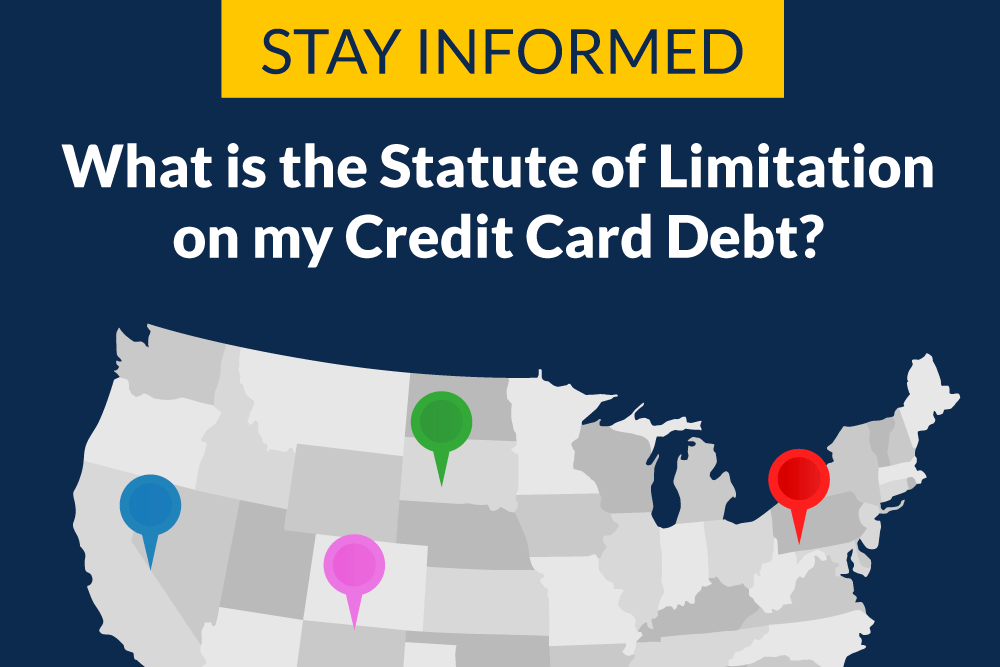
Beyond direct payments or explicit acknowledgments, certain other actions might be interpreted as restarting the statute of limitations, depending on the specific circumstances and judicial interpretation. This could include making a new promise to pay the debt, or entering into a new payment arrangement or settlement agreement with the creditor. These actions demonstrate an intent to honor the debt, even if the original obligation is past its statutory deadline for legal action. It is always best to consult with a legal professional before taking any action that might affect the statute of limitations on your debts.
Why It Matters To Be Aware Of These Actions
The implications of restarting the debt statute of limitations are significant. If the clock is reset, a debt that was previously uncollectible through legal means can become actionable again. This means a creditor or debt collector can file a lawsuit, potentially leading to a judgment against you, wage garnishment, or bank levies. For consumers who believed they were free from the threat of legal action on an old debt, this can be a distressing revelation.
Protection From Lawsuits
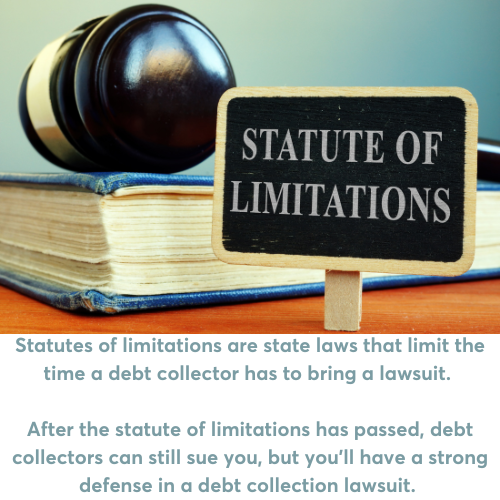
The statute of limitations is a critical protection for consumers. It provides a degree of finality for debts and prevents creditors from perpetually threatening legal action. Once the statute of limitations has expired and has not been restarted, a creditor’s only recourse is to attempt to collect through non-legal means, such as sending collection letters or making phone calls. They cannot win a lawsuit against you.
Preventing Further Financial Harm
If a creditor successfully sues you for a debt whose statute of limitations has expired, and you haven’t restarted it, they can obtain a court judgment. This judgment can have serious consequences for your financial well-being. It can be used to garnish your wages, levy your bank accounts, or place a lien on your property. By understanding what restarts the statute of limitations, consumers can avoid inadvertently triggering these severe legal repercussions.
Informed Decision-Making
Knowledge is power when it comes to managing debt. Understanding what actions can reset the statute of limitations empowers you to make informed decisions about how you interact with creditors and debt collectors. It allows you to assess the risks associated with making payments, discussing your debt, or entering into any agreements.
What To Do If You’re Unsure
If you are uncertain about the status of a debt or whether the statute of limitations has expired or has been restarted, seeking professional legal advice is highly recommended. Debt and consumer protection laws are complex and vary by jurisdiction.
Consult With A Consumer Protection Attorney
A qualified attorney specializing in consumer debt and protection law can review your specific situation, explain your rights, and advise you on the best course of action. They can help you understand the statute of limitations for your particular debts and advise you on how to communicate with creditors and collectors without jeopardizing your legal protections. Many offer initial consultations for free or at a reduced rate.
Review Your Debt Records
Keep meticulous records of all your debts, including account numbers, original creditor names, dates of last payment, and any communication you’ve had with creditors or debt collectors. This documentation is invaluable when trying to determine the statute of limitations and whether it has been restarted.
Be Cautious With Communication
When dealing with old debts, always err on the side of caution. Avoid making payments unless you are fully aware of the implications. Do not make written or verbal admissions of debt unless advised to do so by legal counsel. Your primary goal should be to protect yourself from legal action, and understanding what restarts the statute of limitations is a fundamental step in achieving that goal in California.
LifeOutOfTheBox is a participant in the Amazon Services LLC Associates Program, an affiliate advertising program designed to provide a means for sites to earn advertising fees by advertising and linking to Amazon.com. Amazon, the Amazon logo, AmazonSupply, and the AmazonSupply logo are trademarks of Amazon.com, Inc. or its affiliates. As an Amazon Associate we earn affiliate commissions from qualifying purchases.