
California, a state celebrated for its vibrant culture, diverse landscapes, and innovative spirit, also provides essential support to many of its residents through the Electronic Benefits Transfer (EBT) system. While EBT is fundamentally a critical lifeline for individuals and families, understanding its scope offers unique insights into the local economy, food landscape, and the daily lives of communities across the Golden State. For those seeking a deeper appreciation of California beyond its famed attractions, exploring how EBT shapes local food access provides a distinct perspective on the state’s social fabric and culinary realities. This exploration delves into the practicalities of EBT usage, revealing the vast array of food options and the local establishments that support this vital program, thereby enriching one’s understanding of California’s everyday rhythms.
Navigating California’s Food Landscape with EBT
The primary function of EBT in California is to facilitate the purchase of nutritious food items, ensuring that eligible residents have access to essential sustenance. This system integrates seamlessly into the state’s extensive retail infrastructure, from sprawling supermarkets to local corner stores, making food access a fundamental part of the community experience. For an insightful look into the local culture, understanding where and how residents acquire their daily provisions through EBT offers a unique lens.
Essential Groceries and Approved Items
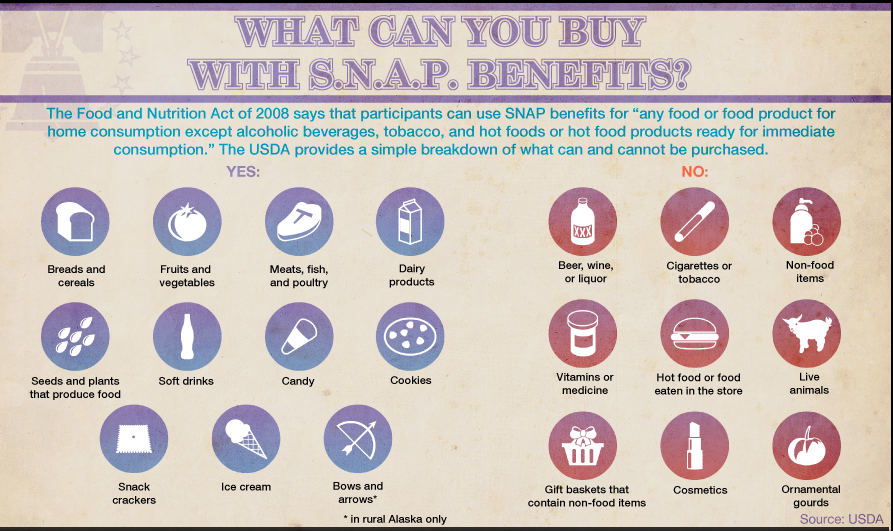
EBT cards, specifically those carrying Supplemental Nutrition Assistance Program (SNAP) benefits, are designed to cover the vast majority of food items available in grocery stores. This includes fruits, vegetables, meat, poultry, fish, dairy products, breads, cereals, and other staple foods that form the bedrock of a healthy diet. Beverages like non-alcoholic drinks and even snack foods are generally permissible. The focus is overwhelmingly on items intended for home preparation and consumption.
However, certain categories are explicitly excluded. Hot, prepared foods ready for immediate consumption are typically not covered, nor are alcoholic beverages, tobacco products, vitamins, medicines, and non-food items such as pet food, household supplies, or cleaning products. Understanding these distinctions is crucial for both recipients and those interested in the operational mechanics of local food systems. The ability to purchase fresh produce and quality ingredients empowers residents to engage with California’s rich agricultural bounty, supporting local farms and fostering a culture of home-cooked meals. This forms an integral, if often overlooked, aspect of the state’s “food tourism,” showcasing how residents interact with their local food sources daily.
Exploring Local Food Retailers
Across California, a wide spectrum of retailers accepts EBT. Major supermarket chains like Safeway, Ralphs, Vons, Albertsons, and Grocery Outlet are foundational partners, offering extensive selections. Discount retailers like Target and Walmart also prominently feature EBT card readers, ensuring broad accessibility. Even specialty stores and markets catering to specific dietary needs or cultural cuisines often participate, reflecting California’s incredible diversity.
Exploring these varied retail environments provides a real-world perspective on how different communities access food. From a bustling Los Angeles supermarket to a smaller independent grocer in a rural town, the ubiquitous acceptance of EBT cards highlights the state’s commitment to food security. This widespread integration means that EBT users can participate in the same local shopping experiences as other residents, accessing fresh produce from the Central Valley or specialty ingredients unique to San Francisco’s vibrant neighborhoods.
Beyond Staple Goods: Nutritional Tourism
While the core of EBT usage lies in acquiring essential groceries, the program extends its reach into specialized avenues that further connect residents with California’s unique agricultural offerings and nutritional initiatives. Understanding these facets provides deeper insight into the state’s approach to public health and local economies.
Farmers’ Markets and Fresh Produce Access
A particularly enriching aspect of EBT in California is its acceptance at many farmers’ markets. This initiative not only grants EBT users access to incredibly fresh, locally sourced fruits, vegetables, and other farm products but also strengthens local agricultural economies. Programs like Market Match often allow EBT users to double their buying power at participating markets, offering a dollar-for-dollar match on their EBT spending for fresh produce. This means a family might receive an additional $10 to spend on fruits and vegetables when they spend $10 of their EBT benefits.
Visiting a California farmers’ market, such as the renowned Santa Monica Farmers Market or the diverse markets of Sacramento, is an immersive cultural experience in itself. Observing EBT cards being used alongside cash and credit cards underscores the equitable access to high-quality, seasonal produce directly from the growers. This direct farm-to-consumer interaction not only provides healthier food options but also fosters a sense of community and support for small-scale farmers, creating a local “food tourism” experience focused on sustainability and local flavor.
Understanding Special Programs and Discounts
Beyond SNAP, some EBT cards may also carry cash aid benefits (CalWORKs), which offer greater flexibility in purchases, including non-food items, at any retailer that accepts EBT. Furthermore, California participates in various special supplemental programs that complement EBT. The Special Supplemental Nutrition Program for Women, Infants, and Children (WIC), for example, provides specific healthy foods and nutrition education to pregnant women, new mothers, infants, and young children. While WIC operates with separate vouchers or EBT cards for WIC-approved items, its presence alongside SNAP benefits highlights a multi-layered approach to nutritional support.

Some retailers, particularly those focusing on health and wellness, might offer discounts or promotions specifically tailored to EBT users. This demonstrates a broader community effort to ensure nutritional accessibility. Learning about these nuanced programs reveals the robust social safety net in California and how various initiatives coalesce to improve the well-being of its residents, adding another layer to understanding the state’s local social dynamics.
Practical Tips for EBT Users in the Golden State
For those utilizing EBT benefits in California, navigating the system efficiently can significantly enhance their ability to maintain a healthy lifestyle. These practical tips are not just for recipients but also offer insights into the challenges and opportunities within the local food system, painting a comprehensive picture for anyone interested in California’s daily life.
Maximizing Benefits and Budgeting
Effective budgeting is paramount for EBT users. Understanding one’s monthly allocation and planning meals accordingly can help benefits last throughout the month. Many resources, including county social services agencies and non-profit organizations, offer workshops and materials on meal planning, healthy cooking on a budget, and smart shopping strategies. Shopping for seasonal produce, taking advantage of sales, and buying in bulk when practical can stretch EBT dollars further.
Exploring different stores and their price points can also yield significant savings. For instance, comparing prices at large chain supermarkets like Kroger (which operates Ralphs and Food 4 Less in California) against discount stores or local ethnic markets can reveal diverse pricing structures and product availability. This diligent approach to shopping is a common practice among many California residents, forming a practical aspect of local economic navigation.
Navigating Online and Delivery Options
The digital age has significantly expanded access to food for EBT users in California. Major online retailers and grocery delivery services have increasingly integrated EBT as a payment option. Companies like Amazon (for Amazon Fresh and Whole Foods Market delivery/pickup) and Walmart allow customers to use their EBT benefits for eligible grocery items for online orders, with some even waiving delivery fees for EBT recipients. Other services, such as Instacart, also support EBT payments at various participating stores like Aldi and Sprouts Farmers Market.
This move towards online accessibility is particularly impactful for individuals with mobility challenges, those in remote areas, or families juggling busy schedules. It underscores California’s commitment to leveraging technology to enhance public services, making healthy food more accessible than ever. Understanding these online options showcases a modern facet of California’s food ecosystem and how it adapts to contemporary living.
The Broader Impact: EBT and California’s Food Economy
The widespread use of EBT in California extends beyond individual purchases, creating a ripple effect that significantly contributes to the state’s broader food economy and overall community well-being. Examining this impact offers a complete perspective on the role of EBT in local culture.
Supporting Local Businesses and Agriculture
Every EBT transaction at a grocery store or farmers’ market represents revenue for that business. This inflow of funds helps sustain countless local grocery stores, specialty shops, and family farms across California. When EBT benefits are spent, they directly support jobs in retail, transportation, and agriculture. This economic stimulus is particularly crucial in underserved communities, where EBT-accepting stores often serve as vital community hubs.
The emphasis on fresh produce, especially through programs like Market Match, funnels money directly back into California’s agricultural sector. This not only encourages local food production but also supports sustainable farming practices and preserves the state’s rich farming heritage. For those exploring the economic drivers of California, understanding the significant role of EBT in bolstering local food systems provides an insightful counterpoint to the tech and entertainment industries.

Enhancing Community Well-being
Beyond economic considerations, EBT plays a critical role in enhancing the overall health and well-being of California’s communities. By ensuring access to nutritious food, the program helps reduce food insecurity, improve public health outcomes, and contribute to the educational success of children. When individuals and families have consistent access to healthy food, they are better able to thrive, participate actively in their communities, and contribute to the state’s prosperity.
The presence and effective implementation of EBT, therefore, reveal a fundamental aspect of California’s commitment to its residents. It highlights a culture of support and resilience, where governmental programs, local businesses, and community initiatives converge to address basic needs. For anyone seeking to truly understand the depth and breadth of California’s local culture, recognizing the crucial role of EBT offers a profound insight into how the state nurtures its people and sustains its vibrant communities.
LifeOutOfTheBox is a participant in the Amazon Services LLC Associates Program, an affiliate advertising program designed to provide a means for sites to earn advertising fees by advertising and linking to Amazon.com. Amazon, the Amazon logo, AmazonSupply, and the AmazonSupply logo are trademarks of Amazon.com, Inc. or its affiliates. As an Amazon Associate we earn affiliate commissions from qualifying purchases.