
Navigating the intricacies of the Supplemental Nutrition Assistance Program (SNAP), commonly known as food stamps, in Texas can offer a vital lifeline for many families and individuals facing food insecurity. Understanding the scope of what can and cannot be purchased with these benefits is crucial for maximizing their utility and ensuring that eligible food items are readily accessible. While SNAP is designed to supplement a household’s food budget, its regulations are specific, aiming to promote nutritious eating habits and prevent the misuse of public funds. This guide delves into the approved food items and some common misconceptions about SNAP purchases in the Lone Star State.
Approved Food Items: Nourishing Your Household
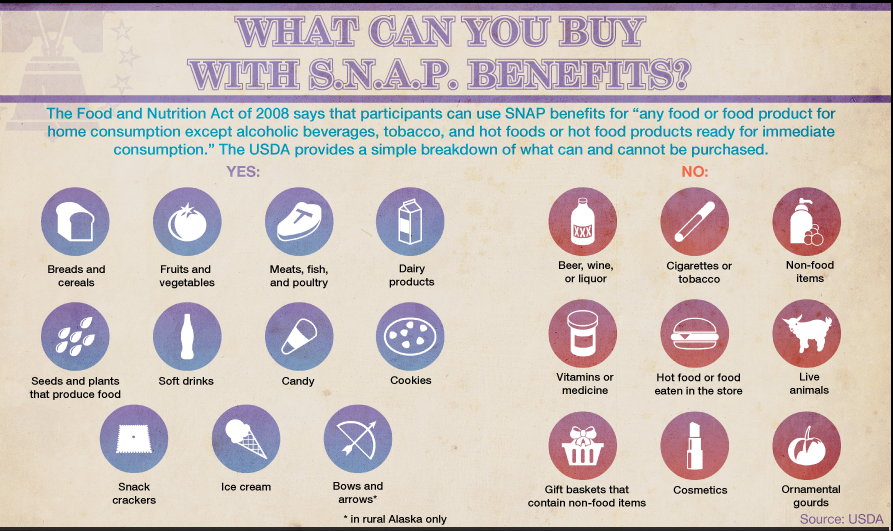
The fundamental purpose of SNAP is to provide access to a wide array of nutritious foods that can be prepared at home. The program’s guidelines are broad, encompassing most staple food items essential for a balanced diet. This ensures that recipients have the flexibility to purchase ingredients that cater to various dietary needs and preferences.
Staple Groceries
At the core of what you can buy with food stamps are the essential pantry and refrigerator staples that form the backbone of any meal. This category includes a vast selection of items designed for home preparation and consumption.
- Fruits and Vegetables: All fresh, frozen, and canned fruits and vegetables are eligible, regardless of whether they are whole, cut, or pre-packaged. This includes items like apples, bananas, broccoli, spinach, corn, and canned peaches. The emphasis here is on variety and nutritional content.
- Meats, Poultry, and Fish: Fresh, frozen, and canned options for all types of meat, poultry, and fish are permitted. This encompasses everything from ground beef and chicken breasts to salmon fillets and canned tuna. Cuts and preparations are generally not a restriction, as long as they are intended for home consumption.
- Dairy Products: Milk, cheese, yogurt, butter, and other dairy or dairy-alternative products are fully eligible. This includes lactose-free options and plant-based milks like almond or soy milk, provided they are intended as food.
- Grains and Cereals: A wide assortment of bread, pasta, rice, oatmeal, breakfast cereals, and other grain products can be purchased. Whole grain options are encouraged for their health benefits, but all varieties are permissible.
- Breads and Cereals: This category is broad and includes items like loaf bread, tortillas, bagels, crackers, and rice cakes. Cereals, whether hot or cold, are also eligible.
- Beans, Lentils, and Legumes: Dried and canned beans, lentils, split peas, and other legumes are excellent sources of protein and fiber and are fully covered by SNAP.
- Eggs: A staple protein source, eggs of all sizes and types are eligible for purchase.
- Oils and Fats: Cooking oils, such as vegetable, olive, and canola oil, are permitted for meal preparation.
- Seasonings and Spices: Salt, pepper, herbs, spices, and other flavor enhancers are allowed, helping to make home-cooked meals more appealing.
- Snack Foods and Sweets: While the program encourages healthy eating, certain snack foods like chips, cookies, candy, and ice cream are also permissible purchases. However, it is important to note that these are not the primary focus of the program.
Seeds and Plants for Gardening
A unique and often overlooked aspect of SNAP eligibility is the purchase of seeds and small plants. This allows recipients to grow their own produce, extending their access to fresh fruits and vegetables and promoting self-sufficiency. This can be particularly beneficial for individuals or families who enjoy gardening or have access to space for cultivation.
Baby Foods and Formula
Recognizing the specific nutritional needs of infants and young children, baby food, formula, and infant cereal are all eligible SNAP purchases. This ensures that parents and caregivers can provide essential nutrition for their youngest family members.
Hydration Options
- Water: Plain, bottled water is eligible for purchase.
- Other Beverages: While pure water is always a good choice, other non-alcoholic beverages are generally allowed. This includes juices, sodas, and sports drinks, though the nutritional value of these can vary significantly.
Items You Cannot Buy With Food Stamps
While the list of eligible items is extensive, there are specific categories of goods and services that SNAP benefits cannot be used for. These restrictions are in place to maintain the program’s focus on providing basic nutritional needs rather than covering all household expenses or non-food items.
Non-Food Items
The most significant restriction is the purchase of any item that is not considered a food product. This is a broad category, but some common examples include:
- Household Supplies: Cleaning products, paper towels, toilet paper, dish soap, laundry detergent, and other cleaning and sanitation supplies are not eligible.
- Personal Hygiene Products: Soap, shampoo, toothpaste, toothbrushes, diapers, and other personal care items cannot be purchased with SNAP.
- Pet Food: Despite the strong bond between humans and their pets, SNAP benefits are intended for human consumption only, making pet food ineligible.
- Alcoholic Beverages: Beer, wine, liquor, and any other alcoholic drinks are strictly prohibited.
- Tobacco Products: Cigarettes, cigars, chewing tobacco, and any other tobacco products are not eligible for purchase.
- Vitamins and Supplements: While some items like infant formula are specifically allowed, general vitamins, mineral supplements, and over-the-counter medications are typically not covered.
- Prepared Hot Foods: Generally, hot foods prepared for immediate consumption, such as those sold at deli counters or fast-food restaurants, are not eligible unless the store is authorized to accept SNAP for such items (e.g., during specific emergencies or for certain homeless individuals).
- Non-Food Garden Supplies: While seeds and plants are allowed, gardening tools, soil, fertilizer, or pots are not.
- Clothing and Household Goods: Items like clothing, shoes, furniture, electronics, and household decorations are outside the scope of SNAP.
Restaurant Meals (with exceptions)
In most cases, SNAP benefits cannot be used to purchase prepared meals from restaurants or food service establishments. This is a key distinction from programs that might offer broader food assistance. However, there are specific exceptions and programs to consider:
- Restaurant Meals Program (RMP): In certain states, including Texas, the RMP allows eligible SNAP recipients to purchase food at participating restaurants. This program is specifically designed for individuals who may have difficulty preparing meals at home, such as the elderly, disabled, or those experiencing homelessness. Eligibility for the RMP is determined by specific criteria, and not all SNAP recipients automatically qualify. It is important to check with local Texas SNAP offices or the Texas Health and Human Services Commission (HHSC) to see if this program is available in your area and if you meet the requirements. Participating restaurants will display signage indicating their acceptance of SNAP for these meal programs.
- Emergency Declarations: During times of natural disaster or other declared emergencies, temporary waivers may be put in place allowing SNAP benefits to be used for hot foods. These are situational and not a permanent part of the program’s regulations.

Maximizing Your SNAP Benefits: Smart Shopping Strategies
To make the most of your SNAP benefits, adopting smart shopping strategies is essential. This involves planning, comparing prices, and focusing on nutrient-dense foods that offer the best value.
Meal Planning and Grocery Lists
Creating a weekly meal plan is a cornerstone of effective grocery shopping. By planning your meals in advance, you can compile a precise grocery list, minimizing impulse buys and ensuring you purchase only what you need. This also helps in identifying staple ingredients that can be used in multiple dishes, reducing waste.
Comparing Prices and Store Choices
Prices for identical items can vary significantly between different grocery stores, even within the same neighborhood in Texas. Take the time to compare prices at various supermarkets, discount grocers, and even farmers’ markets (if they accept SNAP). Looking for sales, discounts, and store brands can also lead to substantial savings.
Buying in Bulk (When Practical)
For non-perishable items that you use regularly, such as rice, pasta, beans, or canned goods, buying in bulk can often be more cost-effective. However, it’s crucial to ensure you have adequate storage space and that you will consume the items before they expire to avoid waste.
Focusing on Nutrient Density
While SNAP allows for the purchase of discretionary items, prioritizing nutrient-dense foods is a wise strategy. Fruits, vegetables, lean proteins, and whole grains provide more nutritional value for your money, contributing to better health and well-being. These items often keep you feeling fuller for longer, potentially reducing the need for frequent snack purchases.
Utilizing Farmers’ Markets and Community Supported Agriculture (CSA)
Many farmers’ markets across Texas accept SNAP benefits, often doubling their value through programs like Double Up Food Bucks. This is an excellent way to access fresh, locally grown produce while stretching your SNAP dollars further. Similarly, some CSAs may allow SNAP payments, providing a direct connection to local farms and seasonal bounty.
Understanding SNAP Regulations and Restrictions
Adhering to SNAP regulations is paramount to maintaining your benefits. Misunderstandings or intentional misuse can lead to disqualification. Familiarizing yourself with the rules ensures that you can use your benefits confidently and responsibly.
The Role of the Texas Health and Human Services Commission (HHSC)
The Texas Health and Human Services Commission (HHSC) is the state agency responsible for administering the SNAP program. They set specific guidelines, process applications, and oversee the distribution of benefits. It is essential to rely on official HHSC communications and resources for the most accurate and up-to-date information regarding SNAP policies in Texas. They provide detailed lists of eligible and ineligible items on their website and through their customer service channels.
Reporting Changes and Maintaining Eligibility
Recipients are legally obligated to report any changes in their household circumstances that may affect their eligibility or benefit amount. This includes changes in income, household size, or residency. Failure to report these changes can be considered fraud. Regular recertification processes are also in place to ensure ongoing eligibility.

The SNAP EBT Card: Your Payment Method
SNAP benefits are issued electronically to a plastic card called an EBT (Electronic Benefit Transfer) card. This card functions much like a debit card at participating retailers. When you make a purchase, you swipe the card and enter your PIN. The amount of the purchase is then deducted from your available SNAP balance. It is crucial to keep your PIN confidential and report a lost or stolen card immediately.
In conclusion, the SNAP program in Texas offers significant support for purchasing essential food items. By understanding what can and cannot be bought, adopting savvy shopping habits, and staying informed about program regulations, recipients can effectively utilize their benefits to ensure food security for themselves and their families. The focus remains on providing access to nutritious foods, with certain allowances for convenience and specific vulnerable populations.
LifeOutOfTheBox is a participant in the Amazon Services LLC Associates Program, an affiliate advertising program designed to provide a means for sites to earn advertising fees by advertising and linking to Amazon.com. Amazon, the Amazon logo, AmazonSupply, and the AmazonSupply logo are trademarks of Amazon.com, Inc. or its affiliates. As an Amazon Associate we earn affiliate commissions from qualifying purchases.